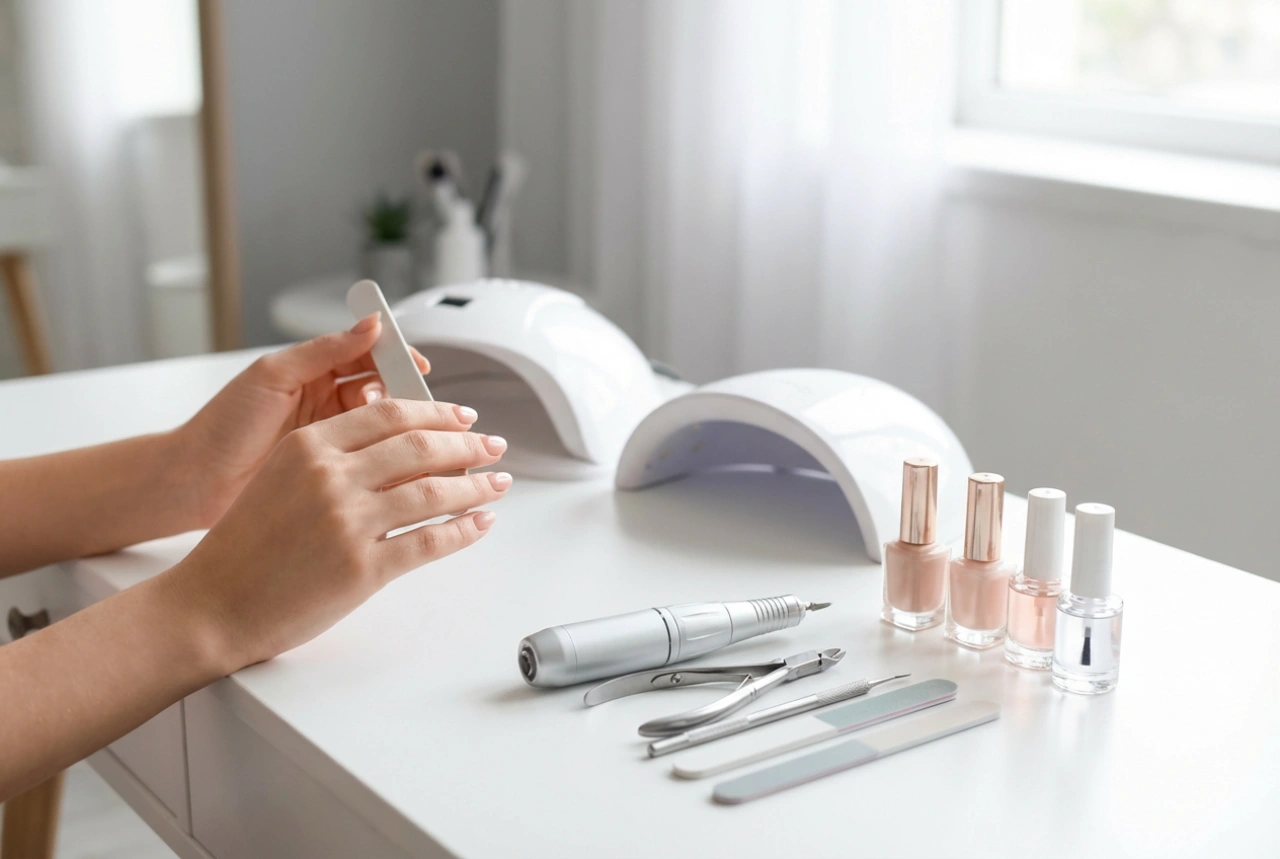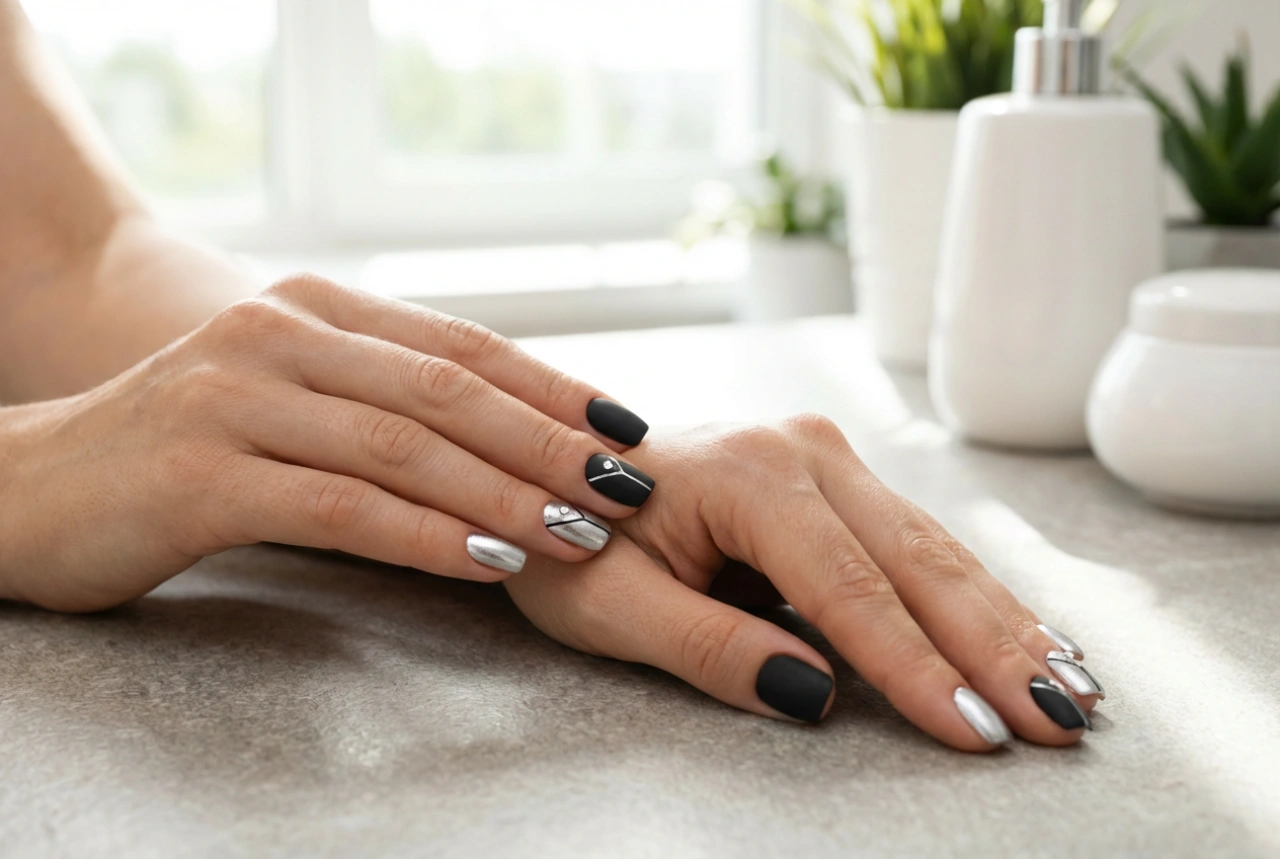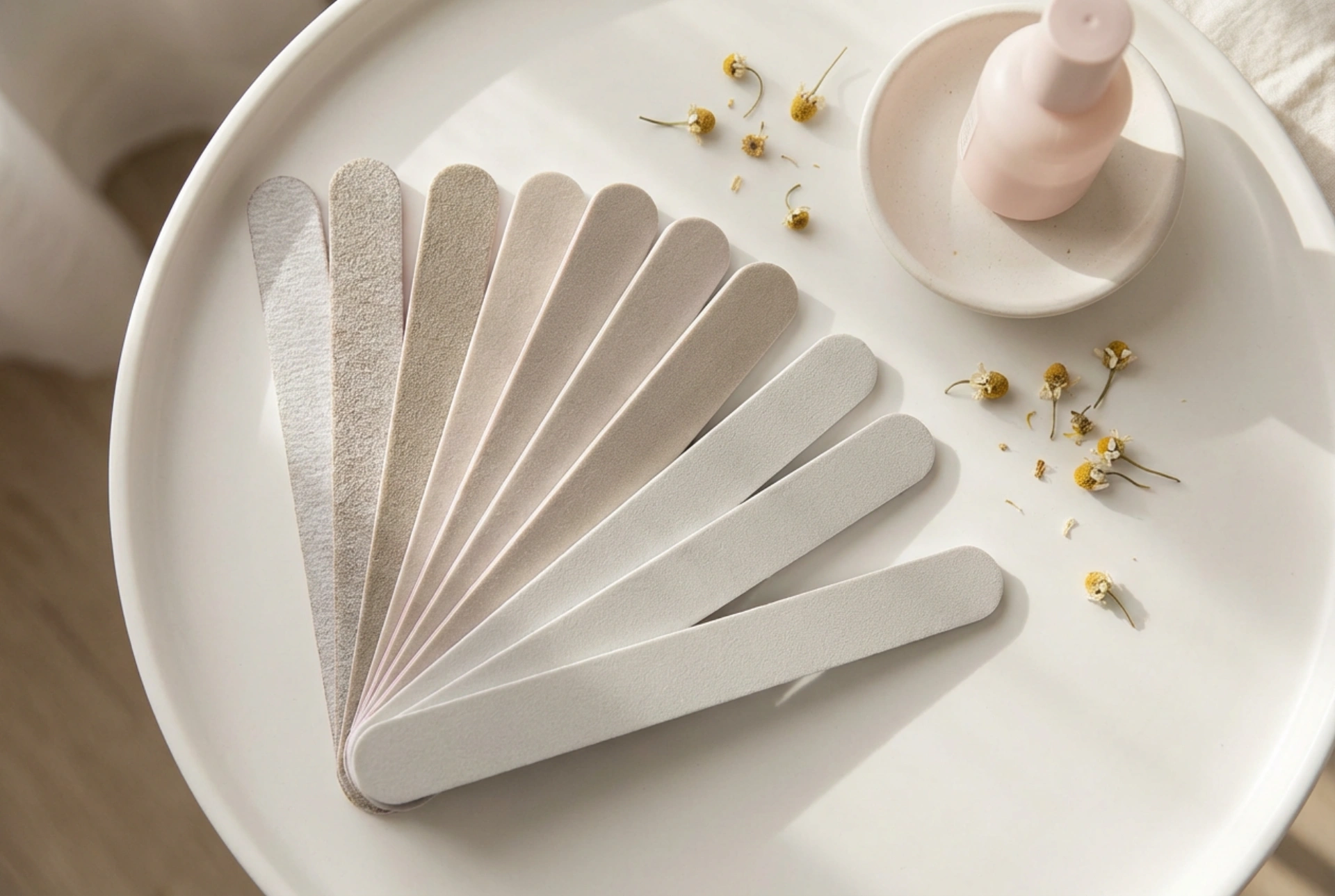


A beautifully organised, serene flatlay of nail care tools on a clean, light surface immediately evokes a sense of freshness and attention to detail. In modern manicures, maintaining this level of pristine hygiene is not just about aesthetics; it is a fundamental aspect of healthy nail care. Disposable nail files have become an essential element of both home and professional nail care routines, offering a simple yet highly effective way to keep your hands looking immaculate while ensuring maximum cleanliness.
The Importance of Hygiene in Nail Care
When it comes to filing and shaping your nails, hygiene should always be a primary consideration. Every time a nail file is used, microscopic particles of keratin, oils, and moisture accumulate on its surface. If a tool is reused repeatedly without proper sanitisation, it can become a breeding ground for invisible particles that compromise safety. Disposable nail files provide an ideal solution to this issue. Because they are designed for single-use or limited personal use, they eliminate the risk of cross-contamination and ensure that each manicuring session starts with a sterile, fresh surface.
Using single-use files at home is particularly beneficial when sharing beauty tools with family members. While it might seem harmless to share a metal or glass file, using separate, disposable options is a far safer practice. It prevents the transfer of impurities and ensures that your natural nails remain strong and unaffected by external factors.
Understanding Grit: The Key to Nail Health
The term 'grit' refers to the roughness of the nail file's surface, determined by the number of abrasive particles per square inch. A lower grit number indicates a coarser surface, while a higher grit number means the file is finer and gentler. Choosing the incorrect grit can lead to splitting, peeling, or weakening of the nail plate. To achieve the best results, it is important to understand the different gradations available:
- 80 to 100 Grit (Coarse): These files have a highly abrasive surface. They are generally too harsh for natural nails and are primarily used for shaping thick extensions or removing hard overlays. Using these on natural nails can cause significant damage.
- 150 to 180 Grit (Medium): This is a highly versatile range. A 180-grit file is ideal for shaping the free edge of natural nails, shortening length gently, and preparing the nail surface before applying gentle base coats.
- 240 Grit (Fine): This gentle grit is perfect for finishing and smoothing the edges of natural nails. It helps seal the keratin layers, preventing the nails from splitting or snagging on fabrics.
- 320 to 600 Grit (Extra Fine): Files in this category are designed for delicate work, such as smoothing out minor ridges on the nail plate and preparing the surface for high-shine polishing.
How to Match Grit to Your Nail Type
Not all nails are created equal, and selecting the correct disposable file depends heavily on the natural condition of your hands. If you have thin, brittle, or peeling nails, you should avoid coarse surfaces entirely. For fragile nail plates, a 240-grit disposable file is the safest choice, as it minimises friction and protects the delicate structure. On the other hand, if you possess naturally thick, strong nails, a 180-grit file will allow you to shape and shorten them efficiently without causing stress to the nail bed.
For those who prefer a complete care routine, combining different grits is often the best approach. You can start with a medium-grit file to shape the nail, switch to a finer grit to smooth the edges, and finish with a very fine buffer to create a natural, healthy sheen.
Best Practices for Home Nail Filing
To get the most out of your disposable nail files and maintain the health of your hands, it is helpful to follow a few simple, professional techniques. Always file dry nails; when wet, the nail structure is softer and much more prone to tearing and peeling. File in one direction, from the outer edge towards the centre, rather than using a sawing motion. Filing back and forth creates micro-tears in the nail edge, which leads to splitting over time.
Once you have finished your manicure, dispose of the file responsibly. If you are using a slightly more durable disposable file intended for personal multi-use, store it in a dry, dust-free container, and do not share it with anyone else. By incorporating these clean, simple steps into your weekly routine, you can enjoy beautiful, salon-like results from the comfort of your home.