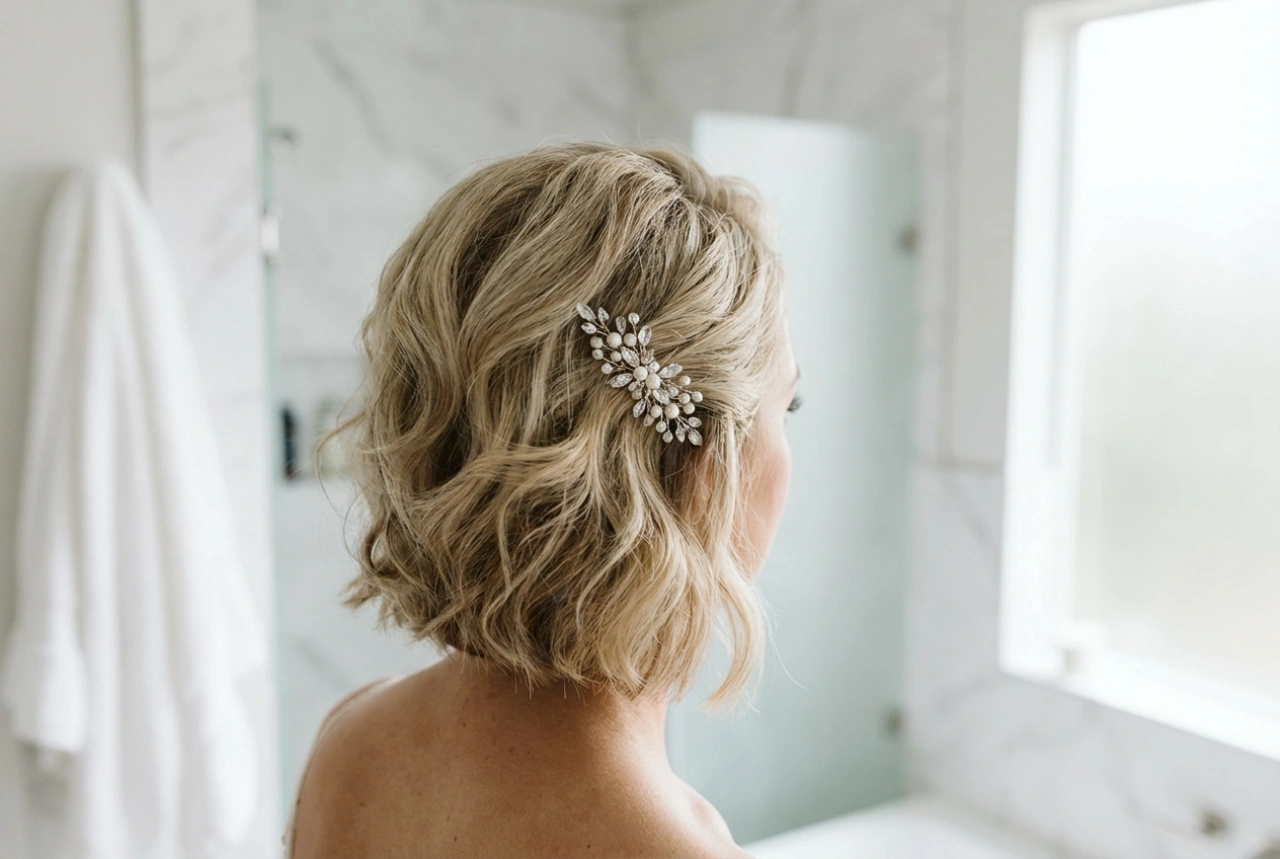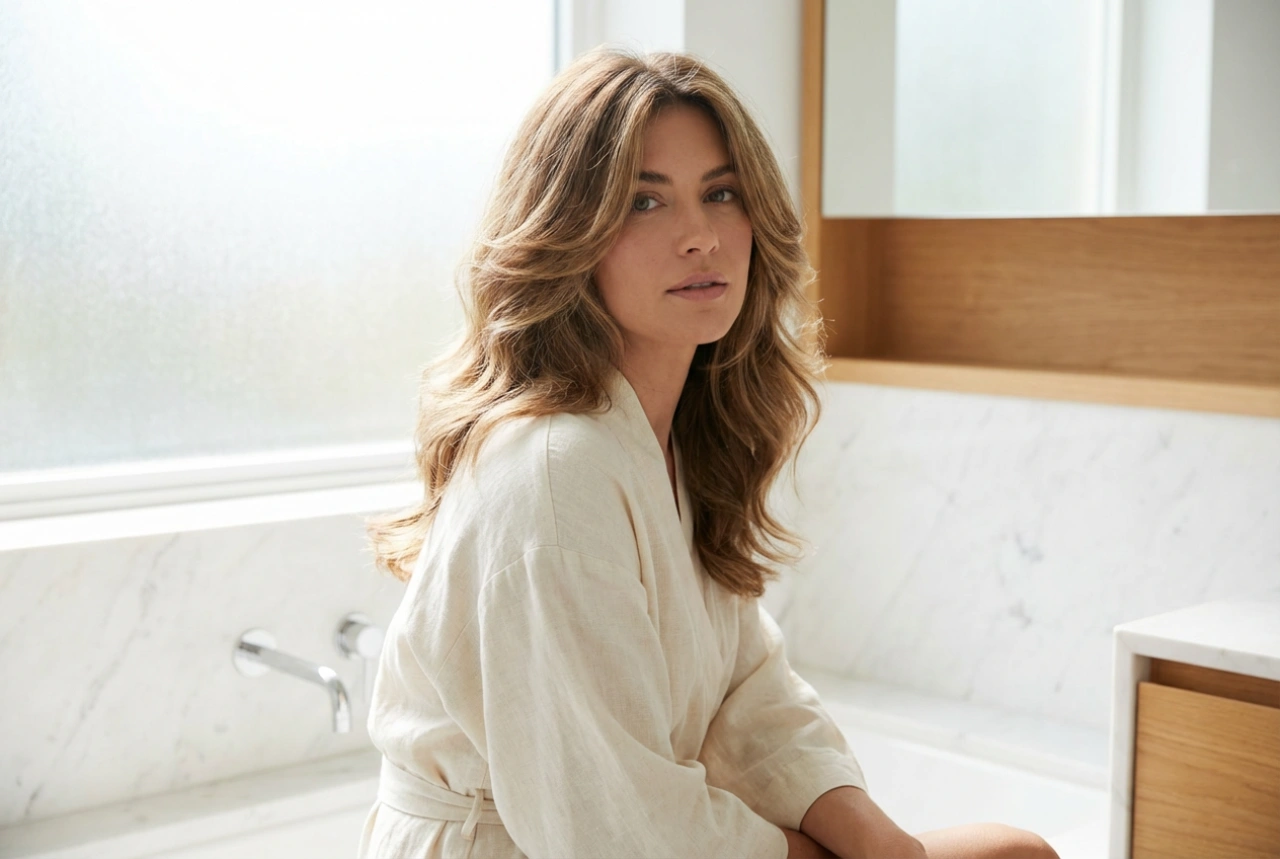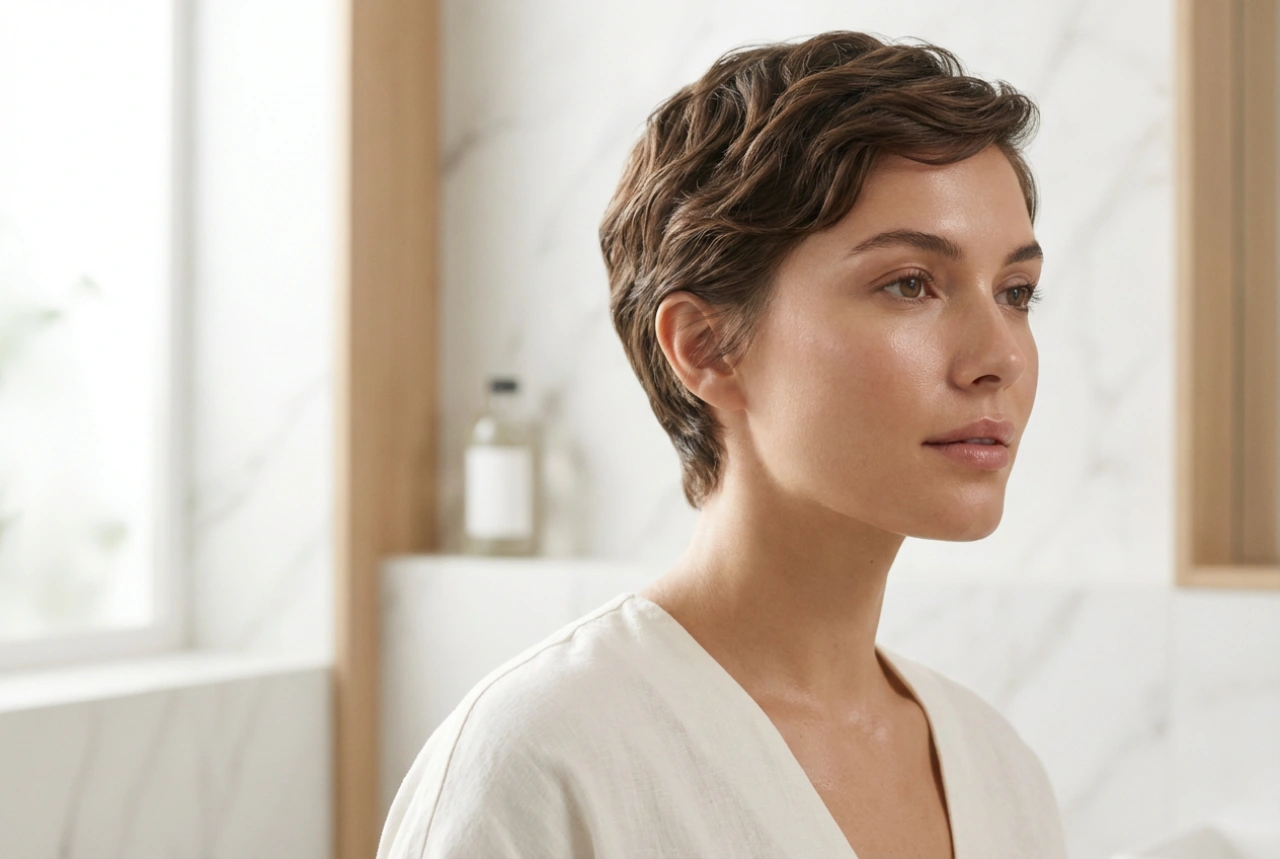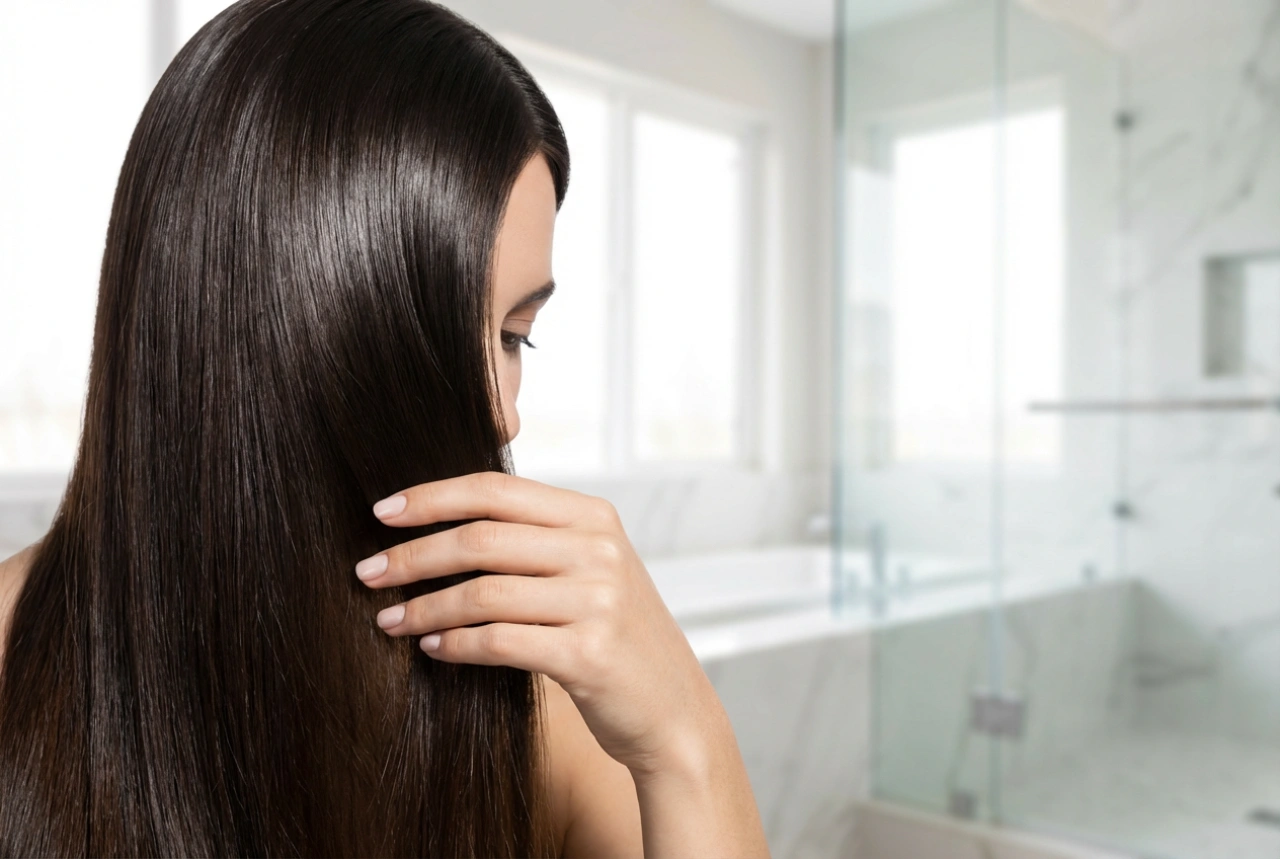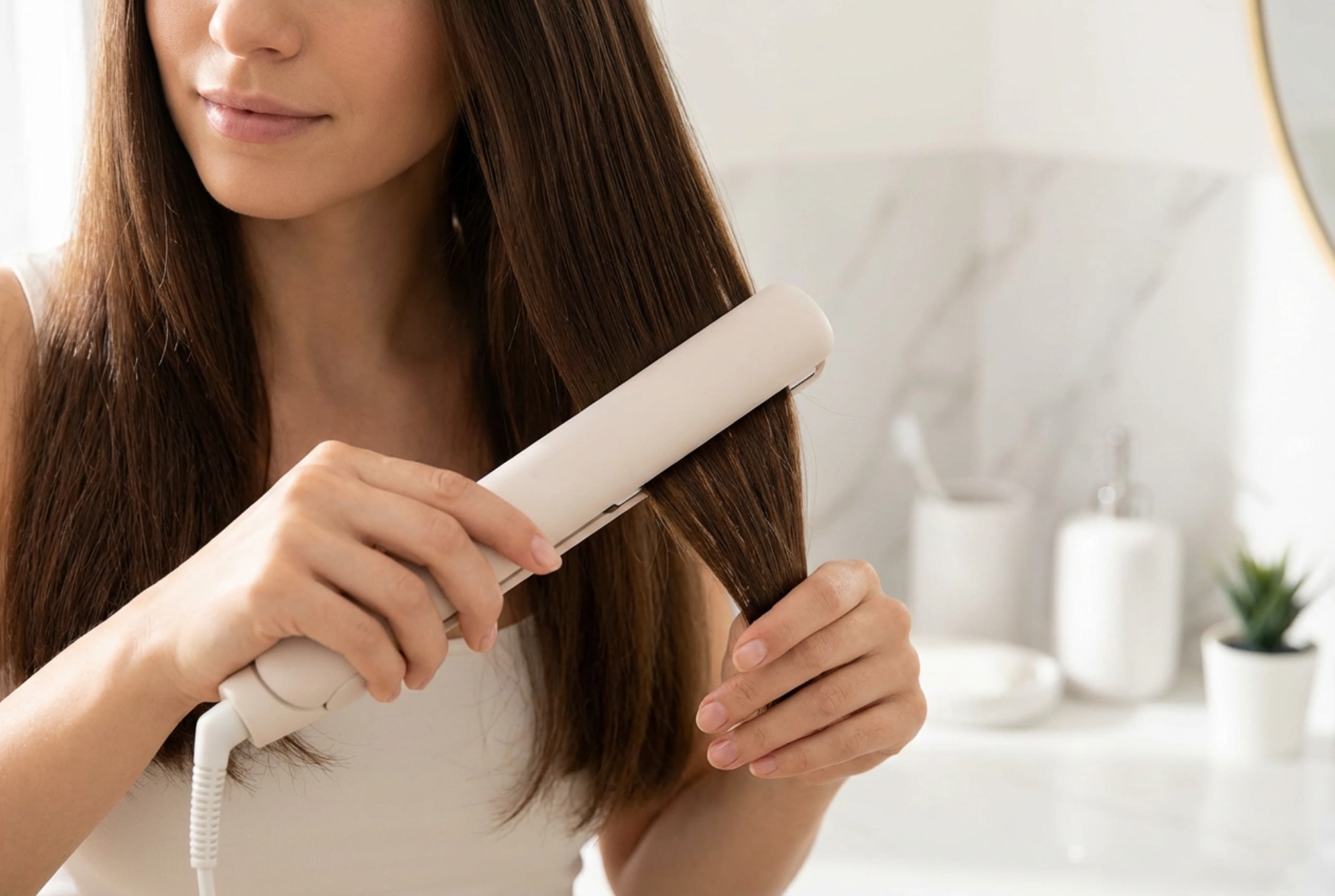


Achieving perfectly smooth, glossy hair that looks like it has just been styled by a professional is a daily goal for many. In the quiet sanctuary of a minimalist bathroom, gliding a sleek styling tool through sections of shiny brunette hair reveals the effortless beauty of frizz-free results. However, regular heat styling can often leave our locks looking dry, staticky, and dull. This is where modern technology steps in, transforming a standard grooming ritual into a nourishing care routine. A hair straightener equipped with ionisation is one of the most effective tools for maintaining sleek strands without compromising the health and vitality of your hair.
What is Ionisation in Hair Styling?
To understand why an ionising straightener is so beneficial, it helps to understand the physics of hair. Daily activities, such as brushing, towel drying, and exposure to wind or dry indoor heating, generate positive electrical charges on the hair surface. These positive charges cause the individual hair cuticles to lift, leading to static electricity, flyaways, and a rough texture commonly known as frizz.
An ionising hair straightener features a built-in generator that produces millions of active negative ions during the styling process. When you pass the plates through your hair, these negative ions are transferred to the strands. They instantly neutralise the positive charges, causing the hair cuticles to flatten and close. The result is a smooth, reflective surface that locks in moisture and repels environmental humidity.
Key Benefits of Using an Ionising Straightener
Upgrading your styling routine with ionising technology offers several visible benefits that go beyond simple straightening. By addressing the structure of the hair cuticle, this technology helps maintain the overall integrity of your strands.
1. Elimination of Static and Frizz
The primary advantage of ionisation is the immediate reduction of static electricity. Instead of hair standing on end or reacting to dry air, the neutralised strands lie flat and neat, creating a cohesive, polished look that lasts throughout the day.
2. Enhanced Natural Shine
When the outer cuticle layer of the hair is raised, light scatters in different directions, making the hair look dull and lifeless. By sealing the cuticles flat, an ionising tool allows light to reflect evenly off the surface of the hair, enhancing its natural lustre and giving it a healthy, glass-like shine.
3. Better Moisture Retention
Traditional straighteners tend to strip moisture from the hair core, leaving it brittle. Ionisation works by breaking down water molecules on the wet or damp surface of the hair into smaller particles, which are then absorbed into the hair shaft. This process helps to preserve the natural hydration balance, keeping your hair soft and pliable.
Step-by-Step Guide to Safe Styling
While ionisation offers significant protection, proper technique is essential to prevent heat damage and ensure the best possible results. Following a structured routine will help you achieve that sleek, salon-like finish at home.
- Ensure hair is completely dry: Never use a straightener on damp or wet hair, as the extreme heat can cause the moisture inside the shaft to boil, leading to irreversible structural damage. Always air-dry or blow-dry your hair thoroughly before straightening.
- Apply a heat protectant: Even with advanced ionising technology, a high-quality thermal protection spray or cream is non-negotiable. It creates an invisible barrier that distributes heat evenly and shields the delicate protein structure of the hair.
- Choose the correct temperature: Match the heat setting to your hair type. Fine or damaged hair only requires low temperatures (around 150°C to 170°C), while thicker or coarser strands may need slightly higher heat (up to 200°C) to style effectively in a single pass.
- Section your hair: Divide your hair into small, manageable sections. This allows you to glide the straightener smoothly from root to tip in one continuous, gentle motion, avoiding the need to run the hot plates over the same strand multiple times.
Understanding Plate Materials
The material of the plates works in tandem with ionisation to deliver smooth results. When selecting a styling tool, look for high-quality plate coatings that distribute heat evenly and glide without snagging.
Ceramic plates are highly popular because they heat up evenly and prevent hot spots that could burn the hair. Tourmaline plates are particularly excellent for frizz-prone hair, as tourmaline is a semi-precious mineral that naturally emits a high volume of negative ions when heated, doubling the smoothing effect. For thick or coarse hair, titanium plates offer rapid heat transfer and exceptional durability, allowing for quick and efficient styling.
Daily Habits for Long-Lasting Smoothness
Maintaining frizz-free, shiny hair goes beyond the styling tools you use. Combining your ionising straightener with smart daily habits will prolong the sleek effect and support hair health over time.
Consider swapping your standard cotton towel for a gentle microfibre wrap, which minimises friction and prevents the hair cuticle from roughening after washing. Sleeping on a silk or satin pillowcase also reduces friction overnight, helping you wake up with fewer tangles and less static. Finally, incorporating lightweight, nourishing hair oils or leave-in conditioners into your post-wash routine provides an extra layer of moisture, making your hair more resilient to styling heat and external humidity.