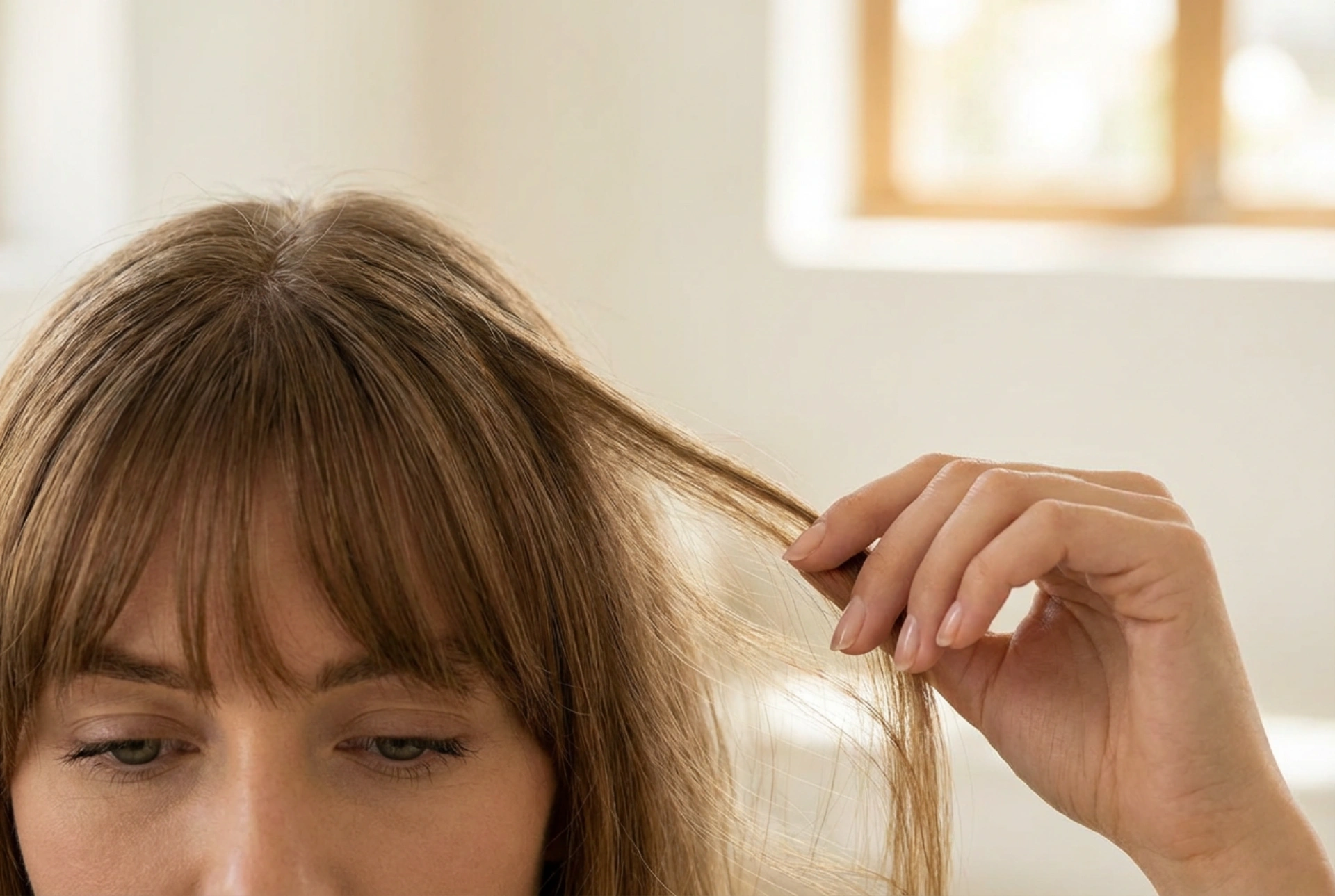


A beautifully styled fringe can completely transform your appearance, framing the face and accentuating your natural features with elegant simplicity. Whether you choose a soft, wispy curtain fringe or a bold, straight-cut statement, keeping this prominent feature looking fresh and effortless requires a dedicated approach to daily care and styling. When we look at modern beauty aesthetics, the emphasis is always on natural texture and movement, demonstrating that a perfect fringe should never look stiff or overly processed. Instead, it should flow naturally, complementing your facial structure while maintaining its shape throughout the day.
Choosing and Understanding Your Fringe Style
Before diving into styling routines, it is essential to understand how different fringe styles interact with your natural hair type and face shape. A classic blunt fringe works wonderfully for thicker hair, creating a clean, structured frame. On the other hand, soft, feathered, or curtain fringes offer incredible versatility, blending seamlessly into the rest of your hair and allowing for softer movement around the temples. Understanding your hair’s natural behaviour, such as cowlicks or natural parts, will help you work with your hair rather than against it during your morning routine.
The Classic Blunt Fringe
This style sits straight across the forehead, usually just skimming the eyebrows. It requires a bit more commitment as it needs regular maintenance to keep its precise shape. It is ideal for those with straight or slightly wavy hair who enjoy a structured, polished aesthetic.
The Versatile Curtain Fringe
Curtain fringes are parted down the middle or slightly off-centre, gently framing both sides of the face. This style is incredibly forgiving, easy to style, and grows out beautifully, making it perfect for those who want to experiment with a fringe without a long-term commitment.
Essential Daily Styling Techniques
Styling a fringe does not have to be a time-consuming chore. With the right technique, you can achieve a professional, salon-like finish in just a few minutes at home. The golden rule of fringe styling is to work with your hair while it is still wet. Letting your fringe air-dry can cause it to set in natural, uneven patterns that are difficult to correct later with heat tools.
- The Blow-Drying Technique: Use a medium-sized round brush or a flat paddle brush. Direct the nozzle of your hairdryer downwards, blowing the hair forward. Wrap the fringe around the brush and gently roll it downwards and outwards to create soft, natural volume without too much roundness.
- Managing Cowlicks: If you have a stubborn cowlick at the hairline, use the flat brush to blow-dry the fringe alternatingly to the left and to the right. This technique neutralises the natural split and helps the hair lay flat and cohesive.
- Heatless Styling Options: For a gentler approach, wrap your damp fringe around a medium-sized velcro roller immediately after washing. Leave it in place while you apply your skincare and make-up, then remove it and gently shake the hair out for natural, bounce-filled movement.
Caring for Your Fringe: Keeping It Fresh
Because your fringe rests directly against your forehead, it tends to absorb natural skin oils, moisturisers, and sweat much faster than the rest of your hair. This can lead to a flat, piecy appearance by the end of the day. Keeping your fringe clean and hydrated without weighing it down is key to maintaining its texture.
A practical tip for daily maintenance is the "fringe-only wash." If you do not want to wash your entire head of hair every day, simply separate your fringe, pin the rest of your hair back, and wash just the fringe in the sink with a tiny drop of gentle, clarifying shampoo. This takes less than five minutes, dries incredibly fast, and instantly revives your entire hairstyle. When applying conditioner, avoid the roots entirely; only apply a tiny amount to the very tips of the fringe if the hair feels dry.
Common Styling Mistakes to Avoid
While a fringe is highly rewarding, it is easy to fall into habits that compromise its health and appearance. By avoiding a few common pitfalls, you can keep your hair looking soft, voluminous, and elegant every day.
Overusing Styling Products
Applying too many heavy styling creams, hairsprays, or oils is one of the quickest ways to ruin a fresh fringe. These products build up quickly, attracting dust and forehead oils, which causes the hair to clump together and look greasy. Opt for lightweight, micro-fine holding mists or a touch of lightweight volumising spray applied only at the roots.
Incorrect Heat Tool Usage
Using a flat iron at excessively high temperatures to straighten a fringe can strip the hair of its natural moisture, leading to dry, split ends and a stiff, unnatural look. If you must use a straightener, keep the temperature moderate and gently curve the iron inward at the ends to maintain a soft, natural bend.
Skincare Interference
Many people do not realise that their skincare routine directly impacts their fringe. Heavy moisturisers, sunscreens, and oils applied to the forehead can easily transfer to your hair. To prevent this, pin your fringe back while applying your skincare products and wait at least ten to fifteen minutes for the products to absorb completely before letting your hair down.