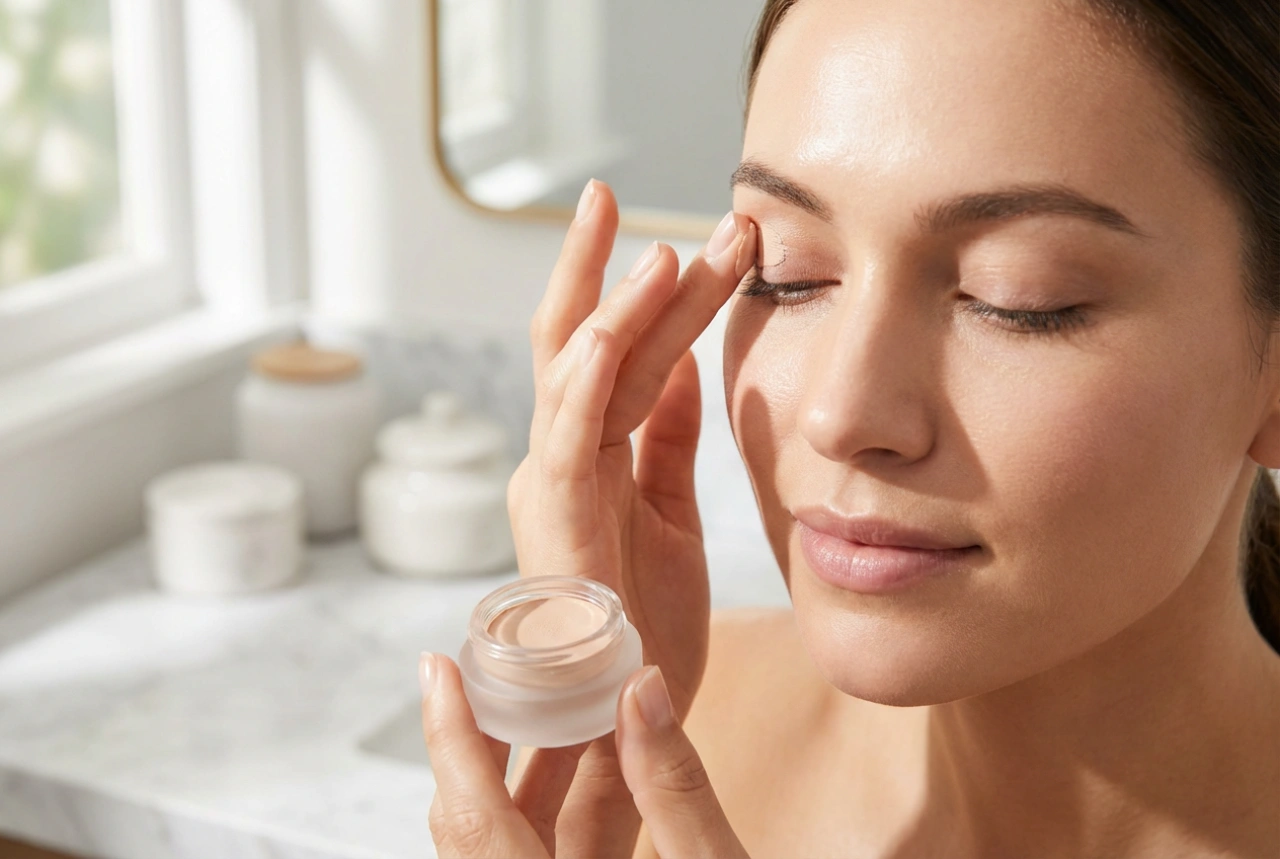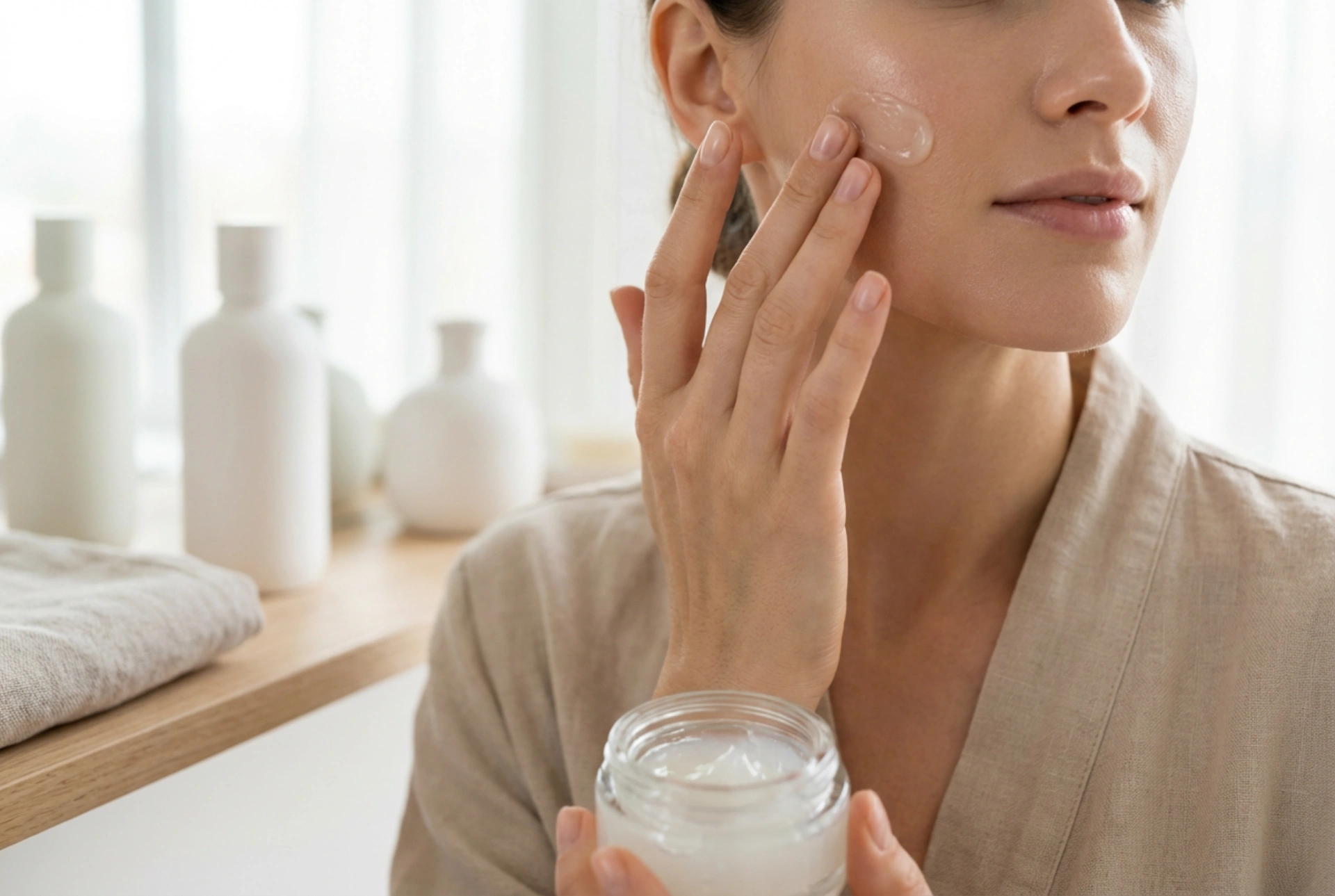


Gently pressing a lightweight, translucent smoothing primer onto the cheek is one of the most transformative steps in a modern beauty routine. This simple yet highly effective gesture instantly refines the skin's texture, revealing a soft, radiant glow that serves as the perfect canvas for makeup. Preparing the complexion with a dedicated smoothing base not only elevates the overall appearance of your foundation but also plays a vital role in ensuring your look remains fresh, vibrant, and intact throughout the day. By bridging the gap between skincare and cosmetics, a good primer optimises the skin's surface for a seamless, professional finish at home.
What is a Smoothing Primer and How Does It Work?
A smoothing primer is a specialised cosmetic product designed to even out the surface of the skin before the application of foundation, concealer, or powder. Think of it as a preparatory coat used in fine art; it fills in microscopic crevices, softens the appearance of enlarged pores, and blurs fine lines. The primary objective is to create an ultra-smooth, uniform surface so that subsequent makeup products glide on effortlessly rather than settling into natural skin textures or creases.
Most smoothing primers rely on lightweight polymers or advanced light-reflecting particles that scatter light away from imperfections. This optical blurring effect gives the illusion of an airbrushed complexion even before any pigment is applied. Additionally, these formulations create a breathable, protective barrier over the skin, which prevents the natural oils produced by your pores from mixing too quickly with your makeup, thereby reducing shine and breakdown.
Essential Skin Preparation Before Primer Application
To achieve the best results from your smoothing primer, it is essential to prepare your skin thoroughly. Applying primer onto dry, flaky, or poorly cleansed skin can lead to an uneven finish and may cause the product to pill. Follow these essential preparatory steps to create the ultimate canvas:
- Gentle Cleansing: Always start with a clean face. Use a mild, hydrating cleanser to remove any residual oils, dead skin cells, or overnight skincare products without stripping the skin's natural moisture barrier.
- Hydration is Key: Apply a lightweight, absorbing moisturiser suitable for your skin type. Hydrated skin is plump and smooth, which naturally minimises the appearance of fine lines and allows the primer to sit beautifully on the surface.
- The Golden Wait Rule: Allow your moisturiser and sun protection to fully absorb into the skin for at least three to five minutes before applying your primer. If the skin is still wet or tacky from skincare, the primer may slip, slide, or clump.
How to Apply Primer for Maximum Efficacy
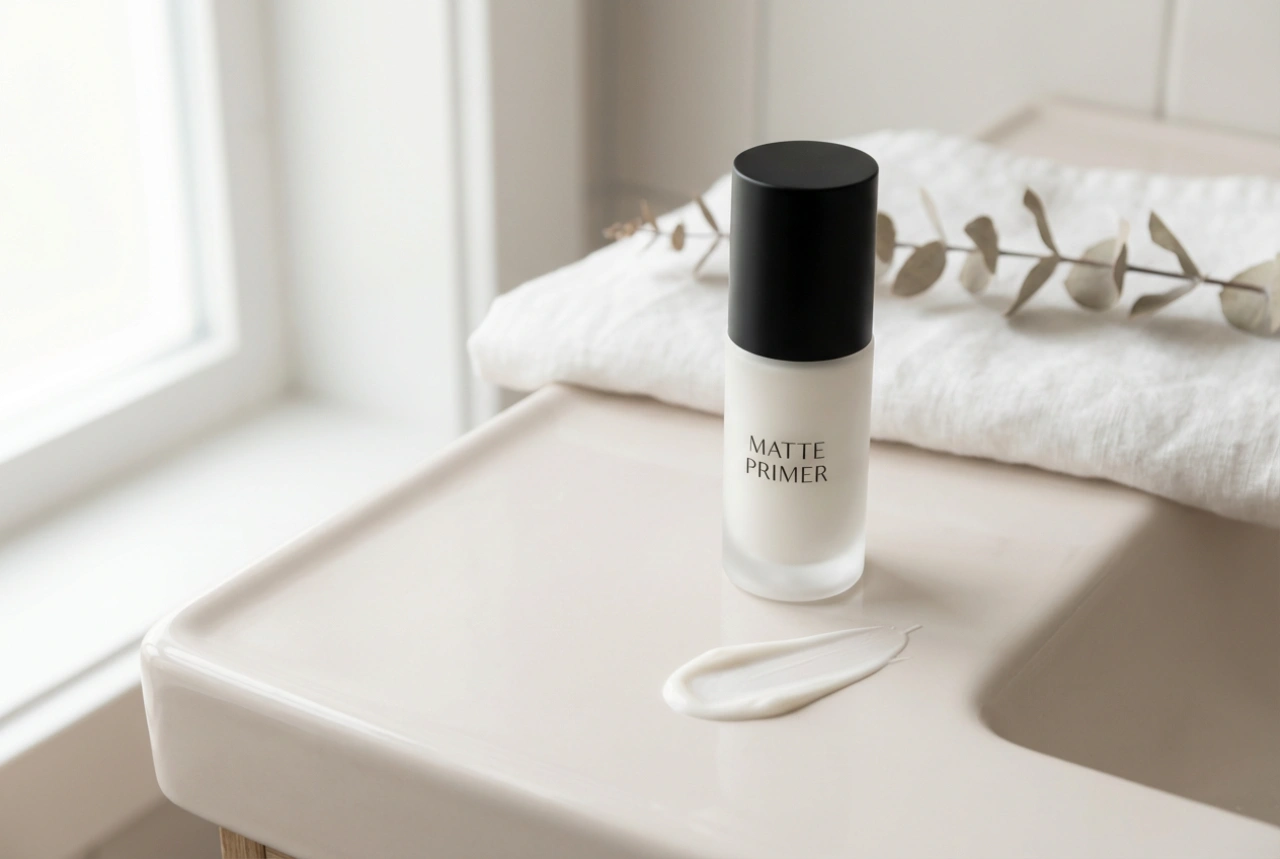
When it comes to smoothing primers, the golden rule is that less is almost always more. Using too much product can create a heavy layer that actually causes your foundation to slide off rather than stay in place. A pea-sized amount is generally sufficient for the entire face.
Begin by dispensing the product onto the back of your hand. Using your ring finger, gently warm the primer to match your body temperature, which helps it melt seamlessly into the skin. Focus the application on areas where texture is most prominent, such as the T-zone (forehead, nose, and chin) and the inner cheeks. Instead of rubbing the product in a circular motion, use gentle patting and pressing motions. Pressing the primer into the skin helps to physically fill in pores and fine lines, creating a perfectly flat, velvety surface. Allow the primer to set for sixty seconds before moving on to your foundation.
The Role of Primer in Extending Makeup Longevity
One of the most significant benefits of incorporating a smoothing primer into your routine is its ability to dramatically extend the wear time of your cosmetics. Throughout the day, the skin naturally produces sebum and sweat, which act as solvents that break down the binders in foundation and concealer. A primer acts as a protective shield, absorbing excess oil and preventing it from reaching the makeup layer.
Furthermore, primer acts like a gentle, double-sided adhesive. It clings comfortably to the skin on one side while providing a high-grip surface for foundation pigments on the other. This prevents makeup from shifting, fading, or melting, even during warm weather or long working hours. By locking in moisture and blocking excess oil, the primer ensures that your makeup looks just as fresh in the evening as it did when first applied in the morning.
Selecting the Right Smoothing Formula for Your Skin Type
While all smoothing primers aim to refine skin texture, different formulations cater to specific skin needs. Understanding your skin type will help you select the most compatible formula for a flawless, long-lasting finish:
- Oily and Combination Skin: Opt for a mattifying, oil-absorbing smoothing primer. These formulas often contain silica or clay derivatives that help control shine throughout the day while blurring pores.
- Dry and Dehydrated Skin: Look for a hydrating smoothing primer infused with ingredients like hyaluronic acid or glycerin. These provide a boost of moisture, preventing the primer from clinging to dry patches or looking flat.
- Dull or Lacklustre Skin: A radiance-boosting smoothing primer contains subtle light-reflecting particles that brighten the complexion from within, giving a healthy, candlelit glow to the skin.