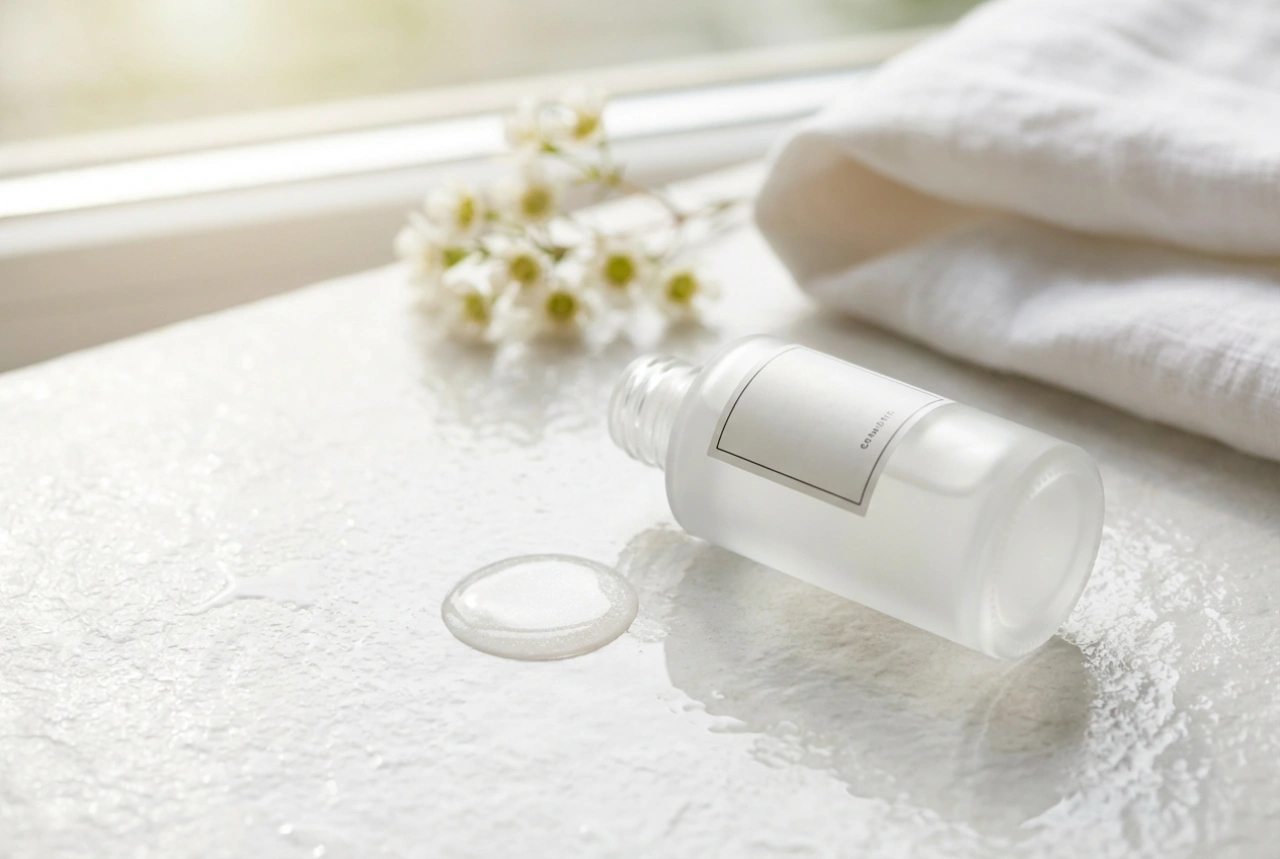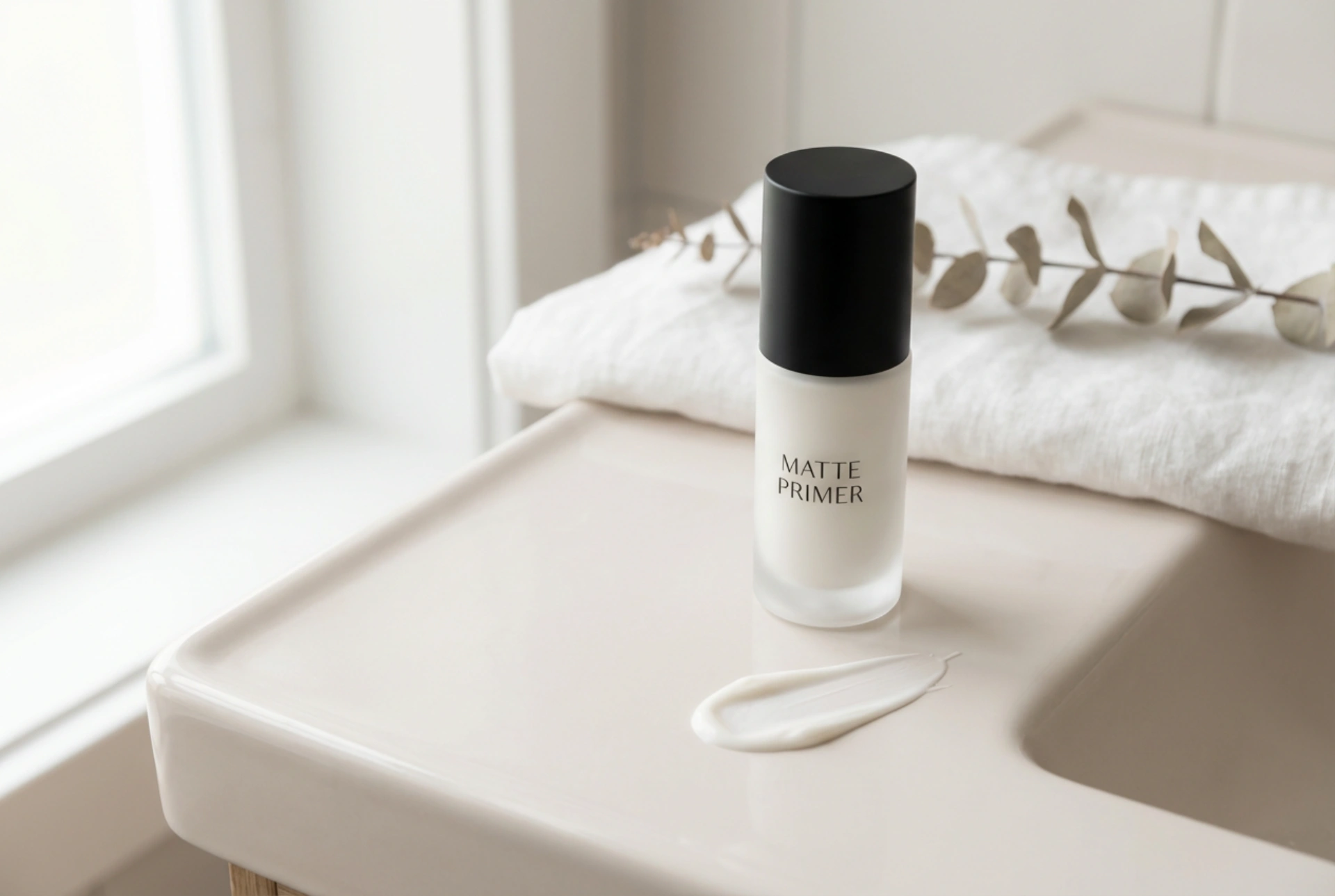


Achieving a fresh, balanced skin aesthetic begins with the right preparation. A clean, minimalist approach to makeup, symbolised by a simple primer bottle on a smooth surface bathed in soft natural light, represents the ideal modern beauty routine. For individuals with oily or combination skin types, managing excess sebum while maintaining a healthy, natural glow can be a daily balancing act. A high-quality mattifying primer serves as the perfect bridge between your skincare routine and makeup application, ensuring a velvety, long-lasting finish without drying out the skin.
Understanding the Role of a Mattifying Primer
A mattifying primer is designed to prepare the skin's surface for makeup by creating an even, smooth canvas. Its primary function is to regulate shine by absorbing excess oils produced by the sebaceous glands. When applied correctly, it fills in fine lines and minimises the appearance of enlarged pores, which are common characteristics of oily and combination skin types.
Beyond oil control, a good primer acts as a protective barrier. It prevents foundation from sinking into pores or sliding off throughout the day. By locking in moisture while keeping surface oils at bay, it helps maintain a fresh, just-applied look for hours, reducing the need for constant powder touch-ups that can lead to a heavy, cakey appearance.
Choosing the Right Formula for Oily Skin
Oily skin requires formulas that offer robust shine control without feeling heavy or suffocating. When shopping for a primer, it is essential to understand the different textures available and how they interact with your skin:
- Silicone-Based Primers: These are excellent for smoothing out skin texture and creating a completely matte surface. They form a micro-barrier that keeps oil from breaking through. However, they should be lightweight to ensure the skin feels comfortable.
- Water-Based Gel Primers: Perfect for those who prefer a weightless feel. These formulas often contain oil-absorbing powders suspended in a hydrating water base, offering a cooling sensation and a natural matte finish.
- Liquid-to-Powder Primers: These innovative formulas apply as a light liquid and dry down to a soft, powdery texture, providing long-lasting oil control for very oily skin.
Selecting a Primer for Combination Skin
Combination skin presents a unique challenge, as it features both oily areas (usually the T-zone, comprising the forehead, nose, and chin) and normal or dry patches (typically the cheeks). Using a heavy mattifying primer all over the face can cause dry areas to look flaky and dehydrated.
The key to managing combination skin is targeted application, often referred to as "multi-priming". You can apply a targeted mattifying formula specifically to the shiny zones where excess sebum is a problem. For the rest of the face, a light, hydrating primer can be used to maintain a luminous, healthy-looking complexion. Alternatively, look for balanced hybrid formulas that offer gentle oil absorption while delivering essential hydration to dry zones.
Key Cosmetic Ingredients for Balance
When reviewing product labels, look for gentle, non-comedogenic ingredients that support skin balance. Silica and bamboo powder are excellent natural oil-absorbers that leave a soft-focus finish. Glycerin and hyaluronic acid are valuable additions because they keep the skin hydrated, preventing it from producing even more oil in response to dehydration. Plant extracts, such as green tea or tea tree oil in low concentrations, can also help soothe and refresh the skin surface.
Best Application Techniques for a Seamless Finish
How you apply your primer is just as important as the formula you choose. For a seamless, long-lasting finish, follow these practical steps:
- Prepare the skin: Always start with a clean, well-moisturised face. Let your daily moisturiser and sunscreen absorb fully before applying primer.
- Use a small amount: A pea-sized amount is usually sufficient for the entire face. Using too much product can cause your foundation to slip and slide.
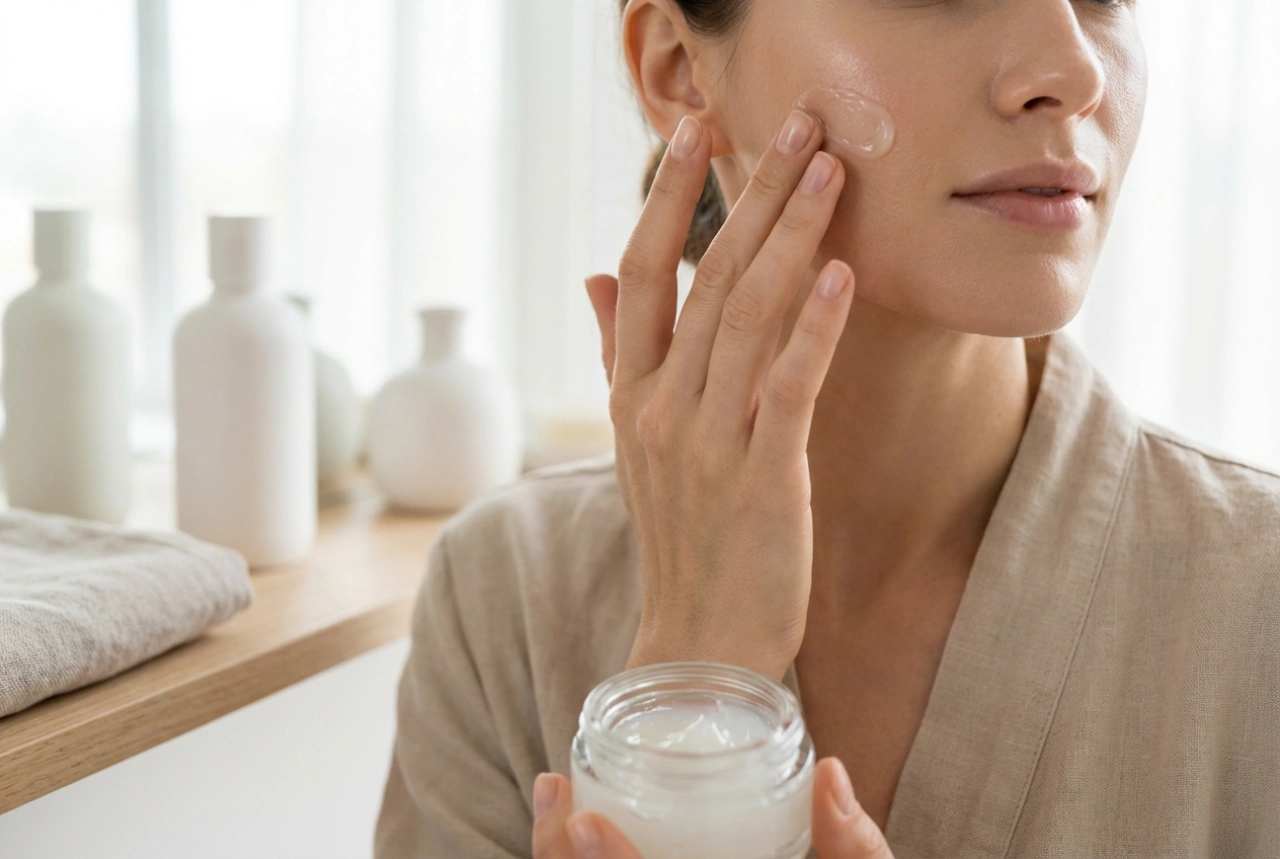
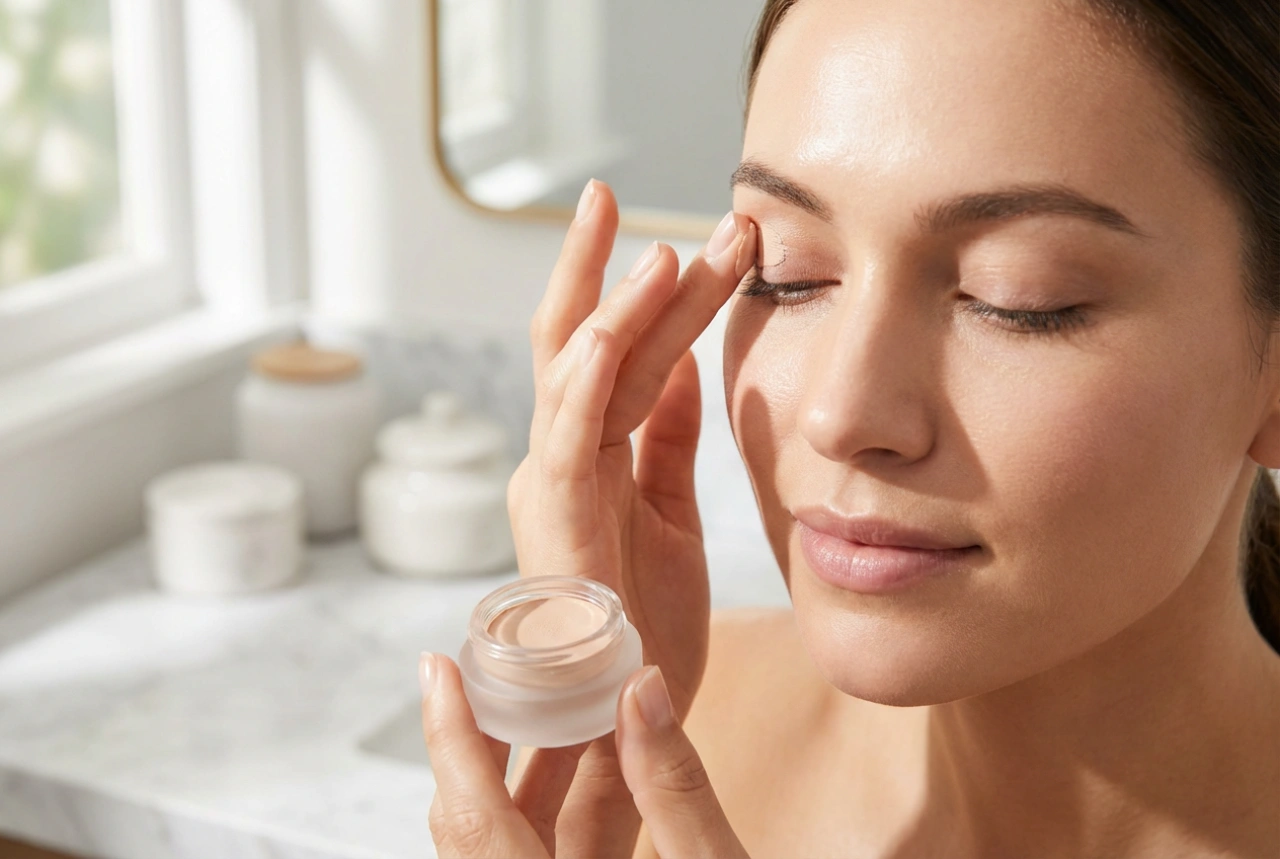
- Press, do not rub: Gently press the primer into the skin using your fingertips, focusing on areas with larger pores or excess shine. Pressing helps the product fill in textures more effectively than rubbing.
- Allow it to set: Wait one to two minutes for the primer to dry down and form its protective barrier before applying foundation or concealer.