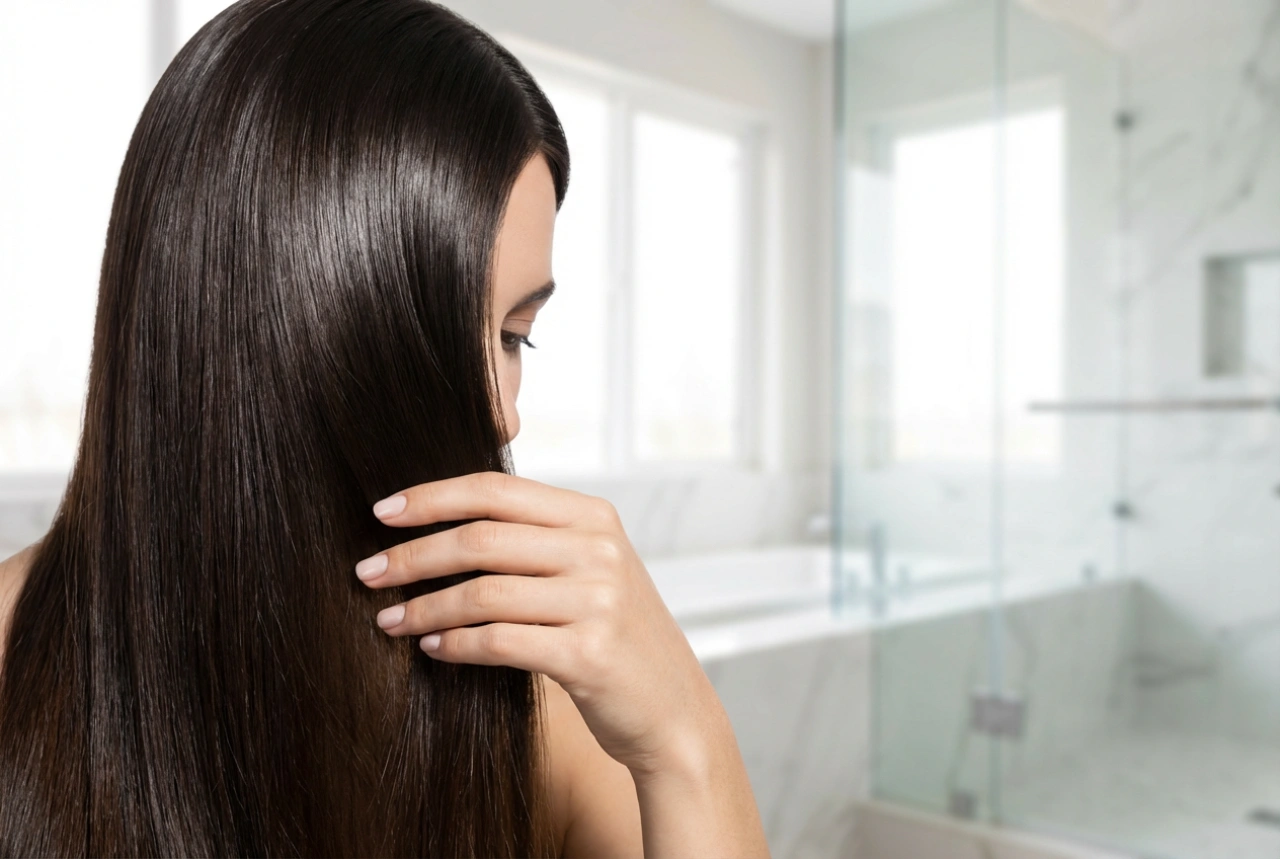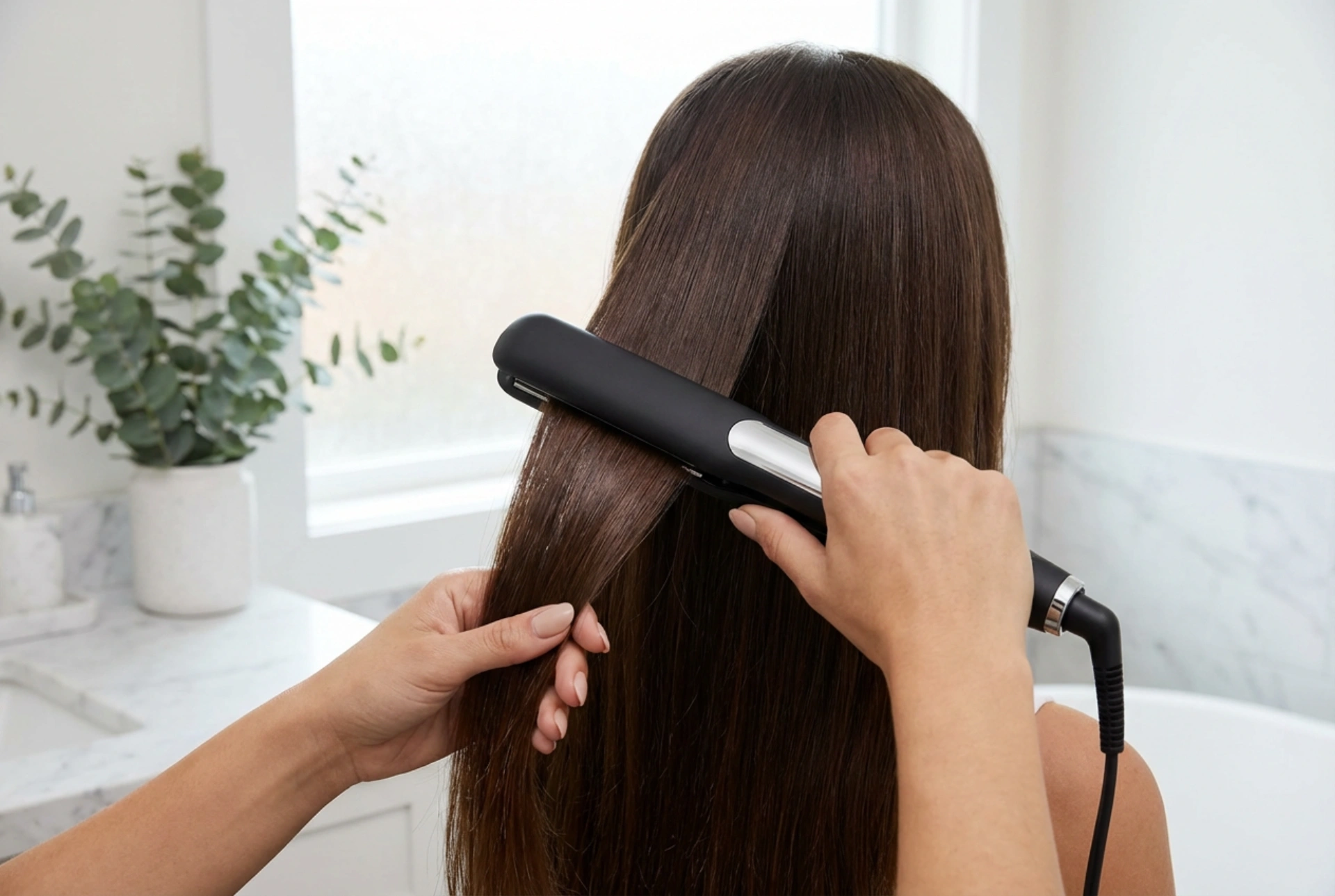


Achieving a sleek, glossy finish without compromising the health of your hair is a common goal for many beauty enthusiasts. In the quest for perfectly smooth locks, traditional styling tools can sometimes leave hair feeling dry or brittle. This is where modern styling innovation comes into play. As seen when delicately guiding a sleek styling tool through sections of dark hair, the result is a beautifully polished, silk-like finish. Steam hair straighteners have emerged as a popular choice for those looking to maintain their hair's natural lustre while achieving a flawless, straight look. Understanding how this technology works and how to incorporate it into your routine can completely transform your styling habits.
How Steam Hair Straighteners Work
Unlike standard flat irons that rely solely on dry heat to reshape the hair, steam straighteners introduce controlled moisture during the styling process. These devices feature a small, integrated water reservoir. When the plates clamp down on a section of hair, micro-vapour is released through tiny vents. This steam gently penetrates the hair shaft before the heated plates smooth it out. By infusing moisture directly into the cuticle, the tool helps to prevent the rapid dehydration often associated with thermal styling. This gentle approach ensures that the hair fibres remain pliable, resulting in a finish that looks naturally healthy and full of movement rather than stiff or parched.
Who Should Choose a Steam Straightener?
While anyone looking to smooth their hair can benefit from this technology, steam straighteners are particularly effective for specific hair types and concerns. Knowing your hair's unique characteristics will help you decide if this tool is the right fit for your daily routine:
- Thick and Coarse Hair: Coarse hair requires significant heat to flatten the outer cuticle. The addition of steam softens the hair fibres beforehand, allowing the plates to glide smoothly and straighten stubborn sections with fewer passes.
- Dry or Dehydrated Locks: If your hair is naturally dry or prone to moisture loss, traditional dry heat can worsen the problem. Steam styling helps to lock in hydration, leaving the hair feeling softer and more supple.
- Frizzy and Rebellious Hair: Steam technology provides excellent humidity resistance. By sealing the hair cuticle with balanced moisture, it prevents the hair from absorbing dampness from the air later in the day, reducing the likelihood of frizz.
- Fine or Delicate Hair: When used at lower temperature settings, the gentle vapour provides a safer styling alternative, minimising the risk of thermal damage to fragile strands.
Step-by-Step Guide to Perfect Steam Styling
To achieve the best results and ensure the longevity of both your hairstyle and your device, it is important to follow a proper styling routine. Preparing your hair correctly is just as essential as the technique you use with the straightener.
Step 1: Thorough Preparation
Always start with completely dry hair. Although the device uses steam, applying hot plates directly to wet or damp hair can cause serious thermal damage as the water boils on the hair's surface. Wash, condition, and thoroughly blow-dry or air-dry your hair before you begin. Applying a lightweight heat protectant spray or serum is also highly recommended to create a defensive barrier.
Step 2: Fill the Reservoir Properly
To prevent mineral build-up inside the delicate steam vents, always fill the reservoir with demineralised or distilled water. Regular tap water contains calcium and other minerals that can clog the system over time, reducing the efficiency of the steam output and potentially shortening the lifespan of your device.
Step 3: Adjust the Temperature
Select a temperature setting that matches your hair texture. Fine or sensitised hair should be styled at lower temperatures, whilst thicker or coarser hair may require a slightly higher setting. Thanks to the steam function, you will often find that you can achieve perfect results at a lower temperature than you would need with a traditional flat iron.
Step 4: Glide with Precision
Divide your hair into small, manageable sections. When styling, ensure the device is held in the correct direction, as steam vents are designed to release vapour just ahead of the smoothing plates. Slowly glide the straightener from the roots to the ends in a continuous, steady motion. Avoid clamping the device in one spot for too long to ensure even heat and steam distribution.
Essential Benefits of Using Steam for Styling
Switching to a steam-based straightening method offers several distinct advantages for the long-term appearance of your hair. Firstly, the styling process is much faster because the steam prepares the hair structure, meaning you need fewer glides over each strand to achieve a smooth finish. This directly translates to less overall exposure to direct heat. Secondly, the finish has a distinctive, natural-looking shine and bounce. Traditional straighteners can sometimes leave the hair looking flat or unnaturally straight, whereas steam maintains a healthy volume and a silky texture that moves naturally throughout the day.
Device Care and Maintenance
To keep your styling tool operating at its best, simple maintenance is key. Always empty any remaining water from the reservoir after each styling session to prevent stagnant water from sitting inside the device. Allow the tool to cool completely before wiping the plates with a soft, slightly damp cloth to remove any styling product residue. Store the straightener in a dry place, ensuring the cord is loosely wrapped rather than tightly wound around the body to prevent internal damage.