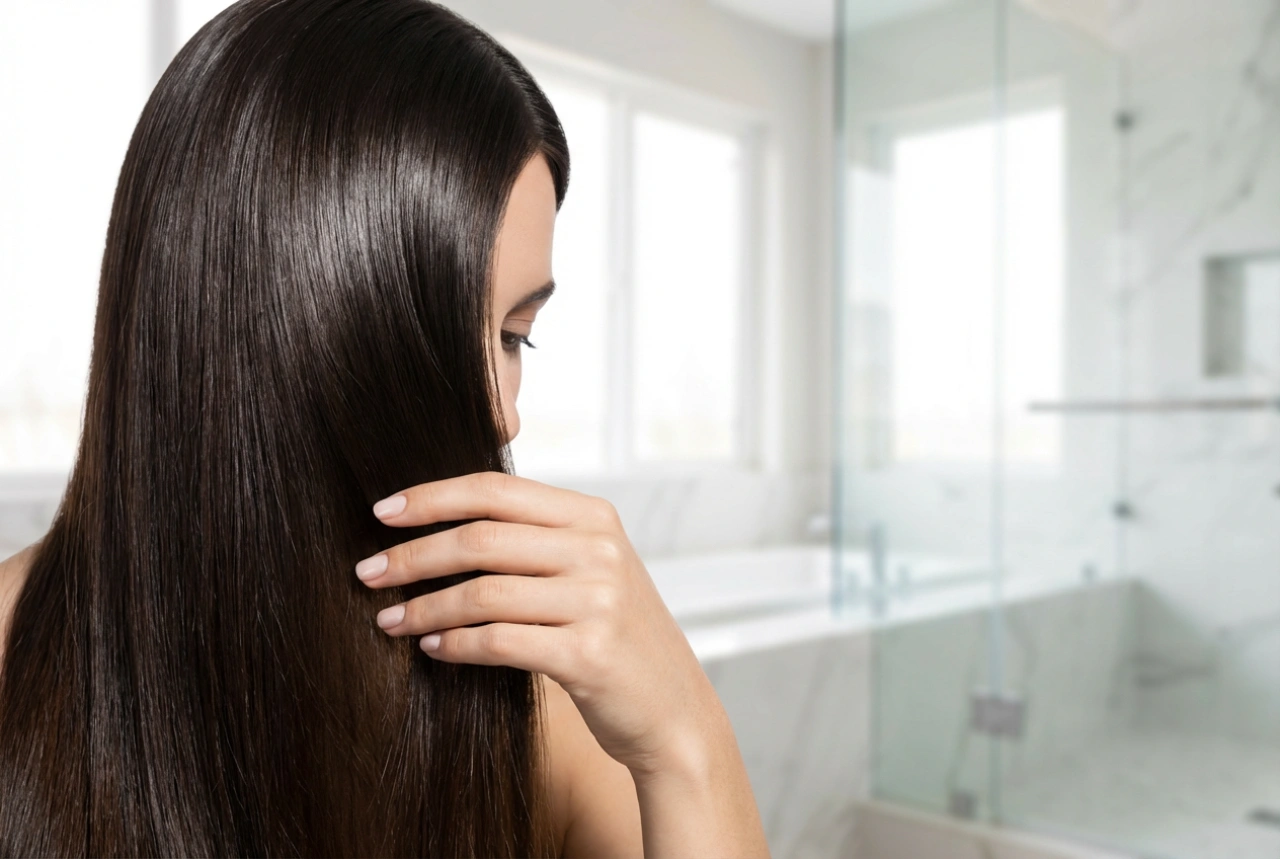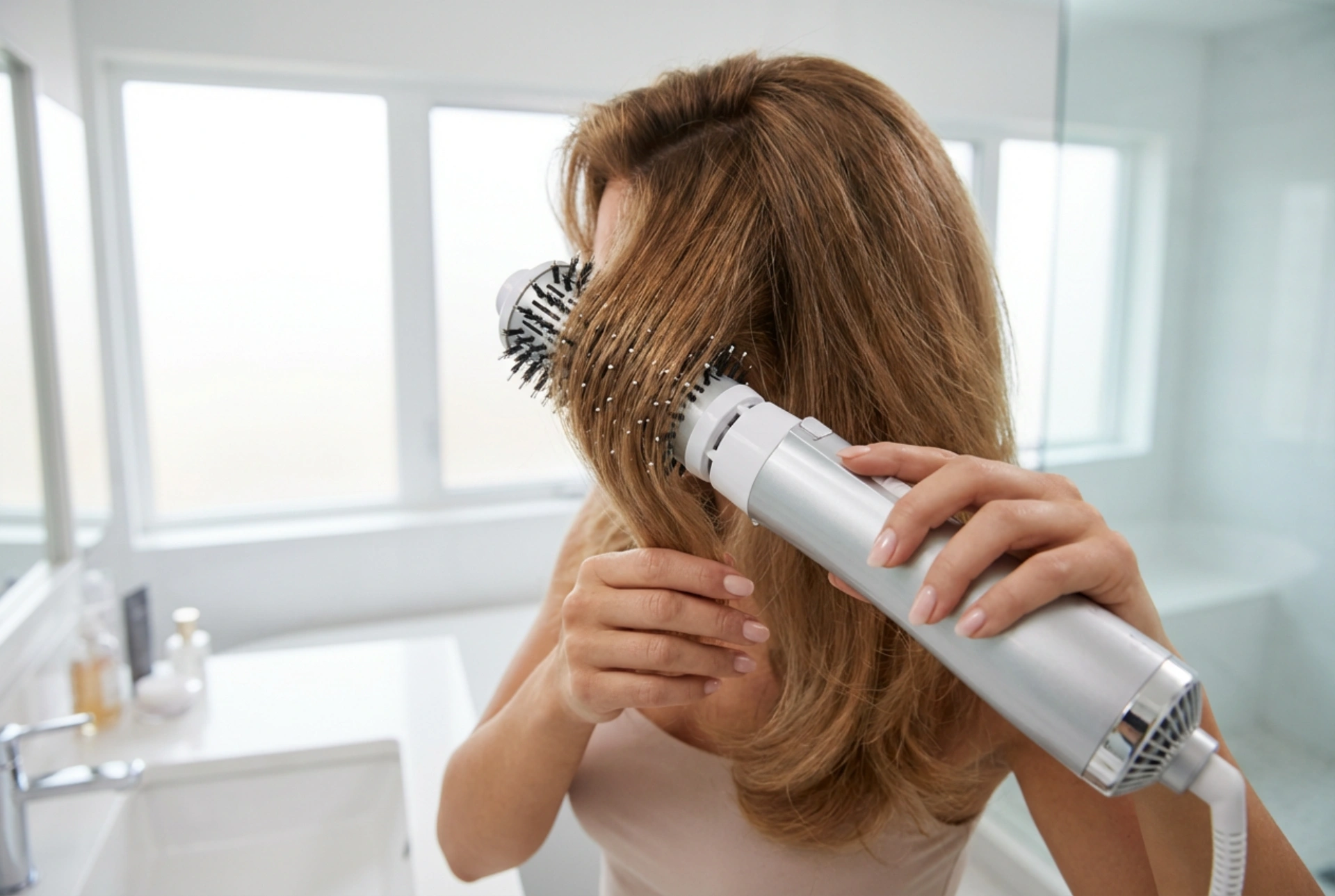


Achieving a salon-quality blowout at home can often feel like an intricate coordination test, requiring a high level of dexterity to balance a heavy hair dryer in one hand and a round brush in the other. Fortunately, the rotating hair dryer brush has transformed this daily ritual into an effortless, luxurious experience. By gently guiding a sleek rotating brush through sections of lustrous hair under the soft morning light of your vanity, you can achieve remarkable volume, smooth movement, and a professional-looking finish with minimal fuss. This all-in-one tool combines the power of hot air with a motorised barrel, making it easier than ever to enjoy bouncy, healthy-looking locks every day.
Understanding the Mechanics of a Rotating Hair Dryer Brush
A rotating hair dryer brush is designed to mimic the technique used by professional stylists. It features a heated barrel that emits a controlled stream of warm air while automatically spinning at a steady pace. This dual action dries the hair while simultaneously smoothing the cuticle and shaping the ends. Unlike traditional curling tongs or straighteners, which press the hair between hot plates, the rotating brush uses air flow and soft bristles, reducing direct contact heat and leaving the hair with natural-looking bounce and volume.
The gentle rotation helps to tension the hair just enough to smooth out frizz without causing unnecessary breakage. Most models offer dual-direction rotation, allowing you to curl your hair inwards towards your face or outwards for a more breezy, modern look. Understanding how to harness this motion is the first step toward flawless styling.
Step-by-Step Styling for Maximum Volume and Smoothness
To get the best results from your styling tool, a methodical approach is key. Rushing the process or using the brush on unprepared hair can lead to flat, lifeless results or, worse, tangles. Follow these steps to ensure a sleek, voluminous finish every time.
1. Preparation and Pre-Drying
Never use a rotating hair dryer brush on soaking wet hair. The motor and bristles are designed to shape and polish, not to dry dripping wet locks. Start by washing your hair with a lightweight, volumising shampoo and conditioner. Gently towel-dry your hair, squeezing out excess moisture without rubbing vigorously, which can rough up the hair cuticle. Next, use a standard hair dryer or let your hair air-dry until it is roughly seventy to eighty per cent dry. It should feel damp to the touch but not wet.
2. Apply a Heat Protectant
Even though a rotating brush is gentler than hot irons, heat styling always requires protection. Distribute a lightweight heat-protecting spray or serum evenly through your damp hair, paying special attention to the mid-lengths and ends. This creates an invisible barrier that locks in moisture and prevents heat-induced dryness, keeping your hair looking lustrous and vibrant.
3. Section Your Hair
For a smooth and uniform blowout, sectioning is vital. Divide your hair into at least three or four main sections: the bottom layer, the middle layer, and the crown. Secure these sections with hair clips. Working with smaller, manageable sections allows the brush to distribute heat evenly and ensures that every strand gets styled from root to tip.
4. Guiding the Brush Through the Hair
Release a section of hair that is no wider than the brush barrel itself. Place the rotating brush close to the roots, beneath the section of hair. Turn on the rotation in the desired direction. Let the brush glide slowly down toward the ends, keeping a gentle tension on the hair. To create lift at the root, hold the brush at the base of the hair section for a few seconds before moving downwards. When you reach the ends, let the brush spin for a brief moment to create a polished, rounded flick, then gently release.
Common Mistakes to Avoid
While the rotating hair dryer brush is highly intuitive, certain common errors can hinder your results or lead to frustration. Being aware of these pitfalls will help you get the most out of your styling routine.
Working with Excessively Wet Hair
As mentioned, attempting to style soaking wet hair will not only take a very long time but can also stretch and weaken the hair shaft. Because wet hair is highly vulnerable, the mechanical rotation can cause breakage. Always ensure your hair is mostly dry before introducing the rotating brush.
Using Too Much Hair in One Section
Taking sections that are too thick or too wide is a recipe for tangles. If the hair layer is too thick, the heat cannot penetrate to the centre, leaving it damp and frizzy, while the outer layer becomes over-styled. Keep your sections clean and matching the width of your brush head.
Incorrect Rotation Direction
Choosing the wrong rotation direction can pull the hair awkwardly or create unnatural kinks. As a general rule, the brush should rotate away from your face to create an open, volumised look. Take your time to practice with the buttons on a low speed setting until you feel comfortable with the direction of the spin.
Neglecting the Cool Shot Function
Many users overlook the cold air setting, but it is the secret to a long-lasting blowout. Heat shapes the hair, but cool air sets the style in place. Once you have finished styling a section, run the brush through it once more on the cool setting to lock in the shape, bounce, and shine.
Caring for Your Tool and Hair
To maintain the performance of your rotating brush and protect your hair over time, clean the bristles regularly to remove any trapped hairs and product build-up. Store the tool in a clean, dry place where the bristles won't be bent or damaged. By combining proper technique, heat protection, and regular maintenance, you can enjoy a perfect, salon-worthy finish right in the comfort of your own home.