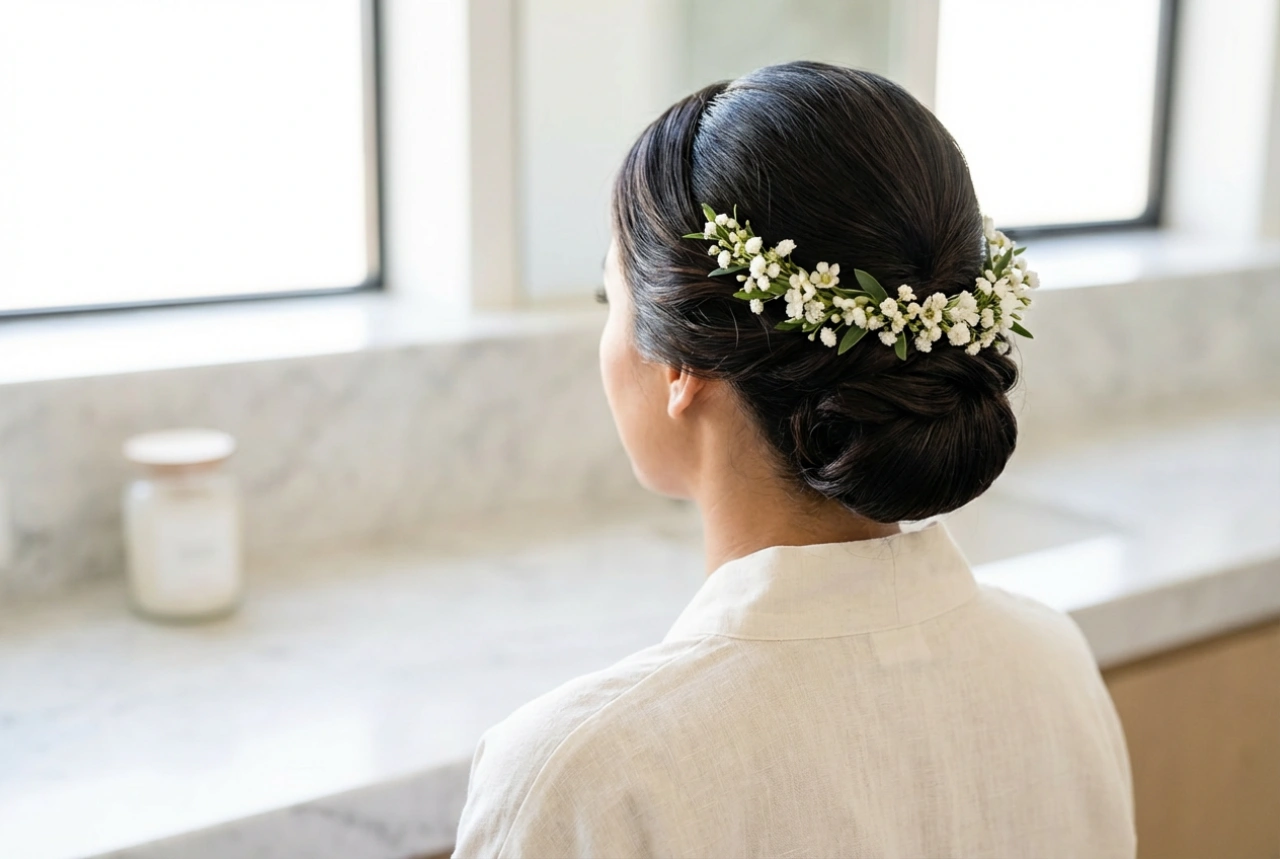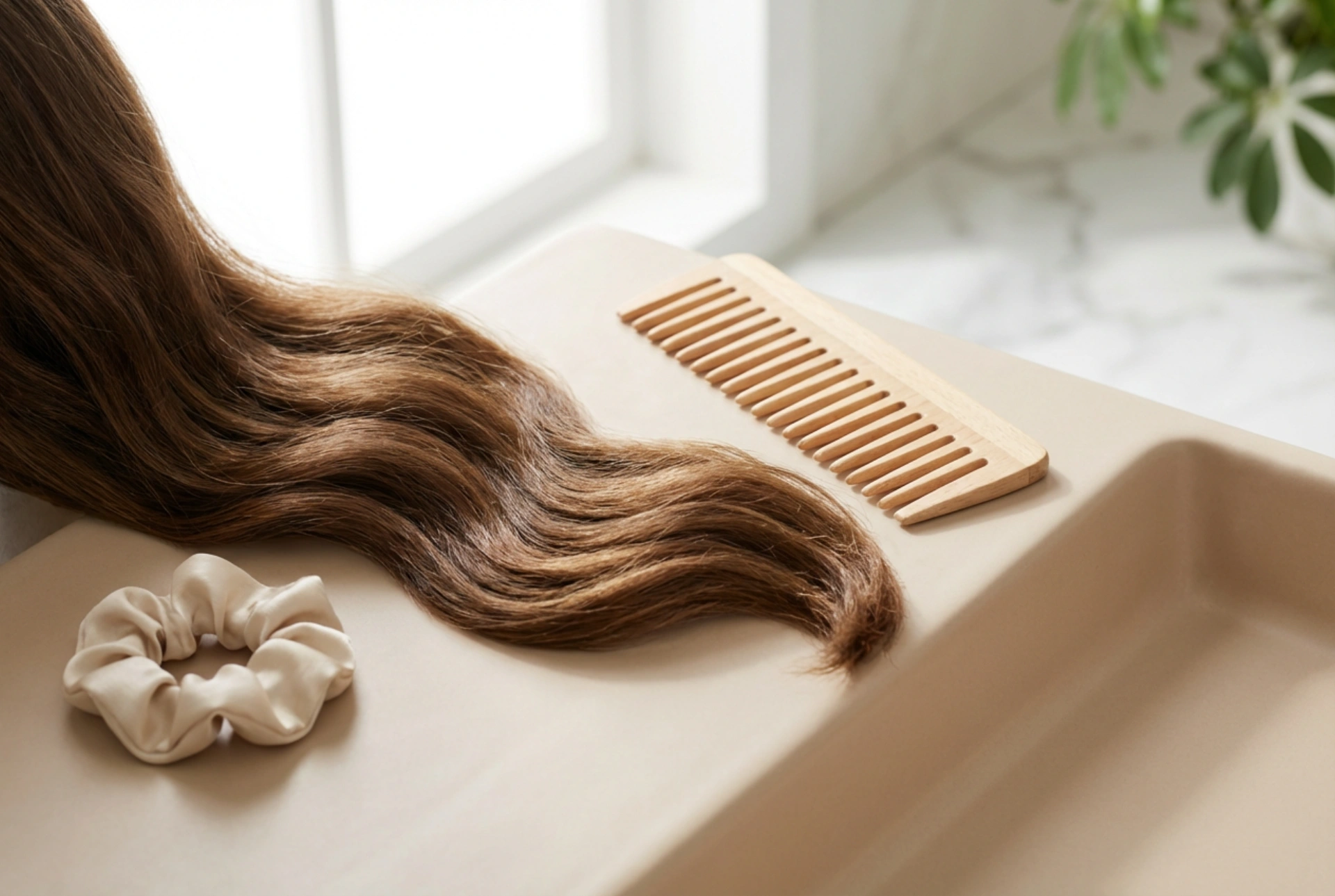


There is an undeniable elegance in naturally wavy, lustrous hair that cascades effortlessly. Achieving this soft, textured look does not require harsh chemical treatments or excessive heat damage. In fact, some of the most beautiful, bouncy waves can be created using gentle styling techniques and minimalist tools that preserve the hair's natural moisture and shine. By choosing the right accessories, such as a wide-tooth comb and a fabric scrunchie, you can enhance your hair's natural movement and enjoy defined waves that last throughout the day.
Natural Methods for Heatless Waves
Creating waves without heat is one of the best ways to protect your hair from dryness and split ends. Heatless techniques rely on patience and the natural drying process to set the hair into beautiful, soft curves. These methods are best performed on damp, freshly washed hair that has been allowed to air-dry slightly.
The Classic Overnight Braid
One of the simplest ways to achieve consistent waves is by braiding damp hair before sleep. For loose, beachy waves, a single loose French braid or a standard three-strand braid works beautifully. If you prefer tighter, more defined crimps, parting the hair down the middle and creating two braids will yield excellent results. Securing the ends with a soft fabric scrunchie prevents crimping marks and reduces friction-induced frizz during the night.
The Soft Bun Technique
For large, voluminous waves with plenty of movement, the twist-and-bun method is highly effective. Gather your damp hair into a high ponytail, twist it gently around itself to form a loose bun, and secure it with a silk or satin scrunchie. This method lifts the roots, providing natural volume at the crown while creating elegant, looping waves through the lengths.
The Headband and Rag Rolling Methods
For more structured, retro-style waves, wrapping sections of damp hair around a soft fabric headband or strips of clean cotton fabric can produce stunning results. This traditional technique is incredibly gentle on the hair shaft, allowing the strands to dry gradually into smooth, bouncy curls without any heat exposure.
Essential, Gentle Tools for Styling Waves
To style and maintain waves successfully, you do not need an array of complicated electrical appliances. A minimalist selection of high-quality, gentle tools is all that is required to shape and define your locks.
- The Wide-Tooth Comb: Unlike fine-toothed brushes that can break up the wave pattern and create excess frizz, a wide-tooth comb is perfect for detangling wet or dry wavy hair. It separates the strands gently, maintaining the integrity of the wave clumps.
- A Fabric Scrunchie: Traditional elastic bands can cause tension, breakage, and unsightly creases in the hair. A soft fabric scrunchie, preferably made from silk or satin, secures the hair gently during heatless styling and prevents damage.
- A Microfibre Towel: Standard cotton towels can be abrasive to the hair cuticle, leading to frizz and loss of definition. Gently blotting the hair with a microfibre towel or an old cotton T-shirt helps retain natural moisture and encourages wave formation.
- A Diffuser Attachment: If you must use a hairdryer, attaching a diffuser and using a low-heat, low-speed setting is essential. The diffuser distributes the airflow evenly, mimicking natural air-drying while adding volume and reducing frizz.
Preparing Your Hair: The Key to Definition
The success of any wavy hairstyle depends heavily on how the hair is prepared. Proper hydration is the foundation of defined, frizz-free waves. Hair that lacks moisture will naturally seek humidity from the air, causing the hair shaft to swell and lose its styled shape.
Begin with a gentle, hydrating shampoo that cleanses without stripping the natural oils. Follow with a nourishing conditioner, focusing primarily on the mid-lengths and ends. While the conditioner is still in your hair, use your wide-tooth comb to gently detangle any knots. This ensures that when you rinse the hair, the strands lie smoothly together, ready to form natural waves.
Once out of the shower, apply a lightweight, leave-in conditioner or a styling cream to damp hair. If your hair is naturally fine, look for lightweight formulas that provide hold without weighing the strands down. Scrunching the product into the hair from the ends upward encourages the natural wave pattern to form immediately.
How to Enhance Longevity and Shine
Once you have achieved your desired waves, keeping them looking fresh and defined throughout the day requires a few clever techniques. The goal is to lock in the shape while keeping the hair touchably soft and natural.
Instead of heavy, alcohol-based hairsprays that leave the hair stiff and crunchy, opt for a lightweight, flexible-hold setting spray. This allows the waves to bounce naturally while offering resistance against humidity. A tiny drop of lightweight hair oil, such as argan or jojoba oil, smoothed over the surface of the dry waves can seal the cuticle, add a lustrous shine, and tame any flyaway hairs.
To preserve your waves for the second day, avoid brushing your hair with a standard hairbrush. Instead, use your fingers or a wide-tooth comb to gently reshape the waves. Sleeping on a silk or satin pillowcase is also highly beneficial, as it reduces friction and prevents the waves from tangling and flattening overnight.