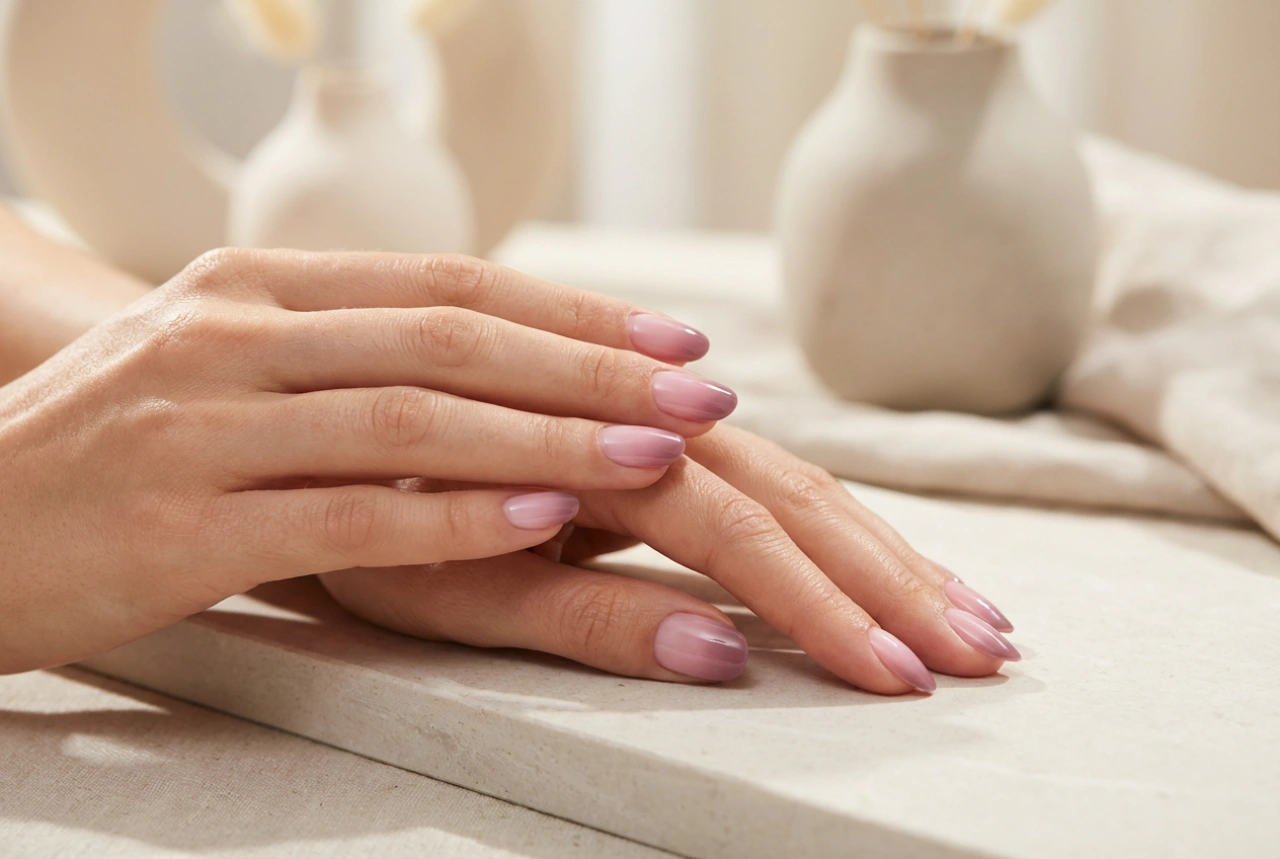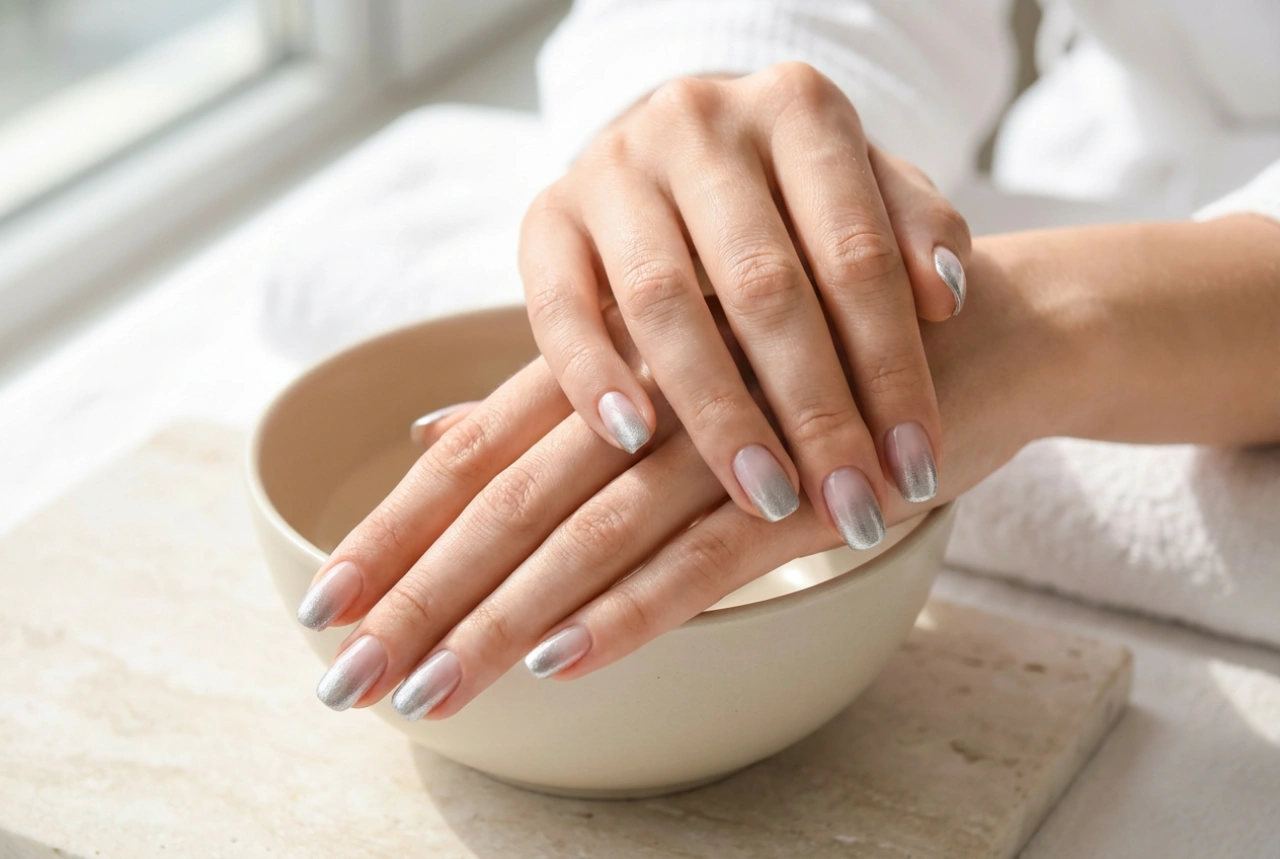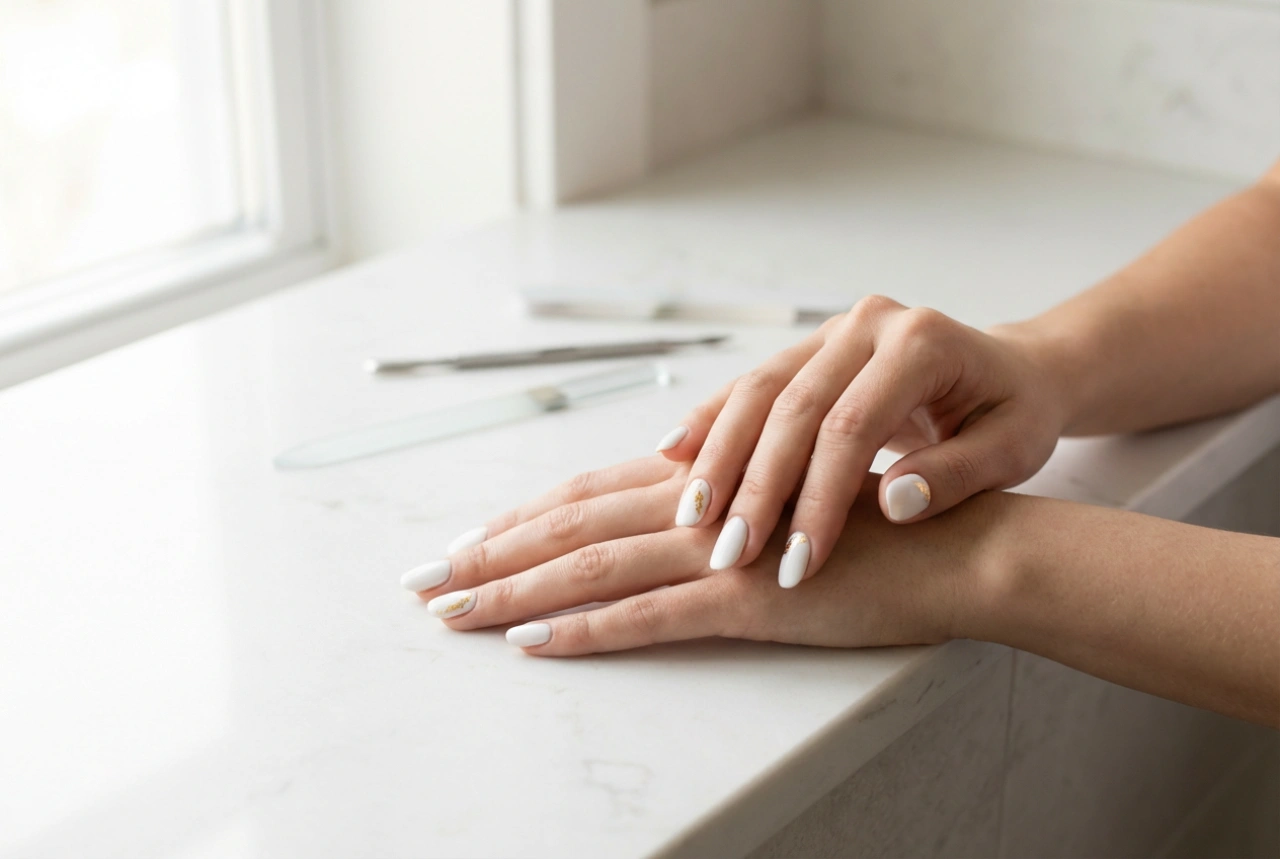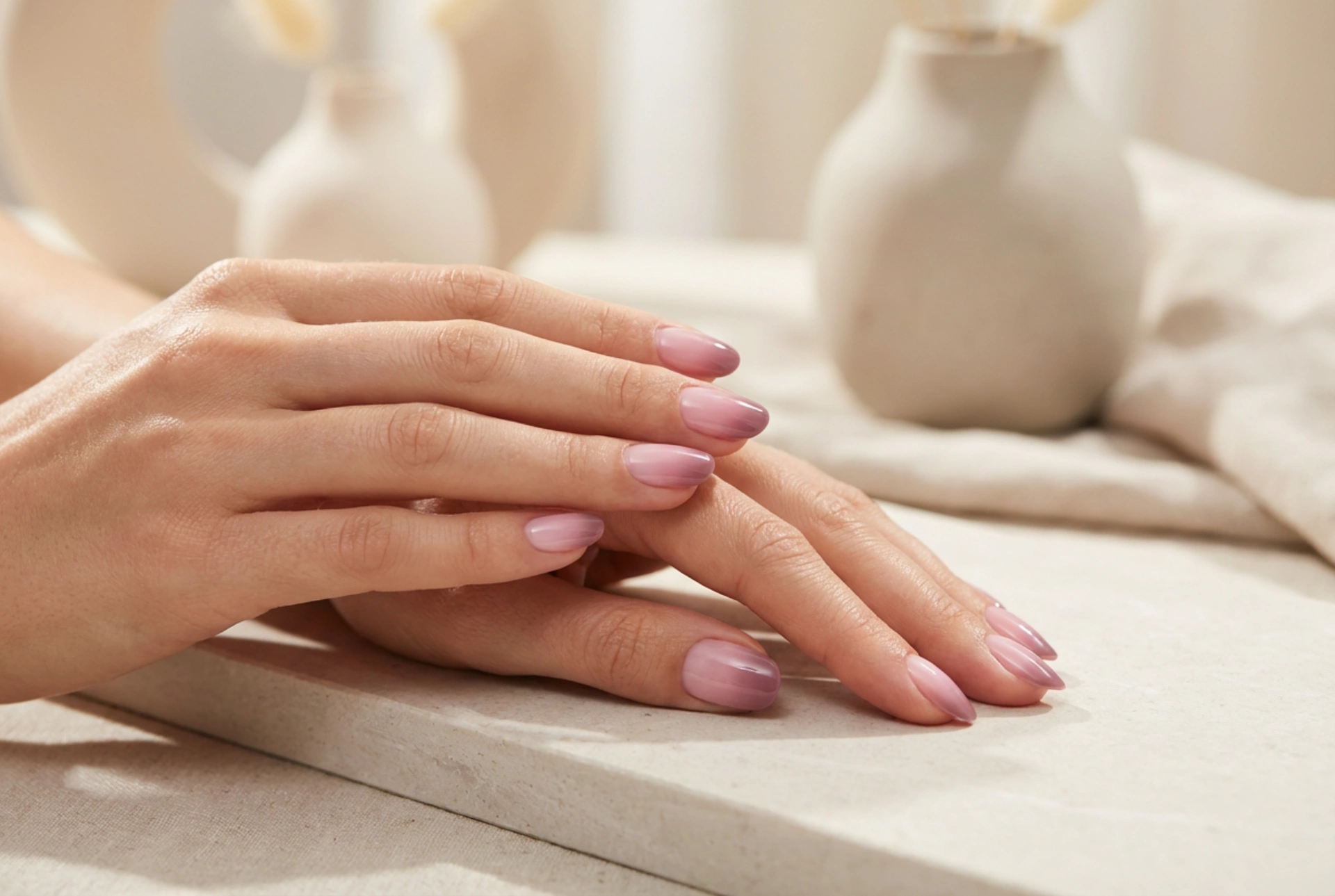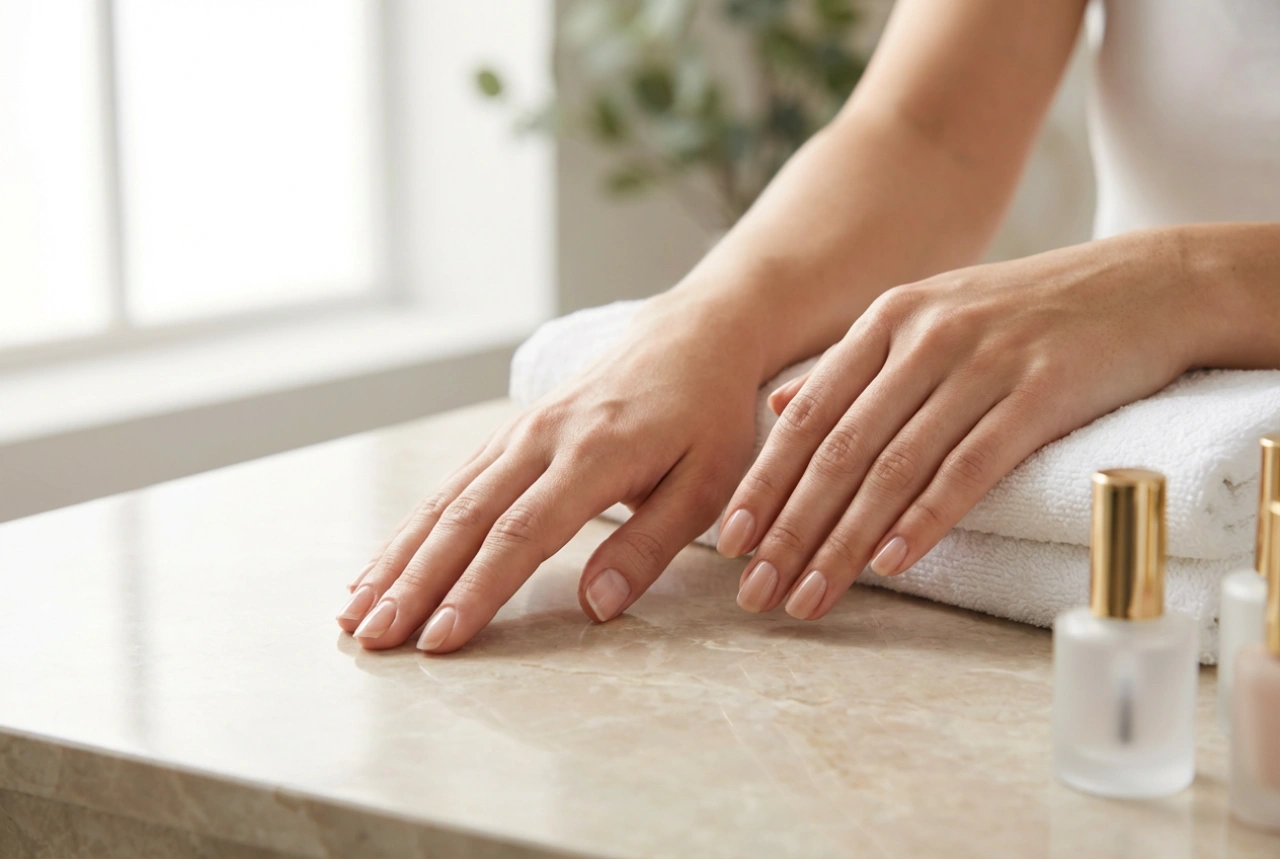


Beautifully manicured nails can bring a sense of elegance and confidence to your daily routine. As shown in minimalist beauty rituals, the process of applying polish should be a serene, mindful experience that prioritises the health of your hands. However, for those with sensitive skin or a tendency towards cosmetic sensitivities, standard gel polishes can sometimes lead to discomfort. Finding the right products and mastering a precise, clean application technique is key to enjoying a long-lasting manicure without compromising the wellbeing of your skin and nails.
Understanding Cosmetic Sensitivities in Nail Styling
Gel manicures have revolutionised the beauty industry, offering weeks of chip-free wear and a glossy finish. Despite their popularity, certain ingredients in traditional gel formulas can cause mild irritation or sensitisation over time. This reaction typically occurs when uncured gel comes into direct contact with the surrounding skin or cuticle area. Once the skin becomes sensitised to a particular cosmetic ingredient, even minor contact can trigger discomfort.
The most common culprits behind cosmetic sensitivities are certain types of acrylates, which are the binding agents that harden under a UV or LED lamp. In recent years, beauty manufacturers have developed gentler alternatives, often referred to as hypoallergenic or sensitive-friendly gel polishes. Understanding what goes into these bottles allows you to make informed decisions that protect your delicate hands while still enjoying the art of nail design.
Ingredients to Watch Out For
When selecting products for sensitive nails, reading the ingredient list is an essential step. Many modern, gentle formulas are formulated without specific compounds that are known to be sensitising. Here are the key elements to look out for:
- HEMA (Hydroxyethyl Methacrylate): This is one of the most widely discussed monomers in nail care. While it helps the polish adhere and cure efficiently, its small molecular size means it can easily penetrate the skin barrier if misapplied. Opting for HEMA-free formulas is highly recommended for sensitive individuals.
- HPMA (Hydroxypropyl Methacrylate): Similar to HEMA, this ingredient can sometimes cause mild skin sensitivity. High-quality, gentle gel systems often minimise or entirely replace this compound with larger, safer molecules.
- Formaldehyde and Formaldehyde Resin: Though less common in modern gels, these traditional hardening agents can be highly irritating to sensitive skin types.
- Toluene and Dibutyl Phthalate (DBP): These solvents are widely excluded from modern 'free-from' formulas due to their harsh nature. Selecting a polish labelled as 9-free or 12-free ensures the exclusion of these unwanted substances.
Step-by-Step Safe Application Technique
The way you apply gel polish is just as important as the formula you choose. Even the gentlest hypoallergenic gel can cause a reaction if it is allowed to flood the cuticles or remain uncured on the skin. Achieving a clean, precise application is the best way to safeguard your hands.
1. Meticulous Preparation
Begin by gently pushing back the cuticles using a clean, sterile tool. Avoid cutting the cuticles aggressively, as this breaks the natural protective barrier of the skin, making it more vulnerable to irritation. Lightly buff the nail plate to remove natural oils, and cleanse the surface with a gentle dehydrating solution using a lint-free wipe.
2. Precise Product Control
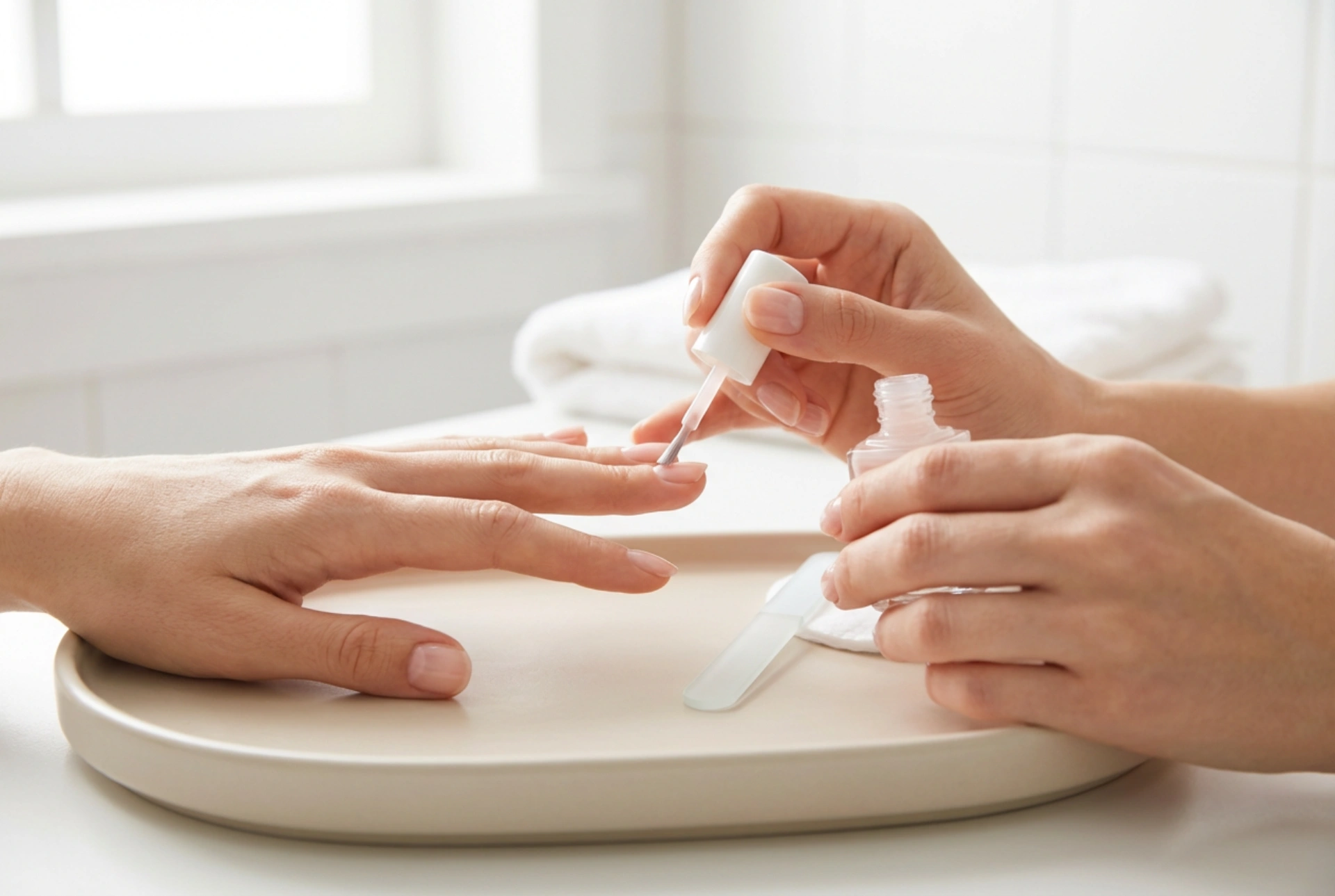
When applying the base coat, colour, and top coat, always wipe excess product off the brush before it touches your nail. Apply very thin, even layers. Keep a safe distance of approximately one millimetre away from the cuticle line and side walls. If any wet polish accidentally touches your skin, wipe it off immediately with a clean wooden stick dipped in cleanser before curing.
3. Thorough Curing
Incomplete curing is a major cause of cosmetic skin sensitivity. Uncured gel contains active monomers that can easily migrate into the skin. Ensure your LED or UV lamp is of high quality, clean, and compatible with the specific brand of polish you are using. Always cure for the full recommended time, and do not remove your hands from the lamp prematurely.
Gentle Gel Removal Without Damage
The removal process can sometimes be harsh on sensitive nails and the surrounding skin, especially when using strong solvents like pure acetone. To minimise dryness and irritation, apply a rich cuticle oil or a thin layer of barrier cream to the skin around your nails before starting the removal process. This simple step protects the skin from the drying effects of the remover.
Gently buff the top layer of the gel to break the seal, then apply soaked cotton pads directly onto the nail plate, wrapping them in foil. Allow the product to soften naturally without rushing. Once softened, use a gentle wooden manicure stick to slide the gel off. Never scrape or force the product off, as this can strip the delicate layers of your natural nail plate.
Caring for Your Hands Post-Manicure
After completing your manicure and safely washing your hands, it is vital to restore lost moisture. Use a fragrance-free, deeply hydrating hand cream and a nourishing cuticle oil. Look for natural, soothing ingredients like jojoba oil, sweet almond oil, and shea butter. Regularly moisturising your hands keeps the skin barrier strong, resilient, and less susceptible to external irritants, ensuring your manicure looks pristine and feels comfortable day after day.