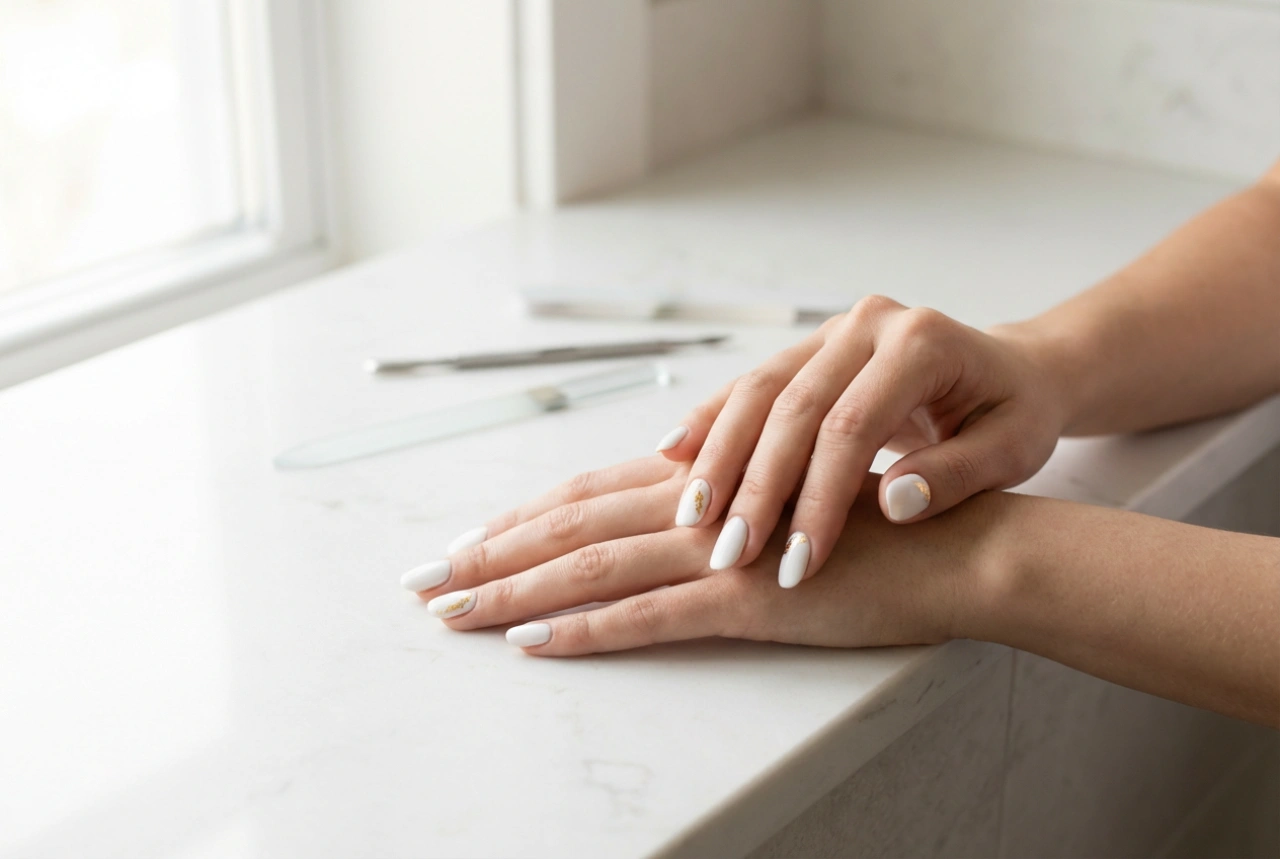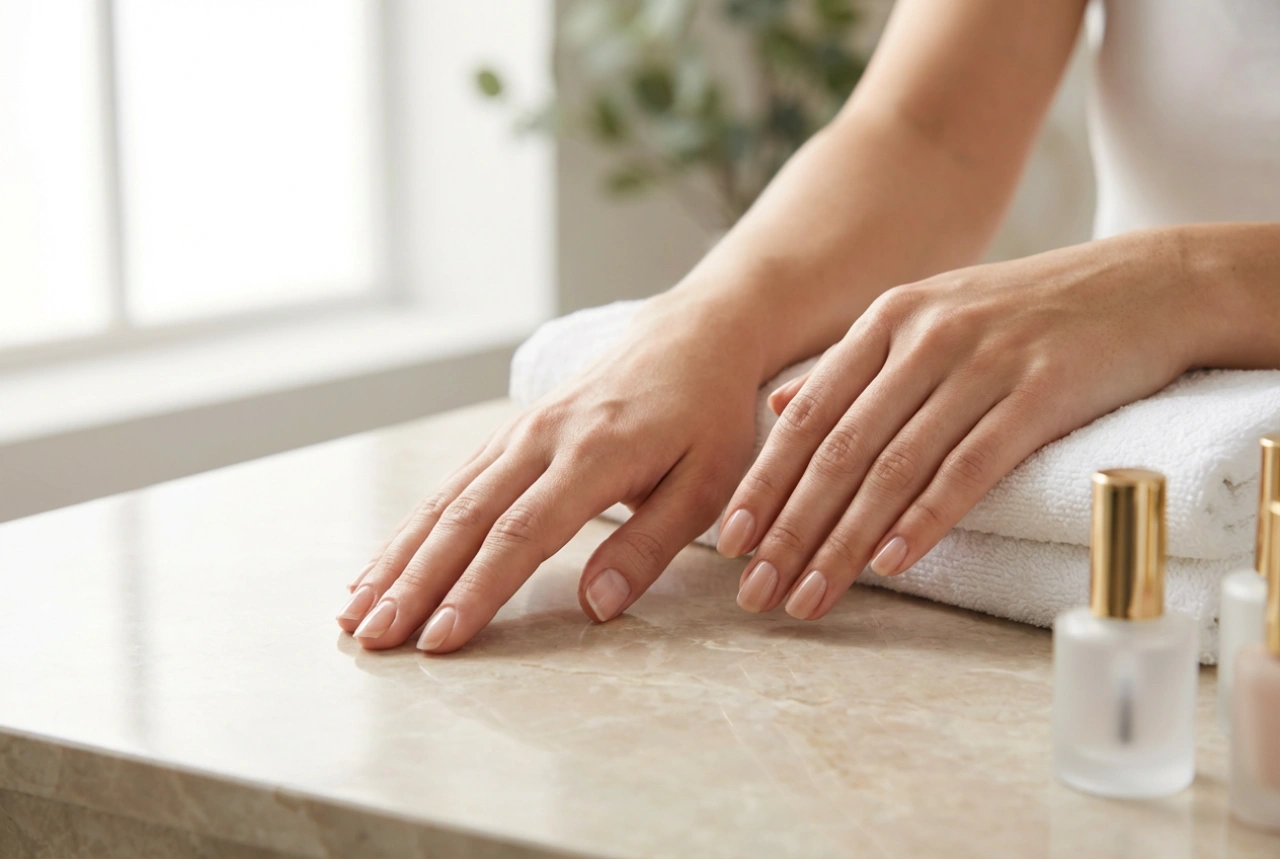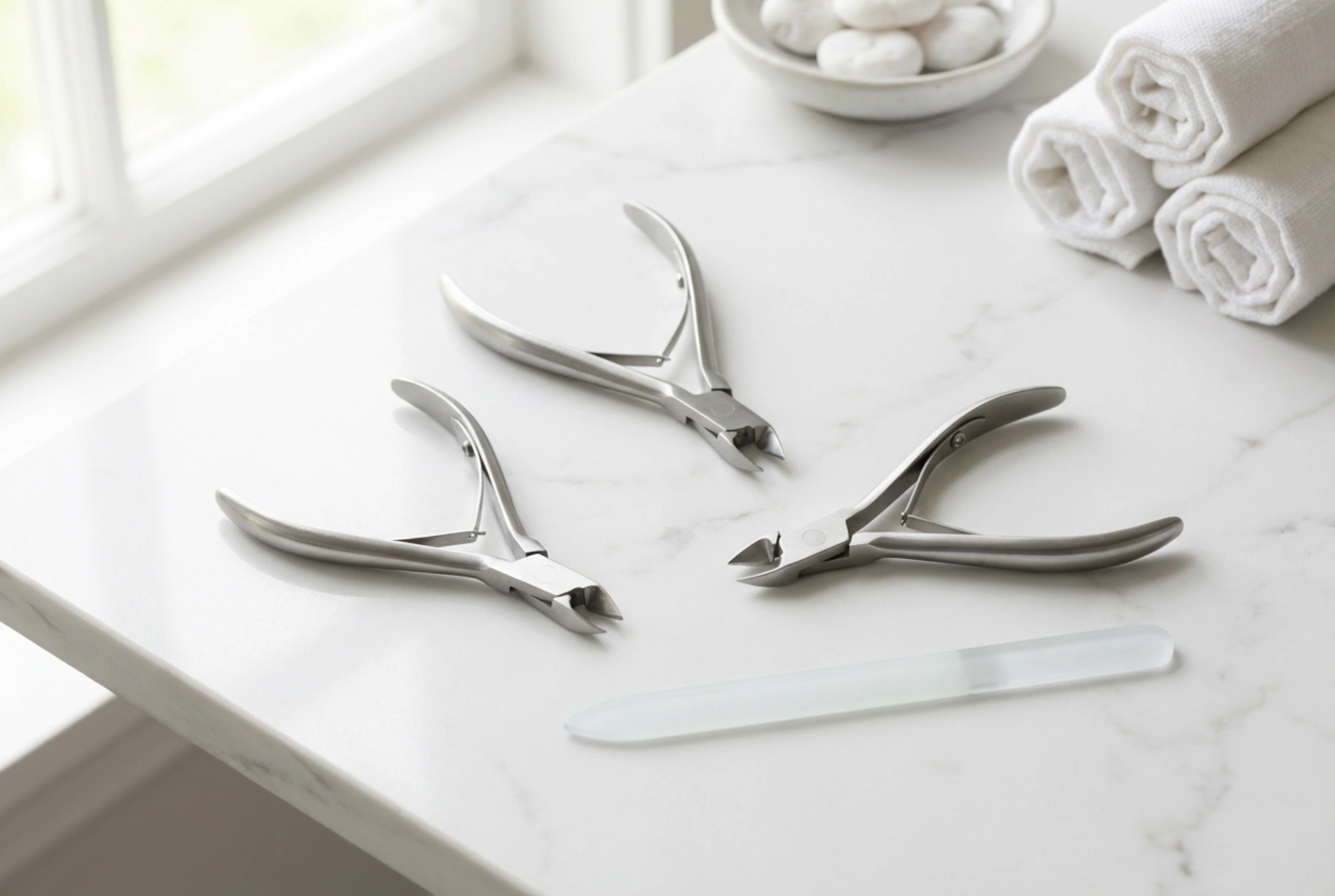


Achieving a professional-looking manicure at home starts with selecting the right tools, much like the sleek, minimalist nail nippers and files arranged on a pristine marble surface. A well-curated nail clipper set is the foundation of any hand and foot care routine. Keeping your nails neatly shortened is not just about aesthetics; it is a fundamental part of maintaining personal grooming and preventing snagged edges. Understanding the different types of nippers available and mastering the correct technique for shortening your nails ensures that your hands always look polished and elegant.
The Essential Components of a Nail Clipper Set
When looking at a classic nail grooming kit, you will find a variety of tools designed for specific tasks. While many people are familiar with standard lever-type clippers, high-quality sets often feature nail nippers. These tools resemble small pliers and offer superior control, leverage, and visibility when trimming. A comprehensive set typically includes heavy-duty nippers for tougher nails, delicate nippers for fine trimming, and a high-quality glass or sapphire nail file to smooth out the edges.
Choosing high-quality stainless steel tools is highly recommended. Stainless steel is durable, easy to clean, and retains its sharp edge for a long time. Investing in a proper set allows you to maintain the natural shape of your nails without causing splitting or peeling, which often happens when using dull or poor-quality instruments.
Understanding the Different Types of Nippers
Nail nippers come in various shapes and sizes, each tailored to a specific part of your manicure or pedicure routine. Using the correct tool for the job makes the process safer and much more efficient.
1. Classic Nail Nippers
These are robust tools designed to cut through thick or strong nails with ease. They typically feature a slightly curved blade that mimics the natural arch of the fingernail. The spring mechanism in the handle provides extra leverage, meaning you need to apply very little pressure to achieve a clean, straight cut. They are ideal for both fingernails and softer toenails.
2. Straight-Edge Toenail Nippers
Specifically designed for pedicures, these nippers have a straight, flat blade. When shortening toenails, it is crucial to cut them straight across rather than rounding the edges. A straight blade helps prevent the corners of the nail from pressing into the surrounding skin as they grow. These tools are sturdier and larger than standard fingernail nippers to handle the denser structure of toenails.
3. Cuticle Nippers
It is important to distinguish nail nippers from cuticle nippers. Cuticle nippers are much smaller, with incredibly fine, sharp blades designed solely for trimming loose hangnails and tidying up dead skin around the nail plate. They should never be used to cut the actual nail plate, as this will immediately dull and damage the delicate blades.
How to Shorten Nails Correctly: A Step-by-Step Guide
Shortening your nails might seem straightforward, but adopting the right technique prevents damage and ensures a smooth, long-lasting shape. Follow these steps for an optimal home manicure:
- Preparation: Start with clean, dry hands. While many believe cutting wet nails is easier, dry nails are actually less prone to bending and splitting during the clipping process.
- Position the Nipper: Hold the nail nipper comfortably in your hand. Instead of trying to cut the entire nail in one single clip, make several small, incremental cuts starting from one side of the nail and moving across to the other. This reduces pressure on the nail plate and prevents cracking.
- Follow the Natural Shape: For fingernails, aim for a soft oval or rounded square shape that mirrors the curve of your cuticle. For toenails, always cut straight across.
- Leave a Small Margin: Never cut the nails too close to the nail bed. Leave a tiny sliver of the free edge to protect the delicate skin underneath.
- File to Finish: Always use a nail file to smooth out any sharp corners or rough edges left by the nippers. File gently from the outer edge towards the centre of the nail in one direction. Avoid sawing back and forth, as this can weaken the nail layers.
Choosing the Right File to Complement Your Nippers
While nippers do the heavy lifting of shortening the nails, a file is essential for the finishing touches. Incorporating the correct file into your kit ensures that the edges of your nails are sealed and smooth. Glass files, also known as crystal files, are highly recommended for natural nails. They have an extremely fine grit that glides smoothly, preventing microscopic tears in the nail plate. Sapphire or metal files are very durable and excellent for shaping tougher nails or toenails, while classic emery boards are perfect for quick, gentle touch-ups during the week.
Caring for Your Grooming Tools
To ensure your nail clipper set lasts for years and performs perfectly every time, proper maintenance is essential. After each use, wipe down the blades of your nippers with a soft cloth dampened with rubbing alcohol to remove any natural oils or nail dust. Allow them to air dry completely before storing them in their protective case.
Keep your tools in a dry environment to prevent any potential corrosion, and ensure the protective caps are placed over the sharp tips of the nippers. Regularly check the alignment of the blades; if you notice they are becoming dull or do not meet perfectly, it may be time to have them professionally sharpened or replaced to maintain safe and clean cuts.