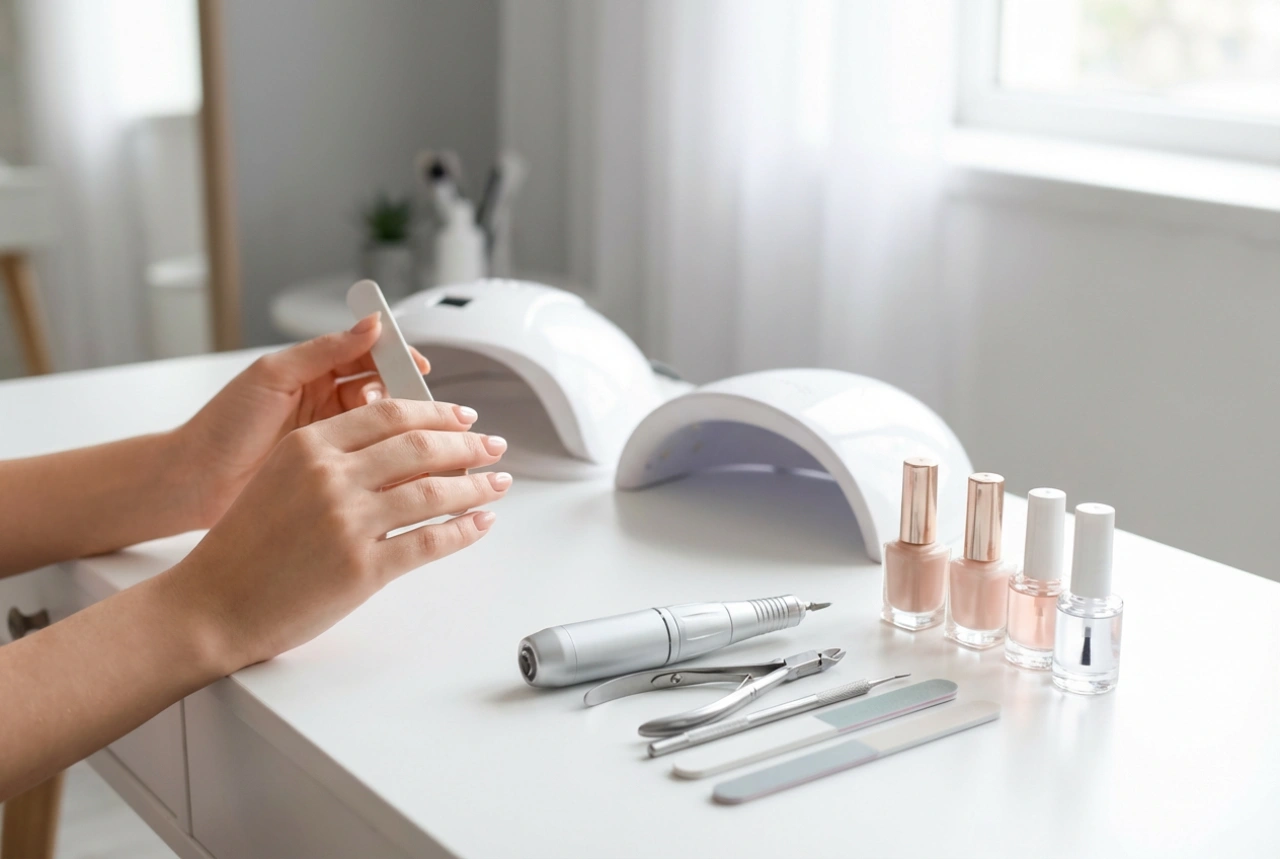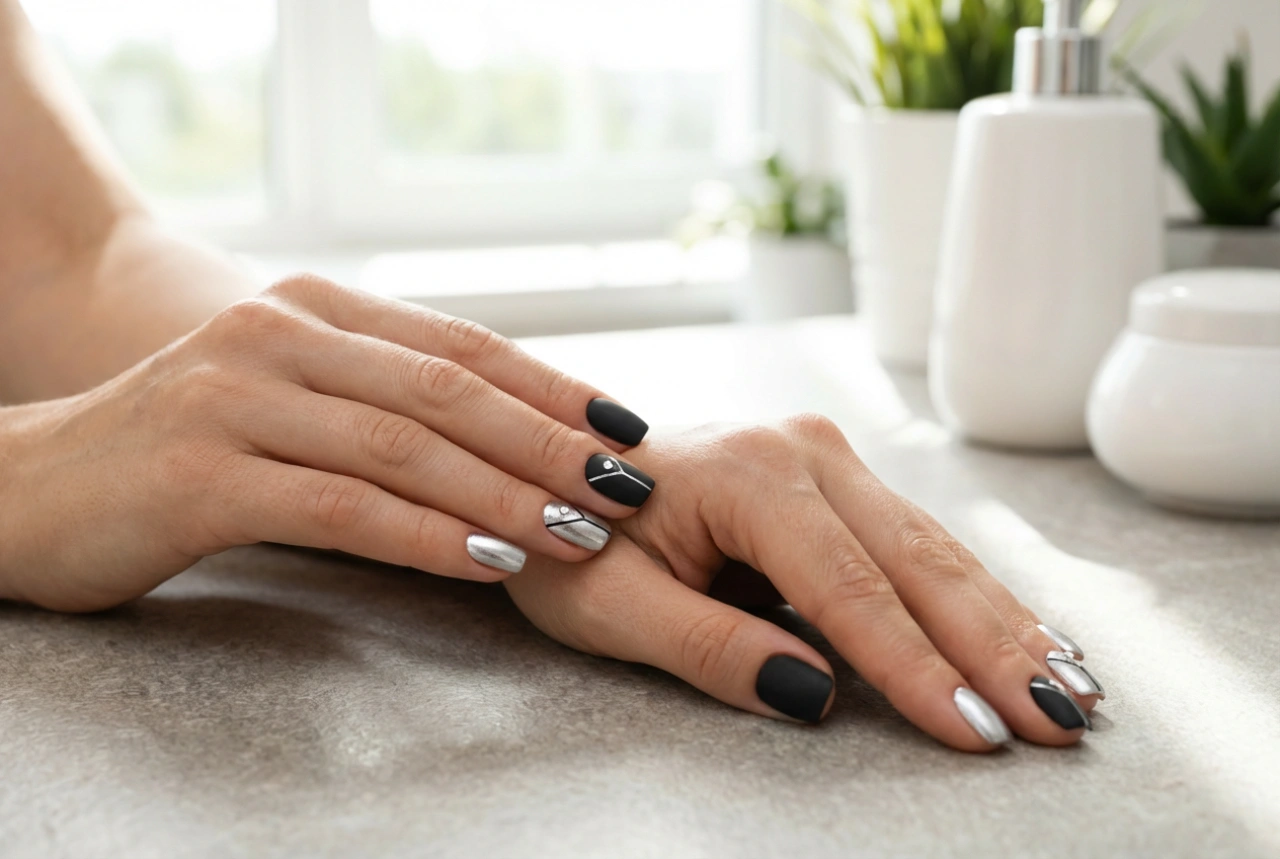


Achieving a salon-quality manicure at home depends heavily on the quality and suitability of your tools. Among the most fundamental is the nail file. While it may seem like a simple tool, choosing the right type and using it correctly is crucial for nail health and achieving a flawless finish. Opting for disposable files, in particular, elevates the hygiene of your routine, ensuring your nails are not only beautiful but also well-cared for. Understanding concepts like grit and proper technique can transform your manicure process from a simple chore into a protective and perfecting ritual.
Understanding Nail File Grit
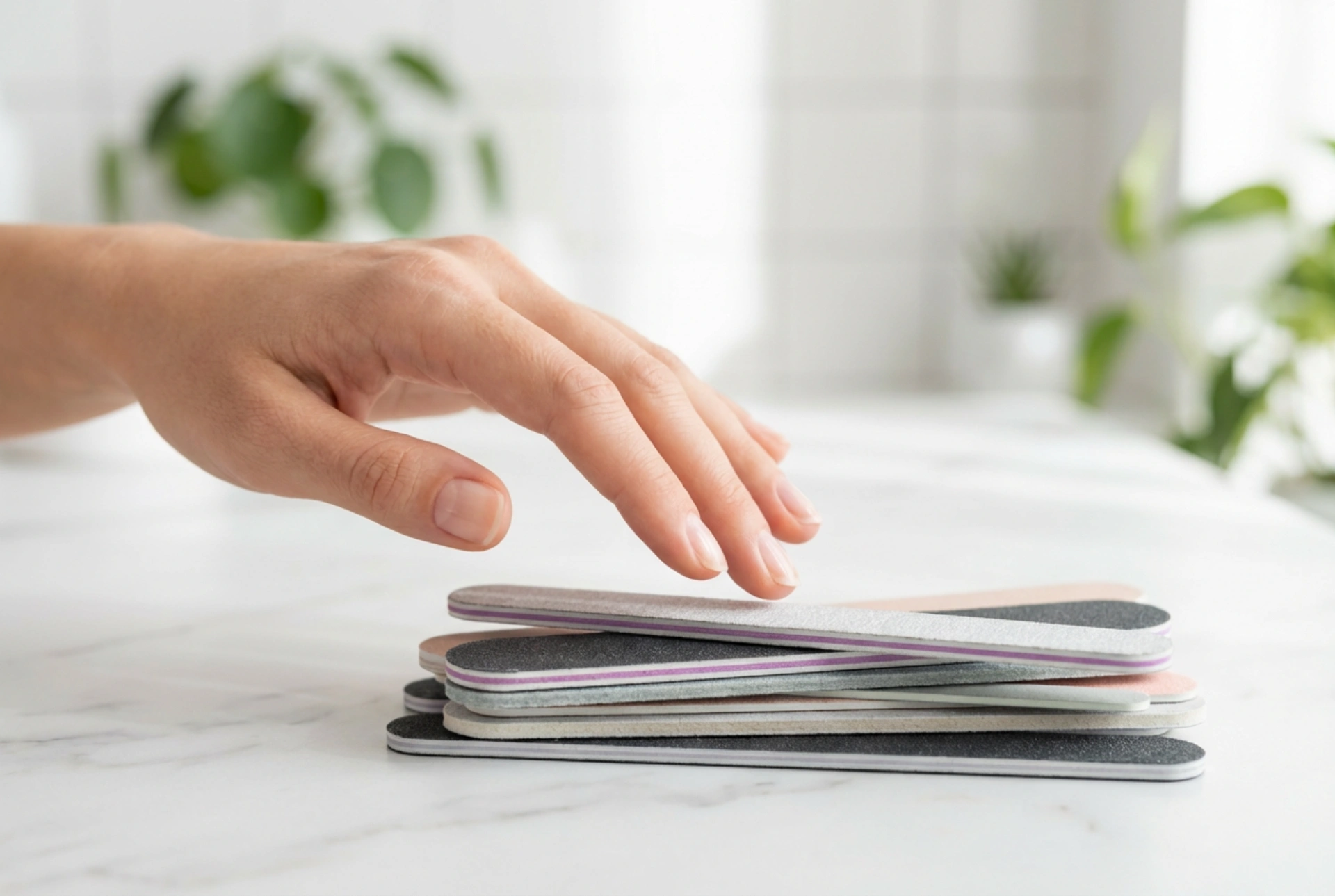
The term "grit" refers to the level of abrasiveness on the file's surface, indicated by a number. The principle is simple: the lower the number, the coarser the grit, and the more abrasive the file. Conversely, a higher number signifies a finer, gentler surface. Using a file with a grit that is too coarse for your natural nails can cause splitting, peeling, and damage. Disposable files often come in packs with various grits or are double-sided, offering different textures for different steps of your manicure.
- Coarse Grits (80-120): These files are very rough and are generally designed for shortening and shaping artificial nails like acrylics or gels. They are too aggressive for natural nails and should be avoided to prevent damage.
- Medium Grits (150-180): This is the most common and versatile range for natural nails. A 180-grit file is often considered the perfect standard for shaping the free edge of nails of average thickness and strength. It effectively shortens and shapes without being overly harsh.
- Fine Grits (220-400): Finer grits are excellent for gentle shaping, especially on thinner or more delicate nails. They are also perfect for the finishing step: smoothing the nail edge after shaping with a medium-grit file to seal it and prevent snags.
- Ultra-Fine Grits & Buffers (600+): These surfaces are not for shaping the nail's length. Instead, they are used to smooth ridges on the nail plate and create a high-gloss, natural shine. They should be used sparingly to avoid thinning the nail plate.
How to Choose and Use Files for a Flawless Manicure
Selecting the right file is only half the battle; using it correctly is equally important. For a typical home manicure on natural nails, a dual-sided file with 180 and 240 grit is an excellent and versatile choice. Start with the coarser side to define the shape and length, then switch to the finer side to smooth the edge.
Step-by-Step Filing Technique
- Start with Clean, Dry Nails: Filing wet nails can make them more prone to tearing and splitting. Always ensure your nails are completely dry before you begin shaping them.
- Choose Your Shape: Decide on your desired nail shape—be it square, oval, round, or squoval—before you start filing. This will help you maintain consistency across all nails.
- File in One Direction: This is the most important rule of filing. Avoid the common back-and-forth, sawing motion. Instead, place the file on one side of the nail edge and gently glide it towards the centre. Lift the file and return to the starting point to repeat the motion. Do the same on the other side. This technique prevents fraying and weakening of the nail layers.
- Be Gentle: Let the file do the work. Applying too much pressure can remove too much nail too quickly and create heat, which can be damaging. Use light, even strokes.
- Finish with a Finer Grit: After achieving your desired shape with a medium-grit file, lightly go over the edge with a fine-grit file (240 or higher) to seal the edge and remove any remaining roughness.
The Importance of Hygiene: Why Disposable is Best
Hygiene should be a top priority in any beauty routine. Traditional, reusable nail files are porous and can be difficult to clean and disinfect properly at home. They can trap moisture, skin cells, and bacteria, which can be transferred back to your nails and skin during subsequent uses. Disposable files offer a simple and effective solution. By using a fresh file for each manicure and discarding it afterwards, you eliminate the risk of contamination and ensure that your tools are always perfectly clean. This is especially important for maintaining the health of the skin around your nails and preventing any potential issues. Never share your nail files with anyone, even disposable ones, to maintain the highest standard of personal hygiene.