

The question of how often to wash your hair is a timeless debate in beauty circles. While some advocate for daily washing to maintain a feeling of freshness, others swear by stretching the time between washes for better hair health. The truth is, there is no single correct answer. The ideal frequency depends not on a universal rule, but on your individual needs, primarily dictated by your scalp type. Understanding your scalp is the first step towards creating a washing routine that leaves your hair looking and feeling its best.
Understanding Your Scalp: The Key to a Healthy Routine
Your scalp is skin, and just like the skin on your face, it produces a natural oil called sebum. Sebum's job is to moisturise the scalp and hair, keeping them protected and supple. However, the amount of sebum produced varies greatly from person to person, which is why identifying your scalp type is so crucial.
- Oily Scalp: If your hair looks greasy and feels limp by the end of the day or the morning after washing, you likely have an oily scalp. This is due to overactive sebaceous glands producing an excess of oil.
- Dry Scalp: A dry scalp often feels tight, itchy, and may even have small, dry flakes. It doesn't produce enough sebum, leaving both the scalp and hair feeling dehydrated and sometimes looking dull.
- Balanced Scalp: If you can comfortably go two to four days without your hair becoming overly greasy or your scalp feeling dry and tight, you probably have a balanced or 'normal' scalp. It produces just the right amount of sebum to keep everything in harmony.
Washing Frequency Guidelines for Each Scalp Type
Once you've identified your scalp type, you can tailor your washing schedule. Remember, these are guidelines, and you may need to adjust based on other factors like your hair texture and lifestyle.
For an Oily Scalp
Washing your hair daily or every other day is often beneficial for an oily scalp. While you might have heard that frequent washing encourages more oil production, leaving excess sebum, sweat, and daily grime on the scalp for too long can lead to discomfort and weighed-down roots. The key is to use a gentle shampoo that effectively cleanses without being harsh. Focus the lather on your scalp where the oil is concentrated, and let the suds run down to cleanse the ends as you rinse.
For a Dry Scalp
If you have a dry scalp, washing less frequently is the way to go. Aim for two to three times a week. Over-washing can strip the scalp of its precious natural oils, exacerbating dryness, itchiness, and flaking. Choose hydrating or moisturising shampoos and always follow up with a nourishing conditioner, concentrating it on the mid-lengths and ends of your hair. On non-wash days, you can simply rinse your hair with water if you feel the need to freshen up without using shampoo.
For a Balanced Scalp
Those with a balanced scalp have the most flexibility. Washing anywhere from two to four times a week usually works well. You can adjust your frequency based on your activities. For instance, you might want to wash your hair more often if you've been exercising or using a lot of styling products. Listen to your hair and scalp—wash it when it starts to feel like it needs it.
Signs You're Washing Too Much or Not Enough
Your scalp and hair will give you clear signals if your washing routine isn't quite right. Learning to read them can help you find the perfect balance.
Signs of overwashing include:
- A scalp that feels constantly tight, irritated, or itchy.
- Increased flakiness that resembles dandruff but is actually caused by dryness.
- Hair that appears dull, frizzy, and feels brittle or prone to breakage.
- In some cases, the scalp may overcompensate for being stripped of oils by producing even more sebum, making your hair greasy faster.
Signs of underwashing include:
- Noticeably greasy roots and hair that looks flat and stringy.
- An itchy or uncomfortable scalp due to the buildup of oil, dead skin cells, and product residue.
- Hair that feels heavy, sticky, or difficult to style.
Tips for an Effective and Gentle Hair Wash
How you wash your hair is just as important as how often. To maximize the benefits of your routine, incorporate these simple techniques:
- Use lukewarm water: Hot water can strip the scalp of natural oils and leave hair feeling dry, while very cold water may not effectively cleanse away oil and product.
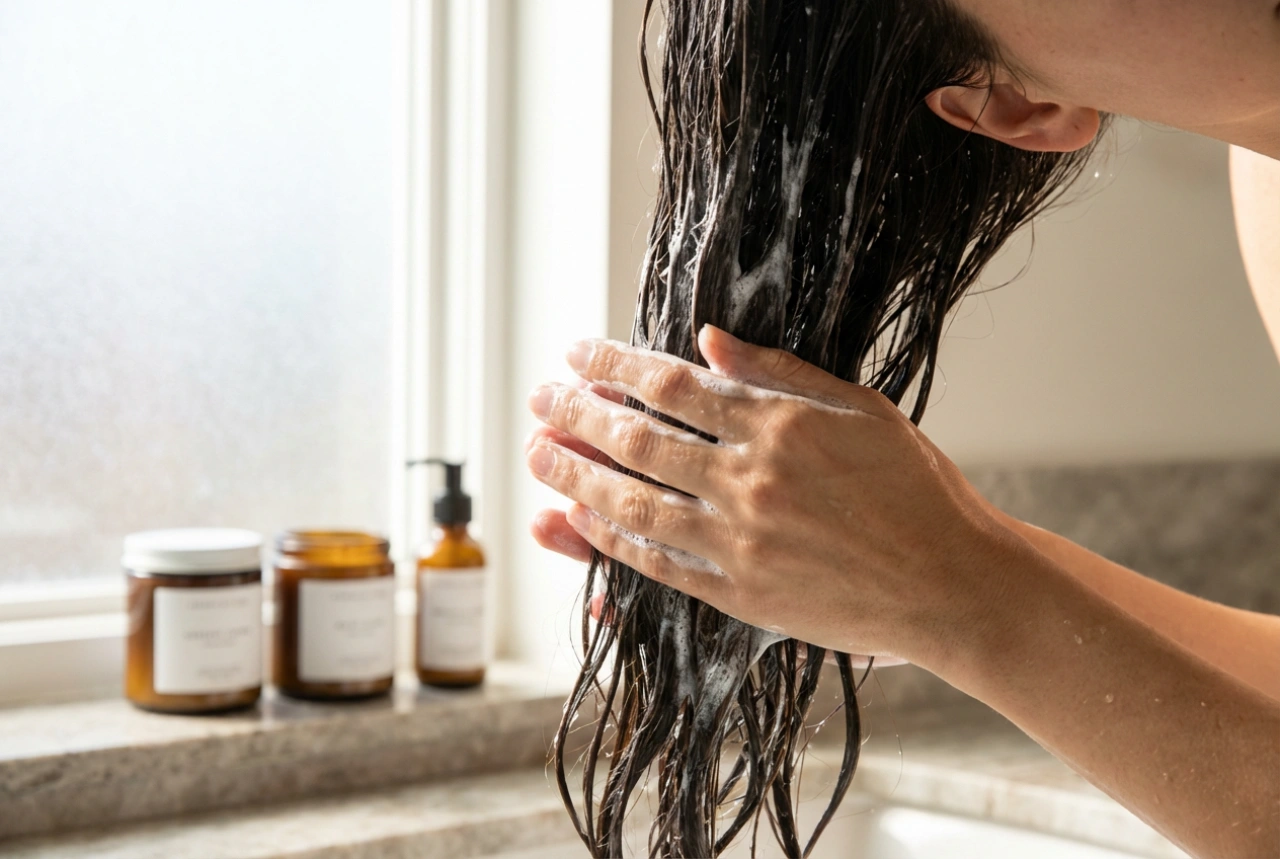
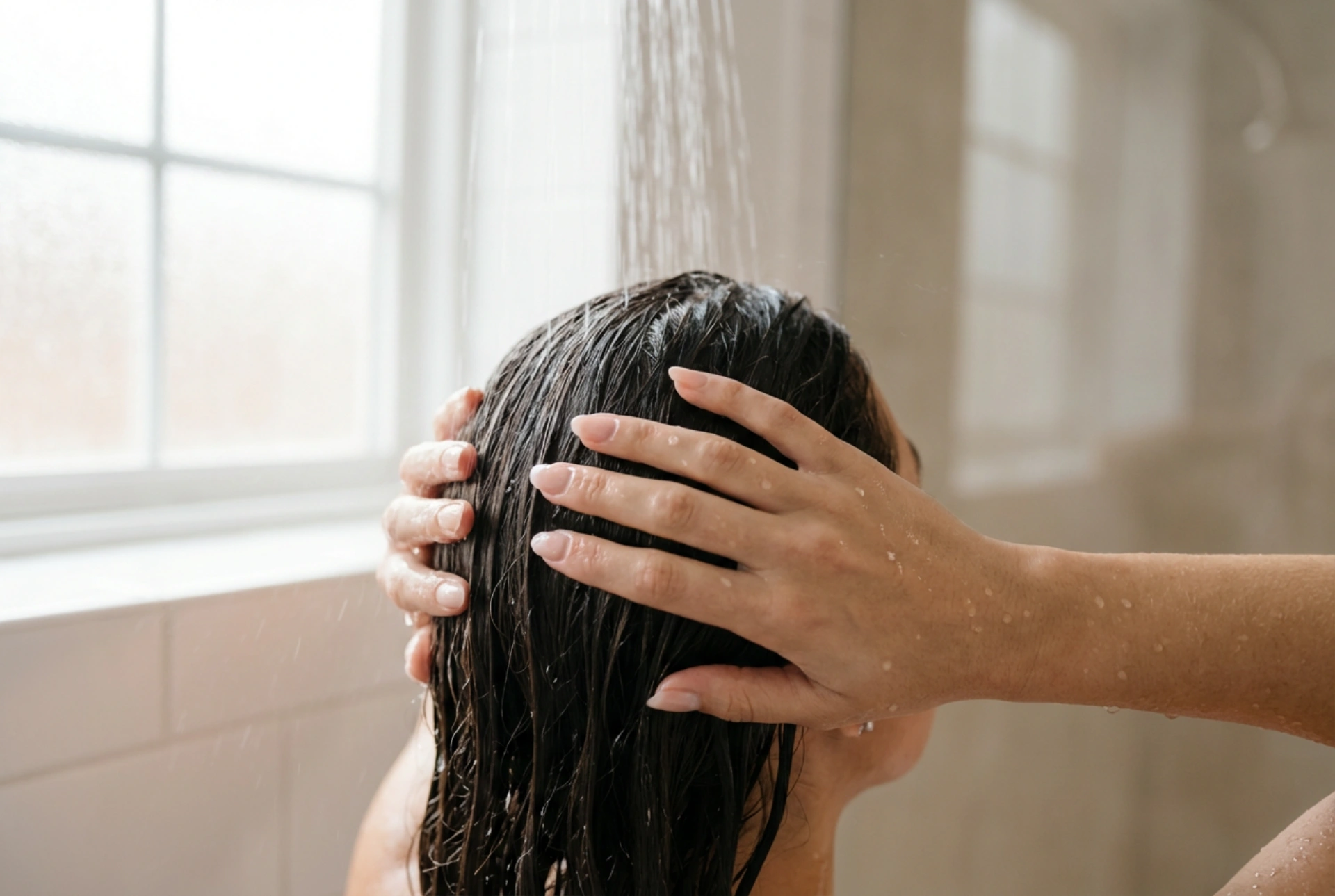
- Focus on the scalp: Apply shampoo directly to your scalp and massage it in gently with your fingertips (not your nails). The primary goal is to cleanse the skin where oil and dirt accumulate.
- Condition the ends: Apply conditioner mainly from the mid-lengths to the ends, as this is the oldest and typically driest part of your hair. Applying it near the roots can weigh hair down, especially if it's fine or oily.
- Rinse thoroughly: Ensure all traces of shampoo and conditioner are rinsed out. Leftover product can cause buildup, leading to dullness and scalp irritation.
- Consider alternatives: On days between washes, a good quality dry shampoo can help absorb excess oil at the roots, adding volume and extending the life of your style without stripping the hair.