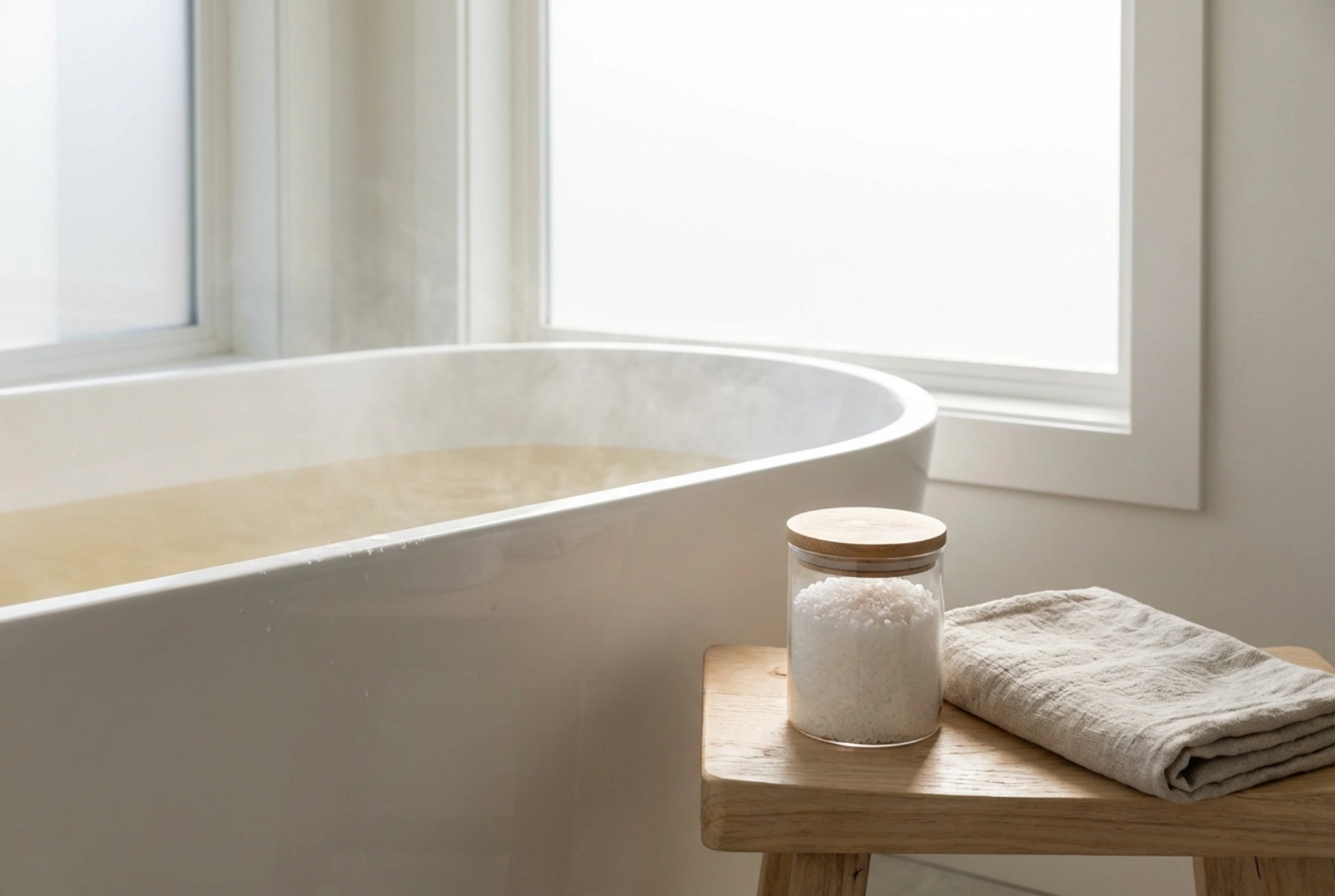


A warm bath is one of life's simplest yet most profound pleasures. It's a moment to pause, disconnect from the hustle and bustle, and tend to your own well-being. To elevate this ritual, many turn to a time-honoured ingredient: Epsom salt. Known for its ability to transform a simple soak into a deeply soothing experience, an Epsom salt bath is a wonderful way to unwind your body and mind. This guide will walk you through creating the perfect restorative bath, step by step.
What Exactly is Epsom Salt?
Despite its name, Epsom salt isn't like the salt you use in your kitchen. It's a naturally occurring mineral compound of magnesium and sulphate, first discovered in the waters of Epsom, England. For centuries, it has been a staple in homes for its use in baths, prized for creating a silky water texture that feels comforting on the skin. When dissolved in warm water, it creates a solution that invites relaxation. The focus of an Epsom salt bath is not on treating any condition, but on the holistic experience of self-care—the warmth of the water, the quiet solitude, and the feeling of dedicating time to yourself.
Your Step-by-Step Guide to the Perfect Epsom Salt Bath
Creating a serene and effective Epsom salt bath is easy, but a few details can make all the difference. Follow these steps to ensure a truly blissful soak.
Step 1: Measure the Salt
The general guideline is to use about 300 to 600 grams (roughly one to two cups) of Epsom salt for a standard-sized bathtub filled with water. If your tub is larger, you can adjust the amount accordingly. There's no need to be overly precise; the goal is to create a pleasantly mineral-rich soak.
Step 2: Dissolve It Properly
To ensure the salt dissolves completely and doesn't just sit at the bottom of the tub, add it directly under the running tap as the bath fills. The movement and warmth of the water will help it dissolve evenly. Swirl the water with your hand before getting in to make sure there are no gritty bits left.
Step 3: Get the Temperature Just Right
The ideal water temperature for a relaxing bath is warm, not scalding hot. A temperature that feels comfortable and soothing to the touch is perfect. Water that is too hot can be dehydrating and may leave your skin feeling tight and stripped of its natural oils. Aim for a temperature around 37-39°C (98-102°F), similar to your body temperature.
Step 4: Set a Calming Atmosphere
This ritual is as much for your mind as it is for your body. Dim the lights, light a few unscented candles (placed safely away from flammable materials), or use a soft lamp. Put on some gentle, instrumental music or simply enjoy the sound of silence. Leave your phone in another room to avoid distractions and fully immerse yourself in the moment.
Step 5: Soak and Relax
Once your bath is ready, step in and soak for about 15 to 20 minutes. This is the optimal amount of time to enjoy the warmth and the sensory experience without over-soaking your skin. Use this time to practise deep breathing, close your eyes, and let go of the day's tensions.
Step 6: Post-Bath Care
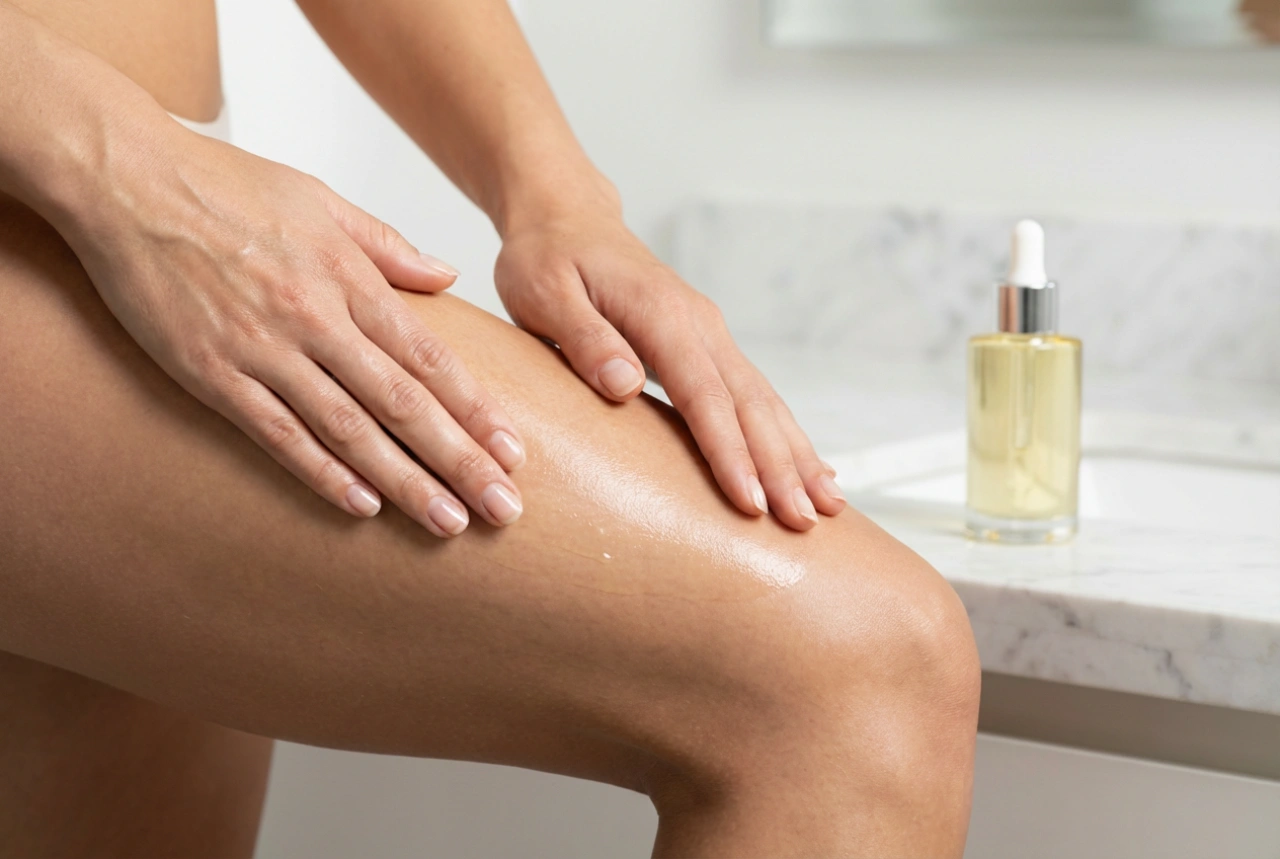
After your soak, it's a good idea to have a quick rinse with fresh, clean water. This helps to wash away any salt residue from your skin. Gently pat your skin dry with a soft, fluffy towel rather than rubbing vigorously. Immediately follow up by applying a hydrating body lotion or oil to your slightly damp skin. This helps to lock in moisture and leaves your skin feeling soft, smooth, and nourished.
Enhancing Your Bathing Ritual
While an Epsom salt bath is wonderful on its own, you can add other elements to tailor the experience to your preferences. Remember to always introduce new ingredients carefully.
- Essential Oils: A few drops of a calming essential oil like lavender or chamomile can add an aromatherapeutic dimension. Crucially, never add essential oils directly to the bathwater. Always mix them with a carrier oil (like coconut, jojoba, or almond oil) first—about 5-10 drops of essential oil per tablespoon of carrier oil—to ensure they disperse safely and don't irritate your skin.
- Herbal Infusions: You can create a simple herbal infusion by steeping herbs like chamomile flowers or rose petals in a pot of hot water, then straining the liquid into your bath.
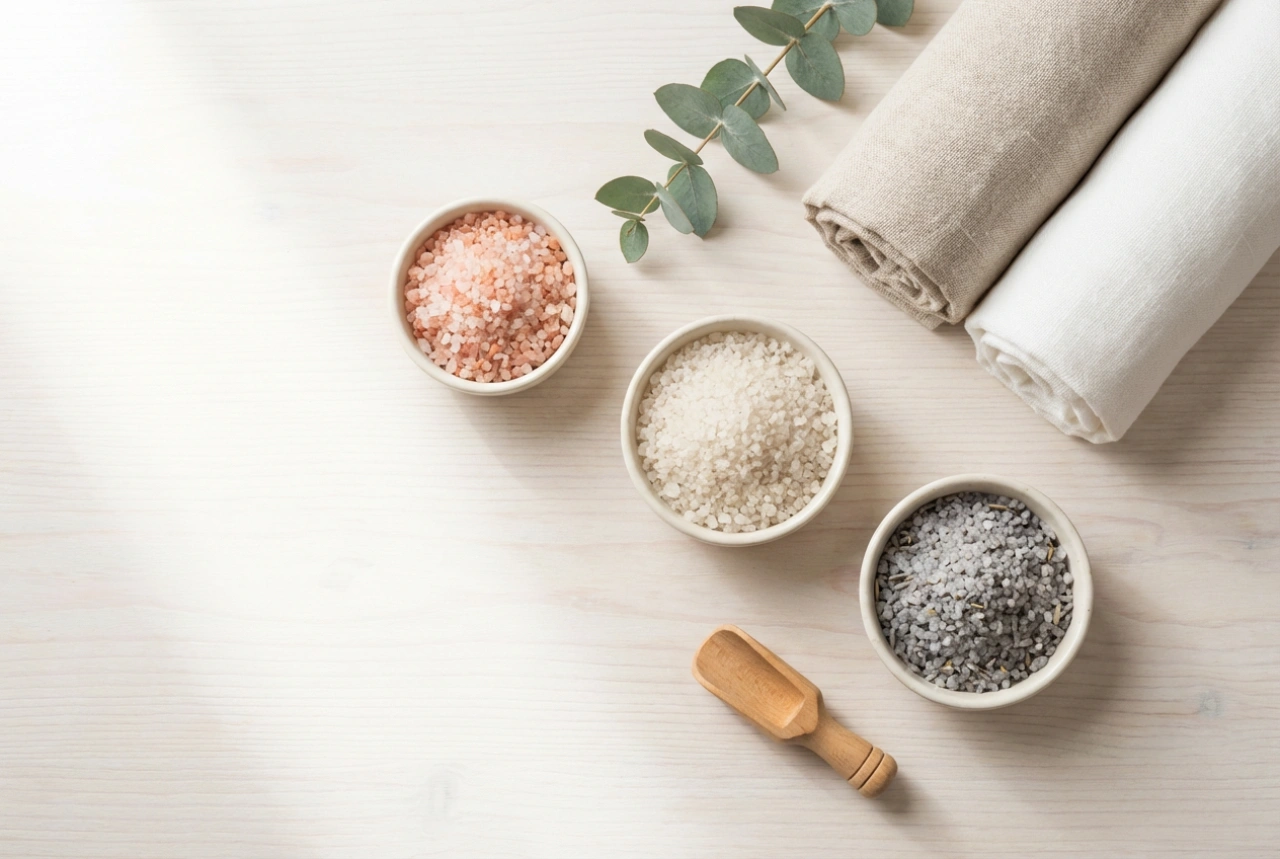
- Other Salts: Epsom salt can be blended with other bath salts, such as sea salt or Himalayan pink salt, to create a custom mix with a varied mineral profile and texture.
Common Mistakes to Avoid
To get the most out of your bath, be mindful of a few common pitfalls:
- Overheating the Water: As mentioned, excessively hot water is counterproductive. It can cause dehydration and skin dryness. Stick to a comfortably warm temperature.
- Skipping the Rinse: Failing to rinse off after the bath can leave a salty film on your skin, which might feel drying over time.
- Forgetting to Hydrate: A warm bath can make you perspire. It's wise to drink a glass of water before you get in and have another one ready for after you get out to stay well-hydrated.
- Using Scented Soaps: Avoid using harsh soaps or bubble baths alongside your Epsom salts, as they can interfere with the simple purity of the soak and may dry out your skin. Let the salt be the star of the show.
Incorporating a weekly Epsom salt bath into your routine can be a beautiful act of self-care. It costs very little, requires minimal effort, and provides a valuable opportunity to rest, recharge, and reconnect with yourself.