

Achieving soft, luminous skin across your entire body is a goal for many. While we often focus on facial skincare, the skin on our body also benefits from dedicated care. Acid peels, utilising AHAs and BHAs, are an effective way to exfoliate and revitalise the skin. When performed correctly at home, they can help improve skin texture and tone. This guide will walk you through the process of safely applying an acid peel for the body, ensuring you get the best results without compromising your skin's health.
Understanding AHA and BHA for the Body
Before applying any acid peel, it's crucial to understand what you're using. The two main categories of hydroxy acids used in at-home peels are Alpha Hydroxy Acids (AHAs) and Beta Hydroxy Acids (BHAs).
Alpha Hydroxy Acids (AHAs)
AHAs are water-soluble acids derived from sources like fruit and milk. Common examples include glycolic acid and lactic acid. They work on the surface of the skin, helping to dissolve the bonds that hold dead skin cells together. This makes them particularly effective for addressing concerns like dry patches, rough texture, and an uneven skin tone. For body care, they can help create a smoother, more radiant appearance on arms, legs, and the torso.
Beta Hydroxy Acids (BHAs)
The most common BHA is salicylic acid. Unlike AHAs, BHAs are oil-soluble. This property allows them to penetrate deeper into the pores to clear out excess sebum and debris. This makes them an excellent choice for areas of the body prone to bumps, clogged pores, or blemishes, such as the back, chest, and shoulders. They are known for their ability to smooth out bumpy skin texture and improve clarity.
How to Prepare Your Skin for a Body Peel
Proper preparation is the foundation of a safe and effective at-home peel. Skipping these steps can increase the risk of irritation and sensitivity, so take the time to prepare your skin correctly.
The Non-Negotiable Patch Test
This is the most critical step before using a new acid product. Apply a small amount of the peel to a discreet area of skin, such as the inside of your elbow or behind your knee. Leave it on for the recommended time (or less, for a first test), then rinse it off. Wait at least 24 to 48 hours to see if any adverse reaction occurs, such as excessive redness, itching, or swelling. If your skin reacts negatively, do not proceed with the full-body application.
Ensure Skin is Clean and Dry
On the day of the peel, cleanse your body with a gentle, non-exfoliating wash. Make sure your skin is completely dry before application, as water can sometimes affect the peel's formulation and penetration. Avoid any form of physical exfoliation, such as using a body scrub or a dry brush, for at least 24 hours before the peel to prevent over-exfoliation.
Check for Skin Integrity
Never apply an acid peel to broken or compromised skin. This includes any recent cuts, scrapes, insect bites, sunburn, or patches of irritated skin. Applying acids to these areas can cause significant stinging, discomfort, and may hinder the healing process.
The Safe Application Process
Once your skin is prepped and you've completed a successful patch test, you can proceed with the application. Follow the product's instructions meticulously.
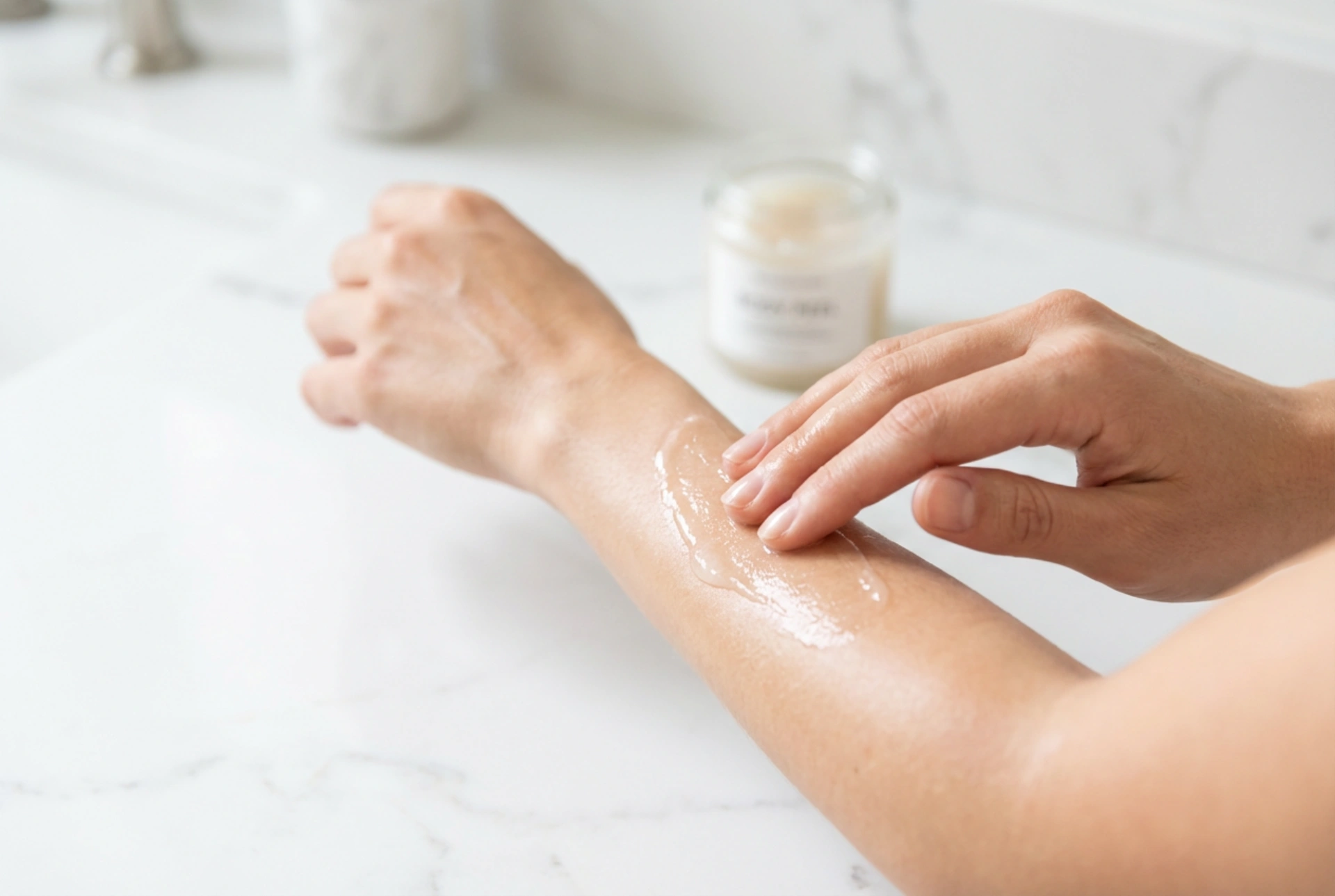
- Start with a Thin Layer: Using your fingertips (you may wish to wear gloves) or a dedicated applicator brush, apply a thin, even layer of the peel to the target area. It's often best to work in sections, such as one arm or leg at a time.
- Be Mindful of Timing: Adhere strictly to the time specified in the product's directions. It is always better to err on the side of caution. For your first application, consider leaving the peel on for a shorter duration than the maximum recommended time to see how your skin tolerates it. Never assume that leaving it on for longer will produce better results; this will only increase the risk of irritation.
- Rinse Thoroughly: When the time is up, rinse the peel off completely with lukewarm water. Avoid hot water, as it can be stripping and may increase sensitivity. Gently pat your skin dry with a clean, soft towel. Do not rub the skin, as it will be more delicate after the treatment.
Essential Post-Peel Aftercare
What you do after the peel is just as important as the peel itself. Proper aftercare helps to soothe the skin, support its barrier function, and protect it from damage.
Hydrate and Moisturise
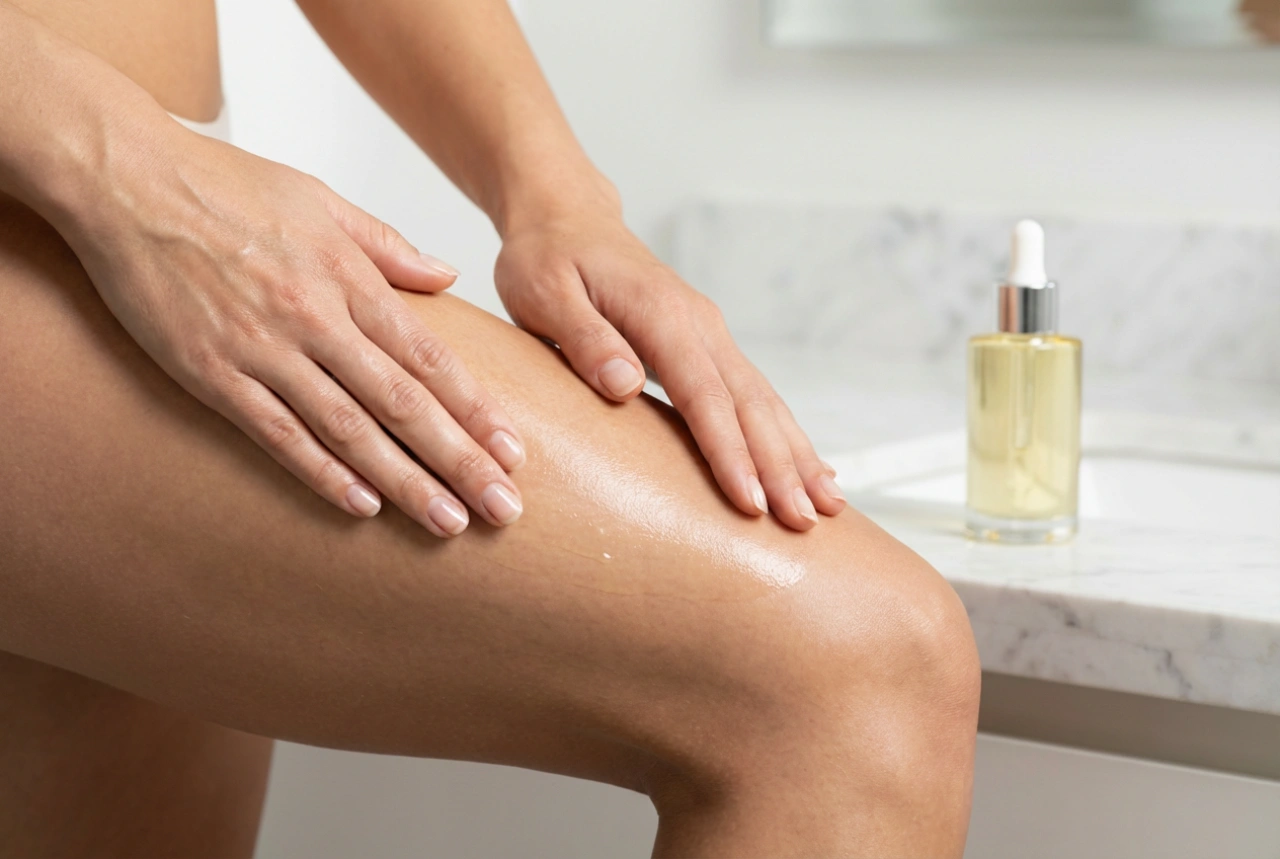
Immediately after patting your skin dry, apply a generous amount of a gentle, nourishing, and fragrance-free body moisturiser. Look for products containing ingredients like ceramides, hyaluronic acid, shea butter, or niacinamide. These help to restore hydration and support the skin's natural barrier, which can be temporarily compromised after an exfoliation treatment.
Sun Protection is Crucial
Acid peels increase your skin's photosensitivity, making it more susceptible to sun damage. For at least a week following a body peel, it is essential to apply a broad-spectrum sunscreen with a high SPF to all treated areas that will be exposed to daylight. This is non-negotiable, even on overcast days, to prevent hyperpigmentation and other forms of sun damage.
Avoid Other Actives
Give your skin a break. For several days after your peel, avoid using any other exfoliating products (both chemical and physical), retinol-based body treatments, or harsh soaps on the treated areas. Let your skin recover and enjoy the results of the peel before introducing other active ingredients back into your routine.
By following these steps, you can safely incorporate acid peels into your body care routine to achieve smoother, clearer, and more radiant skin from head to toe. Patience and consistency are key to seeing the best long-term results.