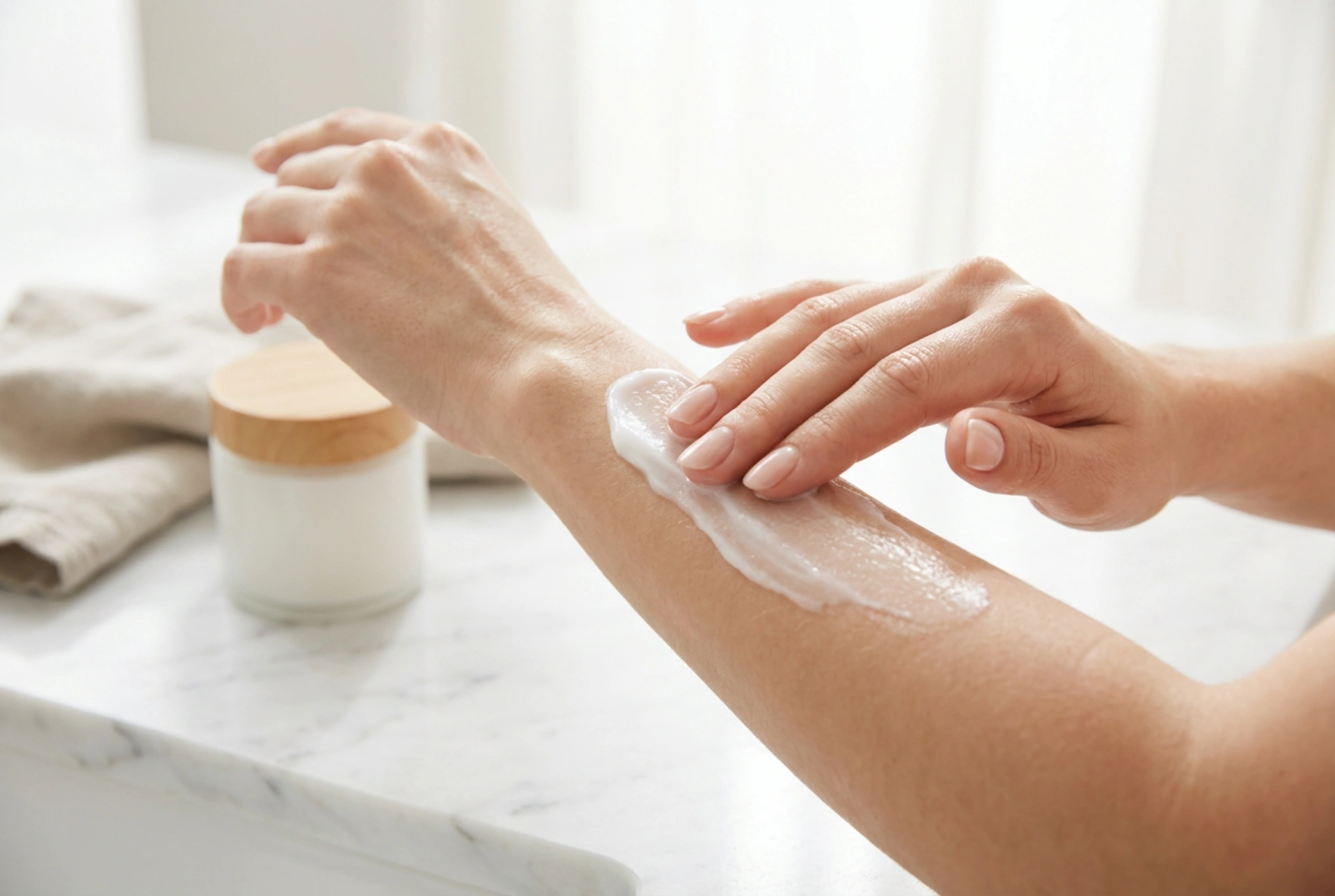


Very dry skin often feels tight, uncomfortable, and rough to the touch. It requires more than just a light lotion; it needs intensive nourishment to restore its natural softness and protective barrier. A rich, deeply hydrating balm can be a true saviour, providing immediate relief and long-term benefits. Understanding how to choose the right formula and apply it correctly is key to transforming dry, lacklustre skin into a picture of health and comfort.
Understanding the Needs of Very Dry Skin
Very dry skin lacks the necessary lipids (fats) and moisture to maintain a healthy barrier. This barrier is crucial for protecting the skin from external irritants and preventing moisture from escaping. When it's compromised, skin can become flaky, itchy, and sensitive. Factors like cold weather, low humidity, frequent washing with hot water, and harsh cleansers can exacerbate the problem. The goal of a good skincare routine for very dry skin is to replenish lost lipids, boost hydration levels, and create a protective seal to lock in moisture.
What to Look for in a Balm for Very Dry Skin
The effectiveness of a balm lies in its formulation. Unlike lighter lotions, balms are typically thicker and more concentrated, containing a higher percentage of oils and butters. When selecting a product, pay attention to the types of ingredients it contains, as they perform different but complementary functions.
Emollients for Softness and Flexibility
Emollients are ingredients that help to soften and smooth the skin's surface by filling in the gaps between skin cells. They provide that immediate feeling of relief and suppleness. Look for natural butters and oils known for their emollient properties. Ingredients like shea butter, cocoa butter, and mango butter are excellent choices as they are rich in fatty acids that deeply nourish the skin. Plant-based oils such as jojoba, avocado, and sweet almond oil also provide significant benefits, helping to improve skin elasticity and texture.
Humectants to Attract Moisture
Humectants are substances that attract water molecules from the air and the deeper layers of your skin, drawing them to the epidermis (the outermost layer). This helps to increase the overall moisture content of the skin. While balms are richer in oils, many effective formulas also include humectants like glycerin or hyaluronic acid. Glycerin is a highly effective and common humectant that helps the skin retain moisture, keeping it hydrated and soft for longer.
Occlusives to Lock in Hydration
Occlusive ingredients form a physical barrier on the skin's surface, preventing transepidermal water loss (TEWL) – the process of water evaporating from the skin. This is perhaps the most critical function of a balm for very dry skin. This protective layer seals in the moisture provided by humectants and the nourishment from emollients. Natural waxes like beeswax or candelilla wax are excellent occlusives, as are the rich butters mentioned earlier, like shea butter, which performs both emollient and occlusive functions.
How to Maximise the Benefits of Your Body Balm
Application technique can make a significant difference in how well your skin absorbs a balm and the results you see. To get the most out of your product, follow these simple steps:
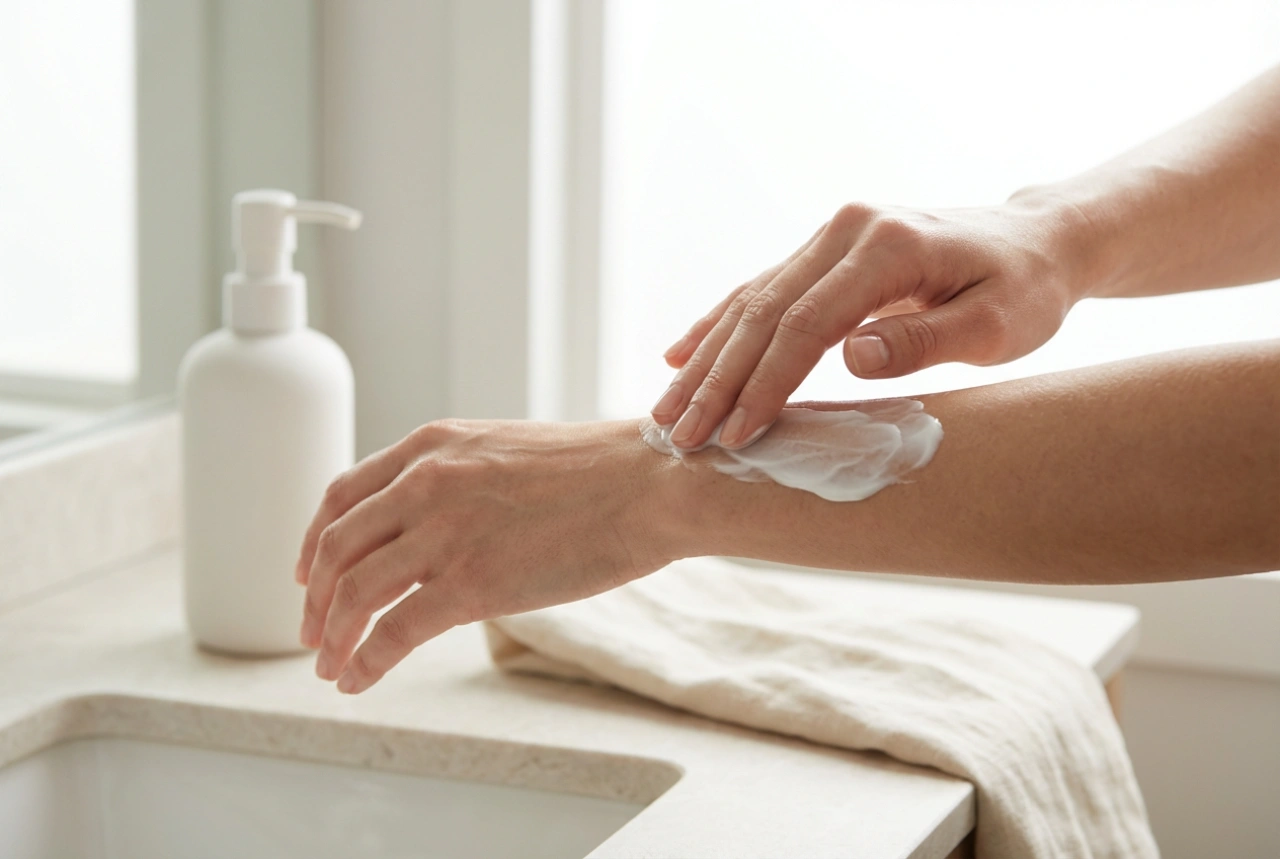
- Apply to Damp Skin: The best time to apply a body balm is immediately after a bath or shower. Gently pat your skin dry with a towel, leaving it slightly damp. Applying balm to damp skin helps to lock in that extra moisture for superior hydration.
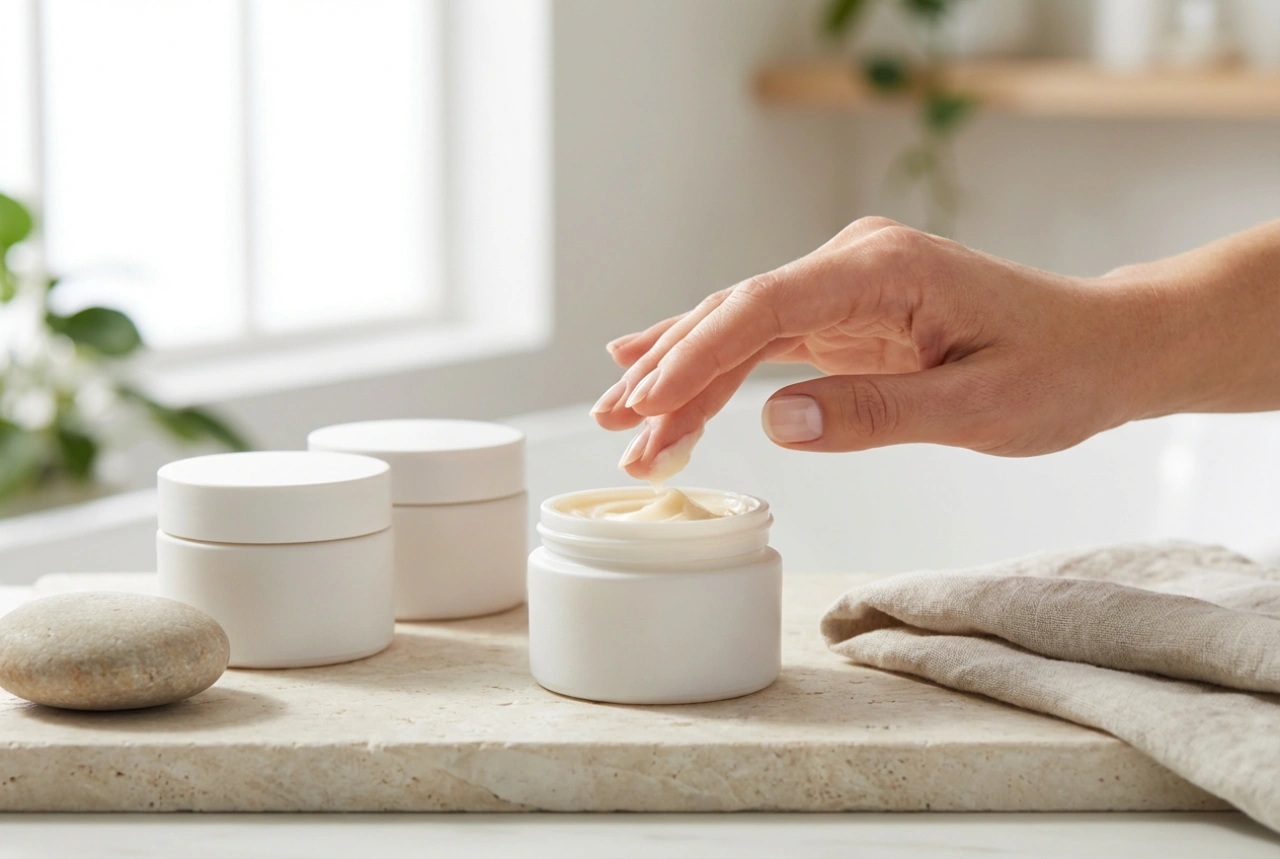
- Warm it Up First: Balms are often solid or very thick at room temperature. Scoop a small amount into the palm of your hands and rub them together to warm and soften the product. This makes it easier to spread and helps it absorb more readily into the skin.
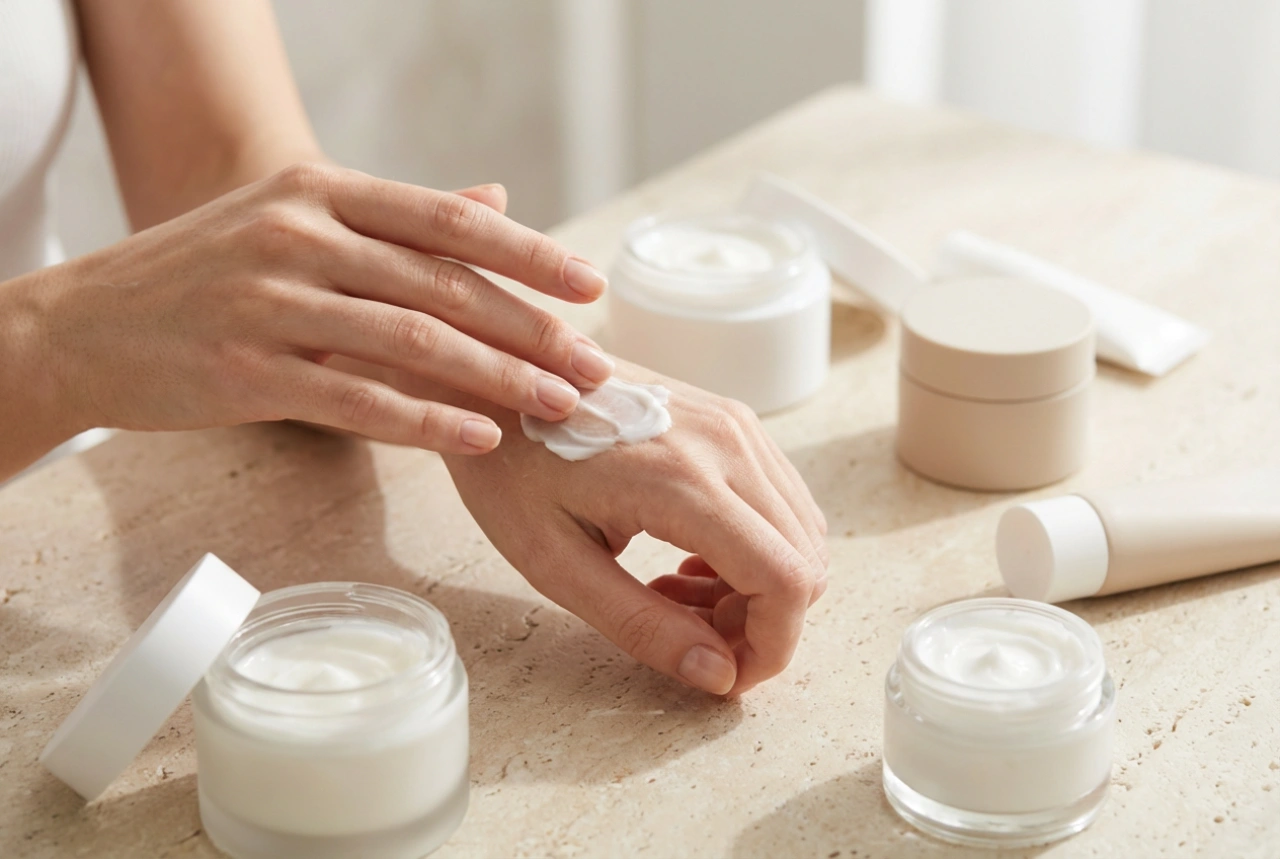
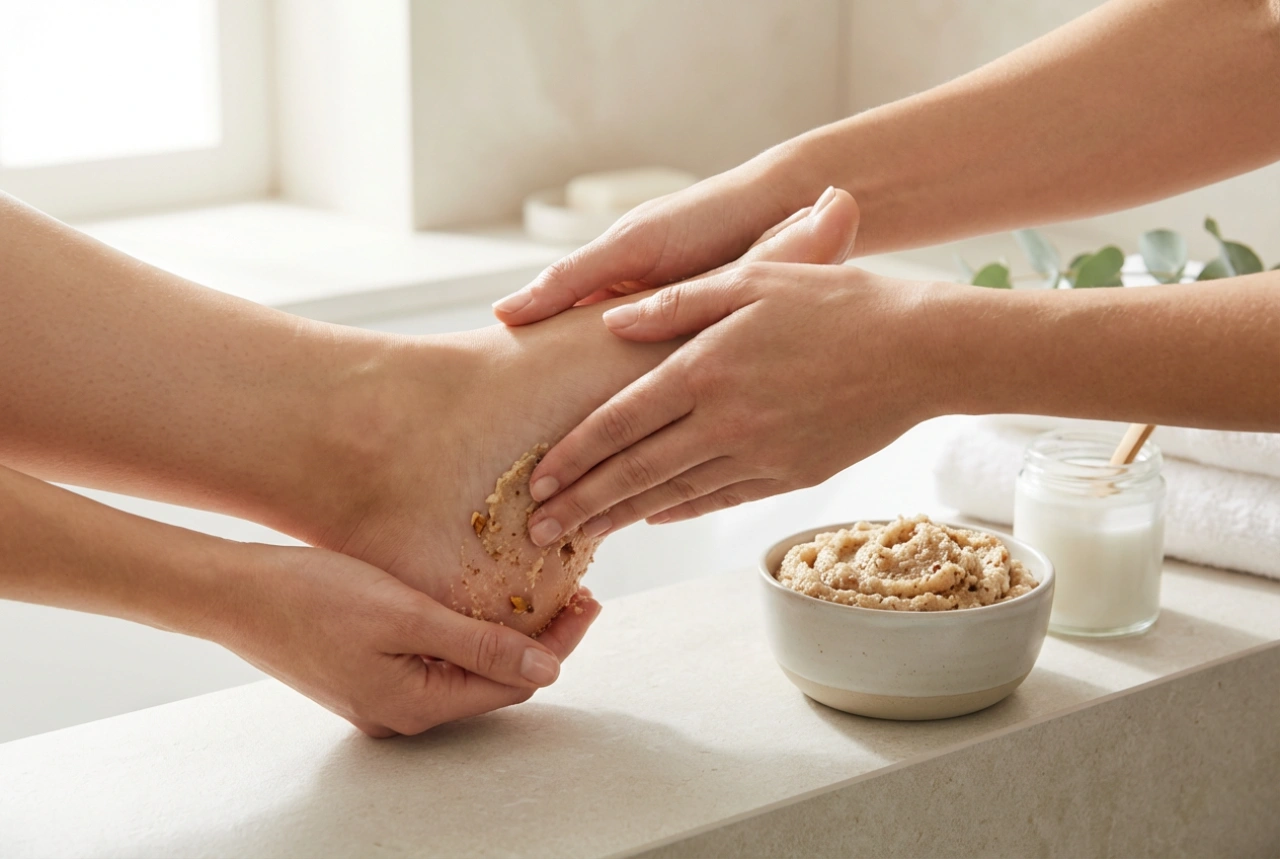
- Use Gentle, Massaging Motions: Instead of quickly rubbing it in, take a moment to massage the balm into your skin using slow, circular motions. This not only ensures even coverage but also stimulates blood flow, which can improve skin health. Pay special attention to particularly dry areas like elbows, knees, and heels.
- Be Consistent: For lasting results, consistency is key. Make applying your body balm a daily ritual, preferably twice a day during very cold or dry periods – once in the morning to protect your skin throughout the day, and once at night to support its natural repair process while you sleep.