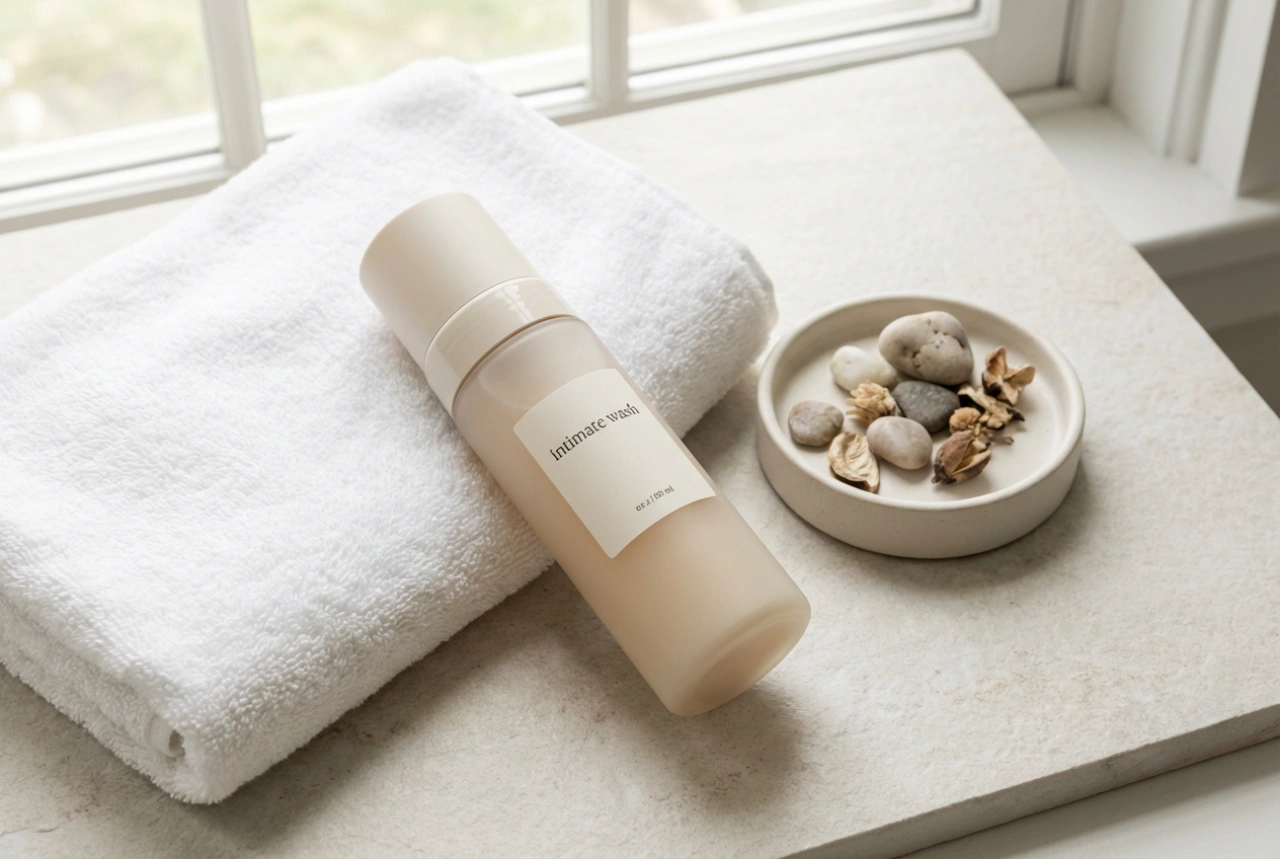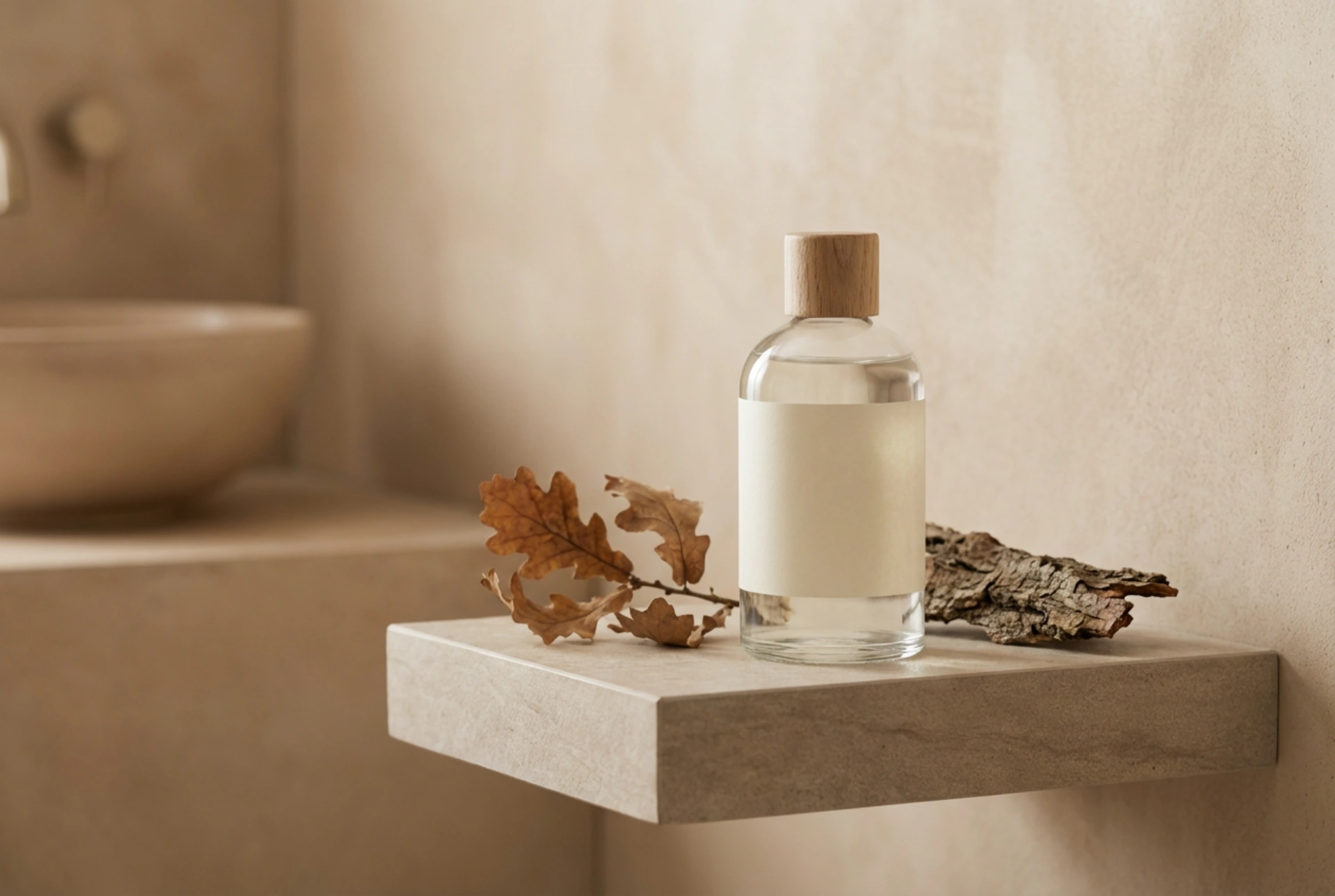


Maintaining comfort and freshness in intimate areas is a cornerstone of daily self-care. While water is often sufficient, many people choose to use specialised products for an enhanced feeling of cleanliness. Among the natural ingredients featured in such cosmetics, oak bark stands out for its unique properties. Understanding how to use an intimate wash containing oak bark extract is key to benefiting from its qualities without disrupting the delicate balance of this sensitive area.
What Makes Oak Bark a Valued Ingredient in Intimate Care?
Oak bark has a long history in traditional herbalism and skincare, prized for its natural components. It is primarily known for its soothing and astringent-like properties. When included in a gentle intimate wash formula, it can help to provide a long-lasting feeling of freshness and comfort. The extract helps to gently cleanse the skin, leaving it feeling refreshed and cared for. It is important to note that these products are designed for cosmetic comfort and daily hygiene, not for treating any specific conditions. Their purpose is to support the skin's natural state and provide a sense of well-being.
Choosing the Right Formula
When selecting an intimate wash, whether it contains oak bark or not, the overall formula is what matters most. A good product should be designed with the sensitivity of the intimate area in mind.
What to look for:
- pH-balanced formula: The product should have a pH level that is compatible with the natural environment of the intimate skin, helping to maintain its natural protective barrier.
- Gentle cleansing agents: Look for mild, non-irritating surfactants that cleanse effectively without stripping the skin of its natural moisture.
- Simple ingredient list: Often, fewer ingredients mean a lower risk of potential irritation. Avoid products with strong, artificial fragrances, harsh colourants, or aggressive preservatives.
- Dermatologically tested: While not a guarantee, this indicates that the product has been tested for its potential to cause skin reactions under an expert's supervision.
A Guide to Correct and Gentle Application
How you use an intimate wash is just as important as the product you choose. Incorrect application can lead to discomfort, so following a gentle routine is essential for positive results.
Step-by-Step Instructions:
- Use a Small Amount: A pea-sized amount of the gel is more than enough for a single wash. Overusing the product is unnecessary and wasteful.
- External Use Only: This is the most critical rule. Intimate washes are formulated exclusively for the external genital area (the vulva). They should never be used for internal douching, which can disrupt the delicate internal ecosystem.
- Lather in Your Hands: Dispense the gel onto your wet palm and lather it with a little water before applying. This ensures a gentler application compared to applying the concentrated gel directly.
- Apply Gently: Use your hand to gently cleanse the external area. Avoid using rough washcloths, sponges, or loofahs, as they can be abrasive and may harbour unwanted microbes.
- Rinse Thoroughly: Use lukewarm water to rinse the area completely, ensuring no product residue is left behind.
- Pat Dry: Gently pat the area dry with a clean, soft towel. Avoid vigorous rubbing, which can cause irritation.
How Often Should You Use an Intimate Wash?
For most people, using a specialised intimate wash once a day is sufficient, for example, during a morning or evening shower. Over-washing can be as problematic as poor hygiene, potentially interfering with the skin's natural balance. On days with increased physical activity or during menstruation, you might feel the need to cleanse more than once, but always listen to your body. If you experience any signs of dryness or discomfort, consider reducing the frequency of use or switching to plain water for a while. The goal is to feel fresh and comfortable, not to achieve a sterile environment, which is neither possible nor healthy.