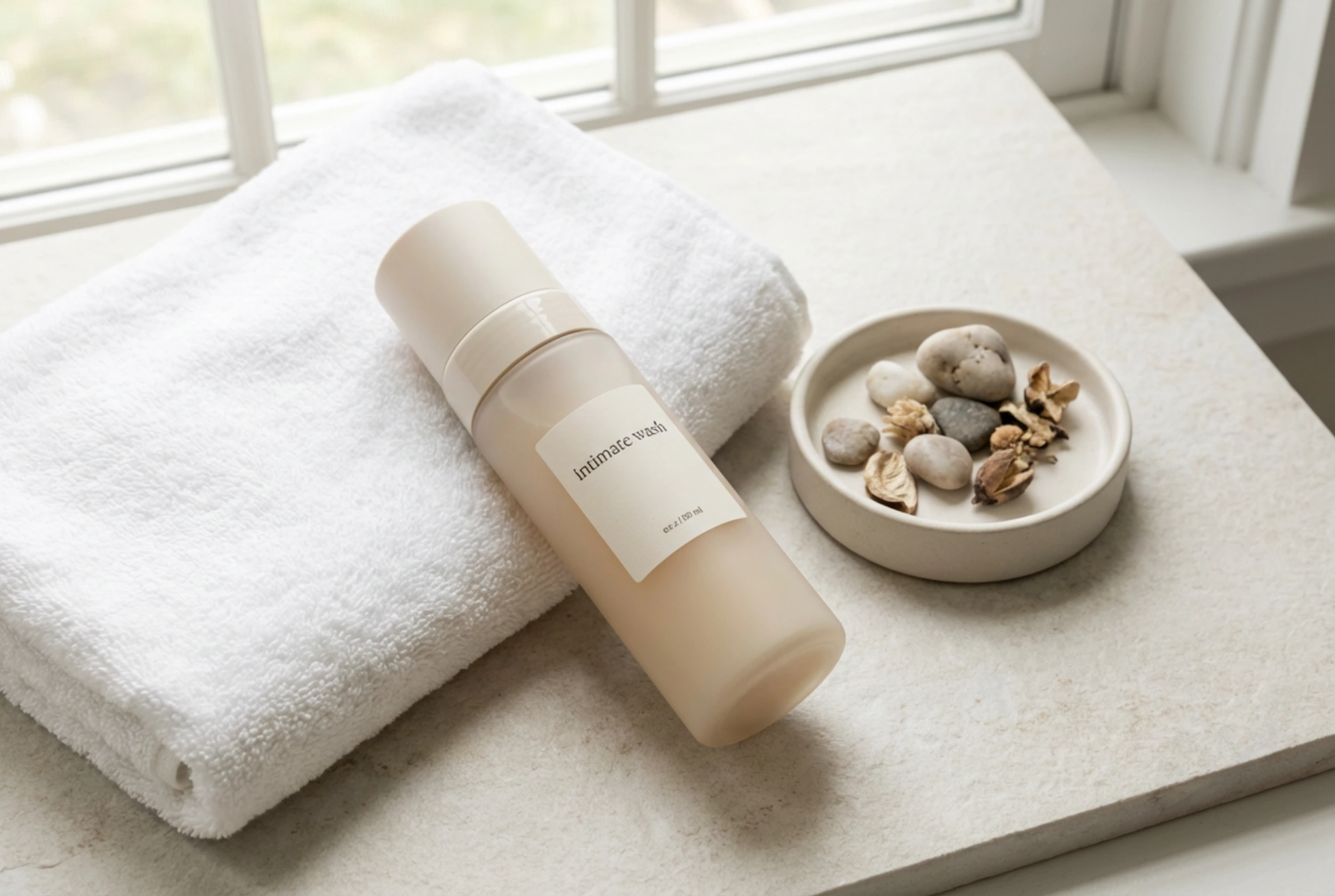


Achieving a sense of comfort and freshness in our daily lives often comes down to the most basic self-care routines. The minimalist elegance of a soft-toned cleansing bottle alongside a pristine white towel reminds us that intimate hygiene is a fundamental aspect of personal wellness that deserves a gentle, mindful approach. Maintaining the delicate balance of the intimate area requires understanding the unique needs of this skin and selecting products designed to support, rather than disrupt, its natural environment. Choosing the right intimate wash and adopting proper cleansing techniques can significantly enhance daily comfort and overall well-being.
Understanding the Unique Needs of the Intimate Area
The skin in the intimate zone is highly sensitive and possesses its own naturally balanced ecosystem. Unlike the rest of the body, which typically has a slightly different pH level, the intimate area relies on a specific mildly acidic environment to maintain its natural protective barrier. This acidity helps to keep the skin healthy and resilient against external factors.
Using standard shower gels or body soaps in this delicate region can often lead to dryness and irritation. Traditional soaps are typically alkaline and contain strong surfactants designed to strip oil from the skin. When applied to the intimate area, they can disrupt the natural balance, stripping away essential moisture and leaving the skin feeling tight or uncomfortable. Consequently, incorporating a dedicated intimate hygiene wash into your routine is essential for maintaining natural equilibrium.
Key Ingredients of a Gentle Intimate Wash
When selecting an intimate hygiene wash, looking at the ingredient list is the best way to ensure the product is gentle enough for daily use. A high-quality formula should contain mild, nurturing components that cleanse without stripping moisture.
- Lactic Acid: This is a key ingredient in many intimate care products. Lactic acid naturally occurs in the intimate flora and helps to support the optimal acidic pH level, reinforcing the skin's natural protective barrier.
- Soothing Plant Extracts: Botanical ingredients such as chamomile, aloe vera, and calendula are highly valued for their calming properties. They help to soothe delicate skin and reduce the likelihood of minor irritation.
- Mild Cleansing Agents: Look for products that utilise gentle surfactants derived from natural sources, such as coco-glucoside or decyl glucoside. These cleanse the skin gently without causing dryness.
- Humectants: Ingredients like glycerin and panthenol help to lock in moisture, ensuring that the skin remains hydrated, soft, and comfortable after washing.
Ingredients to Avoid for Daily Comfort
Just as important as knowing what to include is understanding what to avoid. Because the intimate area is incredibly sensitive, certain common cosmetic ingredients can easily trigger irritation or dryness.
Harsh Detergents
Ingredients such as Sodium Lauryl Sulfate (SLS) and Sodium Laureth Sulfate (SLES) are common foaming agents found in many household body washes. However, they can be far too harsh for the intimate region, potentially stripping the skin of its natural lipids and causing discomfort.
Synthetic Fragrances and Colourants
While a pleasant scent can make a bath product feel luxurious, artificial perfumes are a leading cause of contact sensitivity. A gentle intimate wash should ideally be fragrance-free or contain only very mild, hypoallergenic scents. Similarly, artificial colourants serve no functional purpose and are best avoided in products designed for sensitive skin care.
Proper Cleansing Techniques and Best Practices
Using the right product is only half the battle; how you cleanse is equally important. Adopting a mindful, gentle approach to your daily hygiene routine can prevent unnecessary irritation and maintain comfort throughout the day.
Use Lukewarm Water
Always wash the intimate area with lukewarm water. Water that is too hot can strip the skin of its natural moisture and increase sensitivity. A gentle stream of water combined with a small amount of intimate wash is highly effective.
Wash from Front to Back
This is one of the most fundamental rules of intimate hygiene. Always cleanse from front to back to avoid transferring unwanted bacteria to the more sensitive areas. This simple habit is crucial for maintaining a healthy and clean environment.
Cleanse with Your Hands
Avoid using washcloths, sponges, or loofahs in the intimate area. These accessories can have rough textures that cause micro-abrasions, and they also tend to harbor bacteria if left damp in the bathroom. Using your clean hands is the gentlest and most hygienic method.
Pat Dry Gently
After washing, avoid rubbing the area with a towel. Instead, gently pat the skin dry with a soft, clean towel. Designating a specific, fresh towel solely for your intimate area can also help maintain optimal hygiene.
Incorporating Intimate Care into Your Lifestyle
In addition to using a gentle intimate wash, several daily habits can support the natural health of your intimate zone. Opting for breathable, natural fabrics such as cotton underwear allows air to circulate, reducing moisture build-up. It is also beneficial to change out of wet clothing, such as swimwear or gym gear, as soon as possible after activities. When washing your underwear, choosing mild, fragrance-free laundry detergents can further minimise the risk of skin sensitivity, completing a holistic approach to personal comfort and self-care.