

Achieving beautifully smooth skin is a common beauty goal, and at-home waxing is a popular method for long-lasting results. While it may seem daunting at first, mastering the technique can transform your hair removal routine into an effective and satisfying ritual. With the right preparation, a clear understanding of the process, and proper aftercare, you can achieve salon-quality smoothness in the comfort of your own home. This guide will walk you through each step to ensure your experience is as comfortable and successful as possible.
Preparing Your Skin and Workspace
Proper preparation is the key to a successful and less painful waxing session. Before you begin, ensure your workspace is clean and you have all your tools readily available. Your skin also needs to be prepped to allow the wax to adhere properly to the hair, not the skin.
- Check Hair Length: For wax to grip effectively, hair should be about 6mm long. If it's too short, the wax won't be able to grab it. If it's too long, consider trimming it slightly to make the process more comfortable.
- Cleanse the Area: A day or two before waxing, gently exfoliate the skin to remove dead cells and help prevent ingrown hairs. Immediately before you start, wash the area with a mild soap and water, then dry it thoroughly. Any moisture or oils on the skin can prevent the wax from adhering properly.
- Apply Pre-Wax Powder: Lightly dusting the area with talc-free powder or cornflour can help absorb any excess moisture and create a better surface for the wax to stick to the hair.
The Waxing Process: A Step-by-Step Guide
Once your skin is prepped, you can begin the waxing process. Work in small, manageable sections, especially if you are new to at-home waxing. Patience and a steady hand are your best assets here.
Heating the Wax
Whether you are using soft wax with strips or hard wax, follow the product's heating instructions precisely. The ideal consistency is similar to thick honey. It should be warm and spreadable, but never uncomfortably hot. Always test a small amount on the inside of your wrist to check the temperature before applying it to the target area. Overheated wax can cause serious burns.
Application and Removal Technique
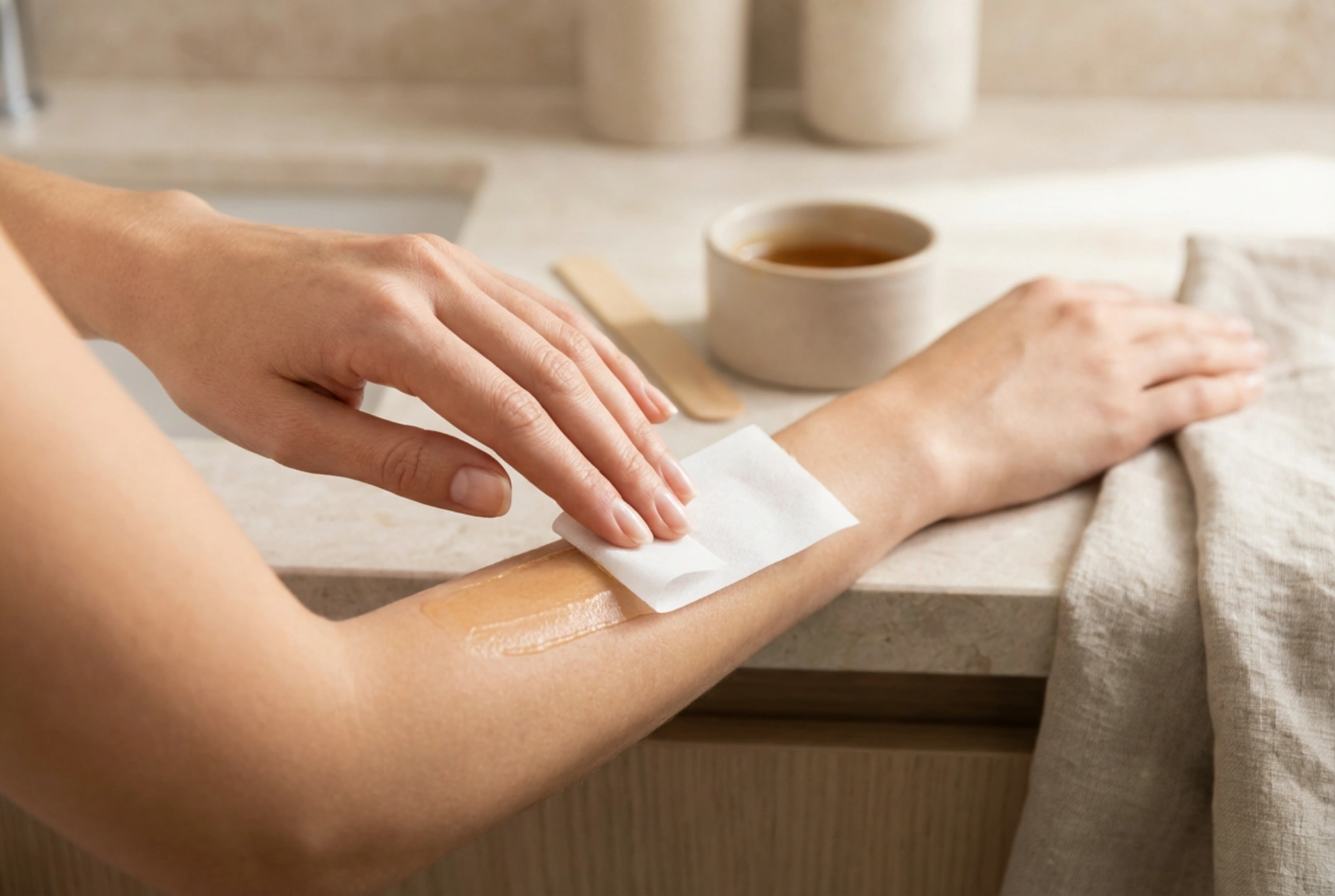
The direction of application and removal is crucial for effective hair removal and minimising discomfort. Using the provided spatula, apply a thin, even layer of wax in the direction of hair growth. If using soft wax, place a fabric strip over the wax, leaving a small 'tab' at the end that isn't covered in wax. Press down firmly, rubbing in the direction of hair growth a few times. For hard wax, allow it to cool and harden slightly until it's firm but still pliable. Then, using the edge you've created as a tab, hold the skin taut with one hand and use the other to pull the strip or hardened wax off. The pull must be quick, confident, and parallel to the skin, but in the opposite direction of hair growth. Avoid pulling upwards, as this can bruise the skin.
Essential Post-Waxing Aftercare
Aftercare is just as important as preparation. The skin will be sensitive after waxing, and treating it gently will help soothe it and prevent irritation. Taking the right steps immediately after and in the days following your session will ensure your skin stays smooth and calm.
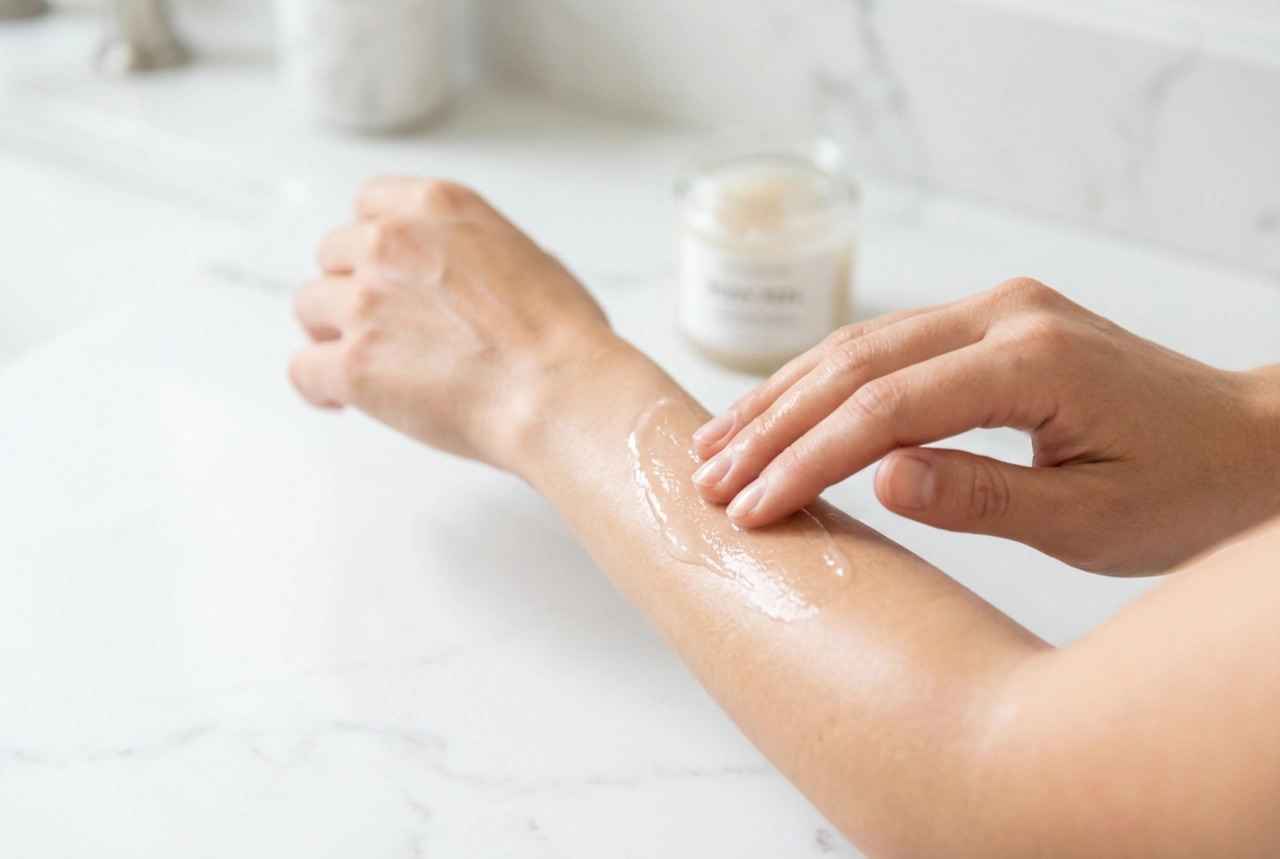
- Remove Residue: Most waxing kits come with a post-wax oil or wipes to remove any sticky residue. If you don't have any, a natural oil like coconut or olive oil on a cotton pad will also work effectively. Avoid using water, as it won't remove wax-based products.
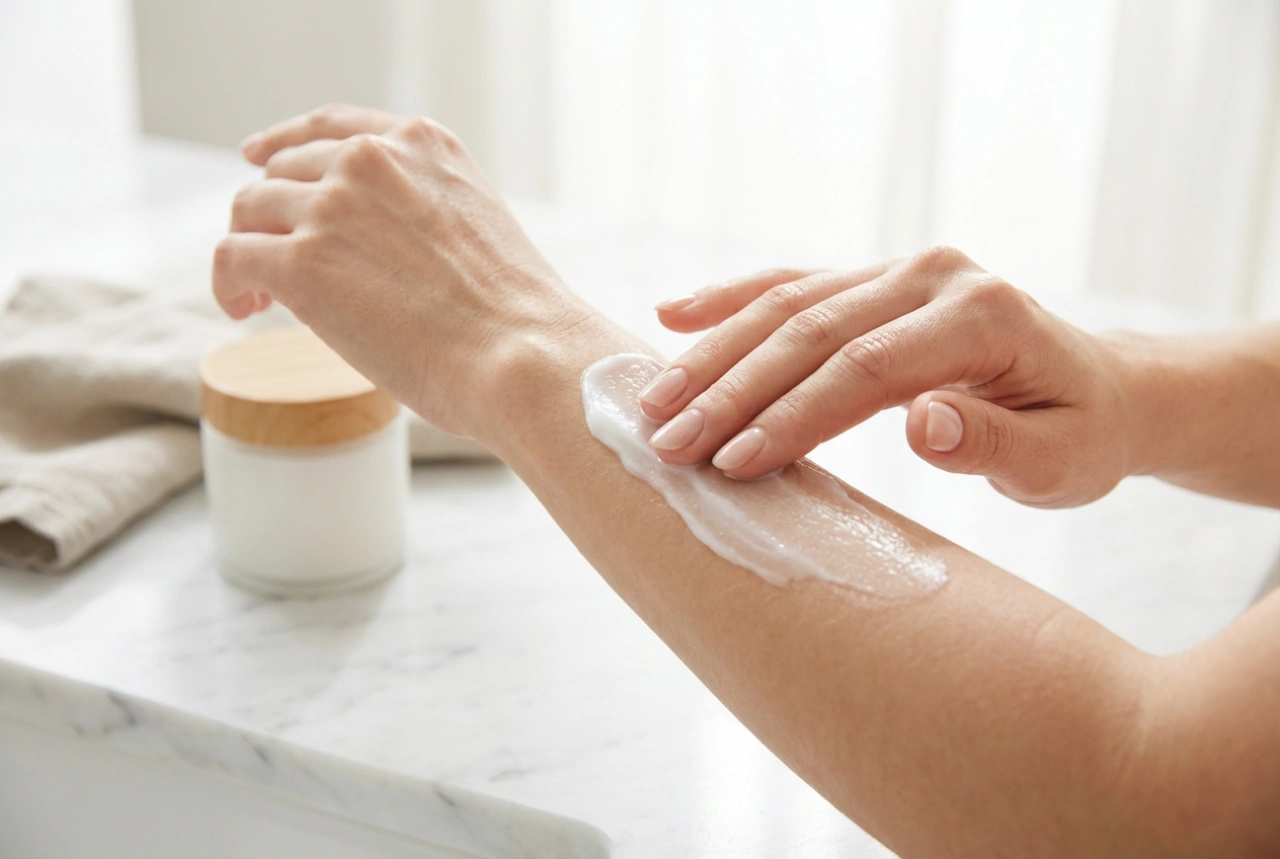
- Soothe the Skin: Apply a gentle, fragrance-free moisturiser or a product containing soothing ingredients like aloe vera to calm the skin. You can also apply a cool compress to the area if you experience significant redness or a stinging sensation.
- Avoid Irritants for 24-48 Hours: For the first day or two after waxing, avoid hot baths, saunas, swimming pools, and intense exercise that causes sweating. Steer clear of direct sun exposure and tanning beds. Wear loose, comfortable clothing made from natural fabrics like cotton to allow your skin to breathe and prevent friction.