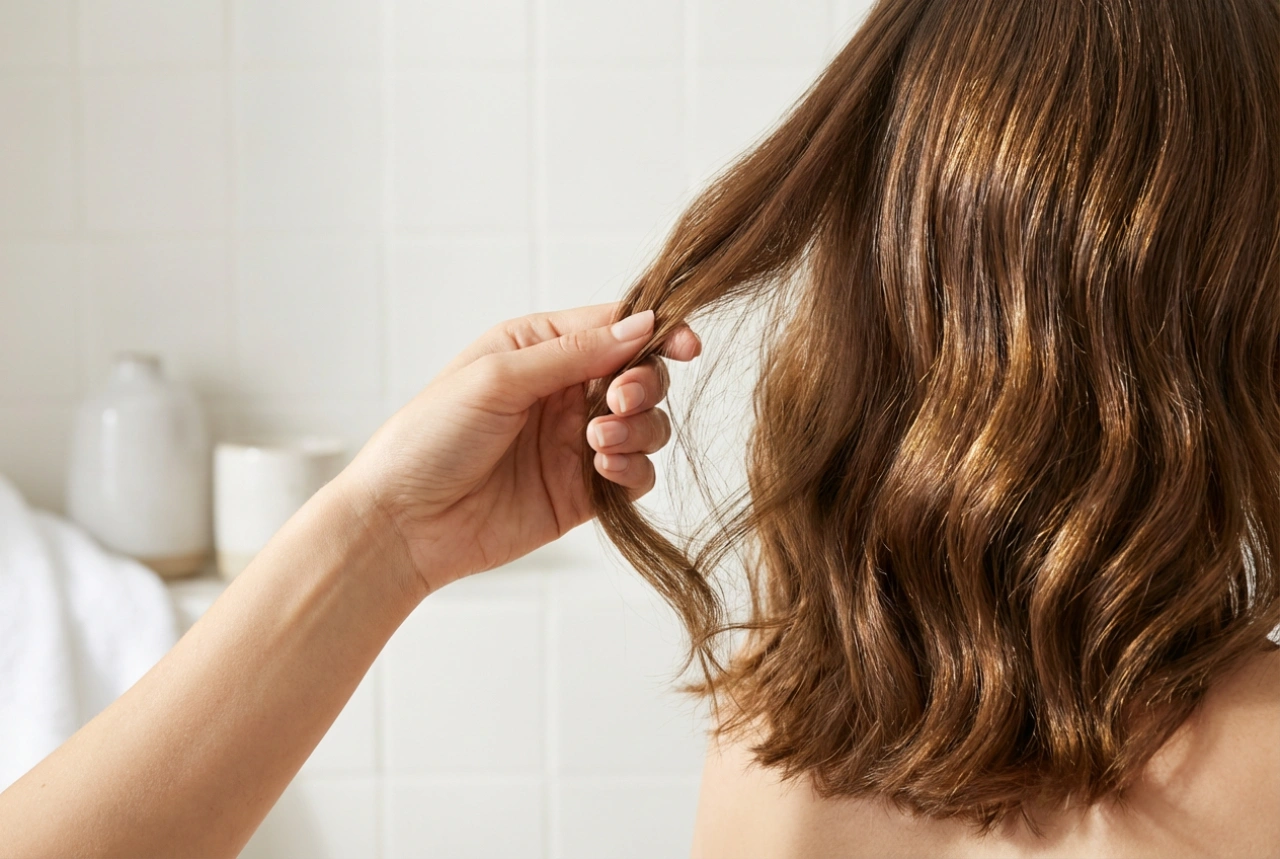


Caring for oily hair can often feel like a balancing act. You desire fresh, clean, and voluminous locks, but the very products designed to nourish hair can sometimes leave it feeling heavy and flat. Many people with an oily scalp avoid conditioner altogether, fearing it will only worsen the problem. However, skipping this crucial step can leave the lengths and ends of your hair dry, tangled, and prone to breakage. The secret lies not in avoiding conditioner, but in choosing the right type and applying it correctly to achieve soft, healthy hair without sacrificing lightness and volume.
Why Oily Hair Still Needs Conditioner
Shampoo is formulated to cleanse the scalp and hair of excess sebum, dirt, and product build-up. While essential for keeping oily hair fresh, the cleansing process can also strip moisture from the hair shaft, particularly the older and more porous ends. This is where conditioner comes in. Its primary role is to restore moisture, smooth the hair's outer layer (the cuticle), and make it easier to detangle. A smoothed cuticle not only prevents tangles and reduces friction-induced damage but also reflects light better, giving your hair a healthy shine. By neglecting conditioner, you might solve the problem of root-flatness but create another: dry, brittle, and lifeless ends.
What to Look for in a Lightweight Conditioner
The key to successful conditioning for oily hair is selecting a formula that provides hydration without heavy ingredients that cause build-up. When browsing for a product, pay attention to both its formulation and its ingredient list.
Formulations and Keywords
Look for products described with terms like "lightweight," "volumising," "balancing," or specifically "for oily or fine hair." These are generally formulated with a lower concentration of heavy oils and butters. The texture is a good indicator; lightweight conditioners often have a gel, lotion, or milk-like consistency rather than a thick, dense cream. Some people also find that silicone-free formulas can help prevent the weighed-down feeling, as certain silicones can build up on the hair over time.
Beneficial Ingredients
Instead of rich, heavy oils, seek out conditioners with hydrating and balancing ingredients that moisturise without adding weight. Here are a few to look for:
- Humectants: Ingredients like glycerin and panthenol (pro-vitamin B5) are excellent for oily hair. They work by drawing moisture from the air into the hair shaft, providing hydration without a greasy film.
- Balancing Botanical Extracts: Many plant extracts are known for their gentle, balancing properties. Look for ingredients such as green tea, nettle, witch hazel, or citrus extracts, which can help regulate the feeling of freshness without being overly drying.
- Light Hydrators: Aloe vera is a superb lightweight moisturiser that soothes and hydrates. Some very light, non-greasy plant-based hydrators can also be beneficial in small amounts.
The Correct Application Technique for Maximum Volume
Even the best lightweight conditioner can weigh hair down if applied incorrectly. The method is just as important as the product itself. Follow these steps for fresh, bouncy results.
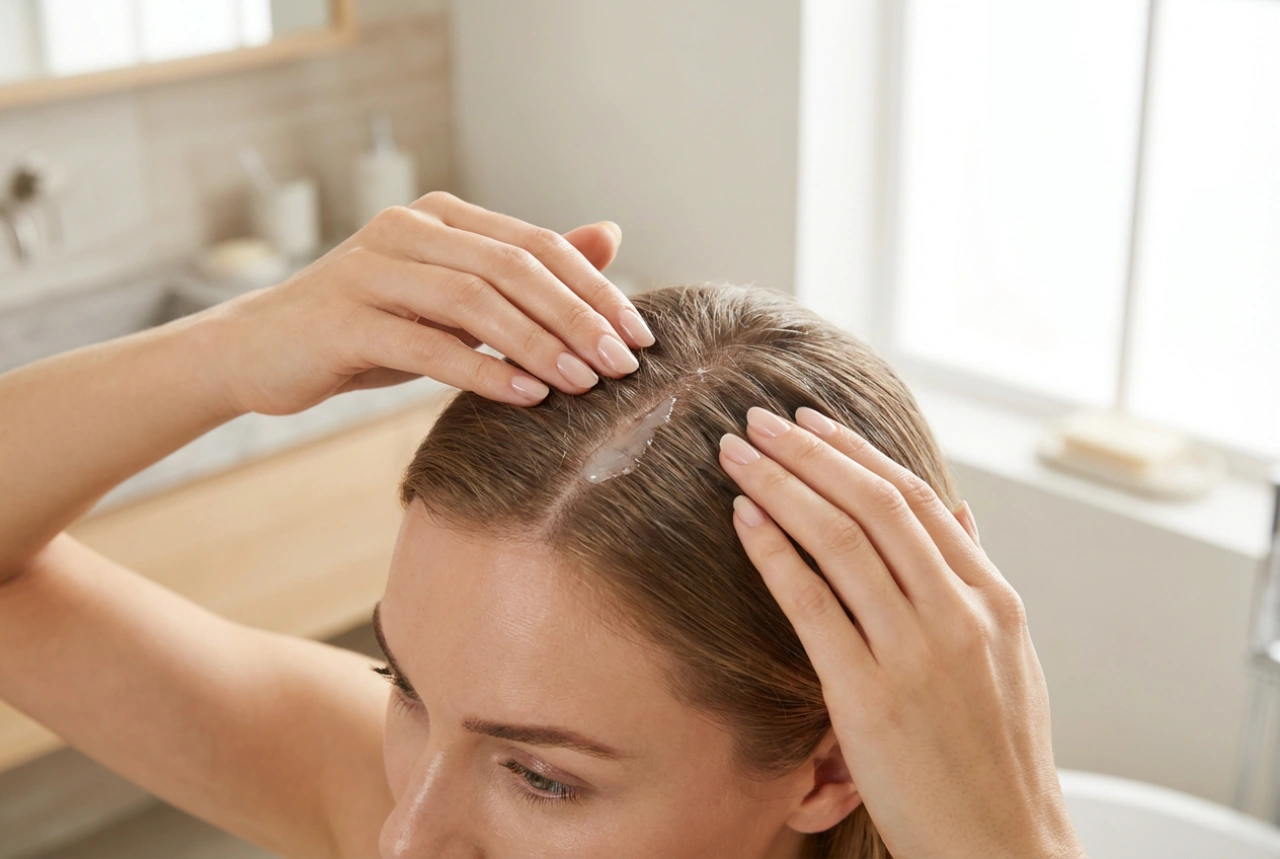
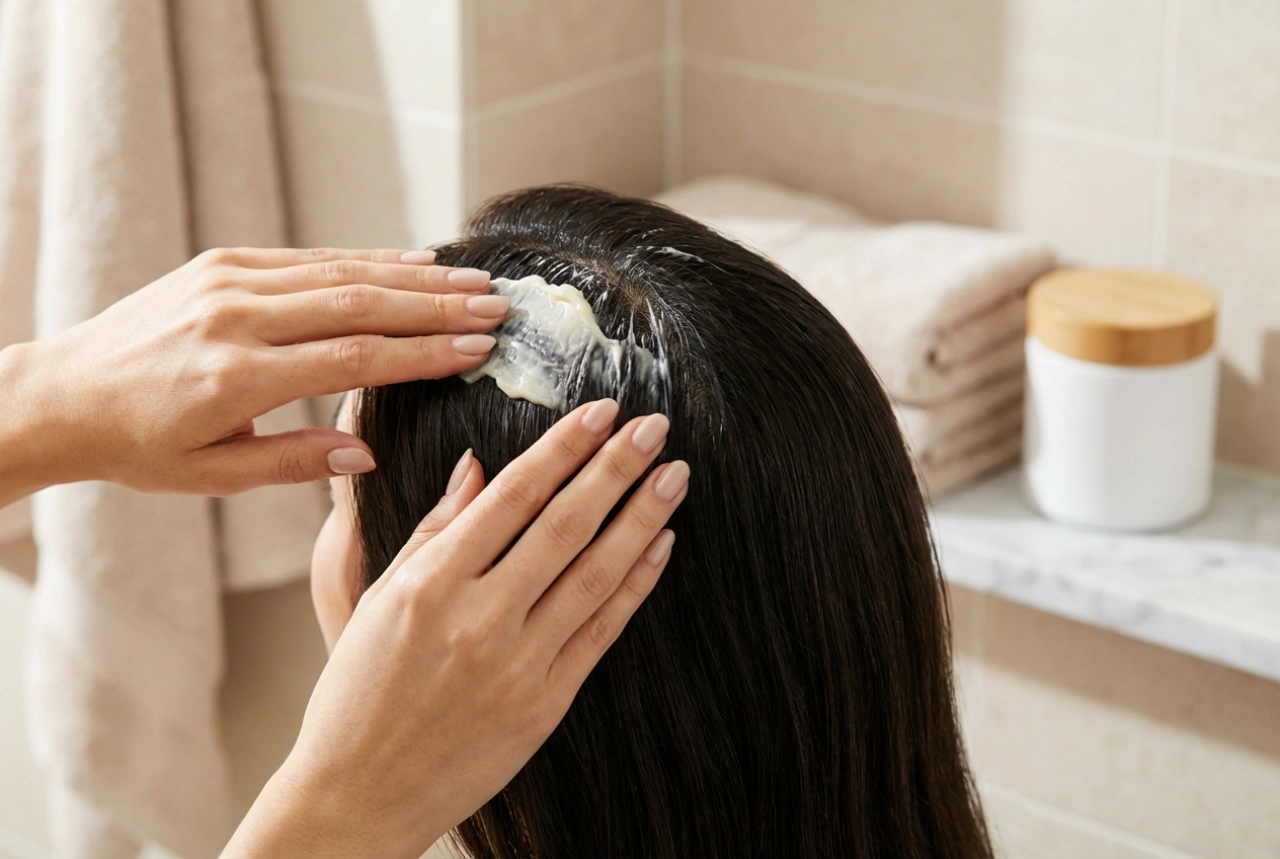
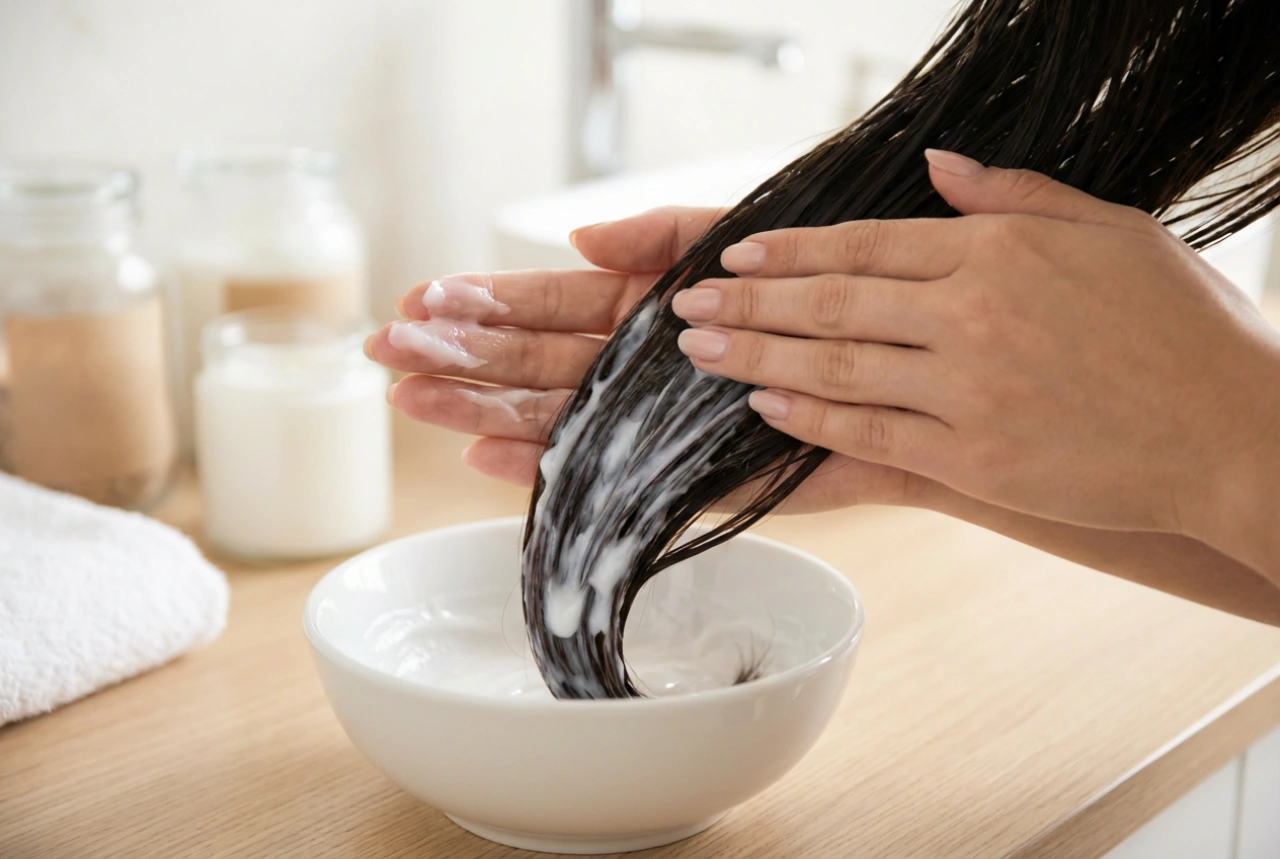
First, after shampooing and thoroughly rinsing, gently squeeze the excess water from your hair. Applying conditioner to soaking wet hair dilutes the product and can cause it to drip onto the scalp. Next, dispense a small amount of conditioner—start with a pea-sized amount for short hair and a coin-sized amount for longer hair. Remember, less is more. The most crucial step is the placement: apply the conditioner only from the mid-lengths of your hair down to the ends. This is the part of the hair that is oldest and needs the most moisture. Avoid your roots and scalp entirely. You can gather your hair into a low ponytail and apply the product only to the hair in your hand. Let it sit for one to three minutes, then rinse thoroughly with lukewarm water. A final rinse with cool water can help seal the cuticle for extra shine and smoothness.
Common Conditioning Mistakes to Avoid
If you're still struggling with flat, greasy-feeling hair after conditioning, you might be making one of these common mistakes:
- Applying conditioner directly to your scalp and roots.
- Using a formula that is too rich and heavy for your hair type.
- Not rinsing the product out completely, leaving a residue behind.
- Using too much product, even if it's a lightweight formula.
- Skipping conditioner altogether, which can lead to dull, damaged ends.
By understanding your hair's needs and adopting the right approach, conditioner can become an essential part of your hair care routine, helping you achieve the healthy, shiny, and voluminous hair you desire.