

Caring for your scalp is just as important as caring for your hair, yet it's an often-overlooked step in many beauty routines. The idea of applying a conditioner directly to the roots can be daunting, with many fearing it will lead to greasy, weighed-down hair. However, with the right technique and product, a scalp conditioner can provide essential hydration and nutrients, creating the perfect foundation for healthy hair. The key lies in precise, gentle application, ensuring the product works its magic exactly where it's needed most.
Why Incorporate a Scalp Conditioner into Your Routine?
Think of your scalp as the soil from which your hair grows. If the soil is not healthy, the plants won't thrive. A scalp conditioner is specifically formulated to address the needs of the skin on your head. Unlike regular hair conditioners that focus on smoothing the hair cuticle, scalp conditioners aim to hydrate, soothe, and balance the scalp's microbiome. This can help alleviate dryness, itchiness, and tightness, fostering an optimal environment for hair follicles. Regular use can lead to a more comfortable scalp and, in turn, contribute to the appearance of healthier, more vibrant hair from the root.
Choosing the Right Formula for Your Scalp Type
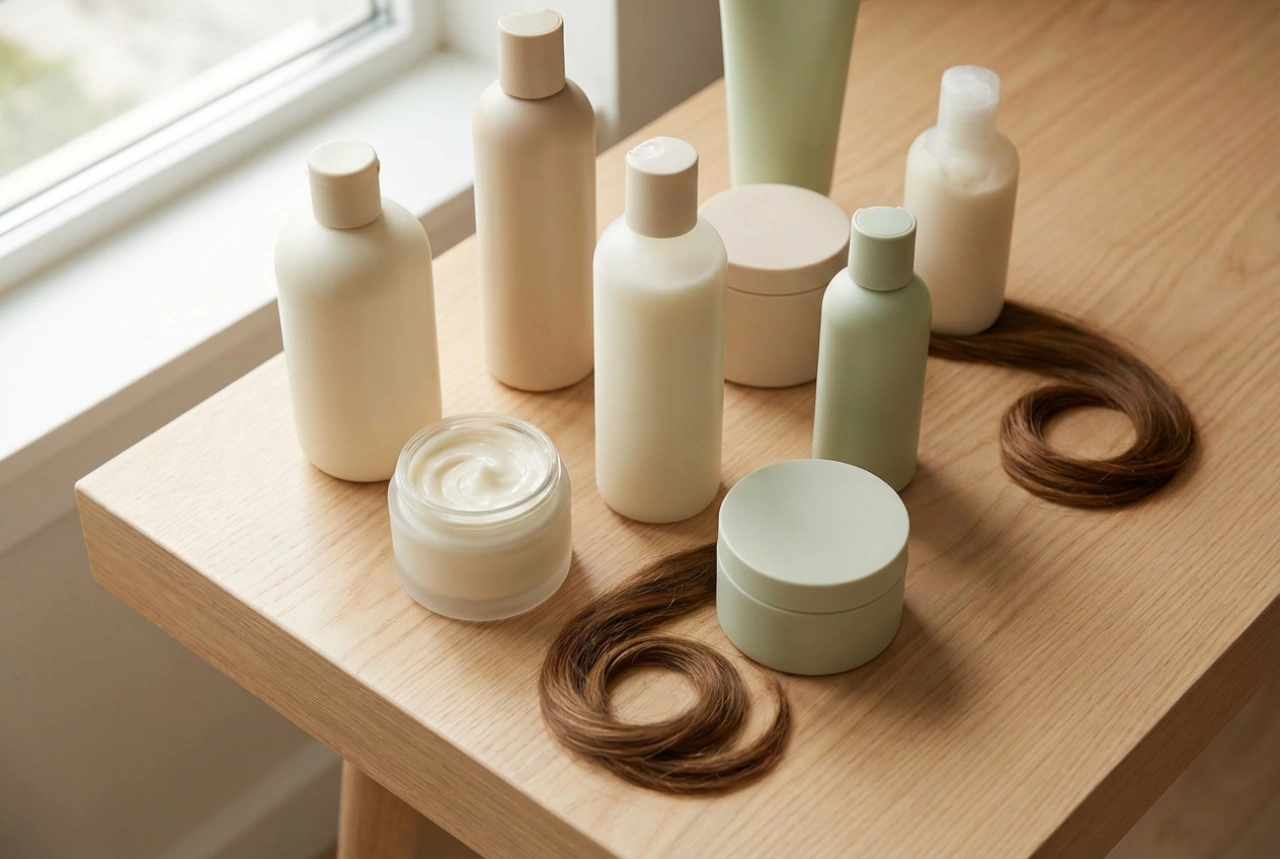
Not all scalp conditioners are created equal. The type of product you choose should depend on your specific scalp needs. For those with oily-prone scalps, a lightweight serum, gel, or liquid tonic is ideal. These formulations absorb quickly and deliver active ingredients without leaving a heavy residue. Look for ingredients that help regulate sebum production. If you have a dry or sensitive scalp, you might benefit from a slightly richer lotion or cream-based formula containing hydrating and soothing ingredients like hyaluronic acid, aloe vera, or chamomile extract. Always opt for products designed specifically for scalp application, as they are formulated to be non-comedogenic and rinse out cleanly or be absorbed without weighing hair down.
A Step-by-Step Guide to Application
Proper application is crucial to reap the benefits of a scalp conditioner without any unwanted side effects. Follow these steps for a flawless result.
- Start on a Clean Base: For best results, apply your scalp conditioner after washing and conditioning your hair as usual. Gently towel-dry your hair so it is damp, not dripping wet. A clean scalp allows for better product absorption.
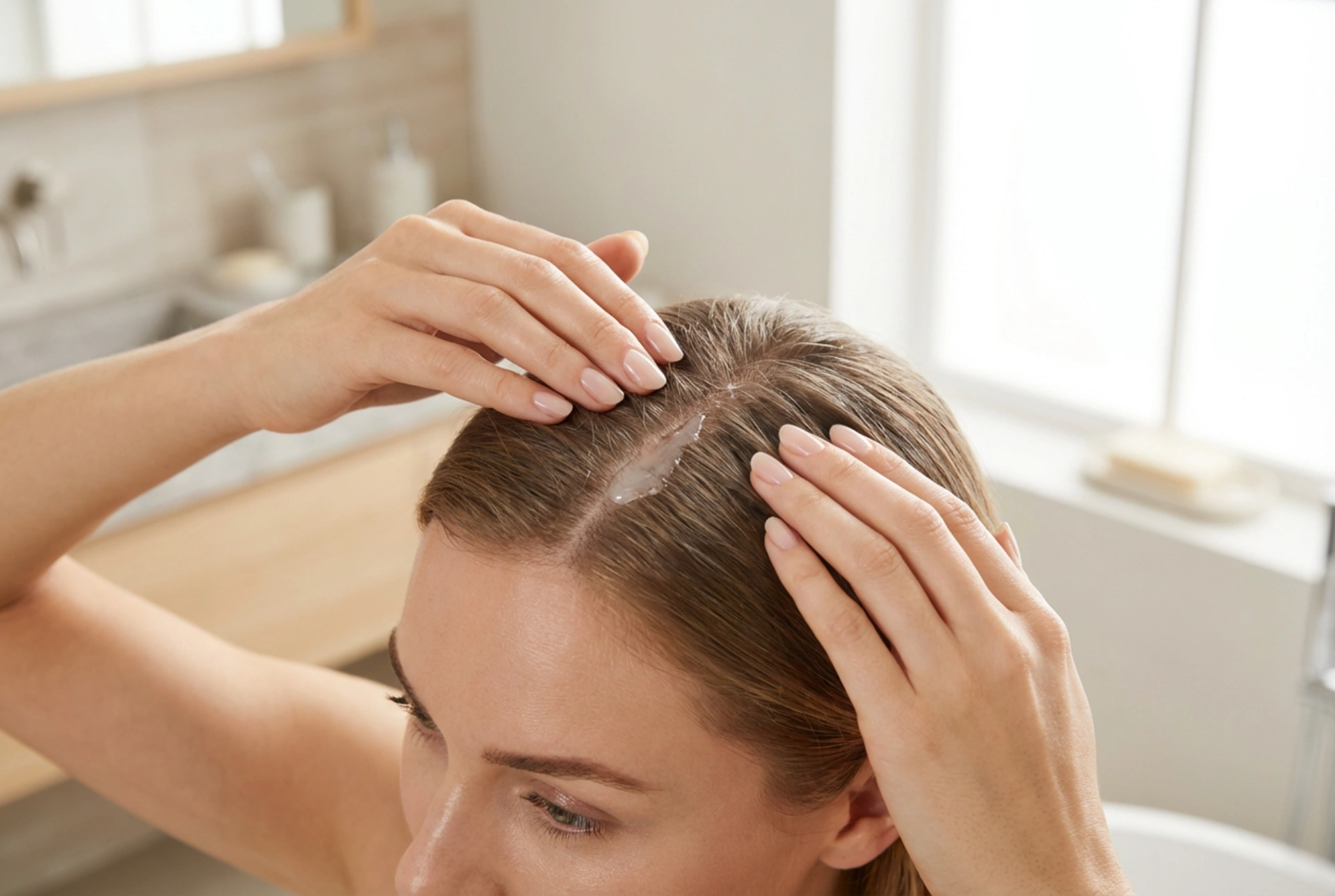
- Section Your Hair: To ensure the product reaches your scalp and not just your hair, part your hair into several sections. You can use clips to hold the sections apart. This methodical approach allows for even distribution across the entire head.
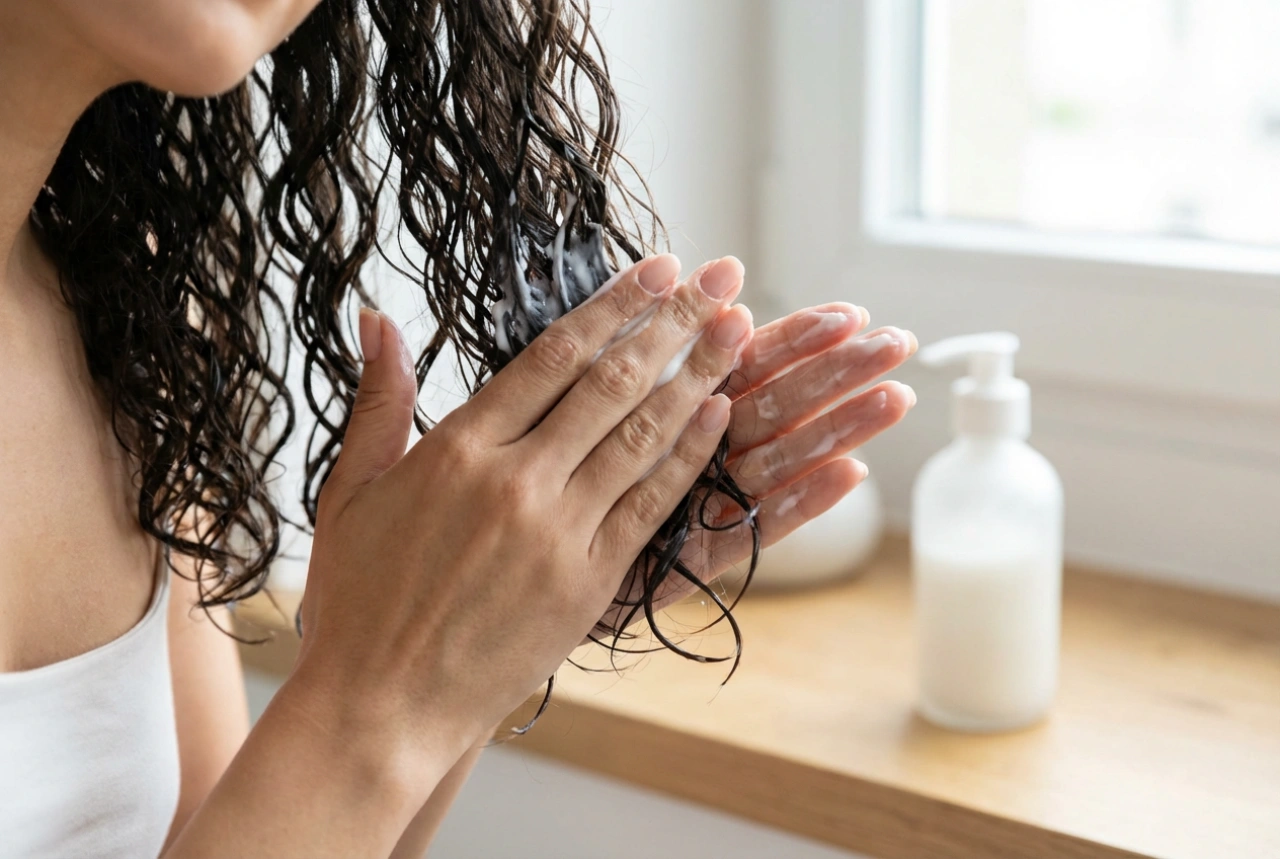
- Apply Directly to the Scalp: Dispense a small amount of the product onto your fingertips or use the applicator nozzle if one is provided. Apply it directly along the partings you have created. Focus on the skin, avoiding the hair roots as much as possible. Remember that a little goes a long way.
- Massage Gently: Once the product is applied, use the pads of your fingertips (not your nails) to gently massage it into your scalp. Use small, circular motions. This not only helps to distribute the product evenly but also stimulates blood circulation to the scalp, which is beneficial for hair health.
- Follow Product Instructions: Pay close attention to whether your product is a 'leave-in' or 'rinse-out' formula. If it needs to be rinsed, leave it on for the recommended time before rinsing thoroughly with lukewarm water. If it is a leave-in product, you can proceed to style your hair as usual.
Common Mistakes to Avoid
To prevent a greasy outcome, be mindful of these common errors. The most frequent mistake is using too much product. Start with a very small amount and add more only if necessary. Another pitfall is applying the conditioner to the hair strands instead of concentrating it on the scalp. This will inevitably weigh the hair down at the root. Finally, if you are using a rinse-out formula, ensure you rinse it out completely. Any residue left behind can make your roots feel oily and limp. By avoiding these simple mistakes, you can successfully integrate a scalp conditioner into your regimen for a healthier scalp and beautiful hair.