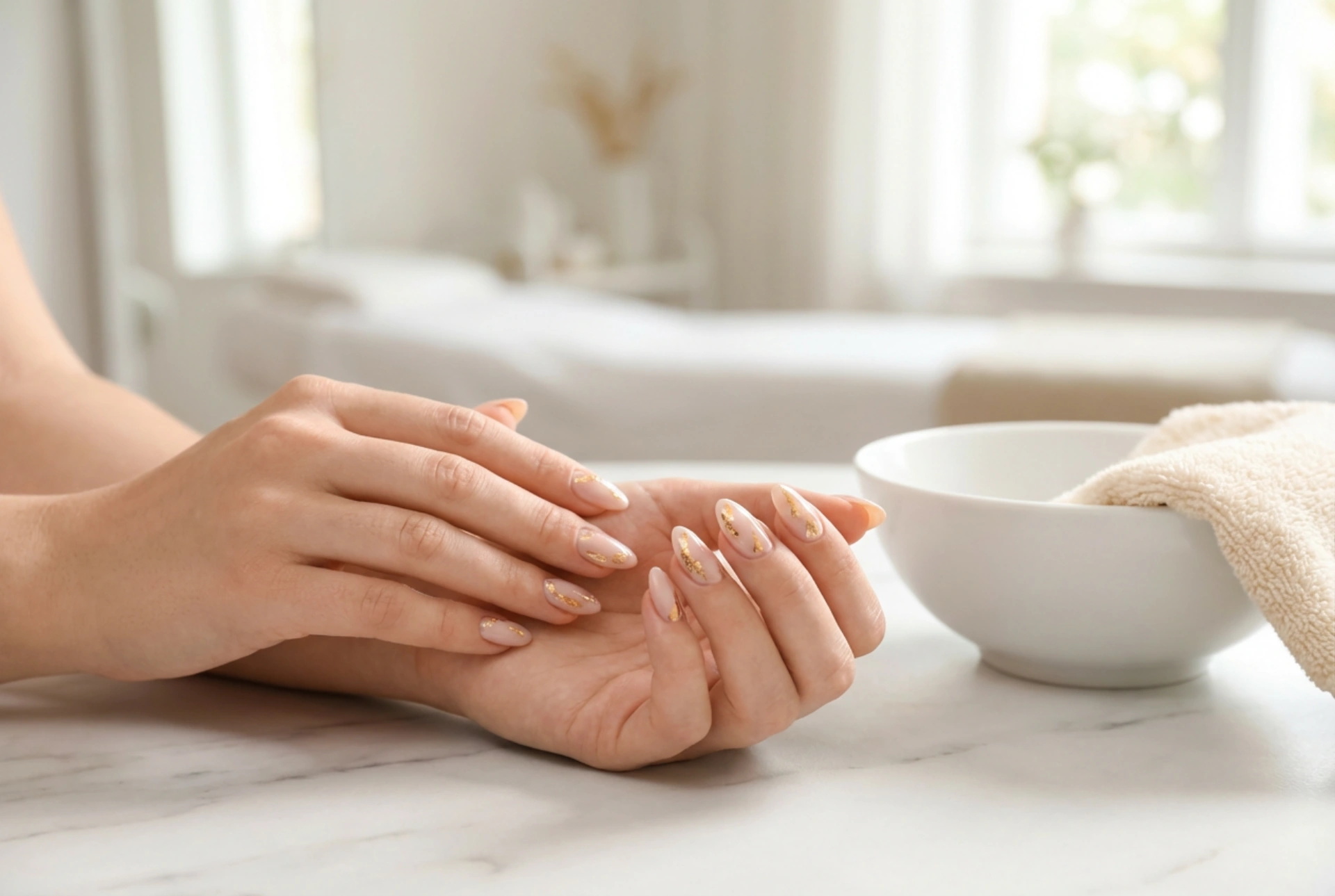


Gold foil nail art adds an instant touch of luxury and sophistication to any manicure. Whether you're aiming for a subtle shimmer or a bold metallic statement, this versatile technique can be easily mastered at home. It allows for endless creativity, from delicate accents on a single nail to full-coverage designs that catch the light beautifully. Achieving a professional-looking and durable finish is all about understanding the right preparation and application process.
Preparing Your Nails for Foil Application
A flawless manicure begins with a well-prepared canvas. Proper preparation not only ensures a smoother application but also significantly extends the life of your nail art. Rushing this stage is often the primary reason for chipping or peeling.
Follow these essential steps:
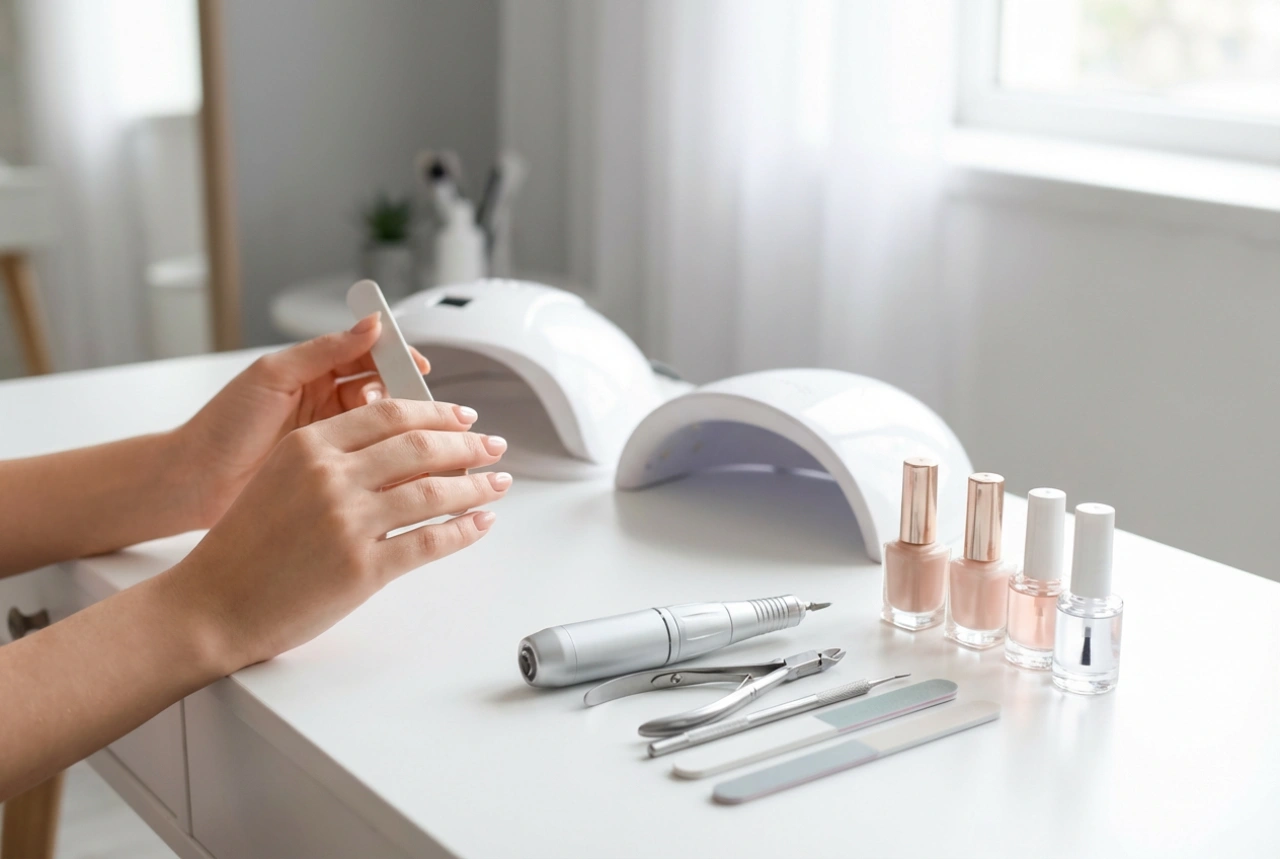
- Clean and Shape: Start by removing any old polish. File and shape your nails to your desired length and form. Gently buff the nail surface with a fine-grit buffer. This removes natural oils and creates a slightly rough texture that helps the base coat and polish adhere better.
- Cuticle Care: Gently push back your cuticles using a wooden or silicone cuticle pusher. Avoid cutting them, as this can lead to irritation. A clean cuticle line provides a larger, neater surface for your polish.
- Base Coat and Colour: Apply a thin layer of a quality base coat to protect your natural nails and create an even foundation. Let it dry completely. Afterwards, apply one or two coats of your chosen nail polish colour. Let the polish dry until it is almost, but not entirely, hard. For transfer foils, a slightly tacky surface can sometimes help, but using a dedicated foil glue is the most reliable method for a perfect result.
Step-by-Step Guide to Applying Gold Foil
There are two main types of nail foil used for home manicures: transfer foil and foil flakes (or leaf). Each requires a slightly different technique, but both can produce stunning results.
Technique 1: Using Transfer Foil
Transfer foil comes in a roll or sheet with a clear plastic backing. The design is transferred from the foil onto the nail using a special adhesive.
- Apply Foil Glue: After your colour polish is dry, apply a very thin, even layer of nail foil glue over the entire nail or just on the areas where you want the design. The glue often appears milky at first.
- Wait for the Glue to Turn Tacky: This is the most crucial step. You must wait for the glue to become completely transparent. When it's ready, it will be clear and very tacky to the touch. This usually takes about a minute.
- Press the Foil: Cut a piece of transfer foil slightly larger than your nail. Press it firmly onto the nail with the dull side facing down. The shiny, coloured side should be facing up.
- Rub and Transfer: Use a silicone nail tool, a cotton bud, or your fingertip to gently but firmly rub all over the foil. Pay special attention to the edges and cuticle line to ensure the entire design transfers.
- Peel It Off: Gently and slowly peel back the clear plastic sheet. The gold pattern should now be adhered to your nail. If any spots are missed, you can reapply a tiny amount of glue, wait for it to get tacky, and press the foil on again.
Technique 2: Using Foil Flakes
Foil flakes, also known as gold leaf, offer a more abstract, shattered-glass effect. They are perfect for creating unique, artistic accents.
- Create a Tacky Surface: You can apply flakes onto a still-tacky layer of colour polish or a clear top coat. Alternatively, for more precision, use foil glue as described in the previous method.
- Pick Up the Flakes: Use a pair of fine-point tweezers or a wax-tipped pencil to pick up individual flakes. They are extremely delicate, so be gentle.
- Place and Arrange: Carefully place the flakes onto the tacky surface of your nail. You can arrange them randomly for a scattered look or group them together to create a specific design.
- Press Them Down: Once you are happy with the placement, gently tap the flakes with your fingertip or a soft silicone tool to flatten them against the nail surface. This ensures there are no raised edges that could snag or peel.
Achieving a Smooth and Durable Finish
Sealing your design correctly is the key to making your gold foil manicure last. Without a proper top coat, the delicate foil will quickly chip and wear away. The goal is to encase the foil completely for a smooth, glossy finish.
First, ensure any flakes are perfectly flat against the nail. Then, select a good-quality top coat. A 'plumping' or gel-effect top coat works particularly well as it provides a thicker protective layer. When applying the first layer of top coat, 'float' the brush over the nail. This means using a generous amount of product on the brush and applying it with very light pressure, avoiding dragging the bristles directly on the foil. Dragging the brush can cause the foil to wrinkle, tear, or smudge. Let the first layer dry completely. For maximum durability, apply a second layer of top coat, making sure to 'cap' the free edge of your nail by running the brush along the tip. This seals the entire design and helps prevent chipping.
Common Mistakes to Avoid
Even a simple process can have pitfalls. Being aware of common mistakes will help you achieve a flawless look on your first try.
- Not Waiting for the Glue: Applying transfer foil before the glue turns clear and tacky is the most frequent error. This results in a patchy, incomplete transfer. Patience is key.
- Applying Foil Backwards: Always remember to apply transfer foil with the dull side down. The shiny, patterned side must face you.
- Using the Wrong Top Coat: Some very fast-drying top coats contain strong solvents that can cause certain types of foil to crinkle or dissolve. If you notice this happening, switch to a different top coat.
- Skipping the Top Coat on Edges: Failing to properly seal the tip and sides of the nail with a top coat leaves the foil vulnerable. This is where chipping almost always begins.
- Overworking the Flakes: When applying foil flakes, place them and press them flat once. Moving them around too much on a tacky surface can create a smudged, messy look.