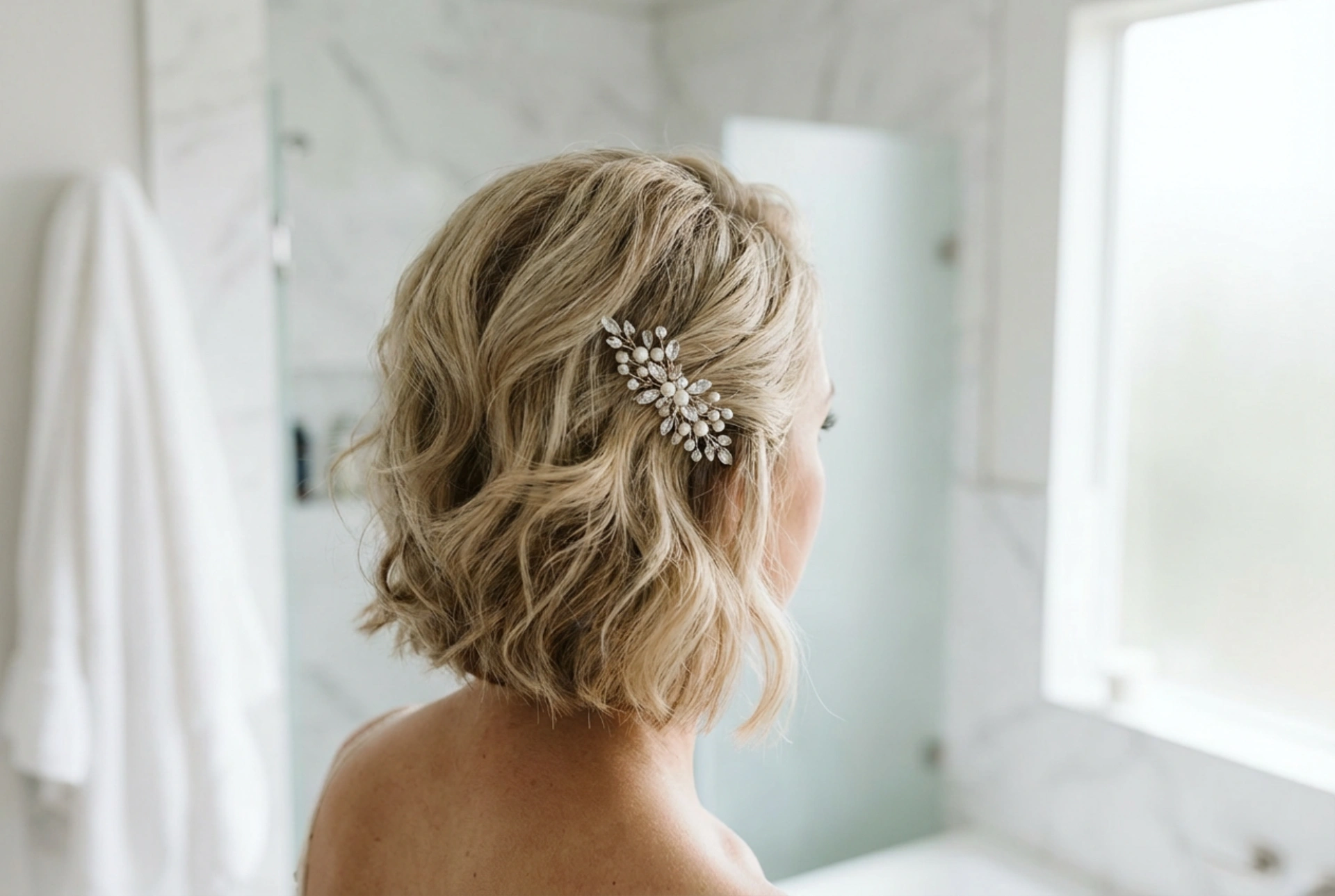


Achieving the perfect shade of blonde is an exciting journey, but maintaining its beauty and health requires a dedicated care routine. Bleached and lightened hair is chemically altered, making it more fragile and porous than natural hair. This is why the first step in your care regimen—cleansing—is so crucial. The right shampoo will not only clean your scalp and hair but also protect your investment by preserving the colour, providing essential moisture, and preventing damage. Let's explore how to choose the perfect shampoo for your lightened locks.
Why Bleached Hair Demands Specialised Cleansing
The process of bleaching involves using chemical agents to open up the hair's cuticle and dissolve the natural melanin pigments inside. While this effectively lightens the hair, it also compromises its structural integrity. The result is hair that is significantly more porous, meaning the cuticles remain partially open. This high porosity makes the hair prone to several issues: it absorbs and loses moisture rapidly, leading to dryness and brittleness; it's more susceptible to damage from heat styling and environmental factors; and it can easily absorb minerals from water or pollutants, which can lead to unwanted brassy or yellow tones.
A standard shampoo, especially a harsh clarifying one, can be too aggressive for such delicate hair. It can strip away the hair's natural oils, further dehydrate the strands, and cause your beautiful blonde colour to fade or turn brassy much faster. Therefore, using a shampoo specifically formulated for the needs of lightened hair is not a luxury, but a necessity.
Key Qualities of a Shampoo for Lightened Hair
When searching for a suitable shampoo, focus on its properties and formulation rather than just its name. A good shampoo for bleached hair should offer a balance of gentle cleansing, intense nourishment, and effective colour protection. Here are the key characteristics to look for:
- Gentle Cleansing Agents: Opt for formulas that are free from harsh sulphates (like SLS or SLES) and instead use milder, plant-derived surfactants. These gentle cleansers effectively remove dirt and product build-up from the scalp without stripping the hair of its necessary moisture or precious colour molecules.
- Moisturising and Repairing Ingredients: Because bleached hair is dry and weakened, it craves moisture and protein. Look for shampoos enriched with hydrating ingredients like glycerin, panthenol, and hyaluronic acid, as well as nourishing plant oils (e.g., argan, coconut, or jojoba oil). Ingredients like hydrolysed proteins (from keratin, silk, or wheat) can temporarily patch up gaps in the cuticle, strengthening the hair and improving its elasticity.
- Colour-Correcting Pigments: To combat brassiness, many shampoos for blonde hair contain violet or blue pigments. These colours are opposite yellow and orange on the colour wheel, so they work to neutralise those unwanted warm tones, keeping your blonde looking cool and fresh. However, these should be used in moderation to avoid a purplish tint.
- pH-Balanced Formula: A shampoo with a slightly acidic pH helps to seal the hair cuticle. A closed cuticle not only reflects more light, making your hair look shinier and healthier, but it also locks in moisture and colour pigments, extending the life of your blonde shade.
The Correct Technique for Washing Bleached Hair
How you wash your hair is just as important as what you use. Applying the right technique will minimise stress on your fragile strands.
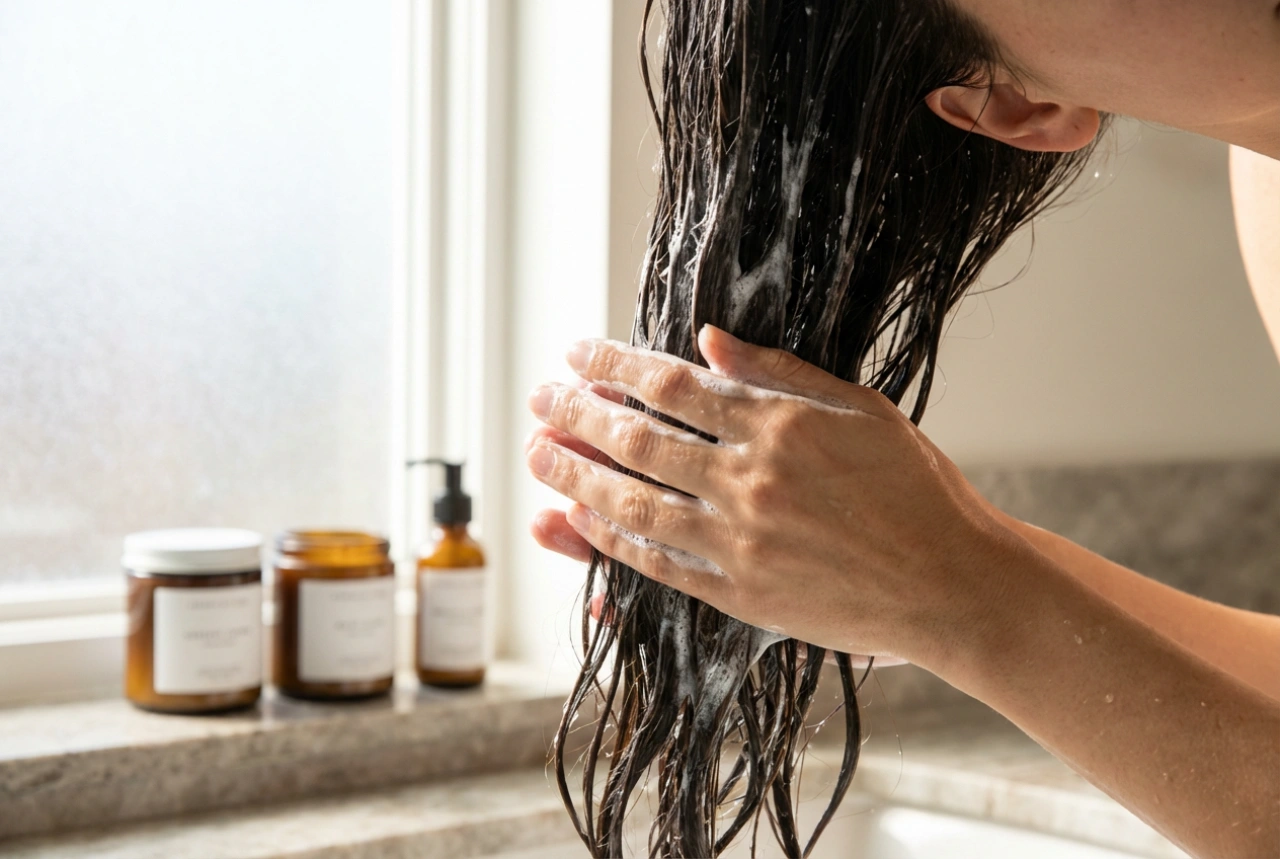
First, thoroughly wet your hair with lukewarm water—never hot, as high temperatures can open the cuticle further and cause colour to fade. Squeeze a small amount of shampoo into your palms and emulsify it before applying. Focus the application on your scalp, using your fingertips (not your nails) to gently massage and cleanse the roots where oil and dirt accumulate. Avoid vigorously rubbing the lengths and ends of your hair; the lather that rinses down from the scalp is sufficient to clean them. Rinse thoroughly until the water runs clear. Always, without exception, follow up with a hydrating conditioner, concentrating it on the mid-lengths and ends. For an extra boost of care, use a deep conditioning mask once a week.
Common Mistakes That Sabotage Your Blonde
Even with the right product, certain habits can undermine your hair's health and colour. Be mindful to avoid these common errors:
- Over-washing: Washing bleached hair too frequently can lead to excessive dryness. Try to limit washing to two or three times a week.
- Using Hot Water: Hot water strips natural oils and opens the hair cuticle, leading to frizz, dryness, and colour loss. Always stick to lukewarm or cool water.
- Skipping Conditioner: Conditioner is non-negotiable for bleached hair. It smooths the cuticle, replenishes moisture, detangles, and protects the hair from damage.
- Aggressive Towel Drying: Rubbing your hair with a rough towel can cause friction, leading to breakage and frizz. Instead, gently squeeze out excess water with a soft microfibre towel or an old cotton T-shirt.
- Overusing Purple Shampoo: While essential for toning, using a purple shampoo every single wash can deposit too much pigment, leaving a lilac or greyish cast on the hair. Alternate it with a hydrating, colour-safe shampoo that doesn't contain pigments.