

Hand washing is a fundamental part of our daily hygiene routine, a simple ritual that protects our health. However, frequent washing can sometimes leave the skin on our hands feeling dry and tight. The key to maintaining soft, healthy hands lies not only in the frequency of washing but also in the product we choose. Natural liquid soaps have gained popularity as a gentle yet effective alternative, offering a cleansing experience that respects the skin's delicate balance. Understanding what goes into these soaps and how to use them correctly can transform a mundane task into a nourishing act of self-care.
What Defines a 'Natural' Liquid Soap?
The term 'natural' in cosmetics often refers to products formulated primarily with ingredients derived from plant, mineral, or animal sources, processed in a way that preserves their integrity. In the context of liquid soap, this means moving away from synthetic detergents and embracing traditional soap-making methods adapted for a liquid format. These formulations focus on cleansing effectively while being kind to the skin.
Key Components of Natural Liquid Soaps
- Saponified Oils: The foundation of any true soap is the chemical reaction between fats or oils and an alkali, a process called saponification. Natural liquid soaps typically use a blend of plant-based oils like olive, coconut, sunflower, or jojoba oil. Each oil contributes different properties to the final product – for example, coconut oil creates a rich lather, while olive oil is known for its moisturising qualities.
- Glycerin: A valuable by-product of the saponification process, glycerin is a humectant. This means it attracts moisture from the air to the skin, helping to keep it hydrated and counteracting the potential drying effect of cleansing. In many commercial soaps, this glycerin is removed, but in natural soaps, it is often retained for its skin-benefiting properties.
- Essential Oils and Plant Extracts: For fragrance and additional benefits, natural soaps utilise essential oils distilled from plants, flowers, and herbs. These provide a subtle, authentic scent without the use of synthetic perfumes. Furthermore, extracts from plants like aloe vera, calendula, or chamomile may be added for their soothing and gentle properties.
The Importance of pH in Hand Soaps
Understanding the concept of pH is crucial to appreciating how different soaps interact with our skin. The pH scale measures how acidic or alkaline a substance is, ranging from 0 (very acidic) to 14 (very alkaline), with 7 being neutral. This balance plays a significant role in skin health.
The Skin's Natural pH
The surface of our skin is naturally protected by a thin, acidic film called the acid mantle, which typically has a pH between 4.5 and 5.5. This acidity helps the skin's barrier function, protecting it from environmental stressors and retaining moisture. When this barrier is disrupted, the skin can become more susceptible to dryness and irritation.
How Soap's pH Affects the Skin
True soaps created through saponification are naturally alkaline, with a pH usually between 9 and 10. While this alkalinity is what makes soap so effective at breaking down dirt and oils, it can temporarily alter the skin's acid mantle. For most people, the skin quickly rebalances itself. However, for those with sensitive skin or who wash their hands very frequently, this constant shift in pH can contribute to dryness. Many natural liquid soaps are formulated to be as gentle as possible, often enriched with extra oils (superfatting) or moisturising ingredients like glycerin to help buffer the skin and support its barrier, leaving it feeling comfortable and soft after washing.
The Correct Technique for Washing Hands
Using a good quality soap is only half the battle; the other half is technique. A proper hand washing method ensures maximum cleanliness while minimising stress on the skin. Following these steps can help maintain healthy, well-cared-for hands.
A Step-by-Step Guide to Gentle and Effective Hand Washing
1. Use Lukewarm Water: Begin by wetting your hands under clean, running water. Avoid using hot water, as it can strip the skin of its natural oils more aggressively, leading to dryness.
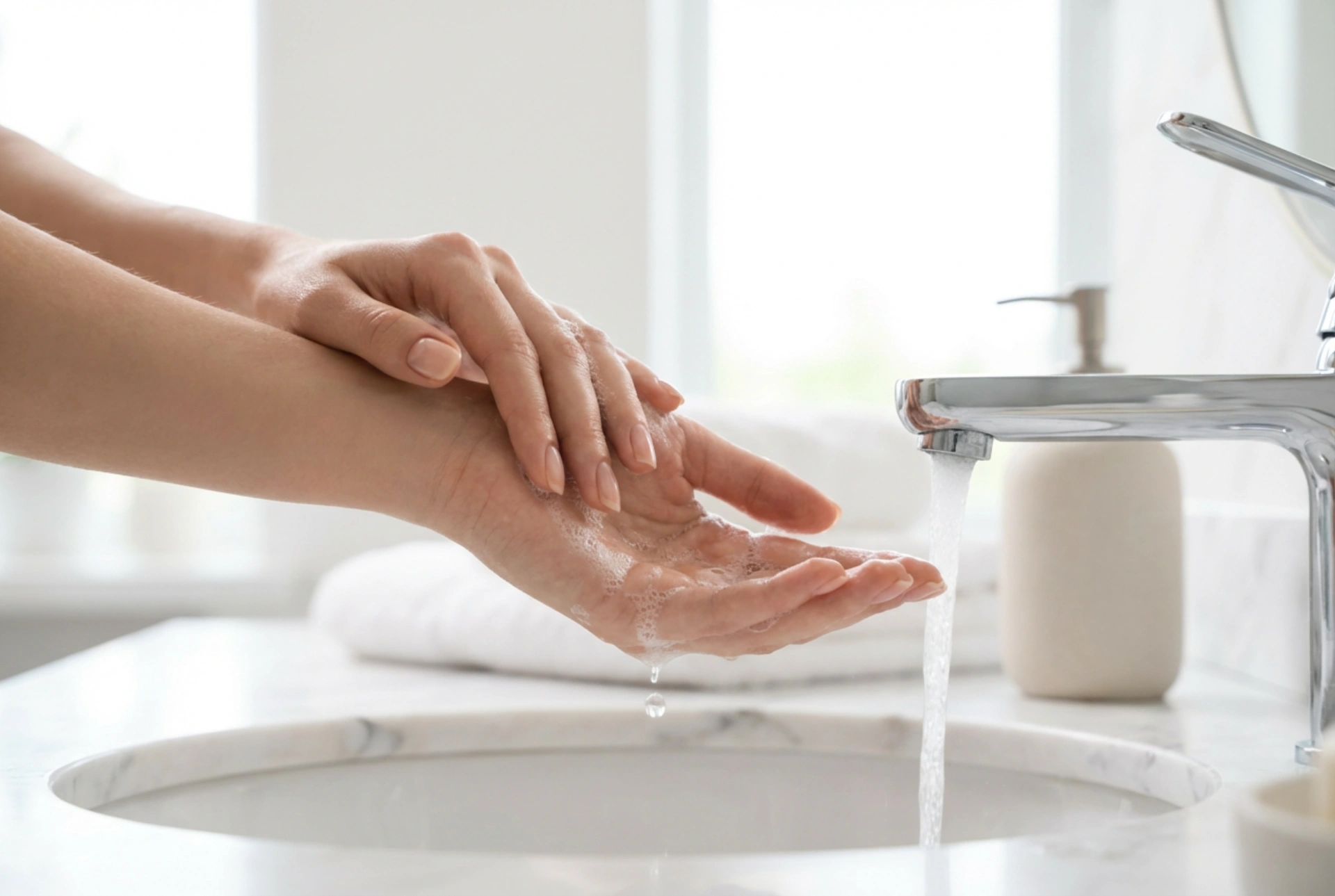
2. Apply and Lather: Dispense a small amount of liquid soap into your palm. Rub your hands together to create a rich lather. Be thorough, ensuring the foam covers your palms, the back of your hands, in between your fingers, and around your thumbs.
3. Scrub for 20 Seconds: Meticulously scrub all surfaces of your hands for at least 20 seconds. This is the amount of time needed to effectively remove germs and dirt. A simple way to time this is to hum a short tune, like 'Happy Birthday', from beginning to end twice.
4. Clean Under the Nails: Don't forget the area under your fingernails, as this is a common place for dirt to accumulate. You can clean this area by rubbing the tips of your fingers against the palm of your opposite hand.
5. Rinse Thoroughly: Place your hands back under the running water and rinse off all traces of soap. Residual soap can be a source of irritation and dryness.
6. Pat Dry Gently: Dry your hands with a clean towel. Pat the skin dry rather than rubbing it vigorously, as the friction can be harsh on the skin's surface.
7. Moisturise Immediately: To lock in moisture and support the skin's barrier, apply a hand cream or lotion immediately after drying your hands, especially if they are prone to dryness. This final step replenishes any lost hydration and keeps hands feeling smooth and supple.