

Hand hygiene is a fundamental aspect of our daily self-care routine, and the right products can make this practice both effective and pleasant. With an array of hand cleansers available, from gels to sprays, making an informed choice is key to maintaining clean and comfortable hands. The thoughtful selection of a sanitising product, paired with proper aftercare, ensures that your skin remains balanced and nurtured. Let's explore the various aspects to consider when picking a hand sanitiser that suits your needs and lifestyle.
Understanding Hand Sanitiser Formulas
The formulation of a hand sanitiser significantly impacts its feel and application. The most common types each offer a unique user experience, and your personal preference will likely determine which one you reach for most often.
Gel-Based Sanitisers
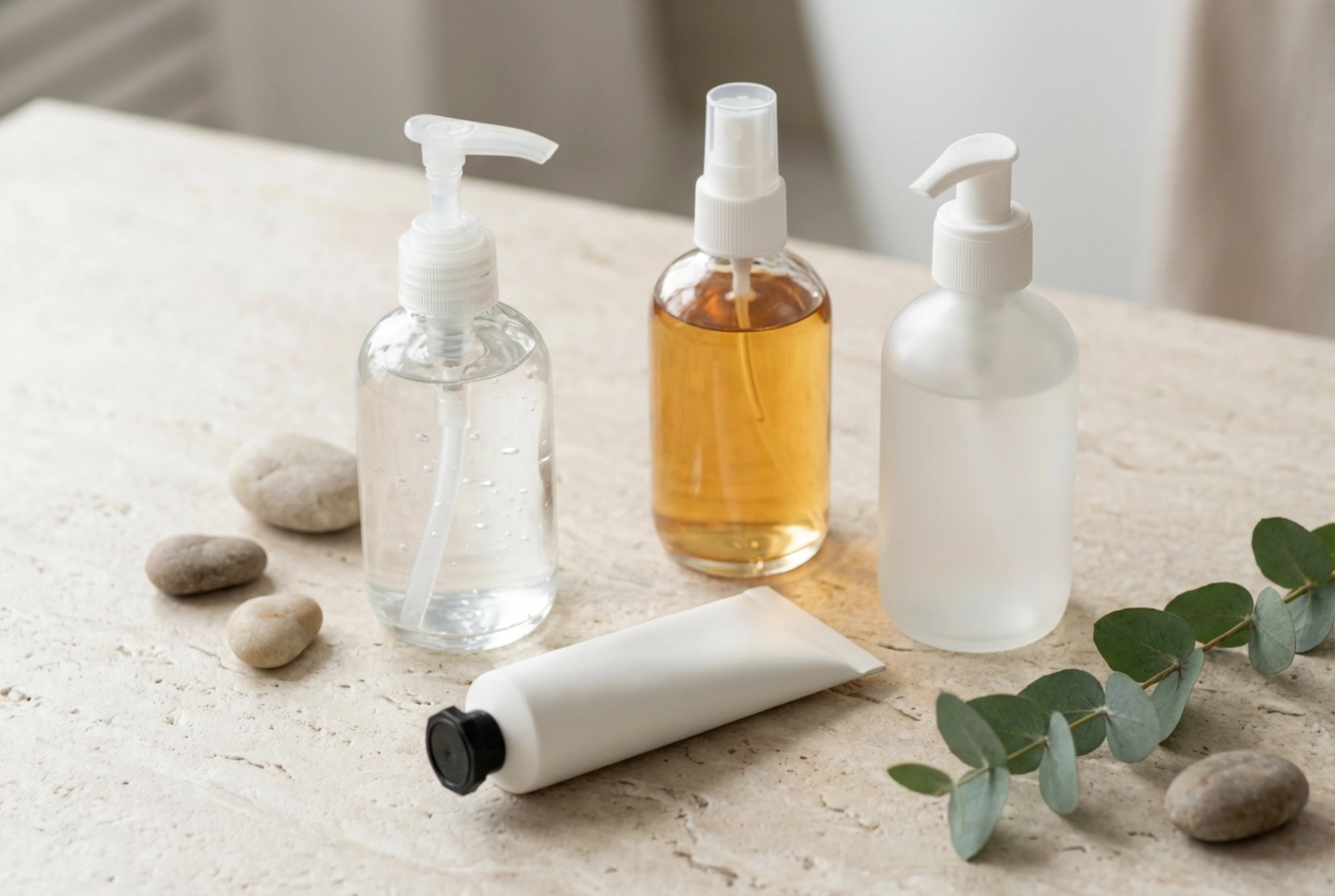
Gels are perhaps the most traditional and widely available option. Their thicker consistency means they are less likely to drip, allowing for a more controlled application. Many gel formulas also contain emollients like aloe vera or glycerin, which can help to slightly offset the drying effect of alcohol, leaving hands feeling a little softer immediately after use. They are easy to spread across the palms, back of the hands, and between the fingers.
Liquid and Spray Sanitisers
Liquid sanitisers, often found in spray bottles, offer a lightweight and fast-drying alternative. A fine mist can quickly cover a large surface area, making them very efficient to use. They feel less sticky than some gels and evaporate almost instantly. However, due to their watery consistency and rapid evaporation, they can sometimes feel more drying on the skin. They are excellent for those who dislike any form of residue on their hands.
Foam Sanitisers
A less common but increasingly popular option is the foam sanitiser. Dispensed through a special pump, the liquid is aerated into a light, airy foam. This formulation is pleasant to use and spreads very easily, providing good coverage without dripping. Many users find the texture luxurious and gentle, and like gels, foam products often include moisturising ingredients.
Choosing the Right Container for Your Lifestyle
Beyond the formula, the packaging of a hand sanitiser plays a crucial role in its convenience and usability. The ideal container depends on where and when you plan to use it.
- Travel-Sized Bottles: For on-the-go use, nothing beats a small, portable bottle that can be slipped into a pocket, handbag, or car glove compartment. These typically come in 50-100ml sizes with secure flip-top caps or as fine-mist sprays.
- Pump Dispensers: Larger bottles with pump dispensers are perfect for stationary use at home or in the office. Placed by an entryway, on a desk, or in the kitchen, they offer easy, one-handed access for frequent cleansing.
- Refillable Options: To be more sustainable and economical, consider purchasing larger refill pouches or bottles. You can then top up your smaller, decorative, or portable dispensers as needed. This reduces plastic waste and often costs less in the long run.
The Importance of Aftercare: Soothing Your Hands
Frequent use of alcohol-based hand sanitisers is effective for cleansing, but it can take a toll on your skin. Alcohol strips away natural oils, which can disrupt the skin's protective barrier, leading to dryness, tightness, and discomfort. This makes post-sanitising care an essential, non-negotiable step.
The Role of Hand Cream
Applying a hand cream after using a sanitiser (once your hands are fully dry) is the best way to counteract its drying effects. A good hand cream replenishes lost moisture, soothes the skin, and helps to restore its natural barrier. Making this a regular habit will keep your hands feeling soft, smooth, and healthy.
Nourishing Ingredients to Look For
When selecting a hand cream, look for products with hydrating and barrier-repairing ingredients. Key components include:
- Humectants: Such as glycerin and hyaluronic acid, which draw moisture into the skin.
- Emollients: Like shea butter, cocoa butter, and plant oils (jojoba, almond, coconut oil), which soften and smooth the skin's surface.
- Occlusives: Ingredients like ceramides or dimethicone that form a protective layer on the skin to lock in moisture and prevent it from escaping.
By choosing a sanitiser formula and container that fits your life and committing to a routine of regular moisturising, you can successfully maintain hand hygiene without sacrificing the health and comfort of your skin.