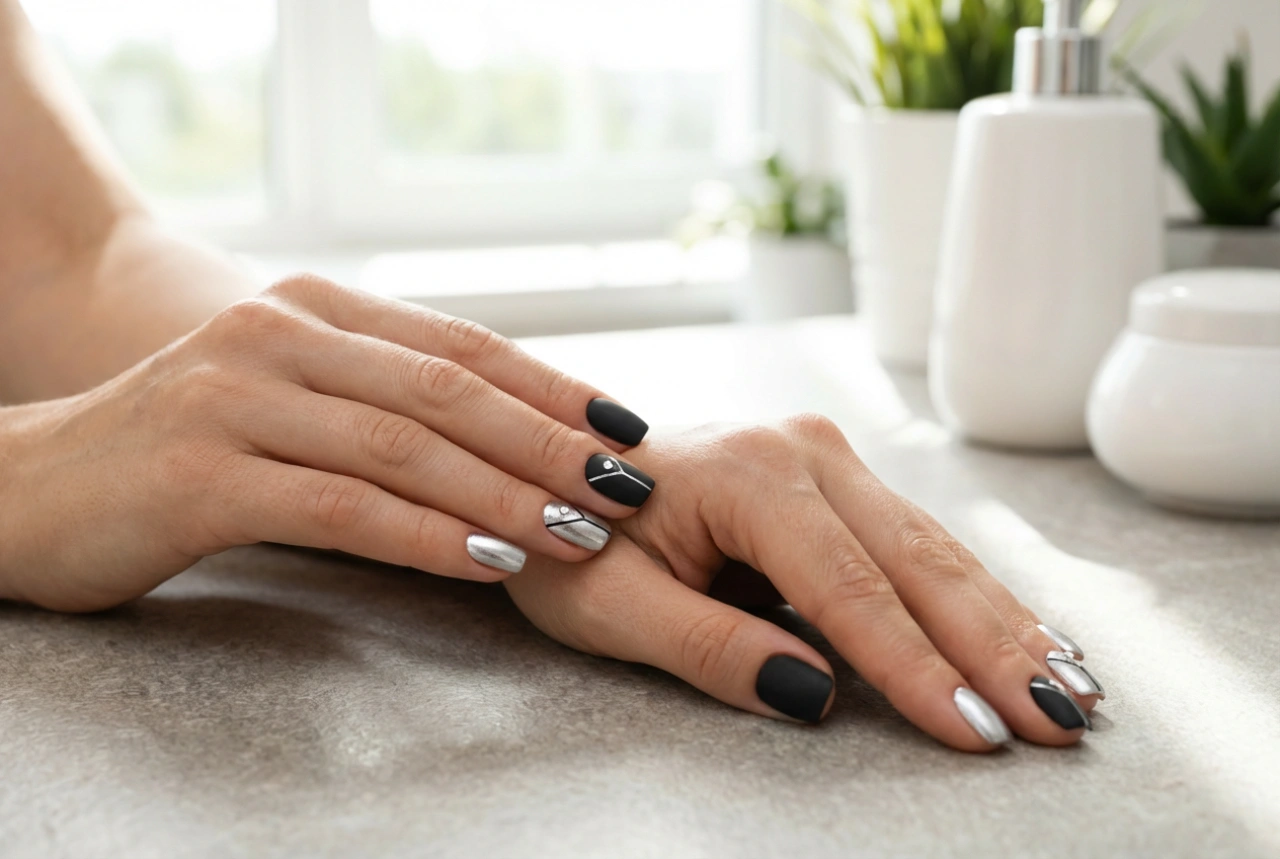


Achieving a glossy, chip-free manicure that lasts for weeks is no longer exclusive to salon visits. With the right tools and techniques, you can create a professional-looking gel manicure in the comfort of your own home. A comprehensive gel nail kit provides everything you need to get started. Understanding each component and following the correct procedure is key to achieving a flawless finish and maintaining the health of your nails. This guide will walk you through the essential elements of a typical kit and provide a detailed, step-by-step process for application and removal.
What's Inside a Typical Gel Nail Kit?
While kits can vary, most starter sets contain a core group of items essential for the gel manicure process. Familiarising yourself with these components will demystify the process and help you use them effectively.
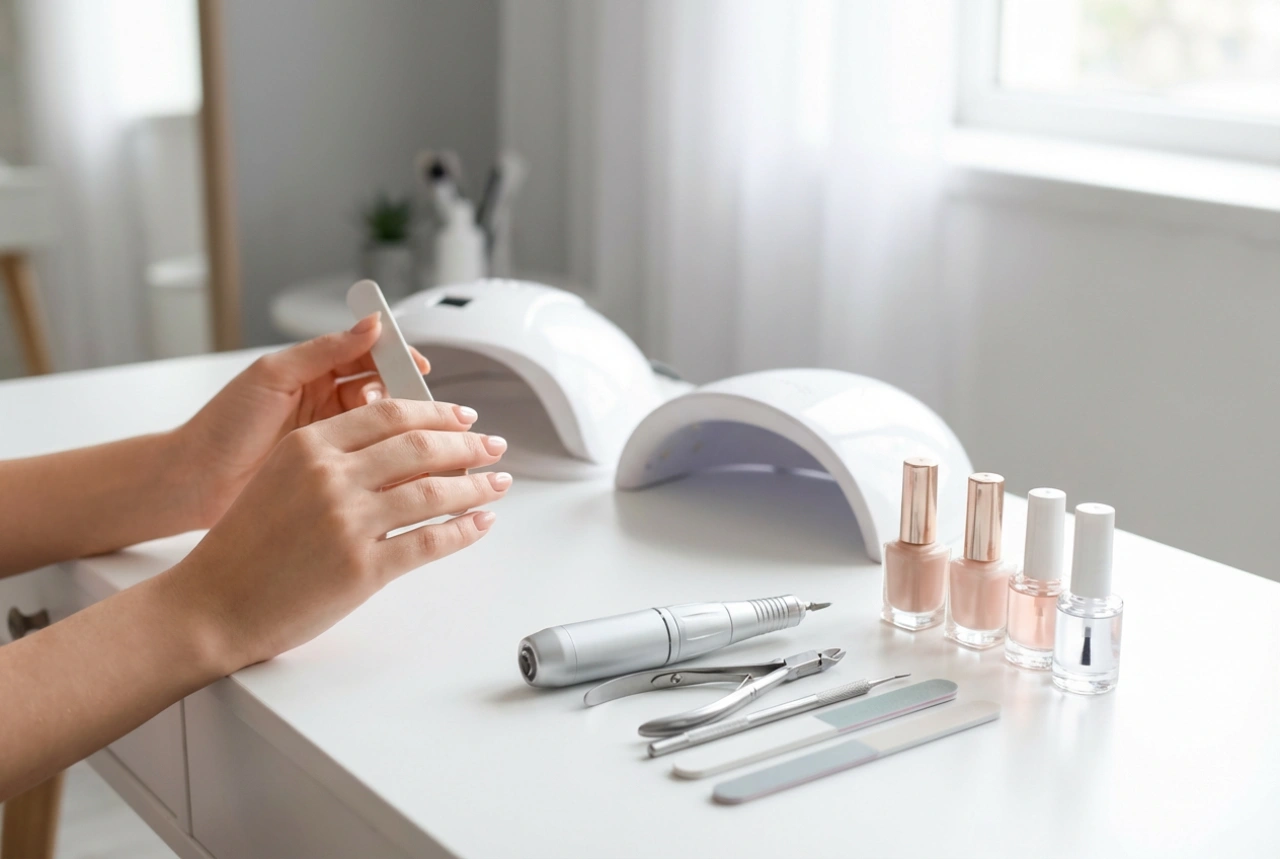
The Curing Lamp
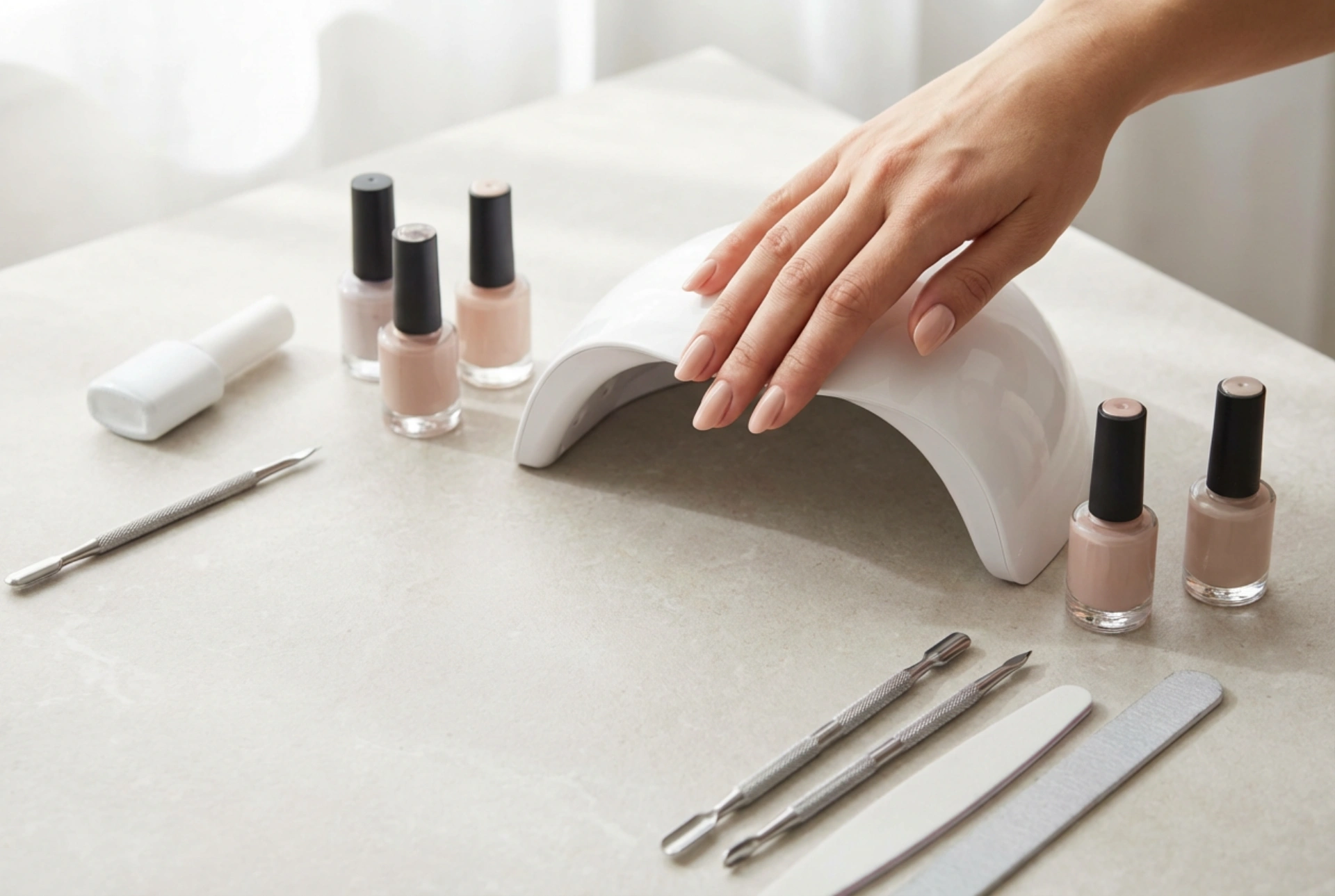
The lamp is the centrepiece of any gel nail kit. Its purpose is to cure, or harden, the gel polish using ultraviolet (UV) or light-emitting diode (LED) light. LED lamps generally cure polish faster, often in 30-60 seconds, while traditional UV lamps might take 2-3 minutes per coat. Many modern lamps offer both technologies. The lamp's effectiveness is crucial for ensuring the polish is fully hardened, which prevents smudging and ensures longevity.
Essential Liquids and Polishes
A sequence of specific liquids is necessary to prepare the nail and build the manicure. These typically include:
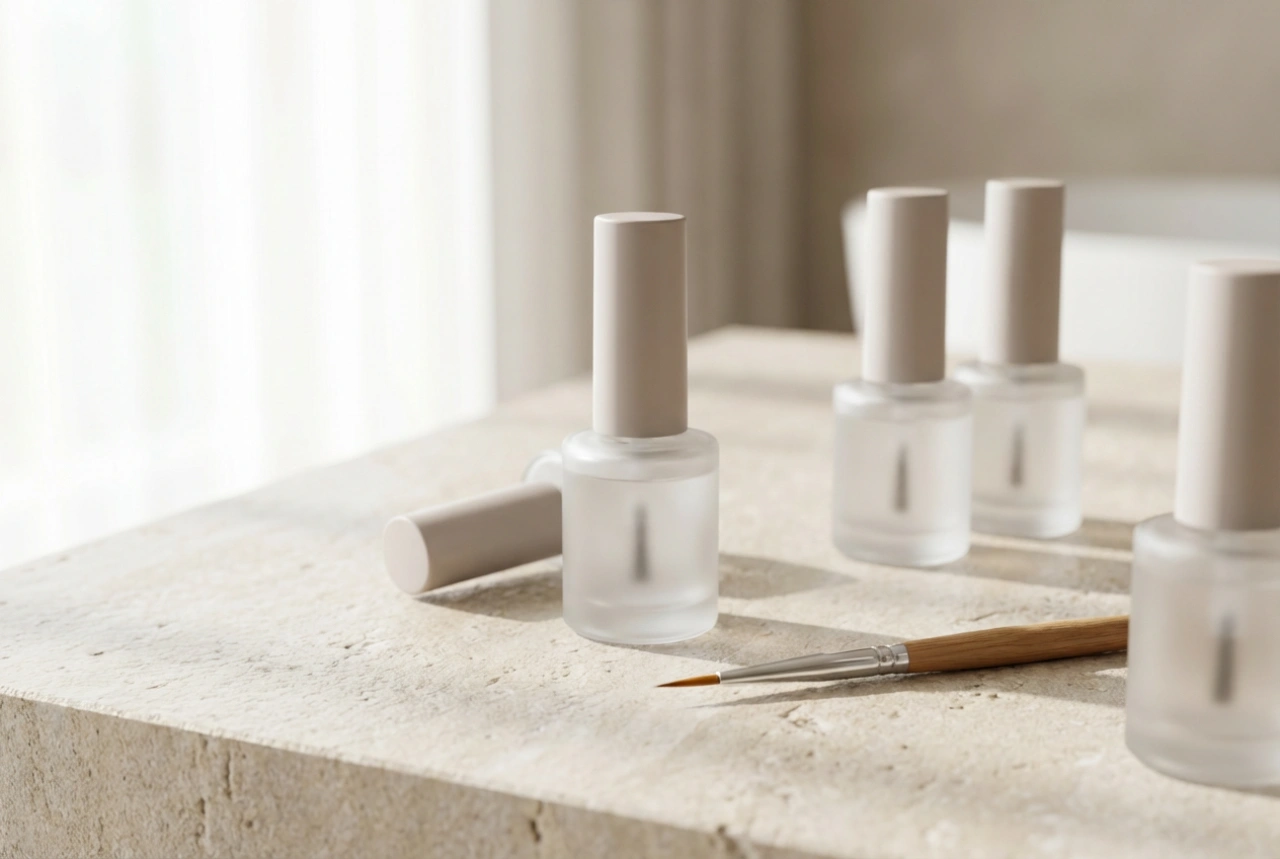
- Nail Prep/Dehydrator: A solution used to cleanse the nail plate, removing any oils and moisture to ensure maximum adhesion of the base coat.
- Base Coat: This is the foundation of your manicure. It creates a protective layer between your natural nail and the coloured polish, preventing staining and helping the manicure last longer.
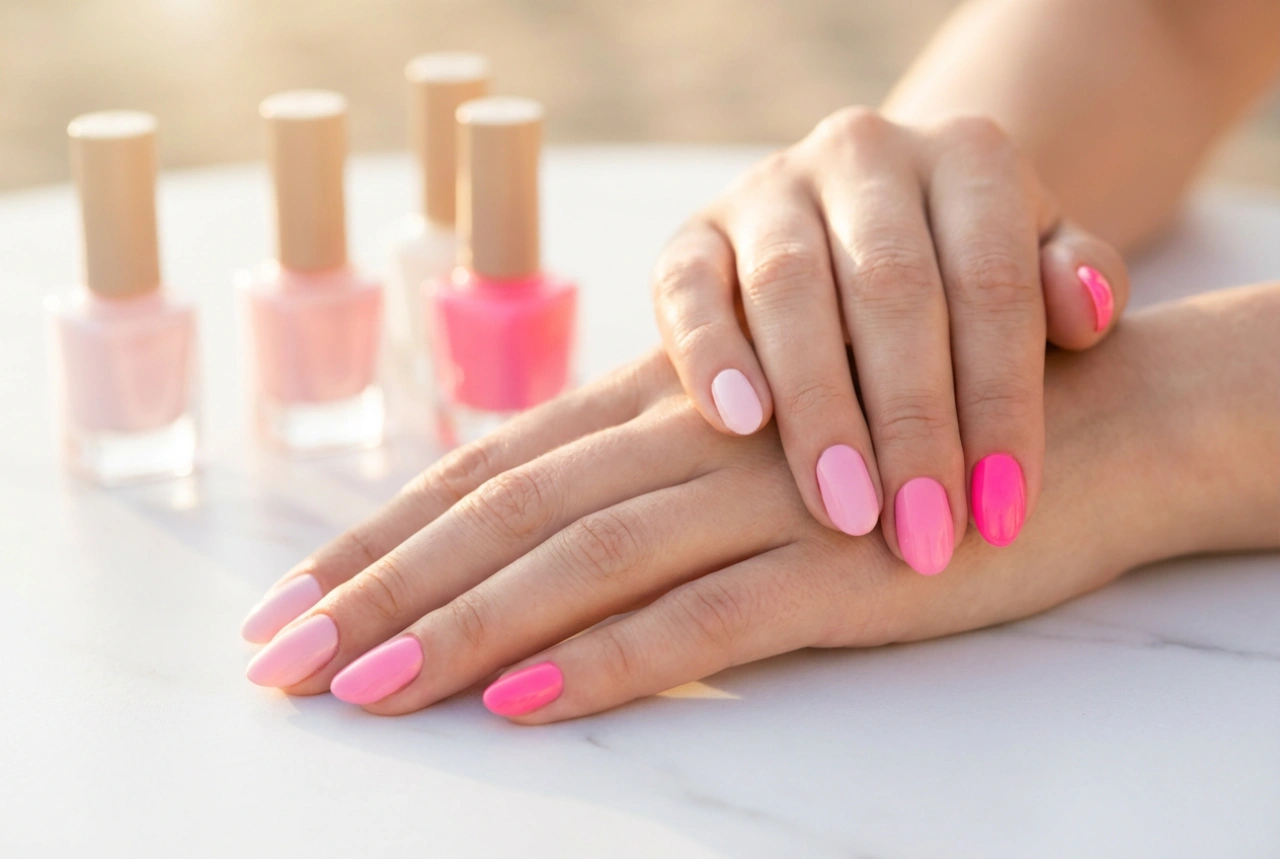
- Gel Colour Polish: The pigmented polish that gives your manicure its colour. Gel polishes have a thicker consistency than regular nail varnish and will remain wet until cured under the lamp.
- Top Coat: This is the final layer that seals in the colour, provides a high-gloss shine, and protects the manicure from chipping and scratching. Some are 'no-wipe', meaning they don't leave a sticky residue after curing, while others require a final cleanse.
- Gel Polish Remover: An acetone-based solution specifically designed to break down and dissolve the gel polish for safe removal.
Tools and Accessories
Proper preparation and finishing require a few key tools. A good kit will include a nail file for shaping, a buffer block to gently roughen the nail surface for better grip, a cuticle pusher to neaten the nail bed, and lint-free wipes for cleansing the nail without leaving behind any fibres.
Your Step-by-Step Guide to an At-Home Gel Manicure
Patience and precision are your best friends when applying gel polish. Rushing the process can lead to a messy finish and a manicure that doesn't last. Follow these steps carefully for the best results.
- Step 1: Prepare Your Nails. Start by filing your nails to your desired shape. Gently push back your cuticles using a cuticle pusher. Lightly buff the entire surface of each nail with a buffer block to remove the shine. This creates a slightly textured surface for the gel to adhere to. Finally, wipe each nail with a lint-free wipe soaked in nail prep/dehydrator solution.
- Step 2: Apply the Base Coat. Apply a very thin, even layer of the base coat to one hand. Be careful to avoid getting any polish on your skin or cuticles. 'Cap' the free edge of the nail by running the brush along the tip. Cure the hand under your lamp according to the manufacturer's instructions (e.g., 30-60 seconds for LED). The surface will feel slightly sticky, which is normal.
- Step 3: Apply the Gel Colour. Apply a very thin coat of your chosen gel colour, again avoiding the skin and capping the free edge. Cure under the lamp. Apply a second thin coat to achieve full opacity and cure again. Applying thin coats is critical; thick layers may not cure properly, leading to wrinkling or peeling.
- Step 4: Apply the Top Coat. Apply a thin layer of top coat, making sure to cover the entire nail and cap the free edge. This seals the colour and provides that signature long-lasting shine. Cure one final time under the lamp.
- Step 5: The Final Cleanse. If you are not using a no-wipe top coat, there will be a sticky inhibition layer on the nail. Take a fresh lint-free wipe with a bit of nail cleanser or isopropyl alcohol and wipe each nail firmly to reveal the hard, glossy finish underneath.
Tips for Longevity and Safe Removal
Making Your Manicure Last
To get the most out of your gel manicure, apply cuticle oil daily to keep your nails and the surrounding skin hydrated. Avoid using your nails as tools to open cans or scrape things. When doing household chores, especially those involving water or cleaning chemicals, wear gloves to protect your manicure.
How to Remove Gel Polish Safely
Never peel or pick off your gel polish, as this can strip away layers of your natural nail and cause significant damage. For safe removal, first use a file to gently buff away the shiny top coat. Then, soak a piece of cotton in gel polish remover, place it on the nail, and wrap the fingertip tightly in a small piece of aluminium foil. Wait for 10-15 minutes. After unwrapping, the gel should be soft and easy to gently scrape away with a wooden stick or cuticle pusher. Lightly buff any remaining bits, and finish by applying a nourishing nail oil.