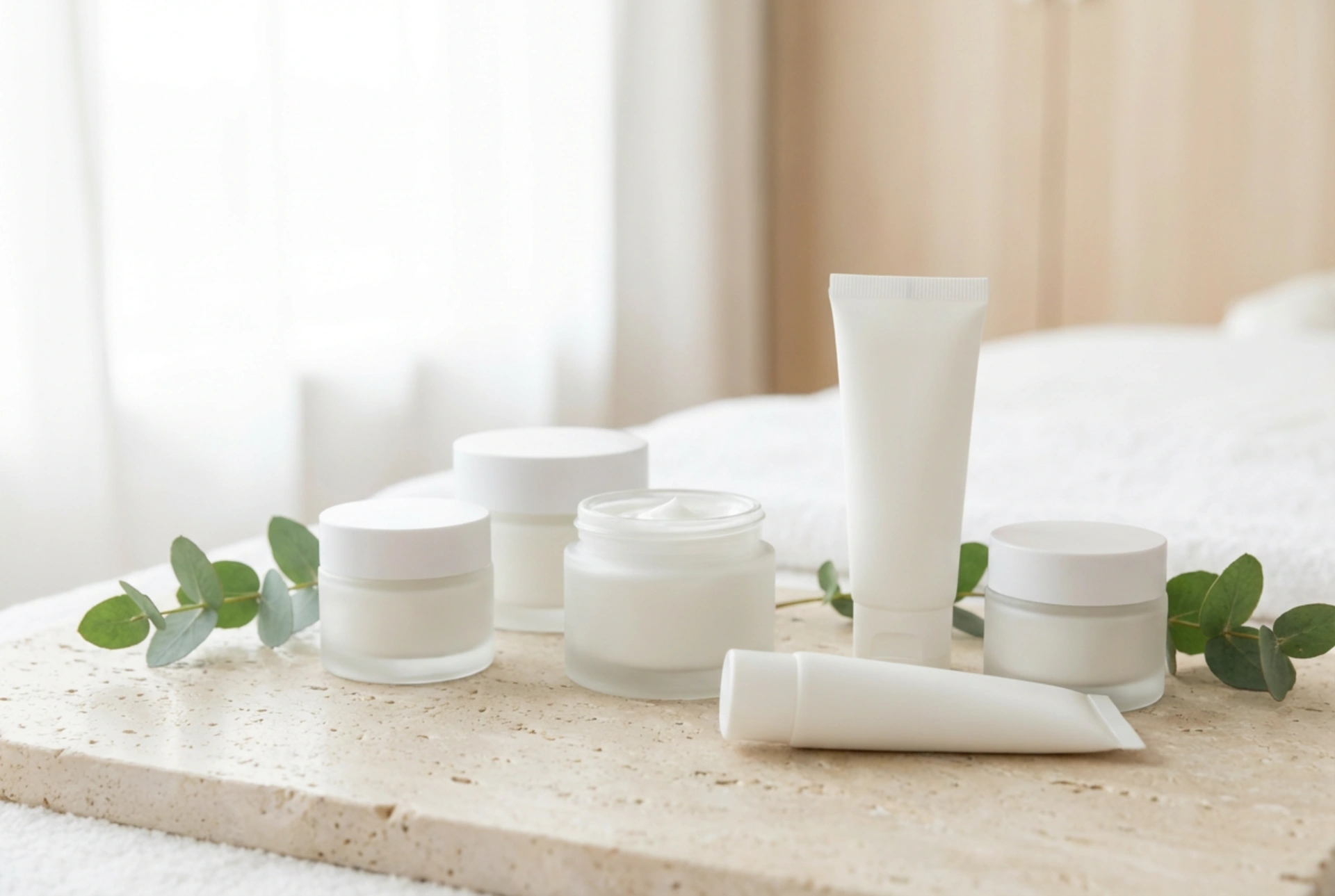


Navigating the world of skincare when you have skin prone to imperfections can feel counterintuitive, especially when it comes to moisturisers. A common myth suggests that oily or blemish-prone skin should be kept as dry as possible. However, the opposite is often true. Providing your skin with the right kind of hydration is a fundamental step towards achieving a balanced and calm complexion. A well-chosen moisturiser can soothe irritation and support the skin's natural barrier without contributing to new breakouts, embodying the essence of gentle yet effective care.
Why Hydration is Essential for Skin with Imperfections
When skin lacks adequate moisture, it can become dehydrated. In response, the sebaceous glands may overcompensate by producing even more oil to try and lubricate the skin's surface. This excess sebum can mix with dead skin cells and clog pores, creating an environment where blemishes are more likely to form. A healthy, hydrated skin barrier is also more resilient against external aggressors and can function more effectively. Using a suitable moisturiser helps to maintain this crucial water balance, preventing the cycle of dehydration and excess oil production. It helps keep the skin feeling comfortable, supple, and less reactive.
Key Ingredients to Look For in a Moisturiser
When selecting a moisturiser for skin prone to breakouts, the ingredient list is your best guide. Look for formulas that are labelled 'non-comedogenic', which means they have been formulated in a way that is less likely to clog pores. Key beneficial ingredients often fall into these categories:
Humectants
These ingredients draw moisture from the air into the skin. They provide hydration without adding oiliness or weight. Excellent examples include:
- Hyaluronic Acid: A powerful humectant that can hold a significant amount of water, providing deep yet lightweight hydration.
- Glycerin: A classic, effective, and gentle ingredient that helps the skin retain moisture.
Soothing and Barrier-Supporting Agents
Ingredients that calm the skin and reinforce its protective barrier are particularly valuable for complexions prone to redness and irritation.
- Niacinamide (Vitamin B3): A multi-tasking superstar known for its ability to help regulate oil production, reduce the appearance of redness, and improve skin barrier function.
- Panthenol (Pro-vitamin B5): Has soothing and moisturising properties, helping to calm irritated skin.
- Centella Asiatica (Gotu Kola): A botanical extract celebrated for its calming and restorative properties.
- Green Tea Extract: Rich in antioxidants, it can help soothe the skin and protect it from environmental stressors.
Formulas and Textures to Be Mindful Of
Just as important as knowing what to look for is knowing what might not be suitable for your skin type. While every individual's skin is unique, some ingredients and textures are more commonly associated with clogged pores or a heavy feel. Heavy oils, certain butters (like cocoa butter), and thick, occlusive creams can sometimes be too rich for blemish-prone skin. It doesn't mean these ingredients are 'bad', but they may be better suited for very dry skin types without a tendency for breakouts. Pay attention to how your skin responds and don't be afraid to switch to a lighter formula if a product feels too heavy or greasy.
Choosing the Right Texture for Your Skin
The texture of your moisturiser plays a significant role in how it feels and performs on your skin. Modern formulations offer a wide variety of options, so you can find one that feels comfortable and works for you.
- Gel Moisturisers: These are water-based, oil-free, and have a very light, cooling consistency. They absorb almost instantly and are an excellent choice for very oily skin types or for use in hot, humid climates.
- Gel-Creams: Offering a little more substance than a pure gel, these formulas provide a boost of hydration with a lightweight, non-greasy finish. They are ideal for combination or oily skin that still needs a comfortable level of moisture.
- Lightweight Lotions: These are thinner and have a higher water content than traditional creams. They absorb well and can provide balanced hydration for normal to combination skin types that are also prone to imperfections.
How to Incorporate a Moisturiser into Your Routine
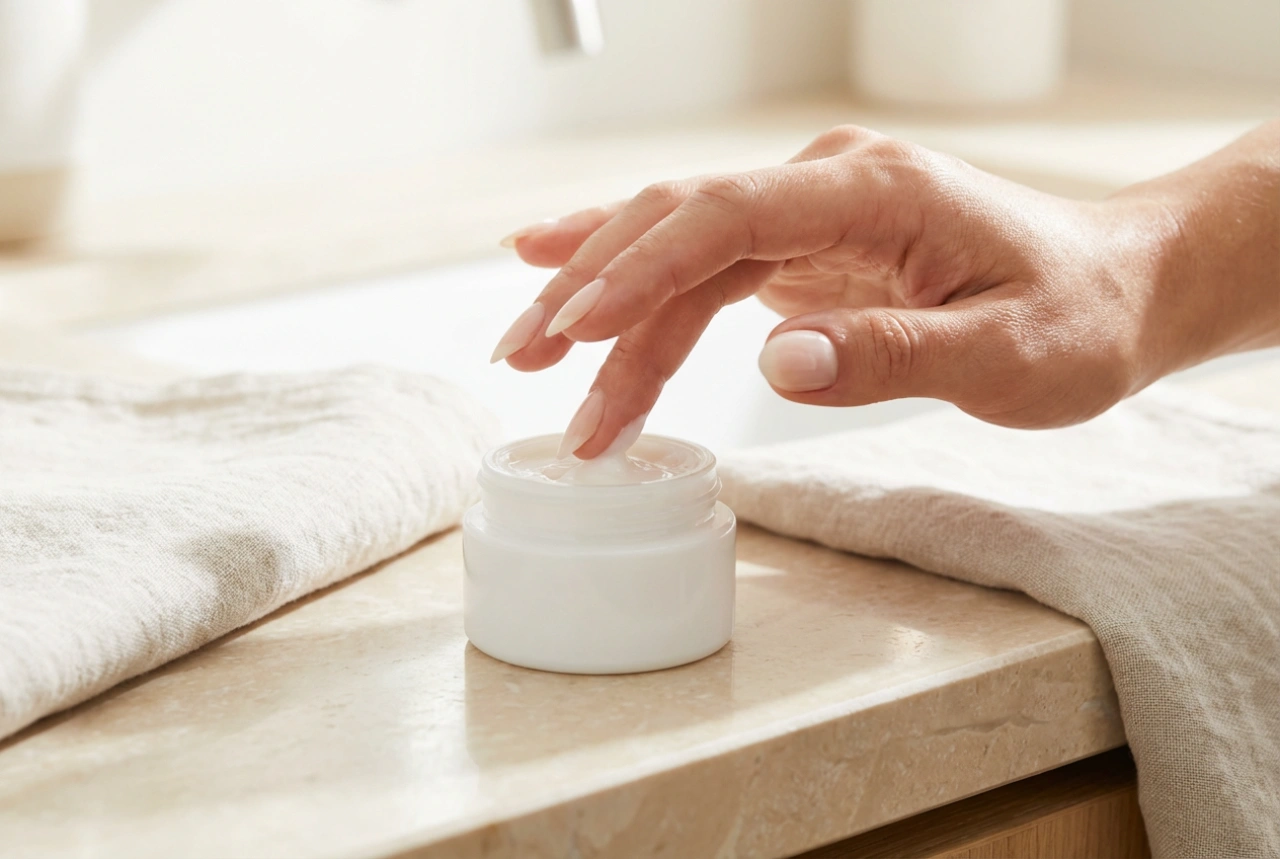
To get the most out of your moisturiser, apply it to clean, slightly damp skin. This helps to lock in moisture more effectively. Use it as a consistent step in both your morning and evening routines. In the morning, follow up with a broad-spectrum sunscreen. In the evening, it should be the final step after cleansing and applying any serums. If you are introducing a new product, it's always wise to perform a patch test on a small area of skin (such as behind the ear or on the inner arm) for 24-48 hours to check for any potential sensitivity before applying it to your entire face.