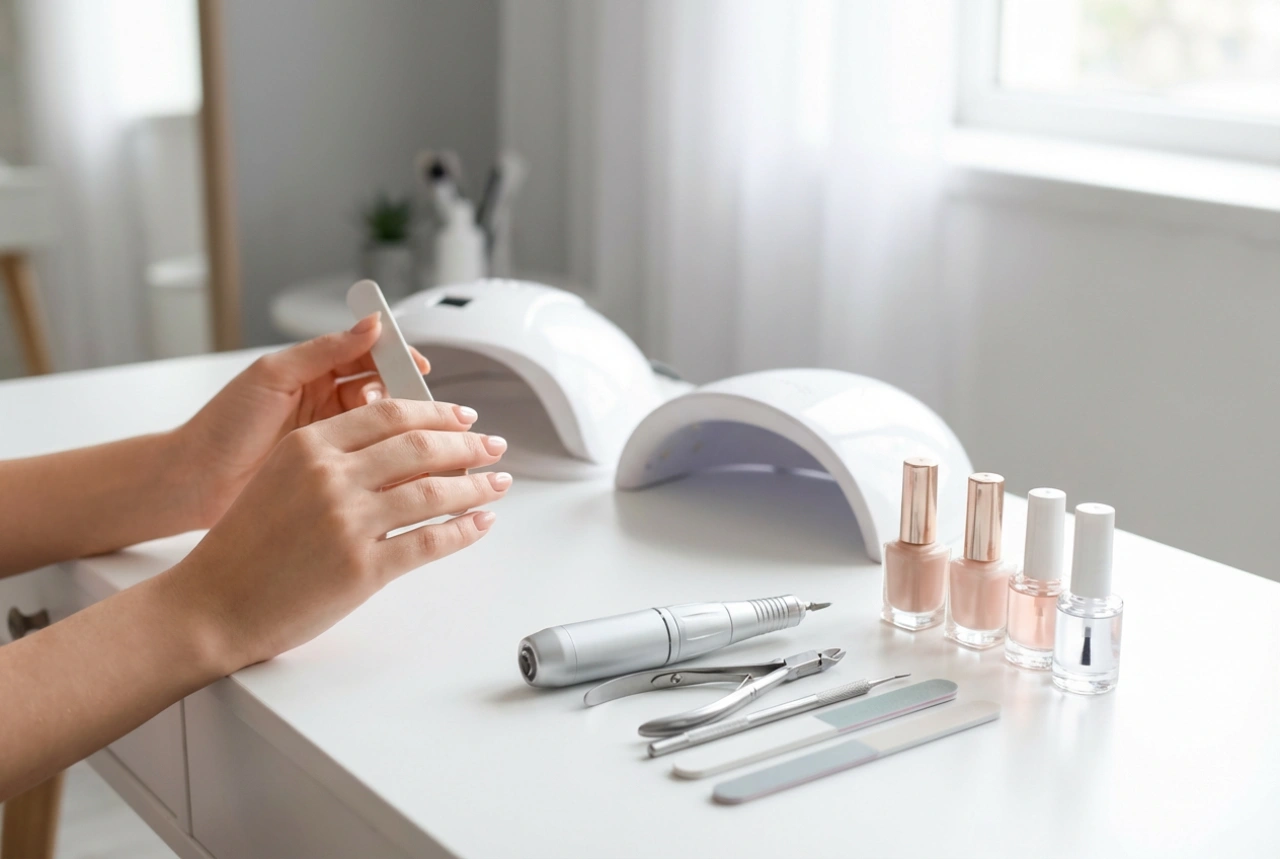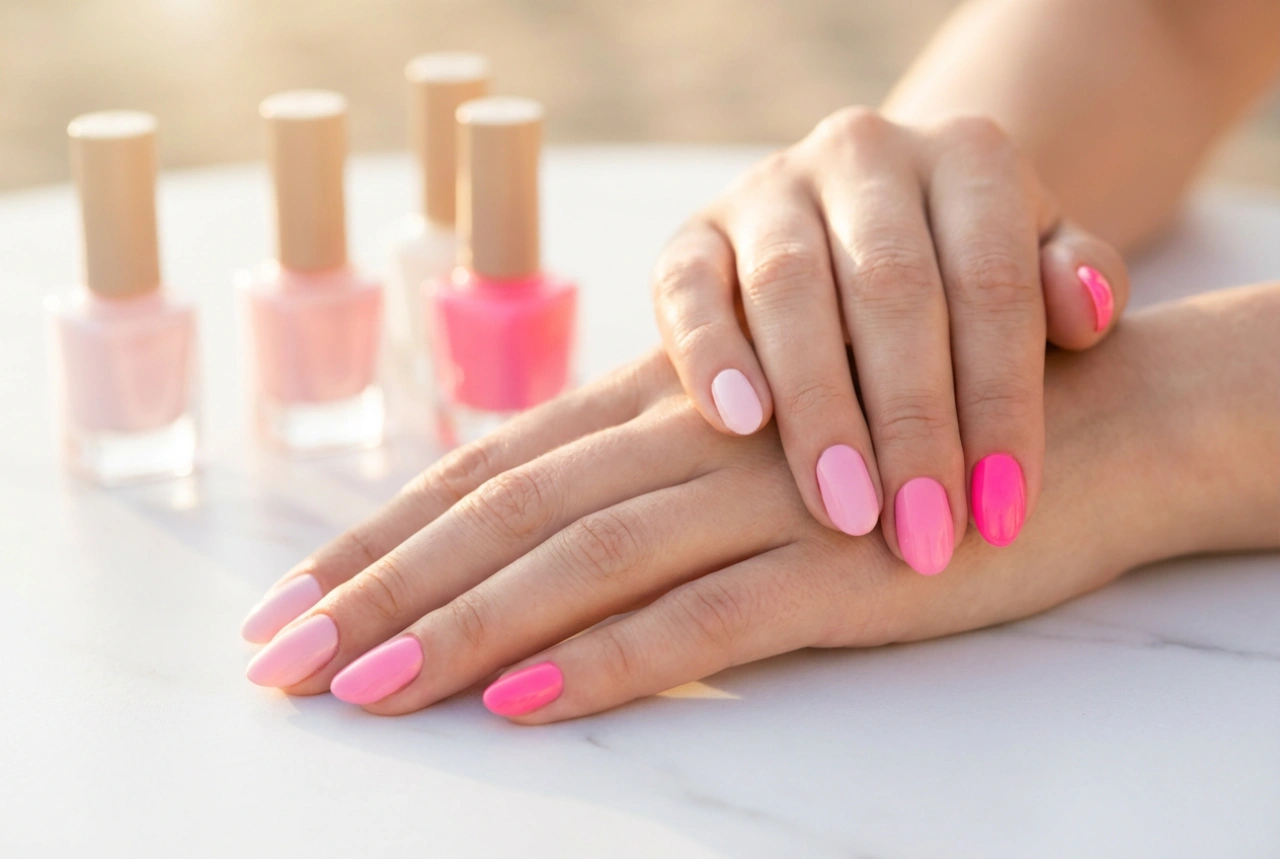


A glossy, chip-free manicure that lasts for weeks is one of the great joys of modern nail care, and it's more achievable at home than ever before. Central to this process is the curing lamp, a device that hardens gel-based nail products to create a durable, beautiful finish. However, with terms like UV, LED, watts, and varying curing times, choosing and using the right lamp can seem confusing. Understanding these key factors is the first step towards mastering the art of the perfect home gel manicure.
Understanding Nail Lamp Technologies: UV, LED, and Dual LED
The first decision to make is the type of lamp technology. Each has its own way of working, which affects curing speed and compatibility with different products. While older types exist, modern lamps have made the choice much simpler for home users.
UV (Ultraviolet) Lamps
These are the traditional type of nail lamps. They use fluorescent-style bulbs that emit a broad spectrum of UV wavelengths. This wide spectrum allows them to cure virtually any type of gel product. However, their main drawbacks are longer curing times (typically 2-3 minutes per layer) and the need to replace the bulbs periodically as they lose effectiveness over time.
LED (Light Emitting Diode) Lamps
LED lamps represent a significant technological advancement. They use light-emitting diodes that target narrower, more specific wavelengths of UV light to cure gel polishes. This focused energy allows for much faster curing, often in just 30-60 seconds. The diodes in LED lamps also have an extremely long lifespan and do not need replacing. The only initial downside was that some older gel formulas were not designed to cure under these specific wavelengths.
Dual LED / UV-LED Lamps
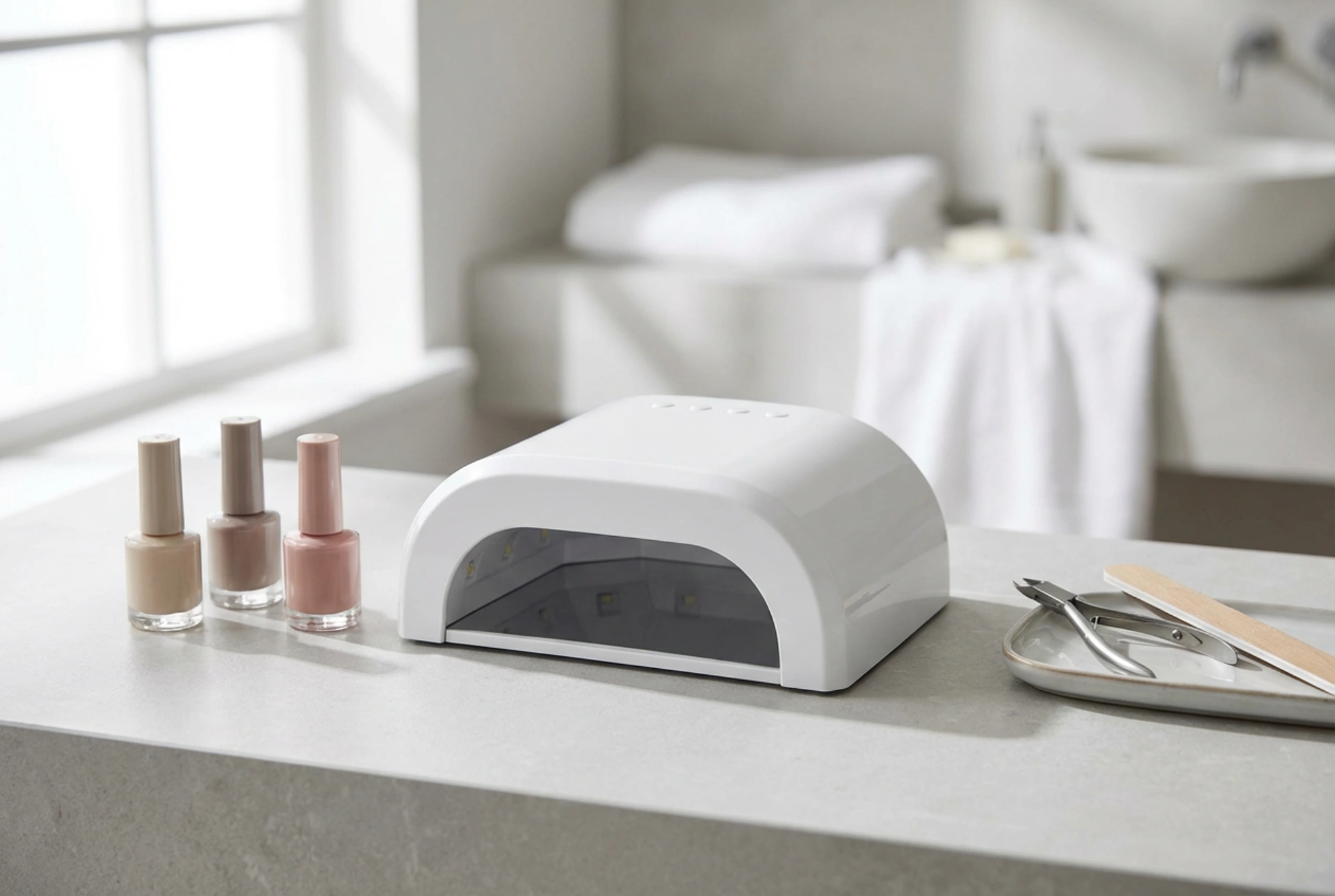
This is the current industry standard and the most versatile choice for home use. These lamps combine the best of both worlds, using dual-light source diodes that emit a broader range of wavelengths. This means they can cure almost every type of gel polish, builder gel, and poly-type gel on the market quickly and efficiently. They offer the speed of LED technology with the universal compatibility of UV lamps.
What Does Lamp Power (Watts) Really Mean?
A lamp's power, measured in watts (W), indicates the energy output of the device. It's a common belief that more watts are always better, but the reality is more nuanced. Power affects the speed and thoroughness of the cure.
Lamps with lower power (e.g., 24W) will still cure most gel polishes, but they may require longer times. Mid-range lamps (around 36W to 54W) are often considered the sweet spot for home users, providing a great balance of speed and efficiency without being excessive. Higher-power lamps (72W and above) can cure products very quickly, which is advantageous but can sometimes generate more heat. A useful feature to look for is a 'low heat mode,' which starts the power off gently and gradually increases it. This helps minimise the heat spike sensation that can occur with thicker gels on sensitive nail beds.
Matching Curing Times to Different Nail Systems
The time needed for a proper cure depends on the lamp's power, the type of product being used, and the thickness of its application. Always start with the general guidelines recommended for the product type, but here are some common timings for a standard Dual LED lamp.
Gel Polish (Hybrid Polish)
These are the most common systems for home manicures. Due to their relatively thin consistency, they cure quickly.
- Base Coat: 30-60 seconds.
- Colour Coats: 30-60 seconds per layer. Very dark or highly pigmented colours may benefit from the full 60 seconds to ensure a thorough cure.
- Top Coat: 60 seconds to ensure a hard, scratch-resistant, high-gloss finish.
Builder Gels and Hard Gels
These products are thicker and used to add strength or length to the nails. They require more energy to cure all the way through. It's crucial to apply them in well-structured but not overly thick layers. Curing times typically range from 60 to 99 seconds. Using a low heat mode for the first 30 seconds can make the process more comfortable before switching to a full-power cure.
Tips for a Perfect, Even Cure
To avoid common issues like wrinkling or soft spots, follow these simple tips for a flawless finish.
- Apply Thin Layers: This is the most important rule. Two thin layers of colour will cure much better and last longer than one thick, gloopy layer.
- Cure Thumbs Separately: Due to the thumb's natural angle, it's often best to cure it on its own, lying flat in the centre of the lamp. This ensures the light hits it directly and evenly.
- Ensure Proper Hand Placement: Keep your fingers spread slightly and resting flat on the base of the lamp. Avoid curling your fingertips, as this can prevent the light from reaching the nail tips.
- Keep Your Lamp Clean: Over time, dust or product residue can coat the inside of your lamp. Wipe the interior and reflective base plate regularly with a suitable cleanser to ensure maximum light reflection and efficiency.
By selecting a reliable Dual LED lamp with adequate power and understanding how to adjust curing times for different products, you can consistently achieve durable, salon-quality results from the comfort of your own home.