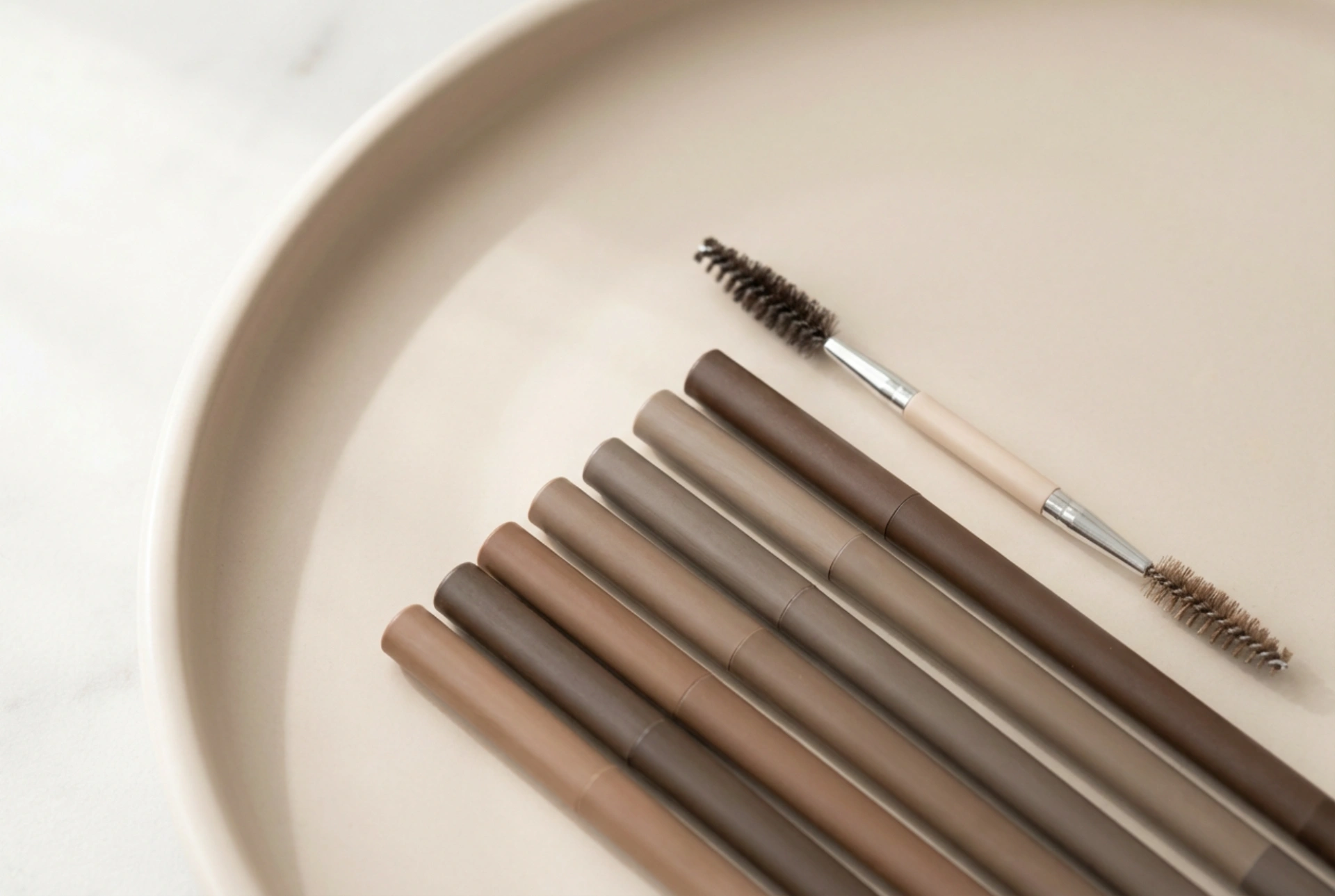


Perfectly defined eyebrows frame the face and enhance your features, and an eyebrow pencil is one of the most versatile tools to achieve this. Whether you want to fill in sparse areas, create a more defined arch, or completely reshape your brows, choosing the right pencil and using the correct technique is key. From selecting the ideal hardness and shade to mastering the art of application, this guide will help you achieve a polished yet natural look.
How to Choose the Right Eyebrow Pencil Hardness
The texture of an eyebrow pencil greatly influences the final result. Pencils come in a range of hardness levels, each suited to different needs and skin types. Understanding the difference between a hard and soft lead will help you select the best tool for your desired brow style.
Hard Pencils
A harder pencil is excellent for creating precision and detail. Its firm tip allows you to draw fine, crisp lines that mimic the appearance of natural brow hairs. This makes it the ideal choice for filling in small gaps or defining the edges of your brows with sharp accuracy. Hard pencils also have less pigment transfer with each stroke, which gives you greater control and reduces the risk of applying too much product at once. They are particularly well-suited for individuals with oilier skin, as their waxy formula is more resistant to smudging and fading throughout the day.
Soft Pencils
A softer pencil has a creamier consistency that glides on smoothly and deposits more colour with less pressure. This makes it perfect for quickly filling in larger, sparser areas and achieving a softer, more blended or powdered look. Soft pencils are often easier for beginners to use because they blend so effortlessly. They are also a great option for those with dry or mature skin, as they won't drag or pull on the delicate skin around the brows. However, they require a very light hand to avoid a heavy, unnatural appearance.
Selecting the Perfect Shade
Choosing the right shade is crucial for ensuring your brows look natural and harmonious with your features. A poorly matched colour can look stark and artificial. The general guideline is to choose a colour one to two shades lighter than your hair if you are a brunette, and one to two shades darker if you have very light blonde or platinum hair. Equally important is paying attention to the undertone.
- For Blonde Hair: Avoid warm, reddish tones. Instead, opt for cool or neutral shades like taupe, ash blonde, or a very light, cool-toned brown. These colours will define the brows without looking orange.
- For Brown Hair: The key is to match your hair's undertone. If you have cool, ashy brown hair, look for a pencil with similar cool undertones. If your hair is a warmer chocolate or chestnut brown, a pencil with subtle warm undertones will blend seamlessly.
- For Red Hair: Look for shades described as auburn or those with a subtle warm, reddish undertone. A soft brown with a hint of warmth often works beautifully, complementing the hair colour without being overly red.
- For Black Hair: It's best to avoid a harsh black pencil, which can look too severe. Instead, choose a dark, cool-toned brown, charcoal, or soft grey. These shades provide strong definition that looks much more natural.
- For Grey or White Hair: Soft, cool tones are the most flattering. A light taupe or a dedicated grey eyebrow pencil will add definition without creating a jarring contrast.
Application for a Natural Finish
The goal of filling in your brows is to enhance their shape, not to draw on a new pair. A light touch and proper blending are essential for a result that looks like your brows, only better.
- Prepare and Brush: Start with clean, dry brows. Use a spoolie brush to comb the hairs upwards and outwards. This helps you see the natural shape and identify any areas that need filling.
- Use Light, Feathery Strokes: Instead of drawing a solid line, use the tip of the pencil to make short, light, upward strokes in the direction of your natural hair growth. This technique mimics the look of individual hairs.
- Define the Shape: Start filling from the middle of the brow and work your way outwards towards the tail, as this area can typically handle the most definition. Then, move to the inner part of the brow, using an even lighter touch for a softer, more natural start.
- Build Colour Gradually: It is always easier to add more product than to remove it. Build the intensity slowly, concentrating the most colour on the arch and tail of the brow for structure and lift.
- Blend for Softness: The final and most important step is to blend. Gently brush through your brows once more with the spoolie. This softens any harsh lines, distributes the pigment evenly, and merges the product with your natural hairs for a flawless finish.
Common Mistakes to Avoid
A few common errors can detract from an otherwise well-groomed look. Being aware of these can help you perfect your technique.
- Choosing the Wrong Colour: Using a pencil that is too dark or has the wrong undertone (e.g., too warm) is the most frequent mistake and instantly makes brows look unnatural.
- Drawing a Solid Line: A single, heavy-handed line creates a severe, artificial look. Always use short, hair-like strokes.
- Creating a 'Block' Front: The inner corner of the brows should be soft and diffused. Avoid drawing a harsh, square shape at the start of your brow.
- Skipping the Blending Step: Forgetting to brush through your brows with a spoolie leaves visible pencil lines and an unfinished appearance.
- Overextending the Tail: Drawing the tail of the brow too far down can create a droopy effect and make the eyes look sad. The tail should generally taper off in line with the outer corner of your eye.