

In the world of beauty, where new gadgets and complex routines often take centre stage, it is refreshing to remember that sometimes the simplest tools have the most significant impact. The humble eyebrow comb is a perfect example of this philosophy. An essential item for anyone seeking polished, well-defined brows, this small but mighty tool helps tame unruly hairs, evenly distribute products, and create the perfect arch. Mastering its use is a fundamental step in any daily grooming routine, laying the foundation for a flawless look that enhances your natural features without overwhelming them.
Why is an Eyebrow Comb an Essential Tool?
Beyond simply brushing hairs, a good brow comb or spoolie performs several key functions that contribute to the overall health and appearance of your eyebrows. Integrating this step into your daily regimen can elevate your look from ordinary to expertly groomed.
- Taming and Shaping: The primary function is to bring order to your brows. Brushing the hairs into place creates a neat, uniform appearance and helps you see the natural shape you are working with. This is the first step to achieving symmetry and a clean silhouette.
- Product Distribution: Whether you use powders, gels, or pomades, a brow tool is crucial for blending. It helps spread the product evenly, preventing clumps and harsh lines for a softer, more believable finish. This ensures the colour looks like natural hair, not makeup sitting on the skin.
- Preparation for Grooming: For those who trim their brows, brushing the hairs straight up allows you to see their true length against the brow line. This helps you identify which hairs are genuinely too long, allowing for a precise and safe trim without over-plucking or cutting too much.
- Gentle Exfoliation: The skin beneath your brow hairs can become dry and flaky. Gently brushing the area with a clean spoolie can help to lift and remove dead skin cells, creating a smoother canvas for product application and promoting a healthier environment for hair growth.
Choosing Your Perfect Brow Tool
The market offers a variety of brow grooming tools, and the best choice often depends on your specific brow type and desired look. Understanding the main differences will help you select a tool that works for you.
The Comb vs. The Spoolie
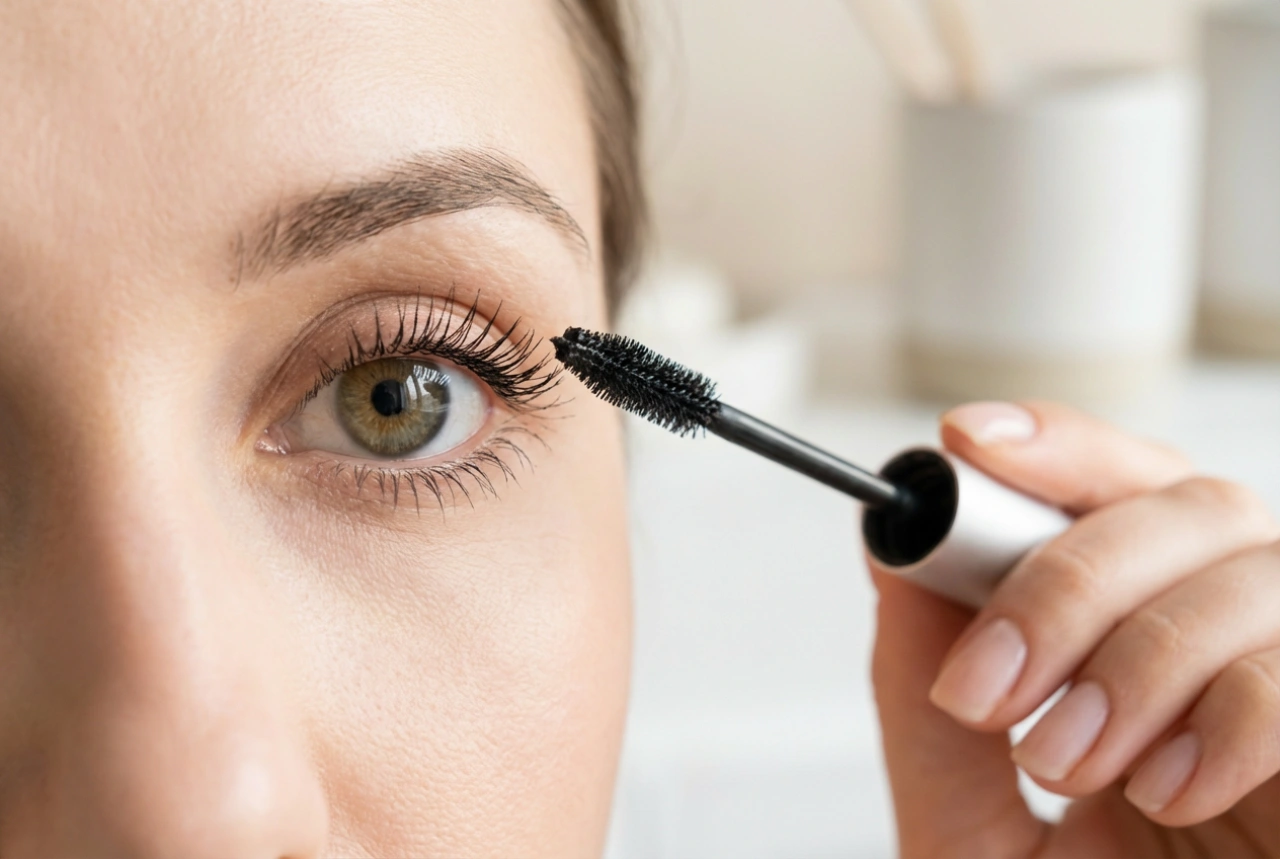
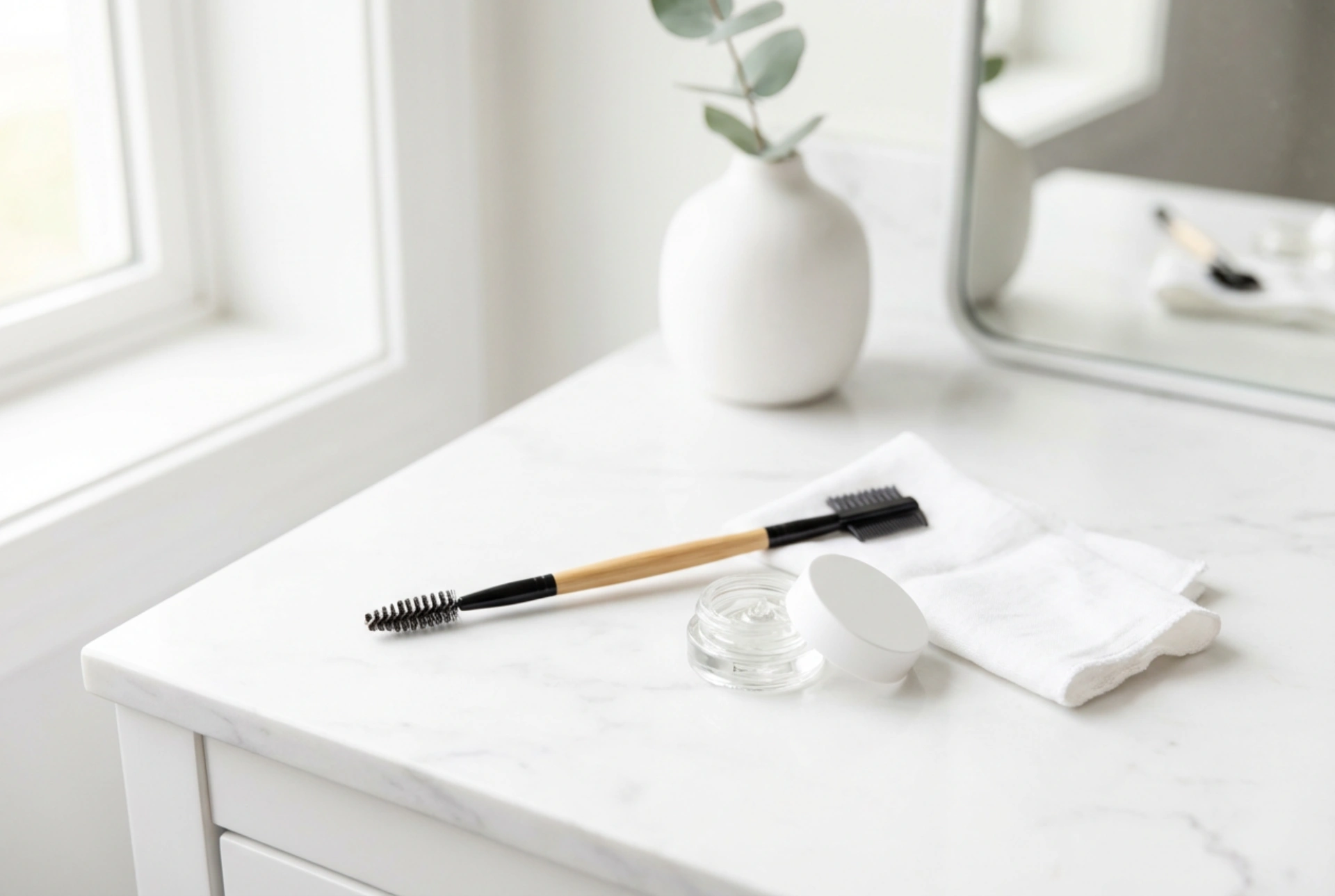
Many people use these terms interchangeably, but they are distinct tools. A classic eyebrow comb features a row of small, firm teeth, similar to a miniature hair comb. It is excellent for detangling very thick, coarse, or unruly brows. It is also highly effective at separating hairs after applying a waxy pomade or gel, creating sharp definition. In contrast, a spoolie is a small, tapered brush with bristles arranged like a mascara wand. Spoolies are generally softer and are ideal for blending powders, softening harsh pencil lines, and creating a natural, fluffy brow look. For maximum versatility, consider a dual-ended tool that features a comb or angled brush on one end and a spoolie on the other.
Material and Design Considerations
The materials of your tool can affect its performance and longevity. Combs are typically made from plastic or metal. Plastic combs are affordable and gentle, but metal combs offer superior durability and precision, though they require a lighter touch to avoid scratching the skin. For spoolies, the bristles are usually synthetic. The density and stiffness of these bristles can vary; denser, stiffer bristles provide more control for thick brows, while softer, sparser bristles are great for a gentle blend on thinner brows. A comfortable, easy-to-grip handle is also important for maintaining steady control during use.
How to Use an Eyebrow Comb for Perfect Results
Using a brow comb effectively is a simple skill to learn. Following a structured process will ensure you get clean, beautiful results every time.
Step 1: Start with a Clean Base
Always begin your brow routine with a clean, dry face. Ensure your brows are free from any residual skincare products or oils, as this can affect how makeup applies and adheres. Working on a clean canvas allows the comb to move through the hairs smoothly and helps products distribute evenly.
Step 2: Brush and Define the Shape
Take your spoolie or comb and gently brush your brow hairs upwards. Start at the inner corner (the front of the brow) and work your way out towards the tail. This upward-brushing motion lifts the hairs, revealing your natural brow shape and any sparse areas. As you reach the arch and tail, you can begin to brush the hairs diagonally upwards and outwards, following their natural direction of growth. This simple step alone can make brows appear fuller and more defined.
Step 3: Apply and Blend Your Brow Products
After brushing, you can fill in any sparse areas with your chosen brow product, such as a pencil, powder, or pomade. Apply the product using light, feathery strokes. Once the colour is applied, use the spoolie end of your tool to blend it through your brows. Use the same upward and outward motion to soften any harsh lines and distribute the pigment seamlessly. This blending step is key to achieving a look that is polished yet natural. If you are using a clear or tinted brow gel, comb it through your brows as the final step to set them in place all day.
The Importance of Tool Hygiene
A clean tool performs better and is essential for good skin hygiene around the delicate eye area. Product buildup, oils, and dead skin cells can accumulate on the brush, which can hinder its performance and be unhygienic. Regular cleaning is a non-negotiable step for maintaining both your tools and your skin's wellbeing.
A Simple Cleaning Method
You do not need special solutions to keep your brow tools pristine. A simple home method works perfectly.
- Wet the comb or spoolie head with lukewarm water.
- Apply a small drop of gentle soap or a mild facial cleanser to the bristles.
- Gently massage the bristles with your fingertips or on the palm of your hand to create a lather and dislodge any product residue.
- Rinse thoroughly under running water until the water runs clear and all soap is gone.
- Carefully squeeze out excess water with your fingers or a clean towel, reshape the head if necessary, and lay the tool flat on a clean cloth to air dry completely.
How Often Should You Clean It?
For personal use, it is a good habit to give your tool a thorough clean at least once a week. If you use waxy or heavy products, you may want to clean it more frequently. This routine prevents product from hardening on the bristles, ensuring your tool remains effective, gentle on the skin, and lasts for years to come.