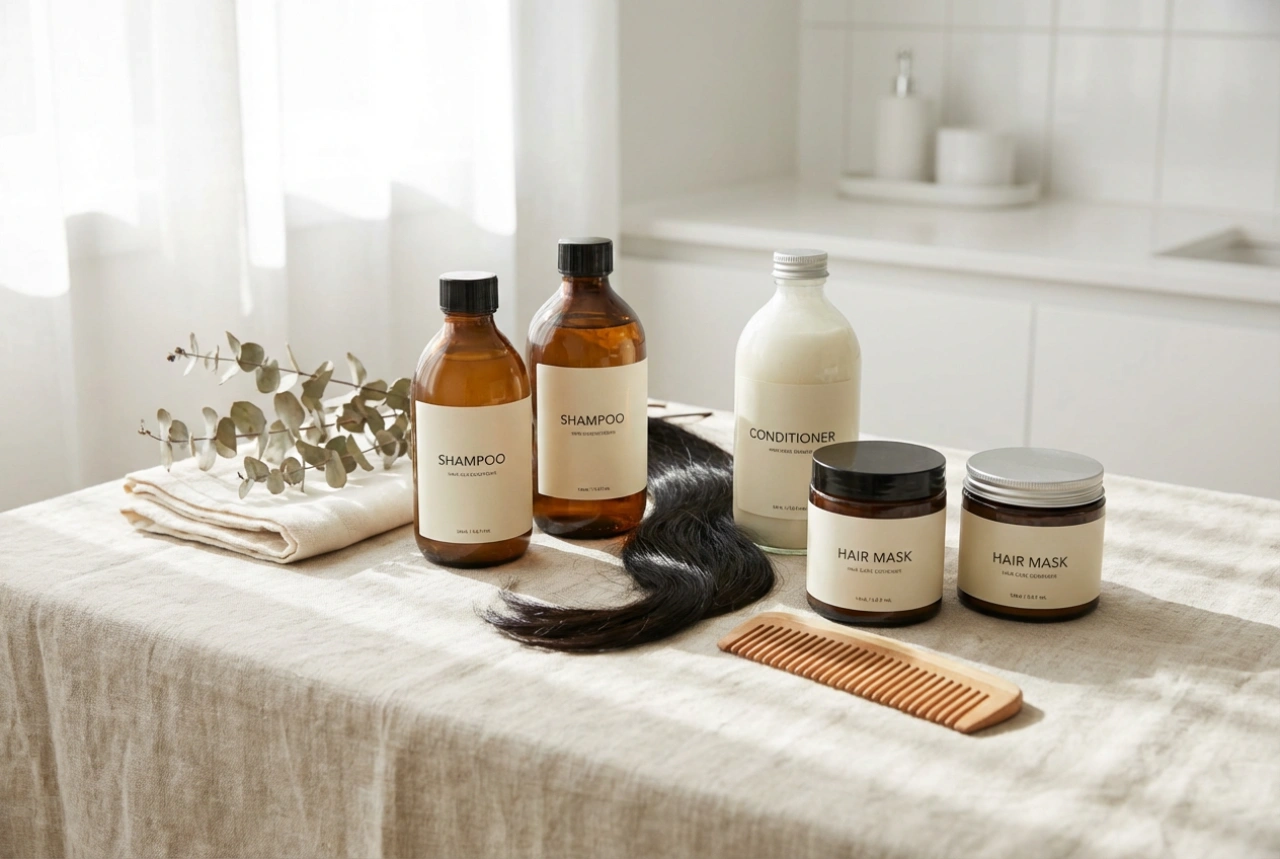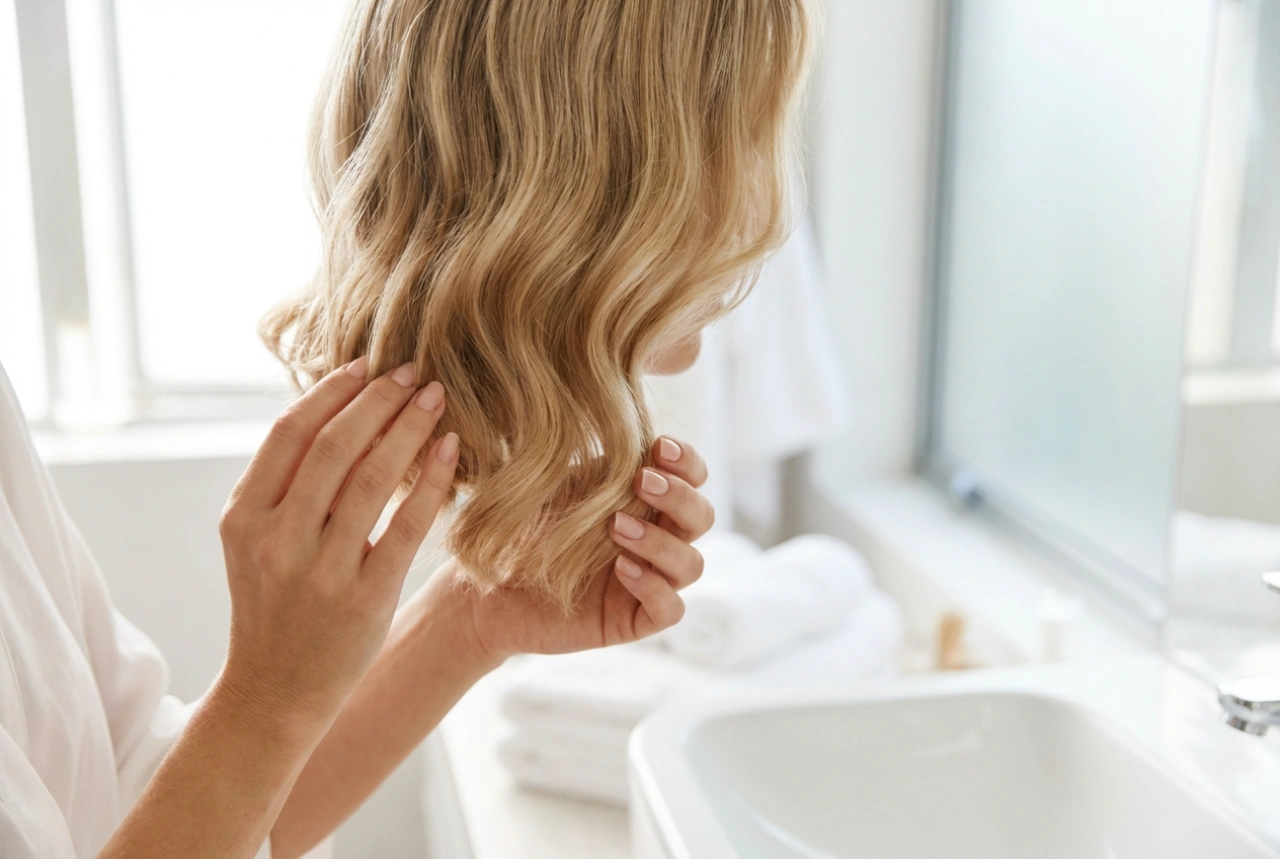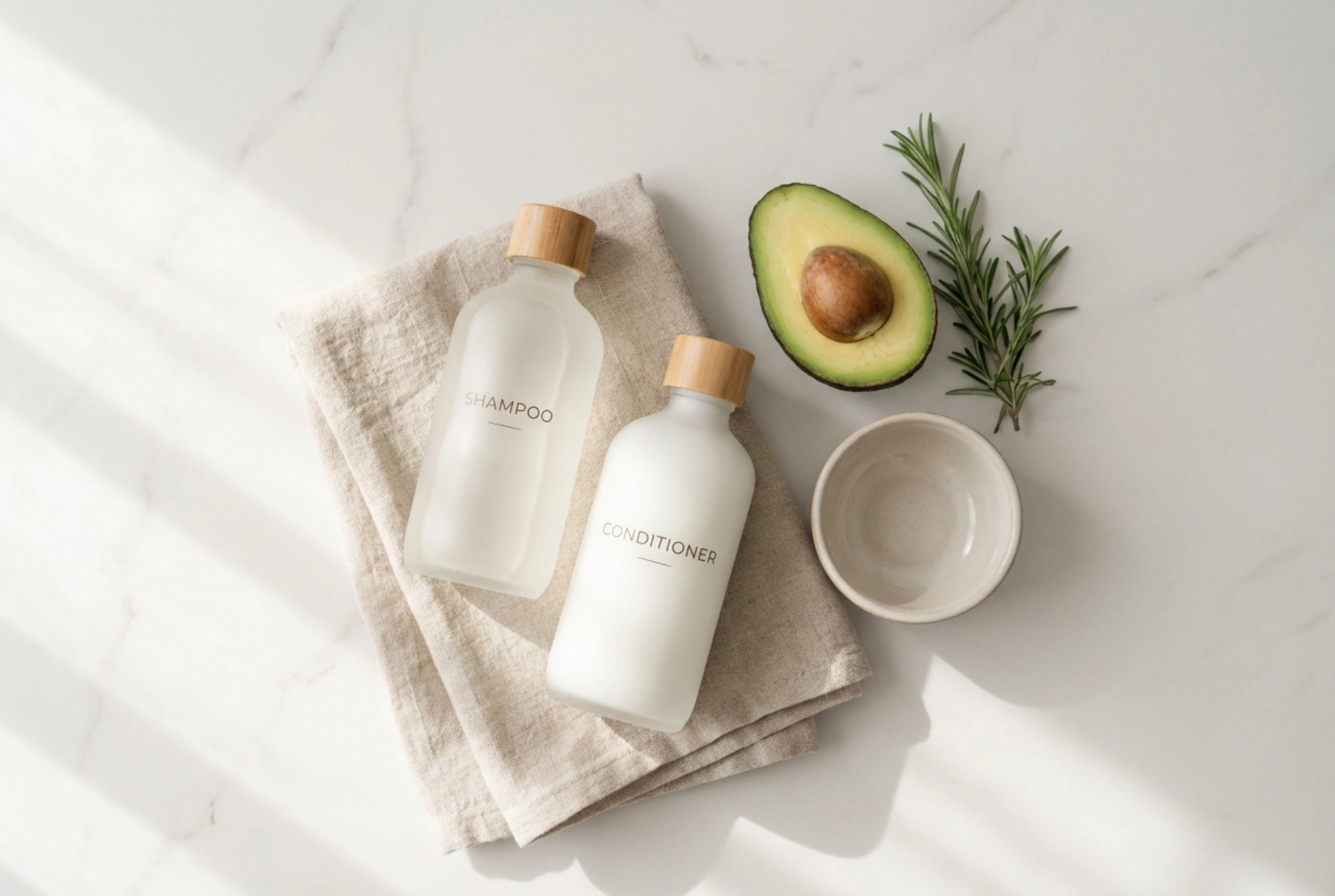


Finding the right shampoo can feel like navigating a maze, especially when your hair is crying out for moisture. The sight of elegant bottles alongside natural ingredients like avocado and rosemary isn't just for aesthetics; it represents a holistic approach to hair care. Restoring softness and shine to dry hair begins with understanding its needs and choosing products and practices that provide deep, lasting hydration. This guide will help you make informed choices for your daily routine.
Understanding the Causes of Dry Hair
Before you can effectively manage dry hair, it’s helpful to understand why it happens. Dryness occurs when your hair doesn't receive or retain enough moisture. This can be influenced by several factors, which often work in combination.
Environmental Factors
Your surroundings play a significant role in your hair's condition. Prolonged exposure to sun, wind, and dry air can strip moisture from the hair shaft, leaving it feeling rough and brittle. Seasonal changes are also a major contributor; the cold, dry air of winter, combined with indoor heating, creates an environment that leeches moisture from both skin and hair.
Hair Care Habits
Sometimes, our own routines are the source of the problem. Over-washing, using harsh shampoos with stripping agents, and washing with very hot water can remove the scalp's natural oils (sebum) that are meant to protect and moisturise the hair. Furthermore, the frequent use of heat styling tools like straighteners, curling tongs, and hairdryers without a proper heat protectant can cause significant damage to the hair's cuticle, impairing its ability to hold moisture.
Natural Predisposition
Some people naturally have less active sebaceous glands on their scalp, meaning they produce less oil to lubricate the hair. Hair texture also plays a part; curly and coily hair types have a structure that makes it more difficult for scalp oils to travel down the hair shaft, often resulting in drier ends compared to the roots.
Selecting the Best Shampoo for Dry Hair
The key to choosing a shampoo for dry hair is to look for gentle, moisturising formulas. Scrutinise the ingredient list for components known for their hydrating and nourishing properties, and avoid those that can make dryness worse.
Gentle Cleansing Agents
Opt for shampoos that are labelled as 'sulphate-free' or use mild surfactants. These gentler cleansing agents effectively clean the scalp and hair without stripping away its natural, protective oils. A shampoo should leave your hair feeling clean but not 'squeaky,' as this is often a sign of excessive stripping.
Hydrating and Nourishing Ingredients
Look for these beneficial ingredients on the label:
- Humectants: These ingredients attract water from the air and bind it to the hair shaft. Common and effective humectants include glycerin, hyaluronic acid, aloe vera, and panthenol (a form of vitamin B5).
- Emollients: These form a protective, smoothing barrier on the hair to seal in moisture, making it feel softer and more pliable. Natural oils (such as coconut, argan, jojoba, or avocado oil) and butters (like shea or cocoa butter) are excellent emollients.
- Proteins: Ingredients like hydrolysed keratin, silk, or wheat proteins can help to temporarily patch up gaps in the hair cuticle, which strengthens the hair and improves its ability to retain moisture.
The Right Way to Wash Dry Hair
How you wash your hair is just as important as the products you use. A gentle technique can make a significant difference in managing dryness and preventing further damage.
- Reduce Frequency: Try to wash your hair less often. Instead of daily washing, which is rarely necessary for dry hair, aim for every two to three days, or even less if your scalp doesn't get oily quickly.
- Use Lukewarm Water: Hot water can strip natural oils and lift the hair cuticle, leading to moisture loss. Always use lukewarm water for washing and rinsing your hair. A final rinse with cool water can help to seal the cuticle, locking in moisture and adding shine.
- Focus on the Scalp: Apply shampoo primarily to your scalp, where most of the oil and product build-up accumulate. Gently massage it in with your fingertips (not your nails). The lather that rinses down the lengths of your hair is usually sufficient to clean them without causing further dryness.
- Be Gentle: Avoid vigorous rubbing or scrubbing, which can cause friction, tangle the hair, and damage the delicate cuticle. After washing, gently squeeze the excess water out of your hair instead of rubbing it harshly with a towel. Using a microfibre towel or an old cotton t-shirt is a much gentler alternative.
Complementary Home Care for Maximum Hydration
Shampoo is just the first step. To truly combat dryness, you need a comprehensive care routine that nourishes your hair from root to tip.
Always Use a Conditioner
Never skip conditioner. After every wash, apply a hydrating conditioner, focusing on the mid-lengths and ends where hair is oldest and driest. Leave it on for at least a few minutes before rinsing to allow the ingredients to penetrate the hair shaft.
Weekly Deep Conditioning and Masks
Once a week, treat your hair to a deep conditioning treatment or a nourishing mask. You can use a store-bought mask rich in oils and butters or create a simple DIY version. For example, mashing a ripe avocado and mixing it with a tablespoon of olive or coconut oil creates a wonderfully hydrating treatment. Apply to damp hair, leave on for 20-30 minutes, and then rinse thoroughly.
The Power of Hair Oils
Hair oils are versatile and highly effective for dry hair. They can be used as a pre-shampoo treatment to protect ends, a leave-in product to tame frizz and add shine, or an intensive overnight treatment. Light oils like argan, jojoba, or almond oil are great for sealing in moisture without weighing the hair down.