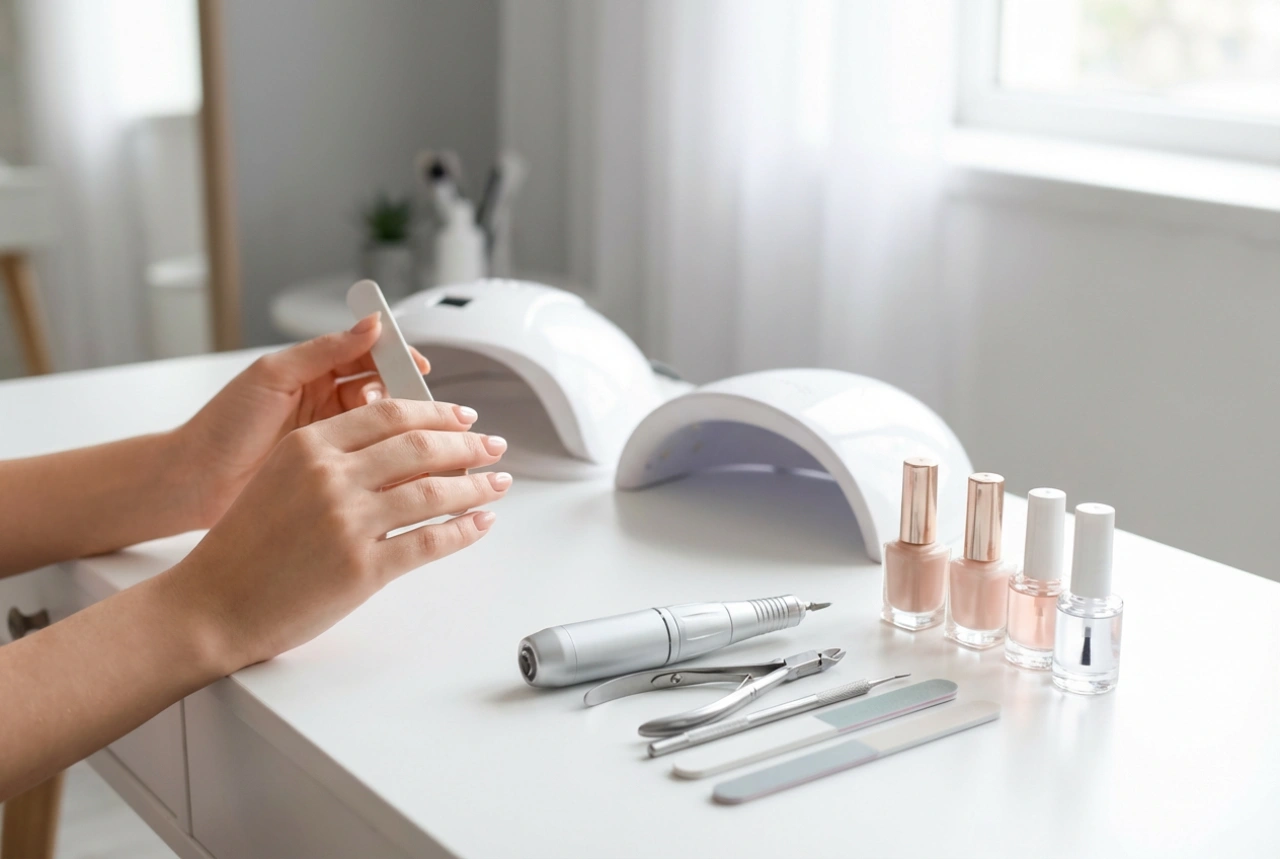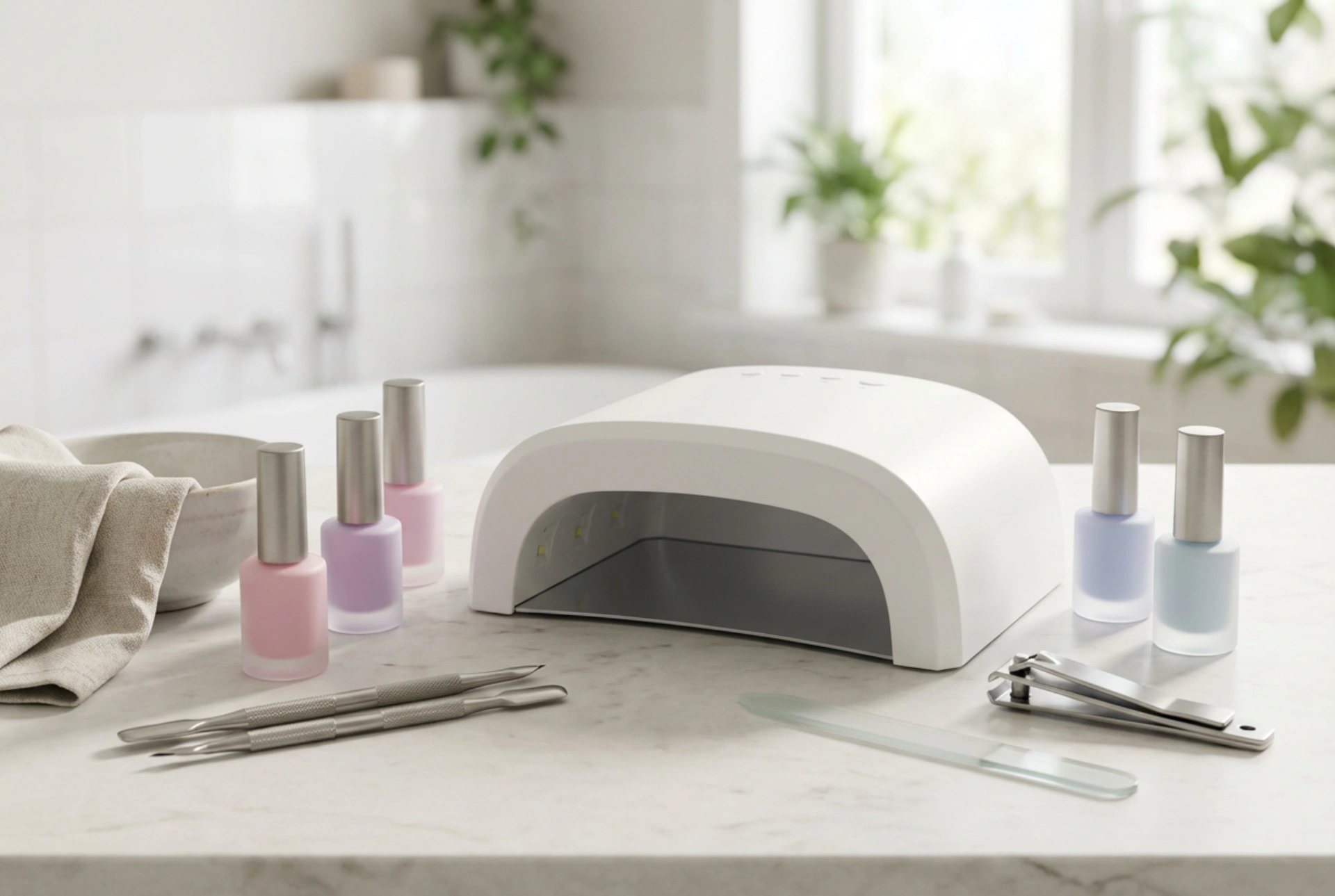


Achieving a salon-quality gel manicure at home is more accessible than ever, with the UV or LED nail lamp being the centrepiece of the process. This essential tool is responsible for curing, or hardening, the gel polish to create a durable, glossy finish that lasts for weeks. Understanding how these lamps work, the different types available, and how to use them safely is key to perfecting your at-home beauty ritual and ensuring beautiful, long-lasting results.
Understanding the Technology: UV vs. LED Lamps
When choosing a nail lamp, you will primarily encounter two types of technology: UV (ultraviolet) and LED (light-emitting diode). While both serve the same fundamental purpose of curing gel polish, they operate differently.
Traditional UV Lamps
UV lamps use fluorescent bulbs that emit a broad spectrum of ultraviolet wavelengths. This broad spectrum allows them to cure virtually any type of gel polish. However, the curing process is generally slower, typically taking around two to three minutes per coat. The bulbs in these lamps also have a limited lifespan and will need to be replaced periodically as they lose their effectiveness over time.
Modern LED Lamps
LED lamps use light-emitting diodes that produce a narrower, more targeted band of light wavelengths. This focused energy allows for a much faster curing time, often between 30 and 60 seconds per coat. LED bulbs are also more energy-efficient and have an exceptionally long lifespan, meaning they rarely, if ever, need replacing. The main consideration is that they are designed to cure polishes specifically formulated for LED light. Fortunately, most modern gel polishes are now compatible with both types. Many lamps on the market today are UV/LED hybrids, offering the best of both worlds: the speed of LED and the wide compatibility of UV.
Decoding Power and Curing Time
The effectiveness of a nail lamp is often linked to its power, measured in watts (W), which directly influences the curing time. Understanding this relationship is vital for achieving a perfectly hardened manicure.
The Role of Wattage
The power of a home-use lamp can range from as low as 9W to 48W or higher. Generally, a higher wattage means more power and a faster curing process. For instance, a 48W lamp will cure polish significantly faster than a 24W lamp. However, the highest wattage isn't always necessary. It's crucial to balance power with the recommendations provided by the gel polish manufacturer. Using a lamp that is too powerful or curing for too long can sometimes lead to over-curing, which can make the polish brittle.
Optimising Curing Time
The correct curing time is not just about the lamp's power; it also depends on several other factors:
- Type of Polish: Base coats, top coats, and different colours may require different curing times. Darker, more opaque colours often need slightly longer to cure fully as the pigments can block the light.
- Application Thickness: Applying thin, even layers is essential. A thick layer of polish may not cure all the way through, resulting in a soft, wrinkled surface that peels easily. It is always better to apply two or three thin coats than one thick one.
- Lamp Type: As mentioned, LED lamps are significantly faster than traditional UV lamps. Always refer to the gel polish instructions for recommended times for both lamp types.
Guidelines for Safe and Effective Use
Using a nail lamp correctly not only ensures a flawless manicure but is also important for safety. Following a few simple rules will help you get the best results while protecting your skin.
Skin Protection
The light emitted by nail lamps is concentrated, and it's a good practice to protect the skin on your hands. Before you begin your manicure, consider applying a broad-spectrum sunscreen to your hands, avoiding the nails themselves. Alternatively, you can use fingerless gloves specifically designed for gel manicures, which expose only the nail area, providing a physical barrier for the rest of your skin.
Application and Curing Process
For a perfect finish, ensure each layer—base coat, colour coats, and top coat—is applied thinly and evenly. Avoid getting polish on your cuticles or skin, as this can cause lifting. Cure each layer for the recommended time before applying the next. Most lamps come with preset timers (e.g., 30s, 60s, 90s) to make this process easier. Be sure to cure your thumbs separately and keep your hand flat inside the lamp to ensure all nails receive even light exposure.
Maintaining Your Nail Lamp
Proper care and maintenance will extend the life of your nail lamp and ensure it continues to perform effectively. Before cleaning, always unplug the device. Use a soft cloth lightly dampened with a suitable cleaner to wipe away any smudges or stray polish from the interior and exterior of the lamp. Avoid using harsh solvents that could damage the surface. If you have a traditional UV lamp, keep track of usage and replace the bulbs according to the manufacturer's recommendations to maintain consistent curing power. Store your lamp in a cool, dry place away from direct sunlight to protect its components.