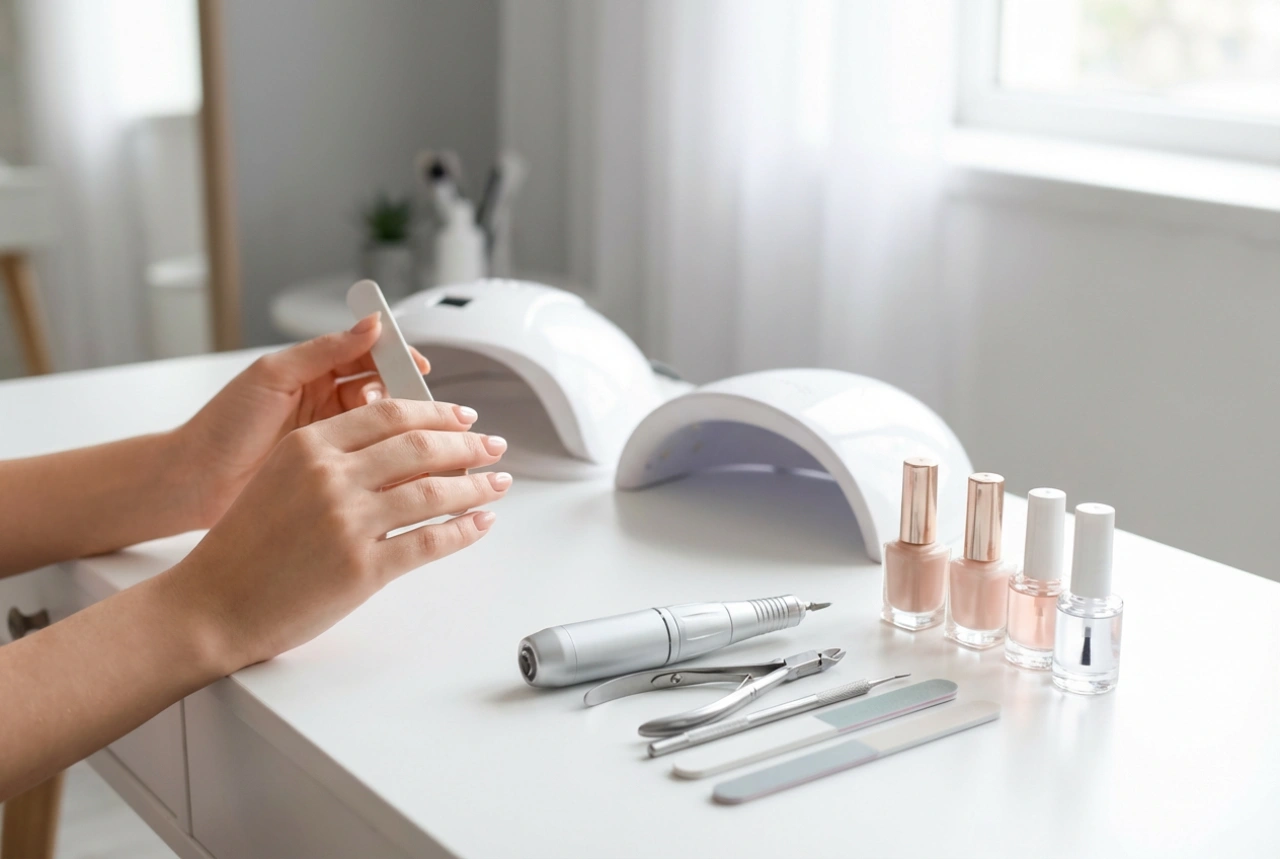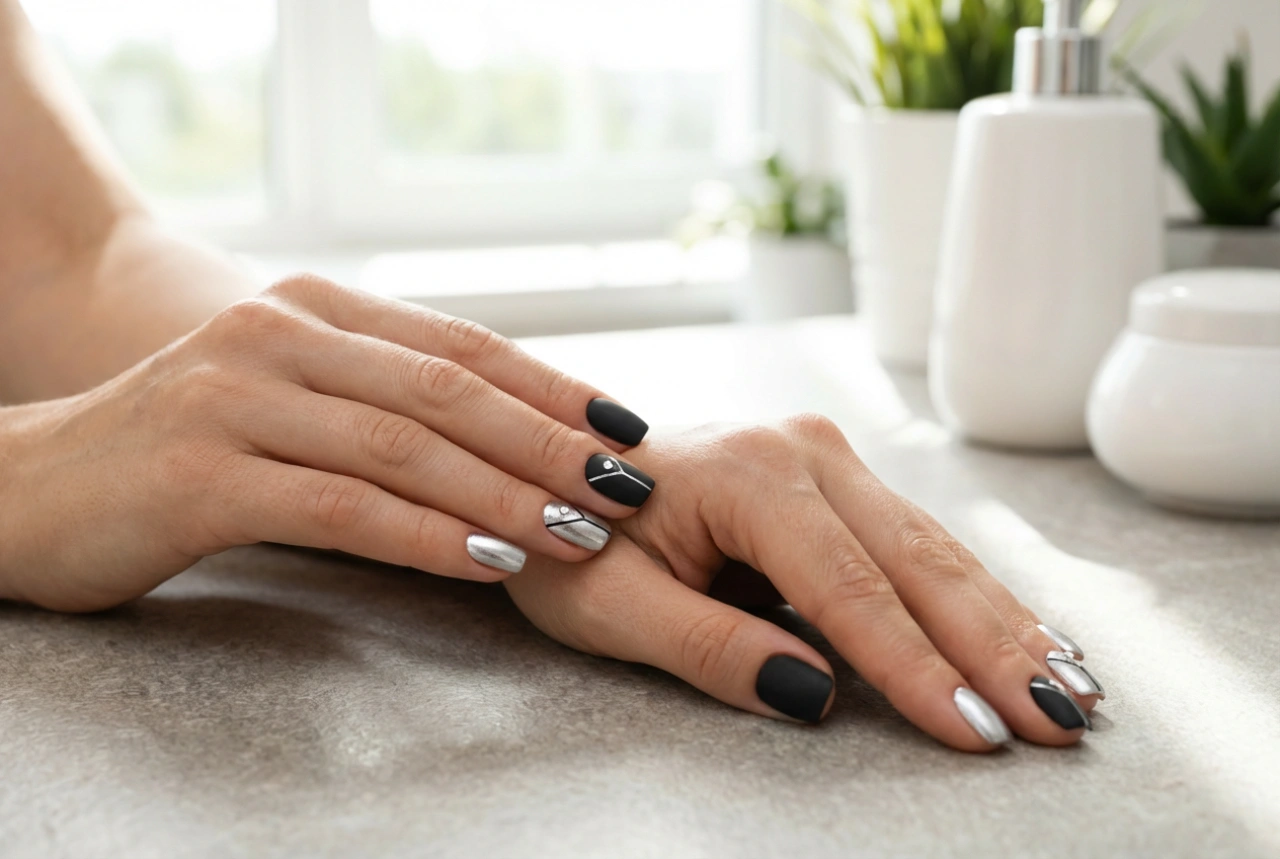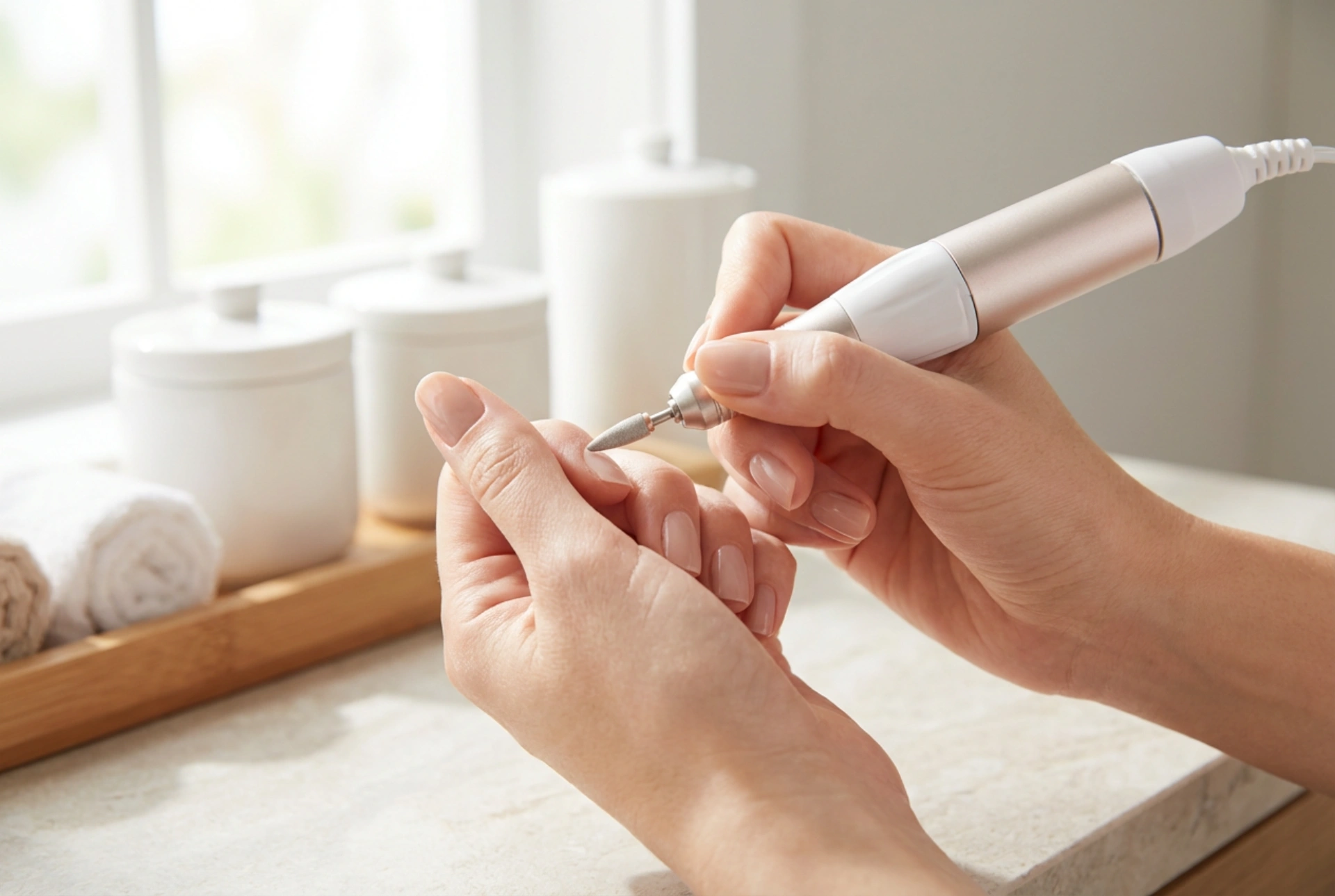


The precision and smooth finish achieved with a nail drill can elevate any manicure, giving it a truly professional look. This powerful tool, also known as an e-file, is excellent for shaping nails, managing cuticles, and smoothing surfaces with speed and efficiency. However, with great power comes the need for great technique. Using a high-power nail drill incorrectly can lead to irritation, discomfort, and damage to the nail plate or surrounding skin. This guide will walk you through the essential practices for using your nail drill safely, ensuring every manicure is a comfortable and beautiful experience.
Understanding Your Nail Drill's Settings
Before you begin, it's crucial to understand the tool in your hands. A high-power nail drill offers a range of speeds, typically measured in RPM (revolutions per minute). Rushing to the highest setting is a common mistake that can easily cause problems.
Finding the Right Speed
The key is to match the speed to the task. Lower speeds (around 2,000-7,000 RPM) are ideal for delicate work, such as near the cuticle area or on natural nails. Medium speeds (7,000-15,000 RPM) are generally suitable for shaping and filing the nail extension edge. Higher speeds are reserved for more demanding tasks like reducing the thickness of artificial enhancements or quick removal of gel polish, and should be used with extreme care and experience. Always start slow and gradually increase the speed as you become more comfortable and confident in your control.
Forward and Reverse Directions
Most nail drills have forward and reverse settings. This feature is not just for accommodating left- or right-handed use. Changing the direction of the bit's rotation allows you to work on different sides of the nail more effectively and comfortably, moving from the centre outwards on each side without awkwardly twisting your hand.
Preparation for a Safe Manicure
Proper preparation of both your nails and your tools is a non-negotiable step for an irritation-free session. Working on a clean and correctly prepped canvas ensures the drill bit glides smoothly and predictably.
- Start with Clean, Dry Nails: Any oils, lotions, or moisture on the nail plate can cause the drill bit to skip or grab. Ensure your nails and hands are thoroughly clean and completely dry.
- Gentle Cuticle Care: Before using the drill, gently push back your cuticles with a wooden or soft-tipped cuticle pusher. This creates a clear boundary and reduces the risk of accidentally touching the delicate skin with a fast-spinning bit.
- Select the Appropriate Bit: Nail drill bits come in various materials (like carbide, ceramic, or diamond), shapes, and grits. For natural nails and cuticle work, use a fine-grit bit. For shaping or shortening extensions, a medium-grit bit is more suitable. Using a bit that is too coarse or aggressive for the task is a primary cause of irritation.
The Correct Technique for Irritation-Free Filing
Your technique is the most critical factor in preventing irritation. The goal is to let the tool do the work, guiding it with a light and steady hand. Three principles are fundamental: light pressure, constant motion, and the correct angle.
Maintain a Light Touch
Pressing down hard on the nail is counterproductive and dangerous. It creates excessive friction, which generates heat and can cause a burning sensation or damage the nail bed. Hold the handpiece like a pen to maintain dexterity and control. Use a very light touch and allow the speed of the spinning bit to perform the filing action.
Keep It Moving
Never hold a spinning drill bit in one spot on the nail. This concentration of friction will quickly overheat the area, causing discomfort and potential damage. Work across the nail surface in smooth, consistent, and sweeping motions. Lift the bit off the nail frequently to allow the area to cool down. Think of it as 'painting' the nail with the bit, not 'scrubbing' it.
Angle and Position
Always keep the drill bit parallel to the surface of the nail you are working on. Angling the bit downwards can cause it to dig in, creating rings of fire (red, irritated marks) or gouging the nail plate. When working near the cuticle, use a suitable safety bit and a very low speed, approaching the area with caution and keeping the tool moving gently along the cuticle line.
Post-Drill Care and Tool Maintenance
What you do after filing is just as important for maintaining nail health and the longevity of your tools.
Nourish Your Nails and Skin
After you have finished shaping and smoothing, brush away all the dust from the nails and hands. The filing process can be dehydrating, so it's essential to replenish moisture. Apply a generous amount of cuticle oil to the skin around your nails and massage it in. Finish by applying a hydrating hand lotion to soothe the skin.
Clean Your Tools
Hygiene is paramount. After every use, clean your drill bits thoroughly to remove all nail dust and debris. Use a small, stiff brush for this purpose. Follow up by sanitising the bits according to the manufacturer's instructions. Proper cleaning not only ensures a safe manicure next time but also extends the life and performance of your bits.