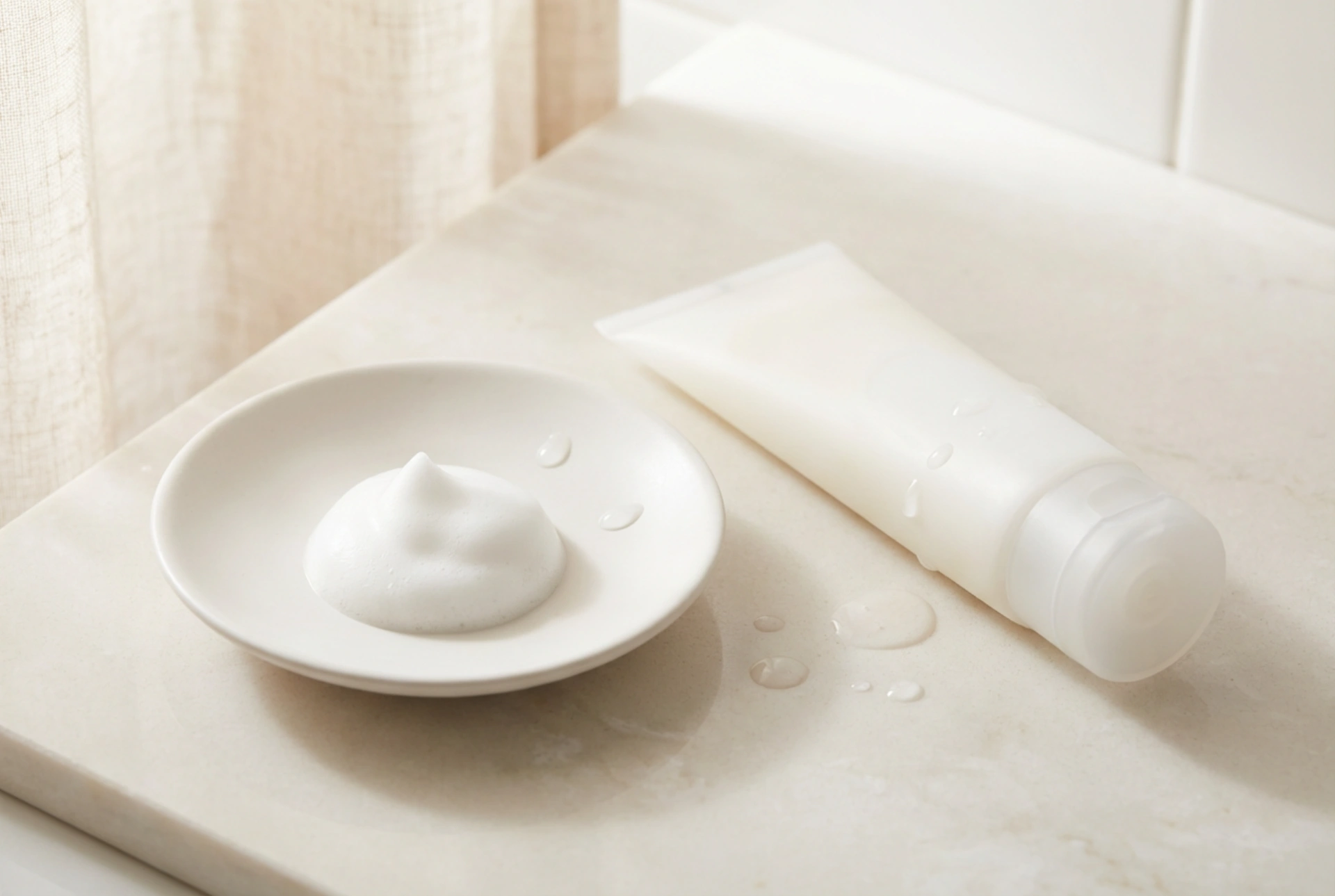


Cleansing foams are a popular choice for daily facial care, prized for their light texture and ability to effectively remove impurities. Their soft, airy consistency can make the daily cleansing ritual a real pleasure. However, some people experience an uncomfortable feeling of tightness and dryness after using them. This is a sign that the product or your cleansing technique may not be right for your skin's needs. Fortunately, with a little knowledge, you can enjoy the benefits of a foam without compromising your skin's comfort.
Why Does Skin Feel Tight After Cleansing?
The feeling of tightness is your skin's cry for help. It indicates that its natural protective layer, the hydrolipidic barrier, has been compromised. This barrier is a delicate mixture of sebum and sweat that locks in moisture and protects the skin from harmful external factors. When it is disturbed, water evaporates from the epidermis more quickly, leading to dehydration and that familiar tight sensation. Several factors can contribute to this, including the use of cleansers with harsh detergents or an unsuitable pH, as well as washing with water that is too hot.
The Role of Surfactants
Surfactants are the ingredients responsible for cleansing. They bind with impurities, makeup, and excess sebum, allowing them to be washed away with water. However, some powerful surfactants, such as Sodium Lauryl Sulfate (SLS) or Sodium Laureth Sulfate (SLES), can be too aggressive. They strip away not only the dirt but also the essential lipids from the skin's protective barrier, leaving it exposed and vulnerable to dryness.
The Importance of pH Balance
Healthy skin has a slightly acidic pH, typically around 5.5. This acidity helps to maintain a balanced skin microbiome and strengthens its protective functions. Many traditional soaps and some harsh cleansers have an alkaline pH, which can disrupt this natural balance. When the skin's pH becomes too alkaline, it can lead to dryness, irritation, and an increased susceptibility to environmental damage. Choosing a cleanser with a pH close to your skin's natural level is crucial for maintaining its health and comfort.
How to Choose the Right Cleansing Foam
Selecting the right product is the first step towards a comfortable and effective cleansing routine. When browsing for a new facial foam, pay close attention to the ingredient list rather than just the marketing claims. A well-formulated foam will cleanse thoroughly while respecting the skin's natural barrier.
Look for Gentle Surfactants
Opt for foams based on mild, plant-derived cleansing agents. Ingredients like Coco-Glucoside, Decyl Glucoside, or Cocamidopropyl Betaine are much gentler on the skin. They effectively cleanse without stripping the hydrolipidic barrier, making them an excellent choice for all skin types, including sensitive and dry skin.
Seek Out Moisturising Ingredients
A good cleansing foam should not only clean but also care for the skin. Look for products enriched with humectants – substances that attract and retain water in the skin. Key ingredients to look for include:
- Glycerin: A classic and effective humectant that draws moisture into the skin.
- Hyaluronic Acid: Capable of holding a significant amount of water, providing deep hydration.
- Panthenol (Pro-vitamin B5): Known for its soothing and moisturising properties.
- Plant Extracts: Ingredients like aloe vera, green tea, or chamomile can provide additional soothing and antioxidant benefits.
The Correct Technique for Using Facial Foam
Even the best product can cause tightness if used incorrectly. Your application technique plays a vital role in how your skin feels post-cleanse.
- Start with Damp Skin: Always apply foam to a damp face. This helps the product spread more easily and reduces friction.
- Use a Small Amount: A single pump or a pea-sized amount is usually sufficient. Using too much product can be wasteful and increase the risk of stripping the skin.
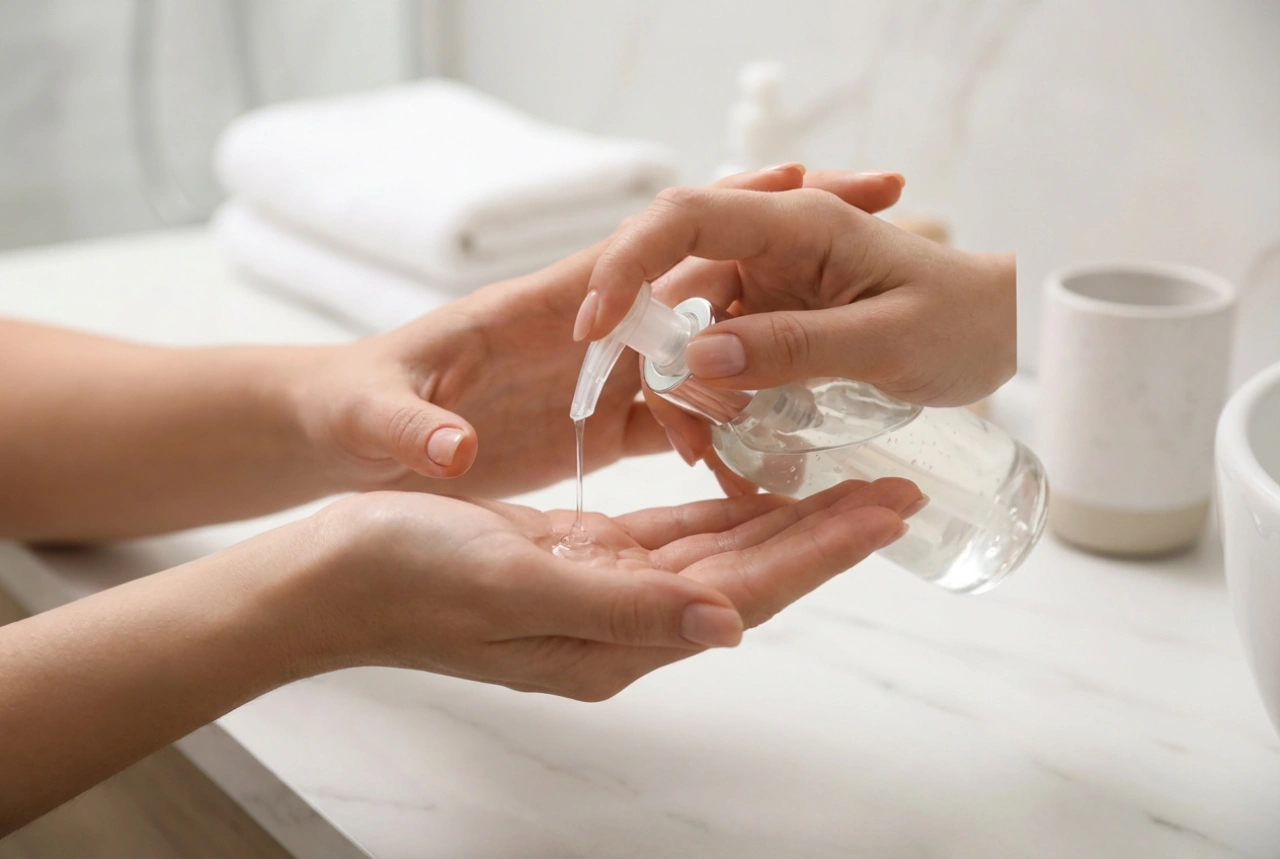
- Foam in Your Hands First: Dispense the product into your wet palms and lather it up before applying it to your face. This activates the surfactants and ensures a more gentle and even application.
- Gentle Massage: Use your fingertips to massage the foam onto your skin in circular motions for about 30-60 seconds. Avoid vigorous scrubbing, which can cause irritation.
- Rinse with Lukewarm Water: Hot water can strip the skin of its natural oils, while very cold water is less effective at rinsing. Lukewarm water is the ideal temperature.
- Pat Dry: After rinsing, gently pat your face dry with a clean, soft towel. Rubbing can stretch the skin and cause unnecessary irritation.
- Moisturise Immediately: Apply your serum and moisturiser while your skin is still slightly damp. This helps to lock in hydration and replenish the skin's barrier.