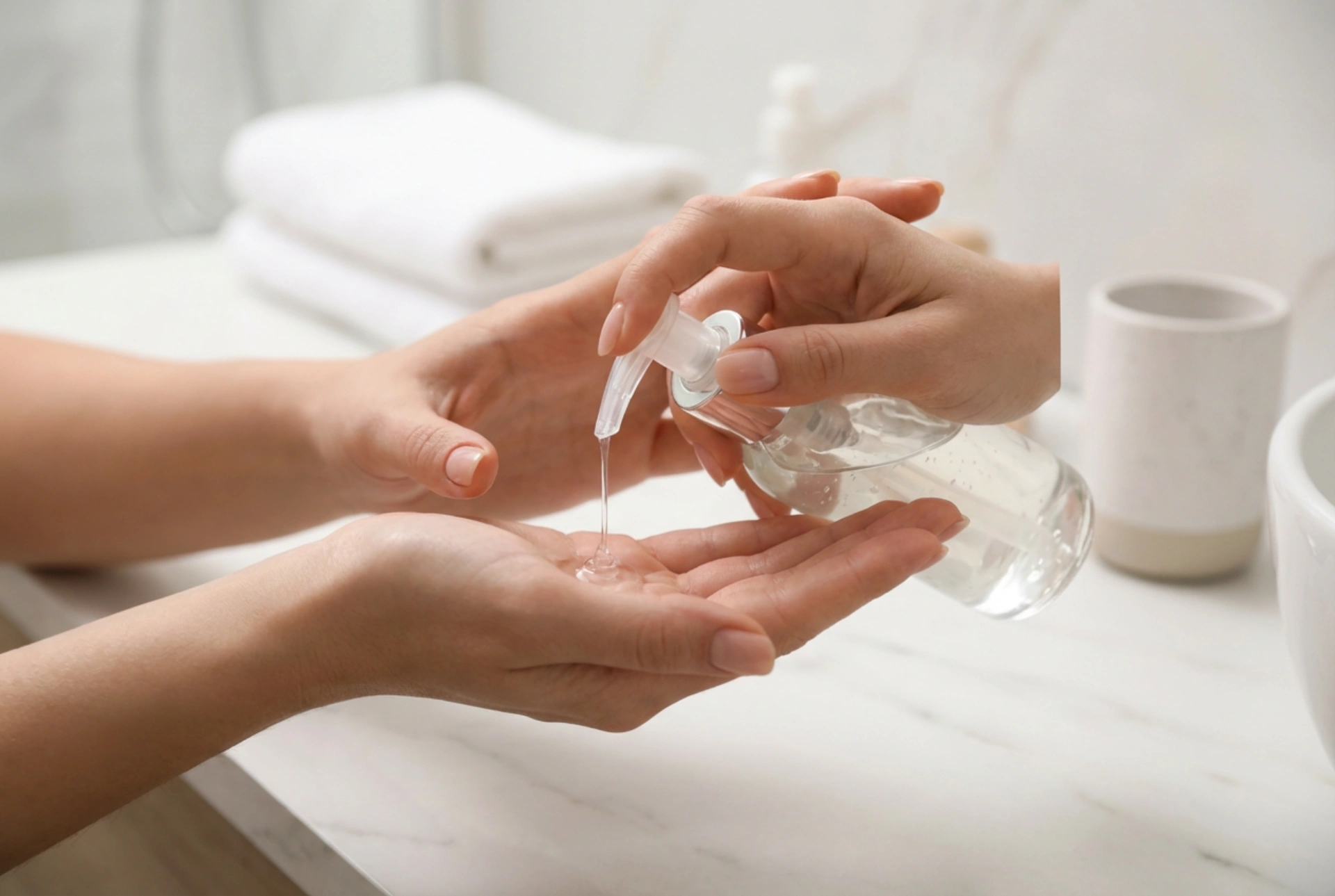


Imagine starting your morning in a quiet, minimalist bathroom, where the soft, diffused natural light catches the clear texture of a facial cleansing gel as you gently dispense it onto your hands. This simple daily ritual is far more than just a quick wash; it is the cornerstone of any effective skincare routine. How we cleanse our face determines how well the rest of our skincare products are absorbed and how balanced our skin remains throughout the day. While a facial cleansing gel is a staple in most bathrooms, using it correctly is key to achieving a fresh, radiant complexion without causing unnecessary irritation.
Why the Right Cleansing Technique Matters
Throughout the day and night, our skin naturally accumulates sebum, dead skin cells, and environmental impurities. A facial cleansing gel is specifically formulated to bind with these oil-soluble and water-soluble impurities, allowing them to be rinsed away easily. However, simply applying the product to your face and rinsing it off immediately is rarely enough. To get the maximum benefit from your cleanser, a mindful approach is required. Proper cleansing helps maintain the skin's natural moisture barrier, prevents clogged pores, and prepares the skin surface for subsequent hydration steps like toners, serums, and moisturisers.
A Step-by-Step Guide to Using Facial Cleansing Gel
To ensure your skin gets the thorough yet gentle cleanse it deserves, follow this simple step-by-step method every morning and evening:
- Wash your hands: Always begin by washing your hands thoroughly. Dispensing your cleansing gel with dirty hands introduces unwanted bacteria directly to your face.
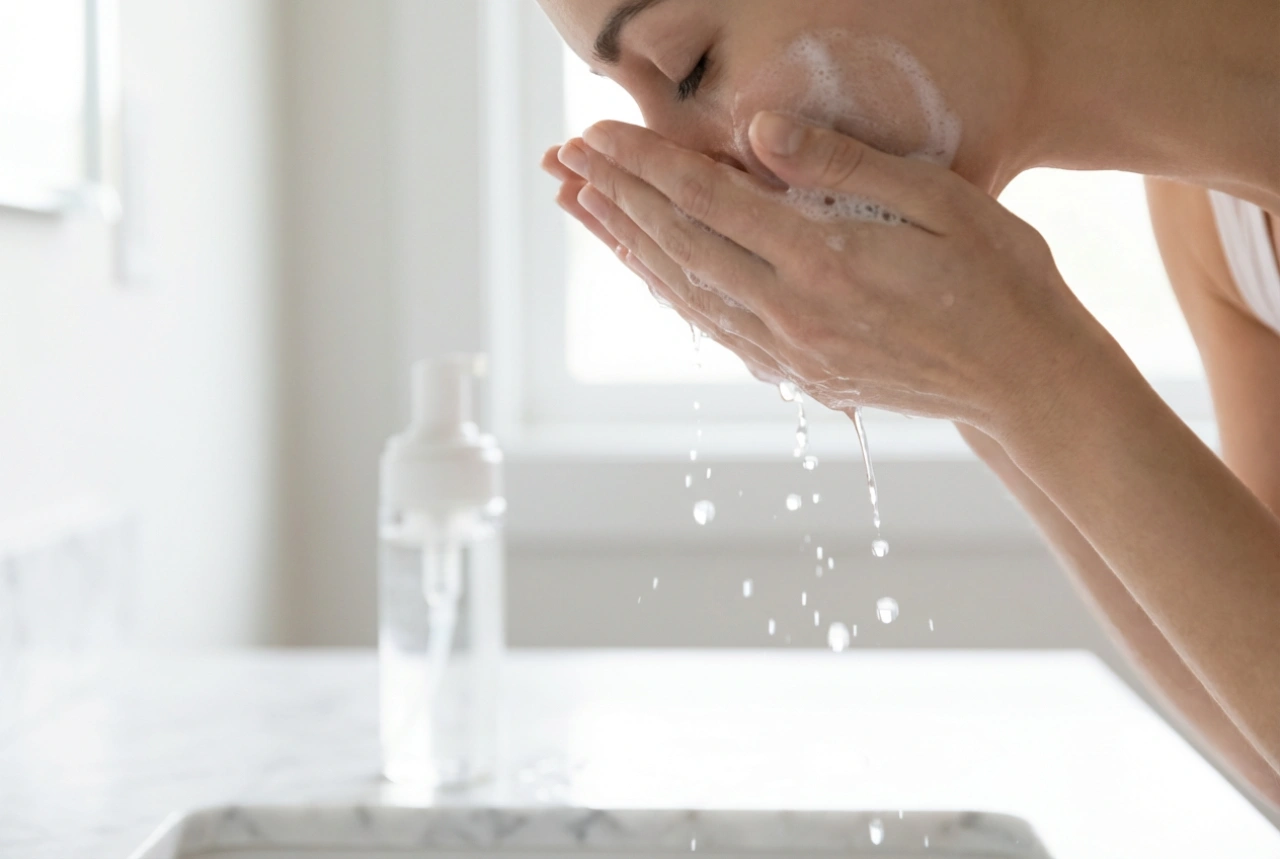
- Dampen your face: Splash your face with lukewarm water. Avoiding hot water is crucial, as high temperatures can strip away the skin's natural oils, leading to dryness and irritation.
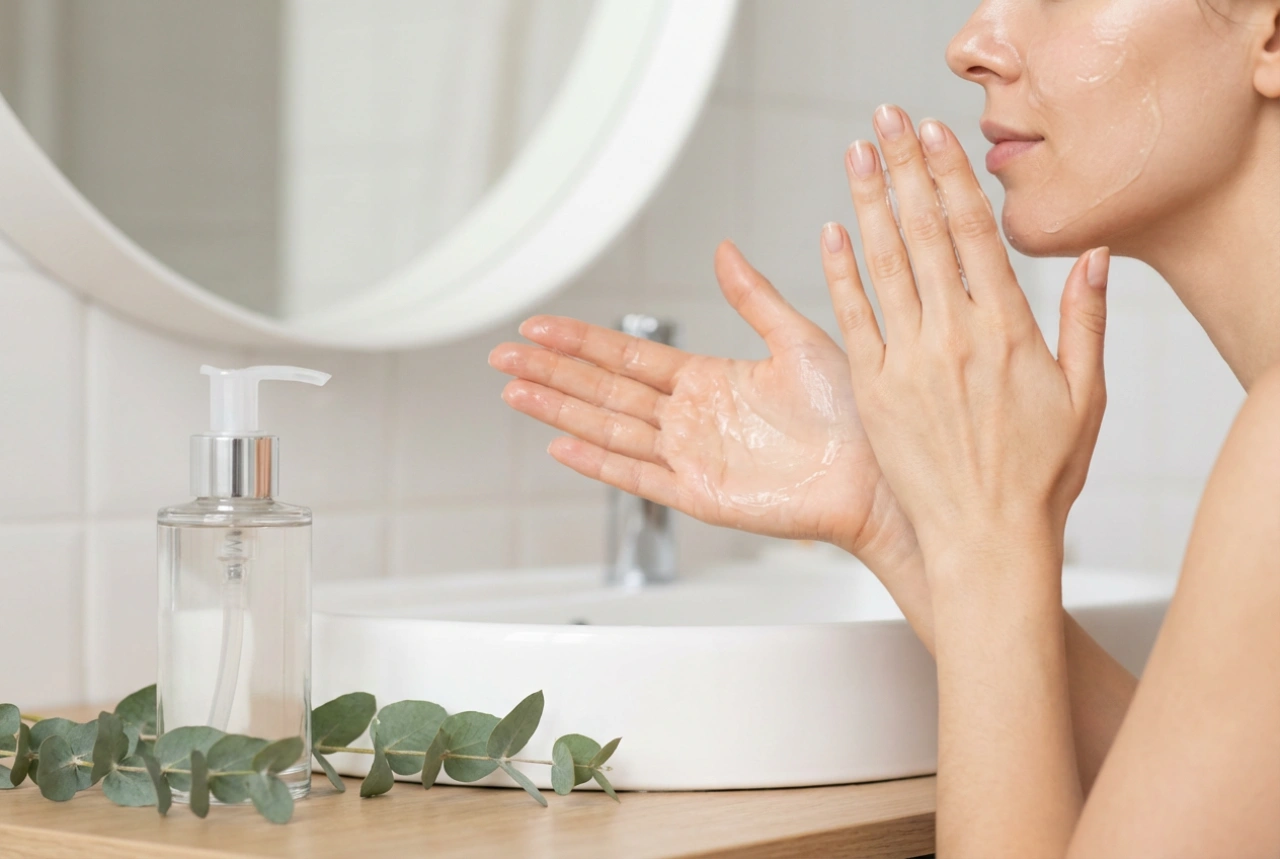
- Dispense and emulsify: Dispense a small, coin-sized amount of the gel onto your palms. Rub your hands together to activate the formula and create a light lather before applying it to your face. This ensures even distribution.
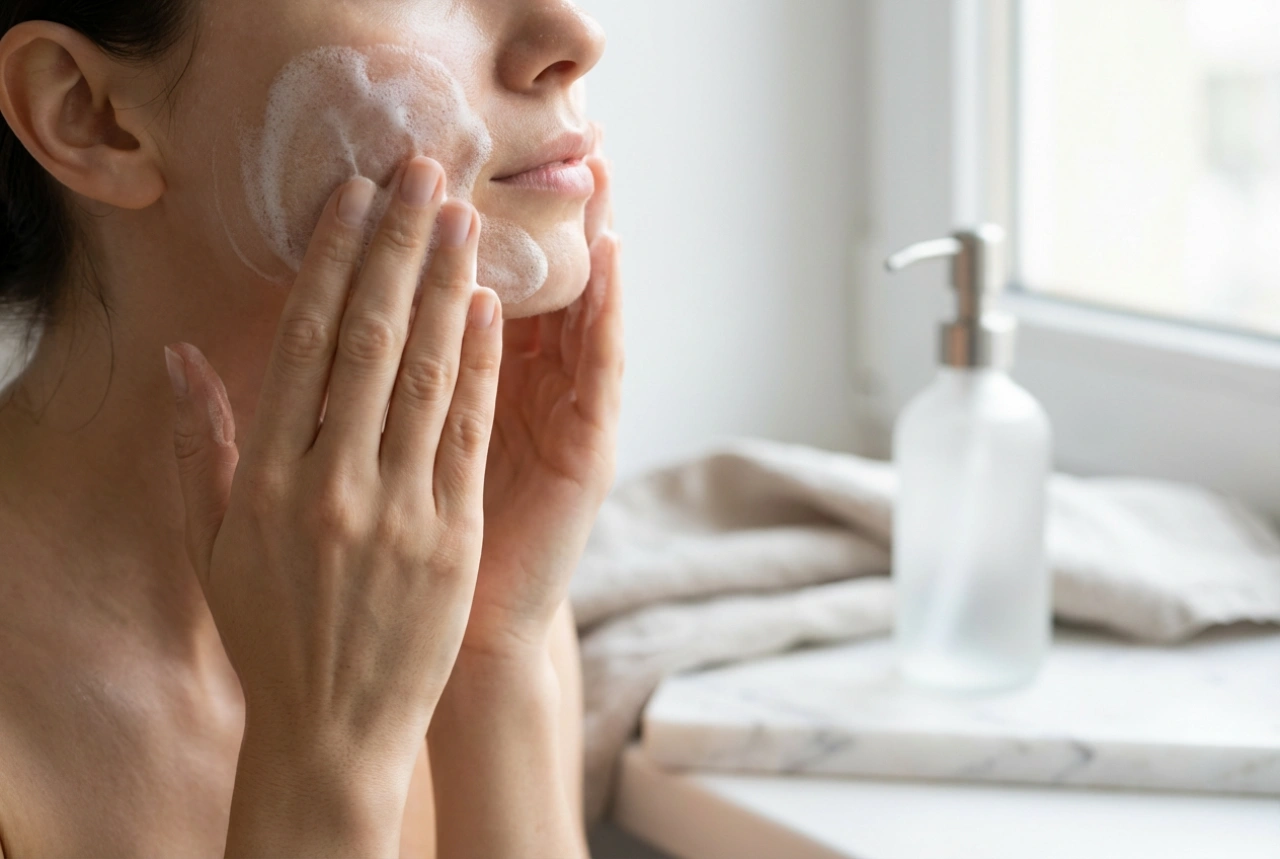
- Massage gently: Apply the gel to your face using gentle, circular motions with your fingertips. Focus on areas that tend to accumulate more oil, such as the forehead, nose, and chin (the T-zone). Avoid harsh scrubbing, especially around the delicate eye area.
- Rinse thoroughly: Splash lukewarm water over your face repeatedly until all traces of the gel are completely gone. Leaving residue behind can cause dryness or dullness.
- Pat dry: Gently pat your skin dry with a clean, soft towel. Avoid rubbing your face with the towel, as this physical friction can irritate the skin barrier.
Common Mistakes When Using Cleansing Gels
Even with the best intentions, it is easy to fall into habits that compromise the health of your skin. Here are some of the most common cleansing errors to watch out for:
Applying Gel to Dry Skin
Many people make the mistake of applying cleansing gel directly to dry skin. Without water to emulsify the product, the gel cannot glide smoothly, leading to excessive friction and uneven cleansing. Always ensure both your hands and face are damp before application.
Using Water That Is Too Hot
While a hot shower or a warm wash feels relaxing, hot water dilates blood vessels and strips the skin of its essential lipids. This can leave your face feeling tight, red, and dehydrated. Stick to lukewarm water for a safe and comforting cleanse.
Over-Cleansing the Skin
Cleansing your face too frequently—such as multiple times throughout the day—can disrupt the delicate balance of your skin barrier. For most skin types, cleansing twice a day (morning and night) is perfectly sufficient. If your skin feels excessively tight after washing, you may be over-cleansing or using a formula that is too strong.
Neglecting the Hairline and Jawline
It is common to focus only on the centre of the face and forget the perimeter. Cleansing gel residue, makeup, and sweat often accumulate along the hairline and under the jaw, which can lead to localised congestion if not rinsed away properly.
Selecting the Best Gel for Your Skin Type
Not all cleansing gels are created equal, and choosing one that aligns with your skin's unique needs is essential. For oilier skin types, a refreshing gel that helps regulate excess sebum without stripping the skin is ideal. If you have dry or sensitive skin, look for gentle, non-foaming formulas enriched with hydrating ingredients that soothe the skin while removing daily impurities. By pairing the right product with a careful, step-by-step technique, you can enjoy a clean, balanced, and glowing complexion every day.