

Daily facial cleansing is much more than a routine chore; it is an essential ritual of self-care that sets the foundation for healthy, glowing skin. Imagine starting or ending your day with elegant hands gently lathering a rich, delicate foam on damp skin, turning a simple wash into a refreshing facial massage. This sensory experience, often initiated by a sleek cleansing gel, is not just about removing the day's build-up. It is a moment of pure mindfulness, where proper technique dictates how well our skin absorbs subsequent care products and maintains its natural vitality.
The Science of Lathering: Why Bubbles Matter
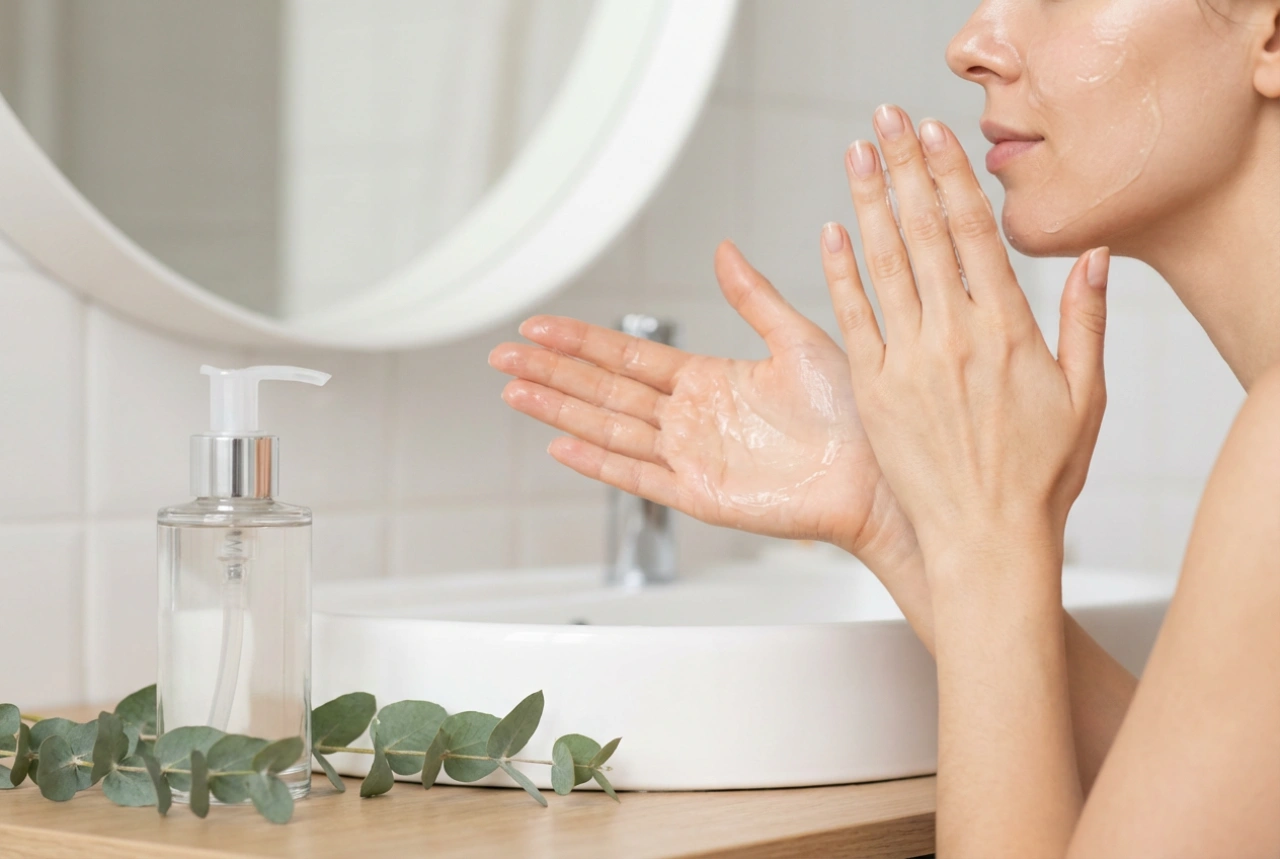
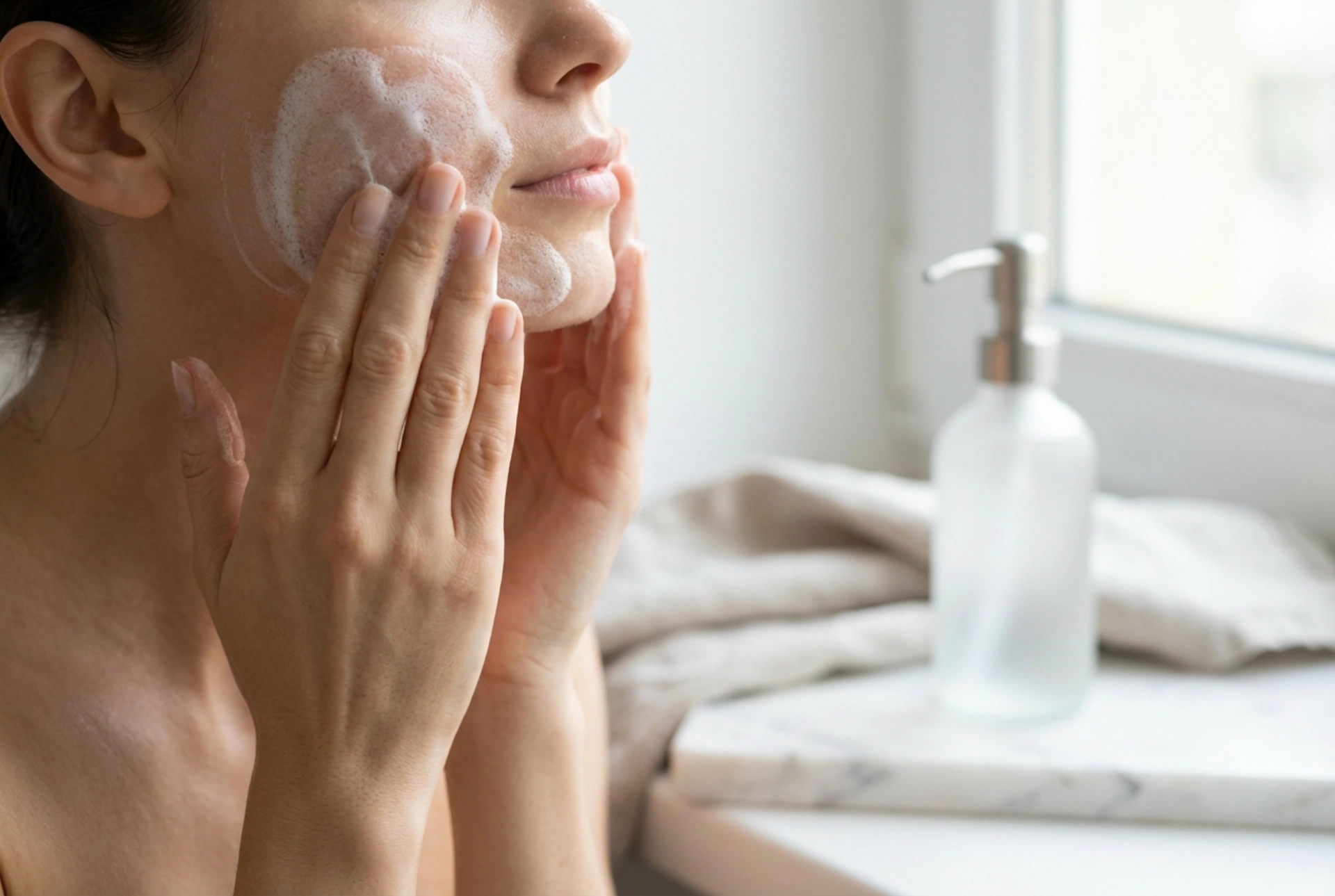
Many people make the mistake of applying a concentrated dollop of cleansing gel directly onto a dry or slightly damp face. However, to unlock the full potential of your facial wash, the art of lathering must be perfected first in your hands. When you mix a small amount of gel with warm water and rub your palms together, you emulsify the product, creating a soft, airy foam. This process is crucial for several reasons.
- Reduces Friction: Direct rubbing of thick gel can pull on delicate facial skin, leading to unnecessary irritation. A rich foam acts as a cushion between your fingers and your face.
- Enhances Dispersion: Micro-bubbles can easily travel into the tiny contours of the skin, trapping excess oil and impurities far more effectively than a dense, unlathered gel.
- Gentle Cleansing: Emulsifying the product activates the cleansing agents, allowing them to lift impurities gently without stripping the skin's essential moisture barrier.
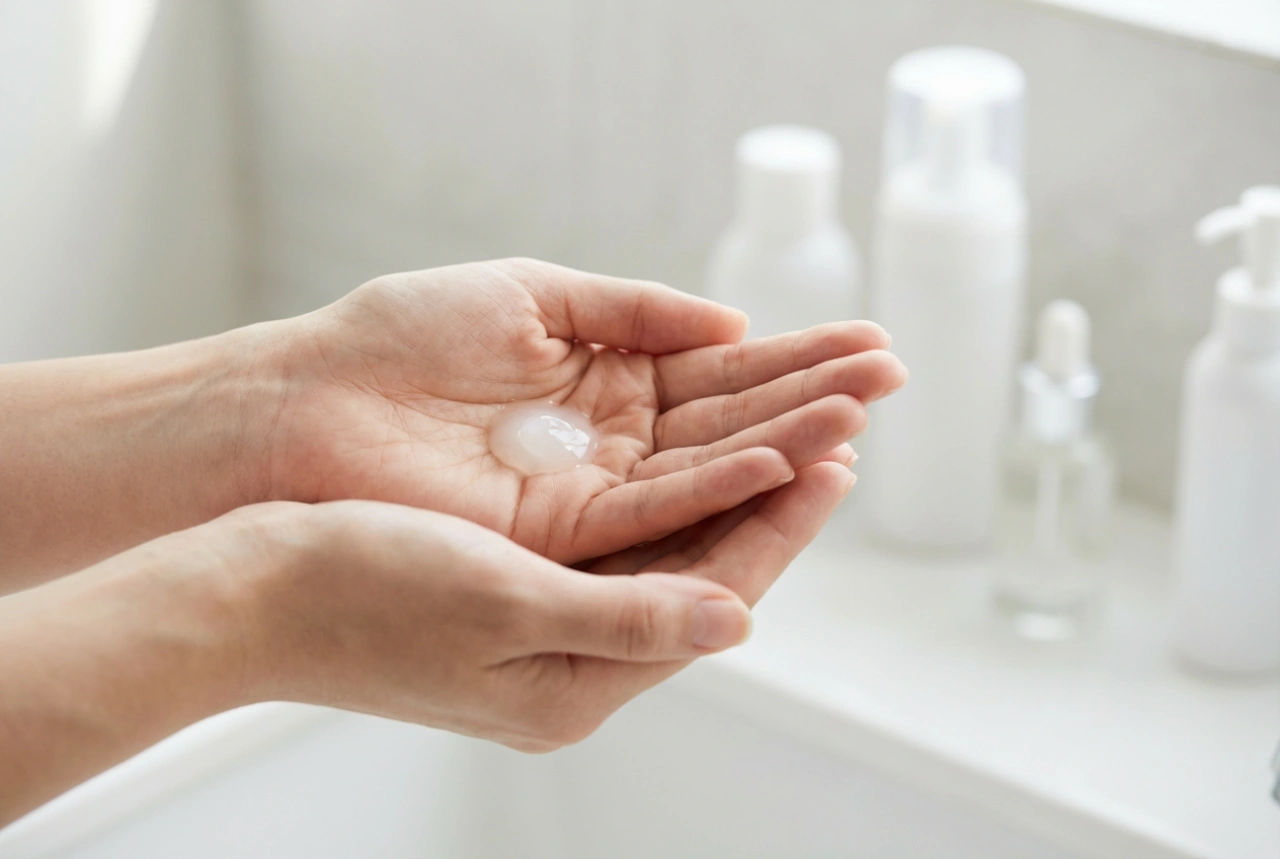
To achieve this, always start with clean hands. Dispense a coin-sized amount of gel into your palm, add a few drops of lukewarm water, and rub your hands in circular motions until a velvety lather forms. Only then should you bring it to your face.
The Facial Massage: Maximising Cleansing and Relaxation
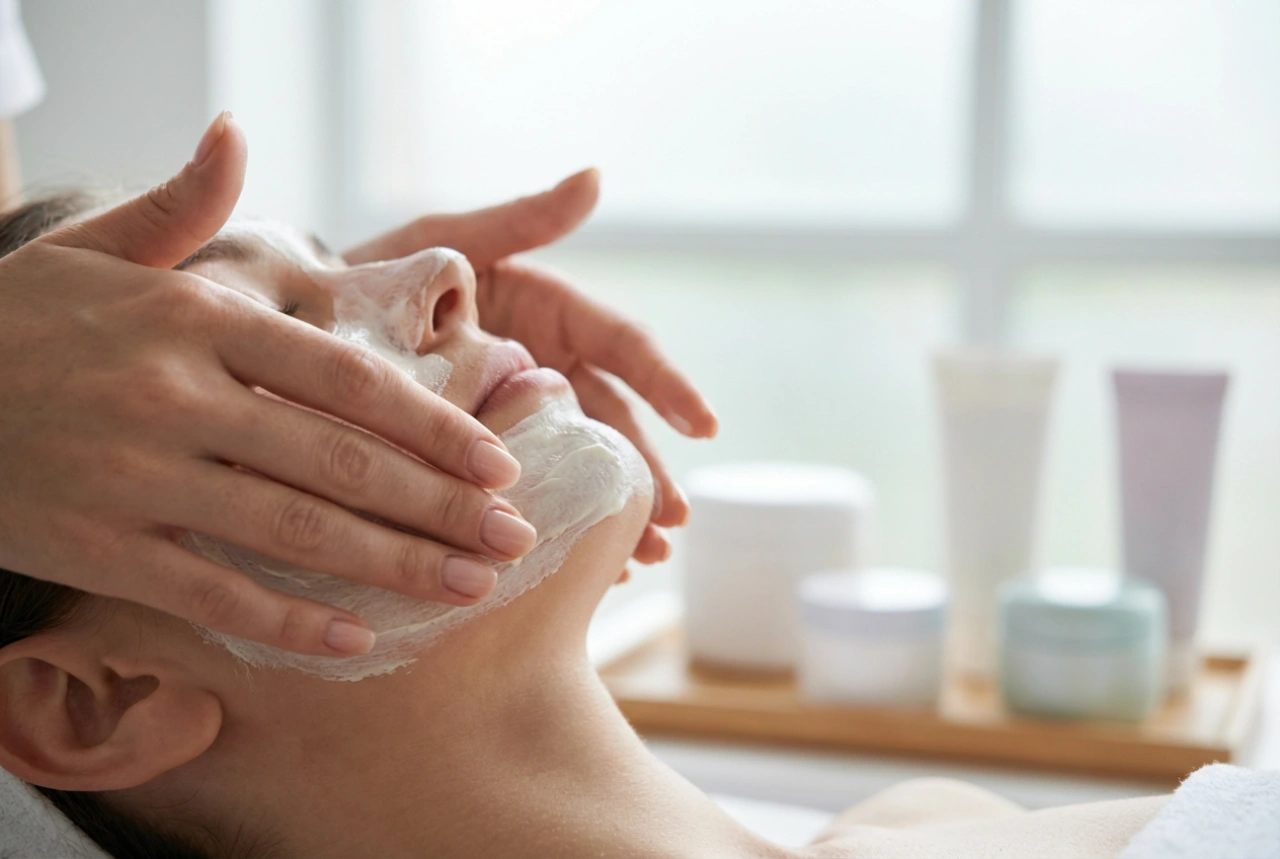
Once the delicate foam is applied, the next step is a gentle massage. This is where cleansing transforms into a therapeutic spa-like experience. Instead of rushing through this stage, spending sixty seconds massaging the lather into your skin can yield remarkable benefits for your complexion.
Correct Massage Movements
Using the pads of your ring and middle fingers – which naturally exert the gentlest pressure – begin massaging in upward and outward circular motions. Start from the centre of your chin and move outwards along the jawline. Continue from the corners of your mouth towards the ears, and from the sides of the nose up to the temples. Pay special attention to the T-zone (forehead, nose, and chin), as this area tends to produce more sebum.
Benefits of a Mindful Cleansing Massage
This gentle pressure does more than just distribute the cleanser. It stimulates blood circulation, bringing oxygen and essential nutrients to the surface of the skin, which promotes a natural, healthy glow. Additionally, facial massage helps to relax the tense muscles around the brow and jawline, releasing daily stress and softening the overall expression of the face. It is a non-invasive, daily practice that supports skin elasticity and resilience.
The Art of Rinsing: Temperature and Precision
Rinsing is a step that is often rushed, yet improper rinsing can undo all the benefits of your careful cleansing routine. Leaving trace amounts of cleansing gel on the skin can lead to dryness, irritation, and dullness, as the active cleansing agents continue to work long after they should have been removed.
The Role of Water Temperature
Water temperature plays a critical role in facial care. Extremely hot water can strip the skin of its natural oils, leaving it tight, dry, and sensitive. On the other hand, icy cold water may not effectively dissolve the emulsified impurities and oils trapped in the foam. The golden rule is to use lukewarm water. Lukewarm water is gentle on the skin's capillaries and perfectly balances the cleansing process, leaving the skin feeling comfortable and refreshed.
Thorough Rinsing Technique
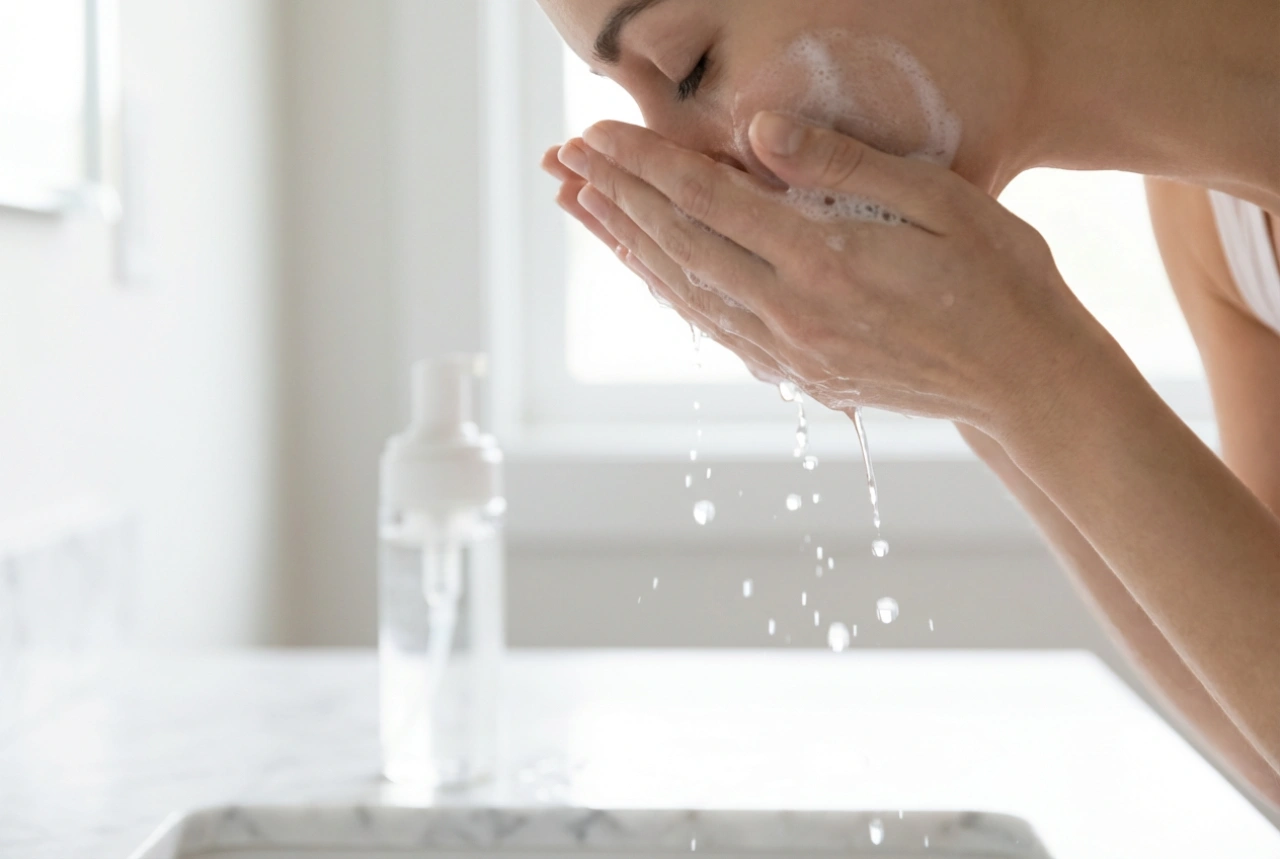
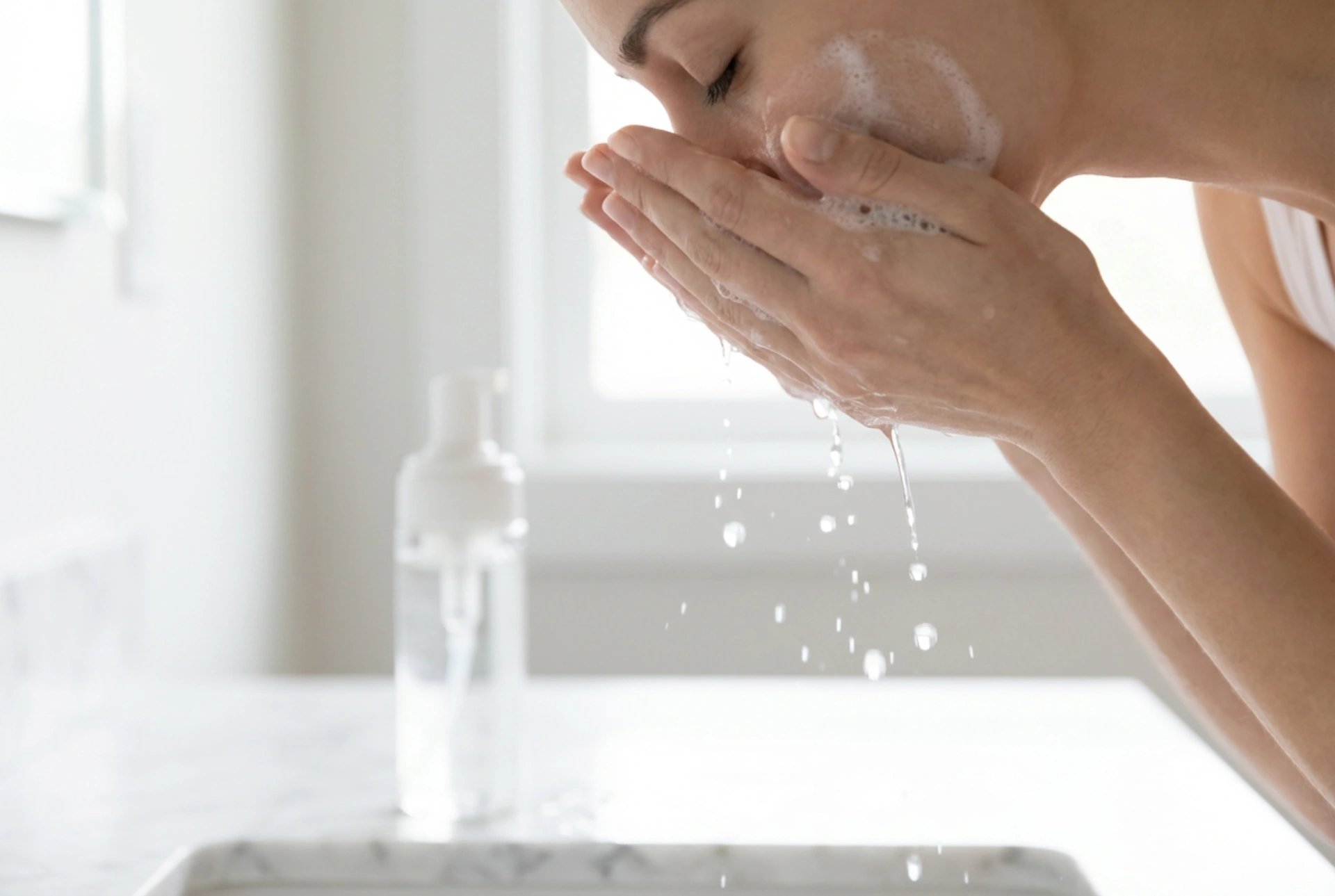
To rinse effectively, cup your hands and splash lukewarm water onto your face repeatedly. Avoid rubbing or pulling the skin with your hands during this stage. Ensure you pay close attention to areas where residue often hides, such as the hairline, the jawline, and around the wings of the nose. Keep splashing until your skin feels completely clean and free of any slippery texture.
Post-Cleansing Care: Patting and Preparing
Once the rinsing process is complete, the final touch of your cleansing ritual requires a delicate hand. Never rub your face dry with a rough towel. Instead, use a clean, soft towel and gently pat your skin to absorb excess moisture. Patting preserves skin elasticity and prevents mechanical irritation.
While your skin is still slightly damp, it is in the perfect state to receive hydration. This is the optimal window to apply a gentle toner, followed by a hydrating serum or cream. By locking in moisture immediately after cleansing, you support the natural skin barrier, leaving your complexion soft, supple, and radiant. Embracing these simple, mindful adjustments to your daily wash turns a routine task into a beautiful, life-enhancing habit.