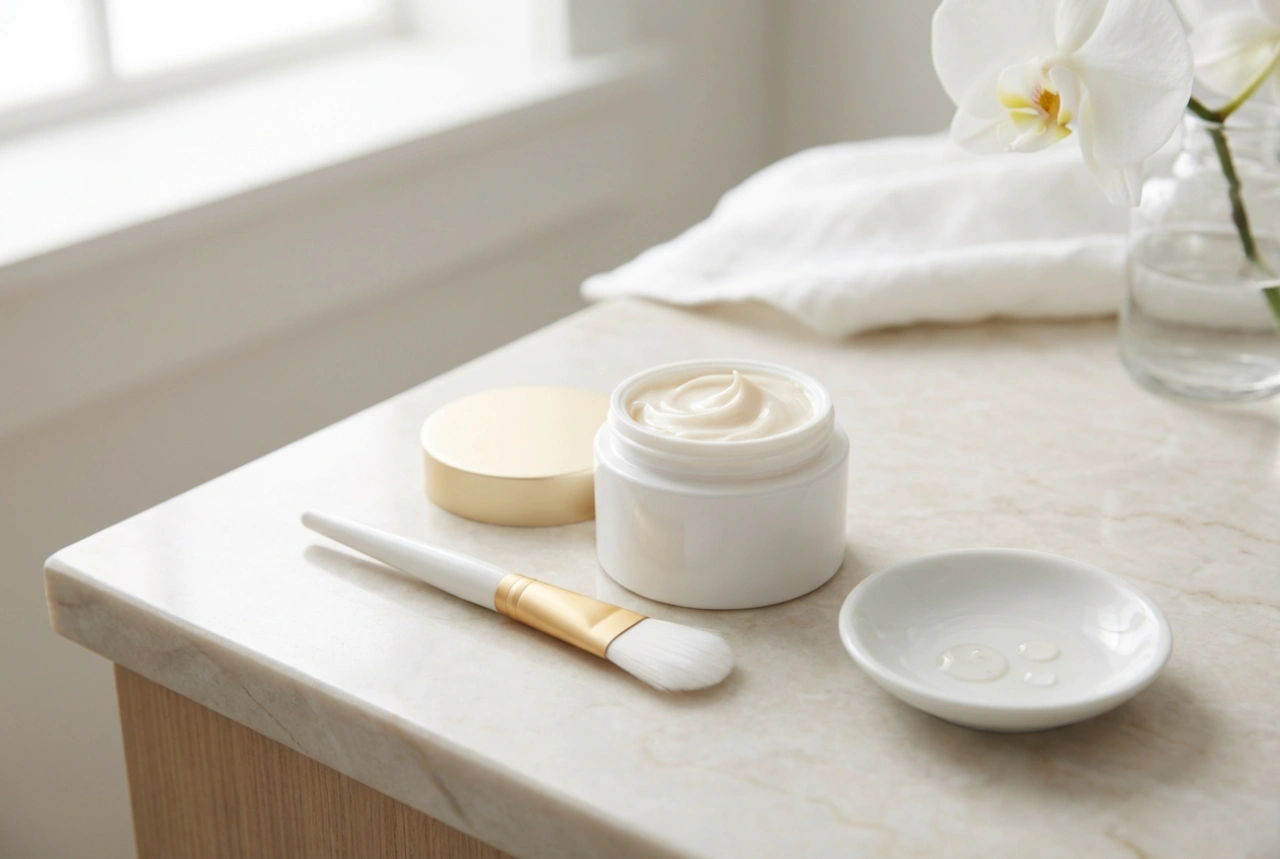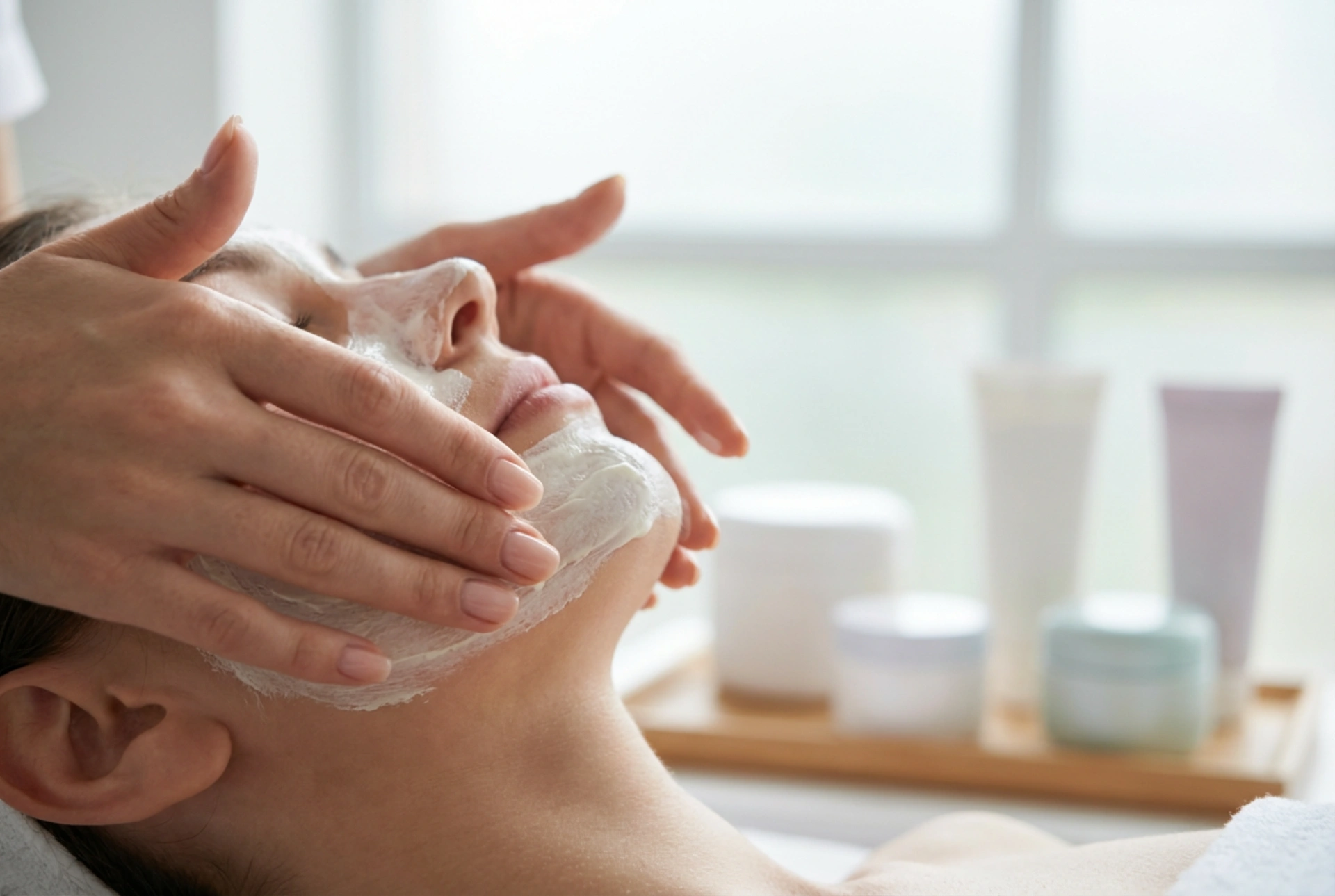


Taking time out for a home pampering ritual is one of the most rewarding ways to care for your skin. Picture a quiet, sunlit room where you delicately apply a rich, creamy face mask, allowing yourself a few moments of complete relaxation. While applying a face mask seems like a straightforward step in your beauty routine, the way you use, remove, and follow up after a mask can significantly influence its effectiveness. To get the most out of your weekly treatment, it is essential to understand the optimal duration for different formulas, the gentlest removal techniques, and how to lock in those nourishing ingredients afterwards.
How Long Should You Leave a Face Mask On?
The duration for leaving a face mask on your skin depends entirely on its formulation and purpose. There is a common misconception that leaving a mask on longer than recommended will yield better results, but this can actually lead to skin dryness or irritation. Always refer to the specific instructions, but here is a general guide for different mask types:
- Clay and Mud Masks: These are designed to absorb excess sebum and clarify the skin. They should typically be left on for 10 to 15 minutes. It is crucial to remove them before they dry completely and start cracking, as this can draw essential moisture out of your skin.
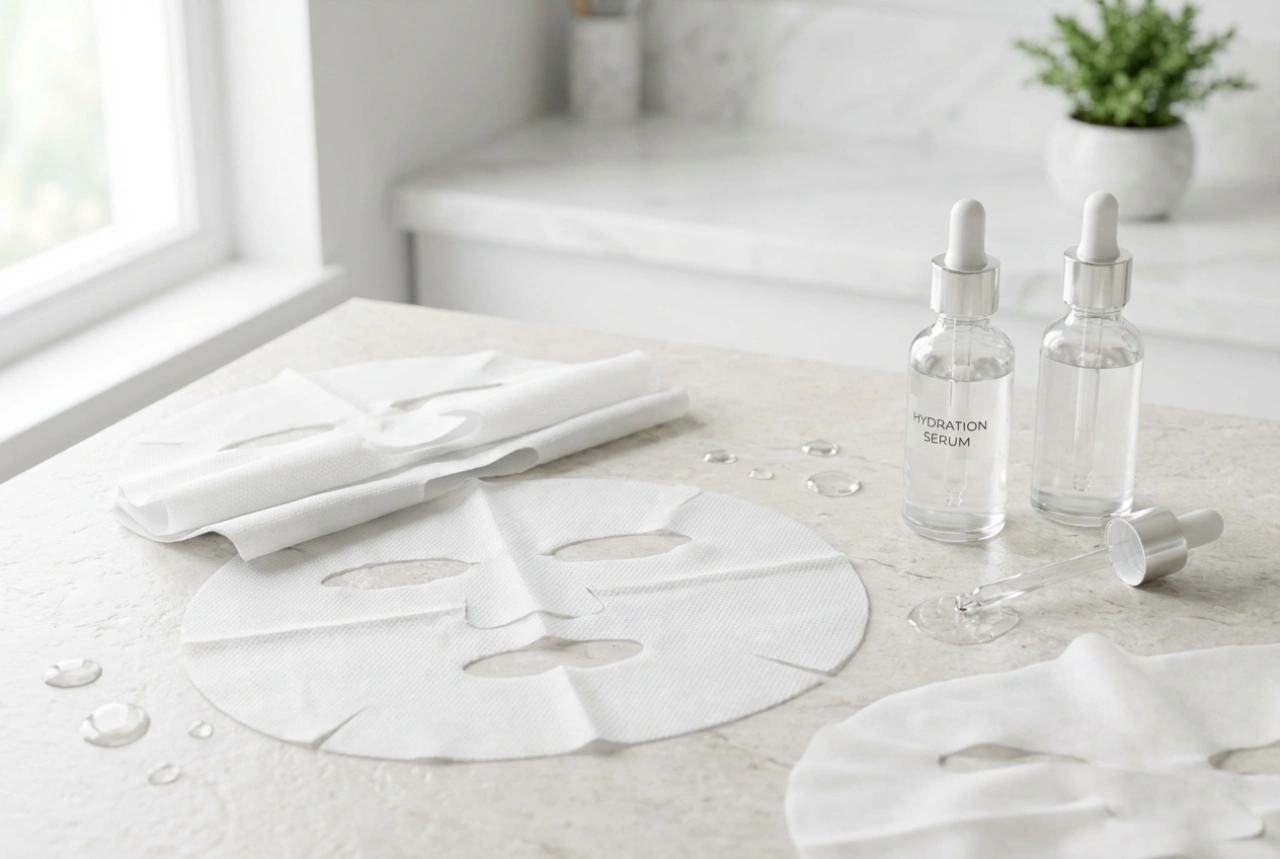
- Sheet Masks: Impregnated with hydrating serums, sheet masks should remain on the face for 15 to 20 minutes. Leaving them on until they dry out completely can actually cause the sheet to reabsorb moisture from your skin.
- Cream and Gel Masks: These nourishing formulas are meant to deeply hydrate and soothe. They are usually left on for 10 to 20 minutes. Some gel masks can even be left on overnight as sleeping packs, provided the formula is designed for that purpose.
- Exfoliating and Enzyme Masks: Because these contain active ingredients to gently dissolve dead skin cells, they require strict adherence to timing, usually between 5 to 10 minutes, to prevent any redness or sensitivity.
The Art of Correct Mask Removal
Removing your face mask properly is just as important as the application process. Rough tugging or using water that is too hot can compromise your skin barrier, undoing all the benefits of the treatment. For a gentle and effective removal process, follow these guidelines:
Using Lukewarm Water
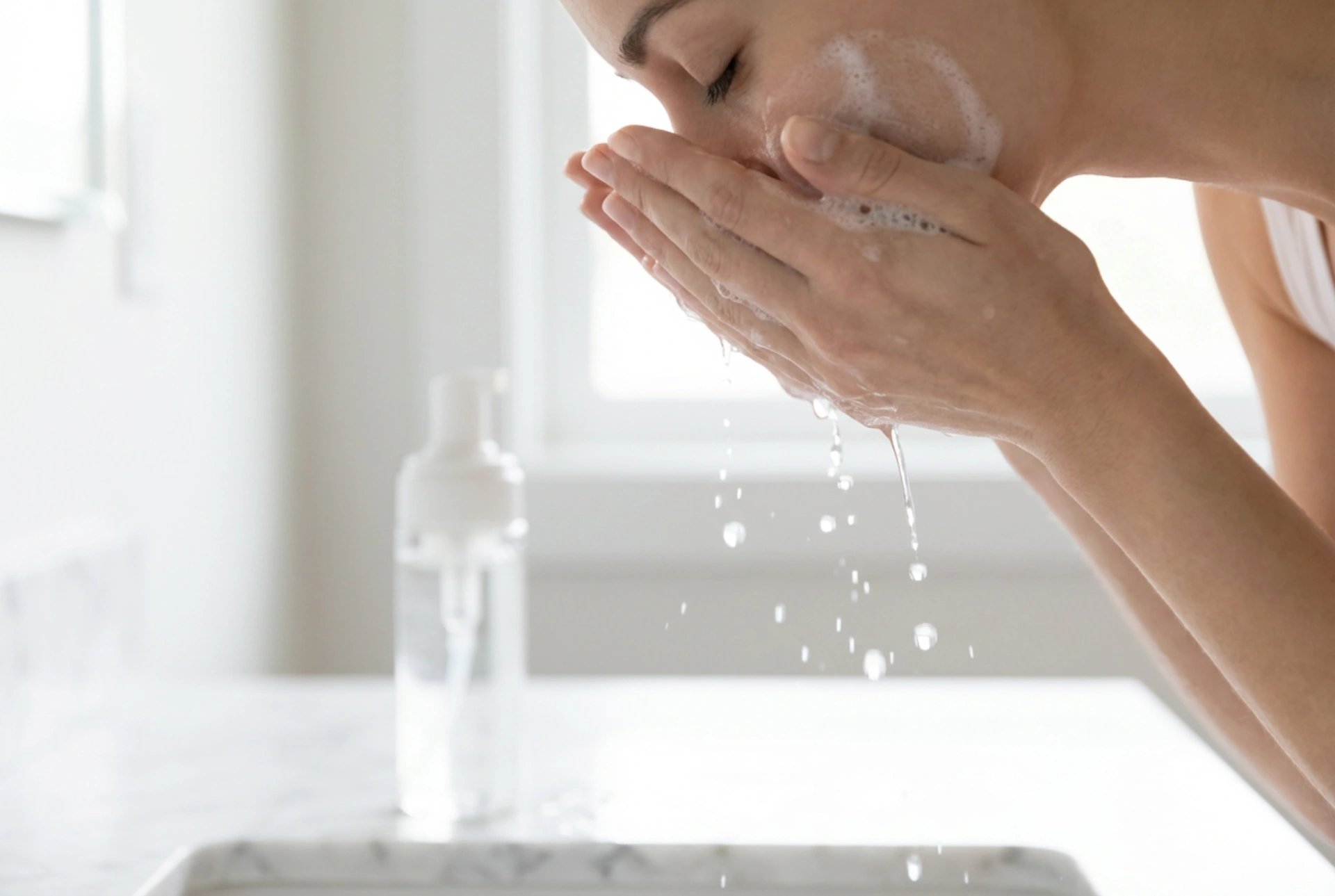
Always use lukewarm water to rinse off clay, cream, or exfoliating masks. Hot water can strip the skin of its natural oils, leading to dehydration, while cold water may not effectively dissolve the product. Splash your face gently and use your fingertips in circular motions to loosen the mask.
The Gentle Cloth Method
If a mask is stubborn, you can use a soft microfiber cloth or a muslin cloth soaked in lukewarm water. Gently press the warm cloth against your face to soften the product before wiping it away with minimal pressure. Avoid aggressive scrubbing, especially around the delicate eye area.
Handling Sheet Masks
Sheet masks do not require rinsing. Simply peel the sheet off gently from the chin upwards. Once removed, gently pat the remaining serum into your face, neck, and décolletage using clean hands until fully absorbed.
What to Apply After a Face Mask
Once your face mask has been successfully removed, your skin is in a highly receptive state. To maximise the benefits of your pampering session, you must follow up with a tailored skincare routine to seal in hydration and protect the skin barrier:
- Step 1: Hydrating Toner or Mist: Applying an alcohol-free toner helps to rebalance your skin's pH levels and prepares it to absorb subsequent products more effectively.
- Step 2: Targeted Serum: If you used a simple hydrating mask, you can follow up with a serum containing nourishing ingredients like hyaluronic acid or calming botanical extracts. However, if you used an intense exfoliating mask, it is best to stick to soothing, basic hydration.
- Step 3: Moisturiser: A good moisturiser is essential to lock in all the hydration and active ingredients from both the mask and your serum. It acts as a protective shield, keeping your skin soft and supple.
- Step 4: Facial Oil (Optional): For those with dry skin, applying a few drops of a gentle face oil after your moisturiser can provide an extra layer of nourishment and seal in moisture overnight.
Common Mistakes to Avoid During Your Mask Ritual
To ensure your skin reaps all the rewards of your routine, keep these common pitfalls in mind. Firstly, never apply a mask to dirty skin; always cleanse thoroughly beforehand to allow the ingredients to penetrate effectively. Secondly, avoid multi-masking with incompatible formulas that could irritate sensitive zones of your face. Finally, consistency is key—using a mask once a week or once every fortnight as part of a regular self-care routine will yield much better long-term results than occasional, sporadic use.