

An evening skincare routine is more than just a daily chore; it is a dedicated ritual of self-care that prepares the skin for its natural recovery phase. During the night, the body shifts into a state of repair, making it the perfect opportunity to introduce nourishing treatments. Utilising overnight face masks, often referred to as sleeping packs, allows you to maximise this regenerative window. When properly layered with your existing products and rinsed off correctly in the morning, these masks can transform a dull complexion into a luminous, revitalised canvas, mirroring the fresh glow of a beautifully curated morning routine.
The Science of Night-time Skin Regeneration
While we sleep, our skin goes through a natural cycle of renewal and repair. During these hours, environmental stressors are absent, allowing the skin barrier to focus entirely on recovery. Cell turnover increases, and the skin becomes more receptive to topically applied ingredients. However, trans-epidermal water loss also peaks during the night, which can lead to dehydration if the skin is not adequately protected.
This is where overnight masks play a vital role. Unlike standard rinse-off masks that work in ten to fifteen minutes, sleeping masks are designed to sit on the skin for several hours. They act as a breathable, protective barrier, locking in moisture and active botanical extracts while preventing water loss throughout the night. This ensures that the skin remains hydrated, plump, and supported during its most critical recovery phase.
How to Layer Overnight Masks with Other Skincare
To get the most out of your overnight mask, it is essential to understand the order of application. Skincare products should generally be applied from the thinnest to the thickest consistency. An overnight mask is almost always the final step in your evening routine, acting as a sealant for the layers beneath it.
Step 1: Deep Cleansing and Prep
Every effective night-time routine begins with a thorough cleanse. Removing make-up, sunscreen, and daily impurities ensures that subsequent products can penetrate effectively. A gentle, non-stripping cleanser keeps the skin barrier intact. Follow this with a hydrating toner or essence to rebalance the skin's pH and prepare it to absorb moisture.
Step 2: Hydrating Layers
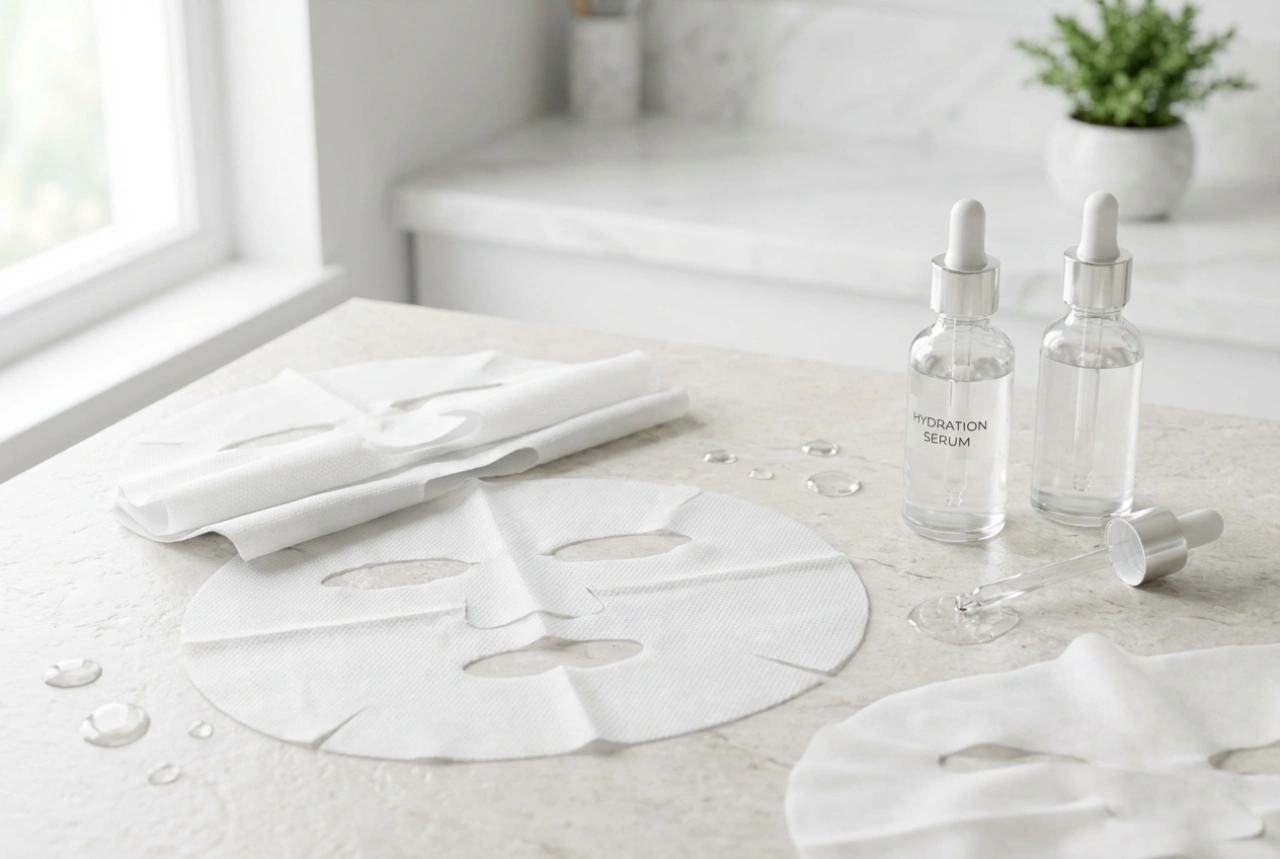
Once the skin is prepped, apply your lightweight serums. Serums containing hyaluronic acid, peptides, or botanical extracts are ideal for addressing specific cosmetic concerns. Allow each layer to absorb for a minute or two before moving on to the next. If your skin is particularly dry, you can apply a lightweight moisturiser at this stage, though some may choose to skip straight to the mask depending on its texture.
Step 3: Sealing with the Overnight Mask
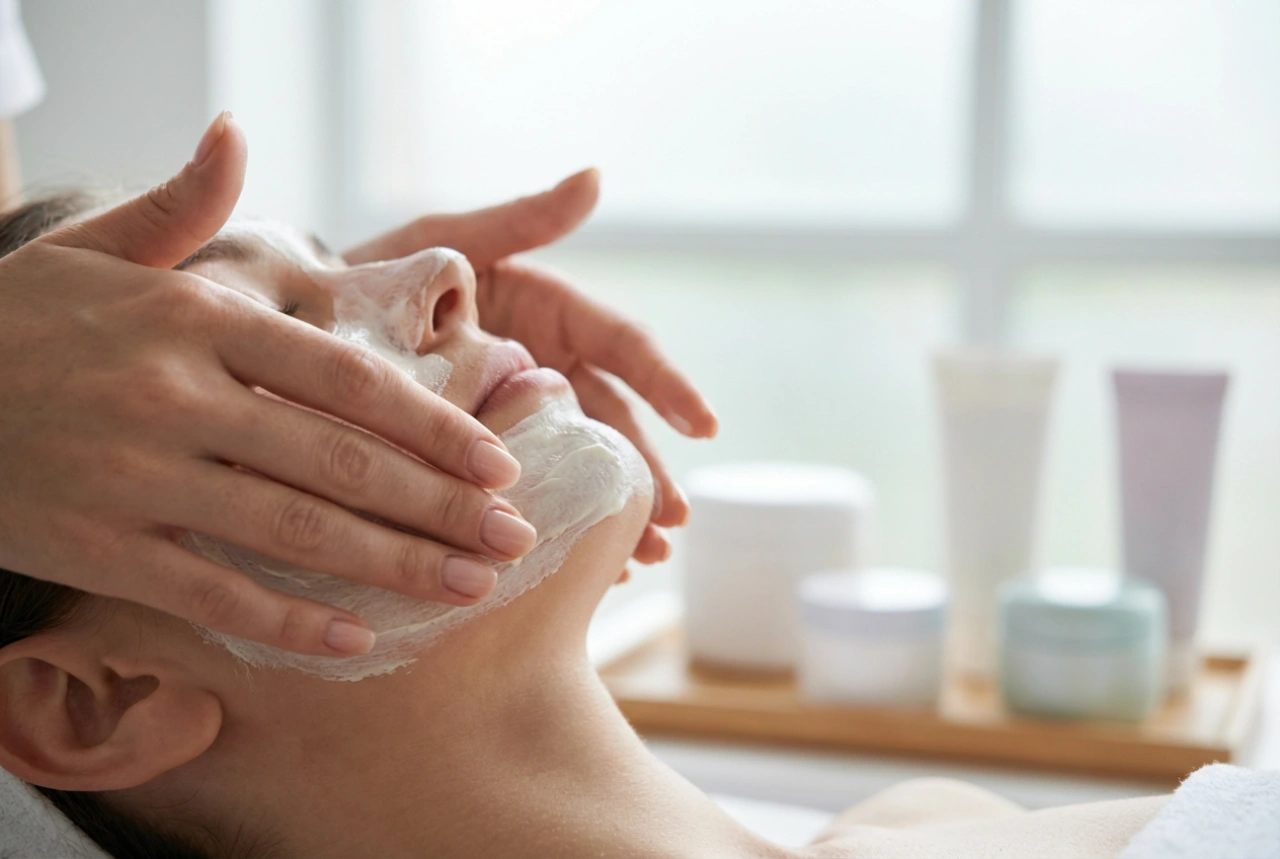
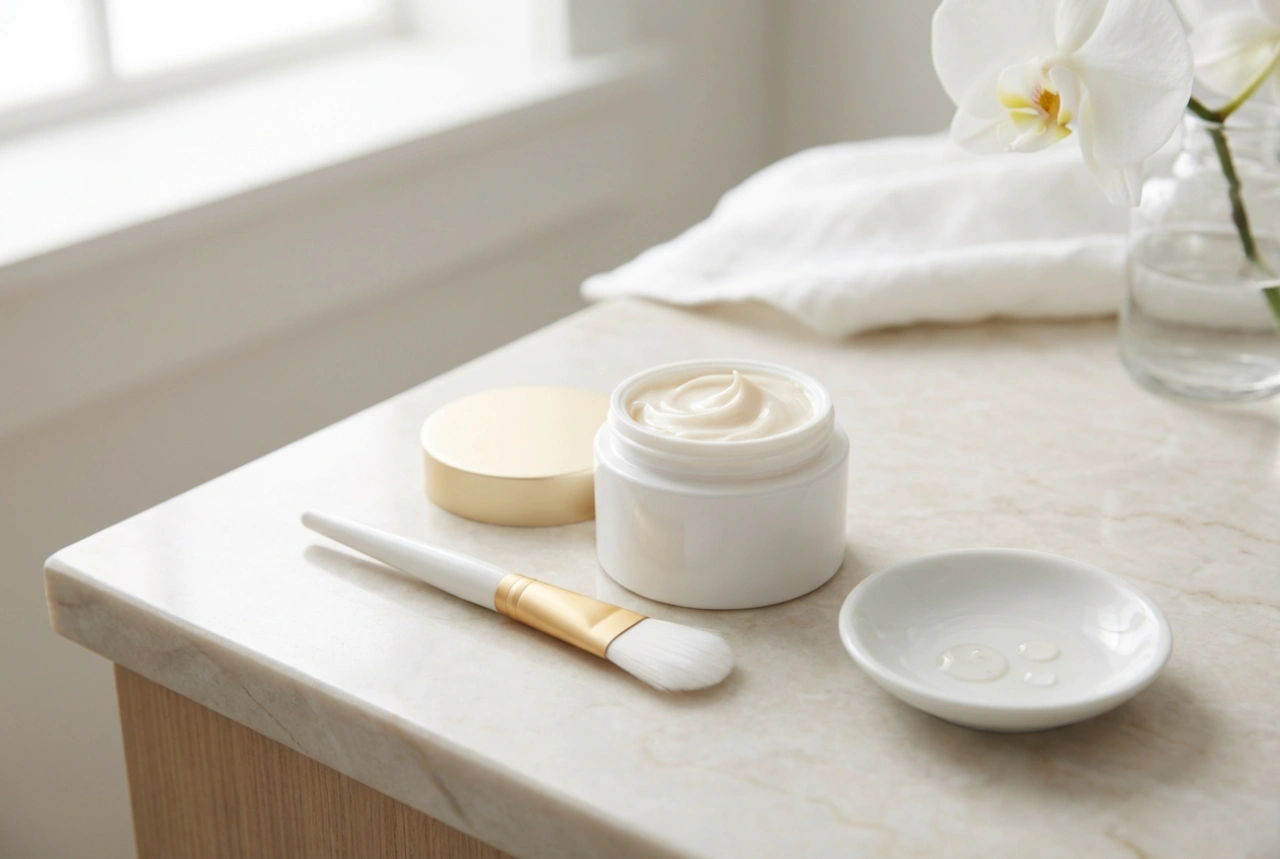
The overnight mask should be applied as the ultimate step. Take a cherry-sized amount of the mask and smooth it evenly over your face and neck, avoiding the delicate eye area. Gently pat the product into the skin rather than rubbing aggressively. This final layer seals in all the hydration from your serums and provides a continuous release of nourishment while you sleep.
Best Practices for Applying Overnight Masks
Applying an overnight mask requires a slightly different approach than your standard night cream. Here are a few practical tips to ensure a comfortable and effective experience:
- Timing is key: Apply your overnight mask at least twenty to thirty minutes before your head hits the pillow. This allows the product to set slightly, preventing it from transferring onto your bed linen.
- Less can be more: You do not need a thick, heavy layer to see results. A thin, even veil is sufficient to lock in moisture without clogging pores or feeling uncomfortable.
- Frequency of use: While some lightweight hydrating masks can be used nightly, most treatment masks are best applied two to three times a week, alternating with your regular night cream.
The Morning Routine: How to Properly Rinse and Refresh
How you wake up and care for your skin in the morning is just as important as your evening preparation. Overnight masks leave a protective film on the skin, which must be gently removed to prepare the face for daytime products.
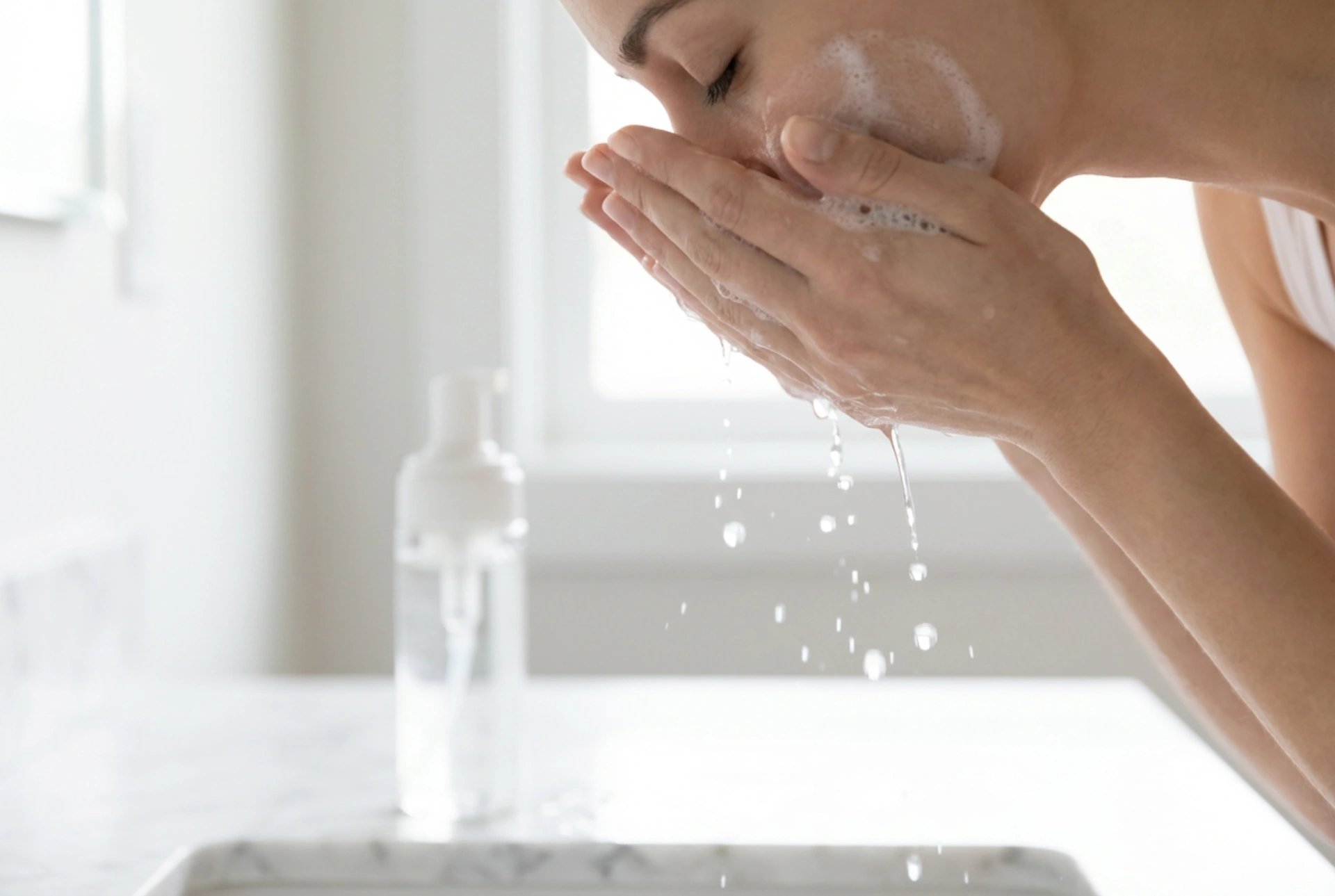
Begin by rinsing your face with lukewarm water. Water that is too hot can strip the skin of its natural oils, while cold water may not effectively dissolve the mask residue. For a more refreshing cleanse, use a small, damp, soft towel. Gently press the warm towel against your face to soften the mask, then wipe it away in gentle, upward motions. This provides a very mild physical exfoliation, leaving the skin feeling incredibly smooth and revitalised.
After rinsing, follow with a gentle, water-based cleanser if your skin feels oily, or simply proceed with your morning toner, antioxidant serum, and essential daily sunscreen. Your skin will be perfectly primed, plump, and glowing, ready to face the day ahead.
Tailoring Overnight Masks to Your Skin Type
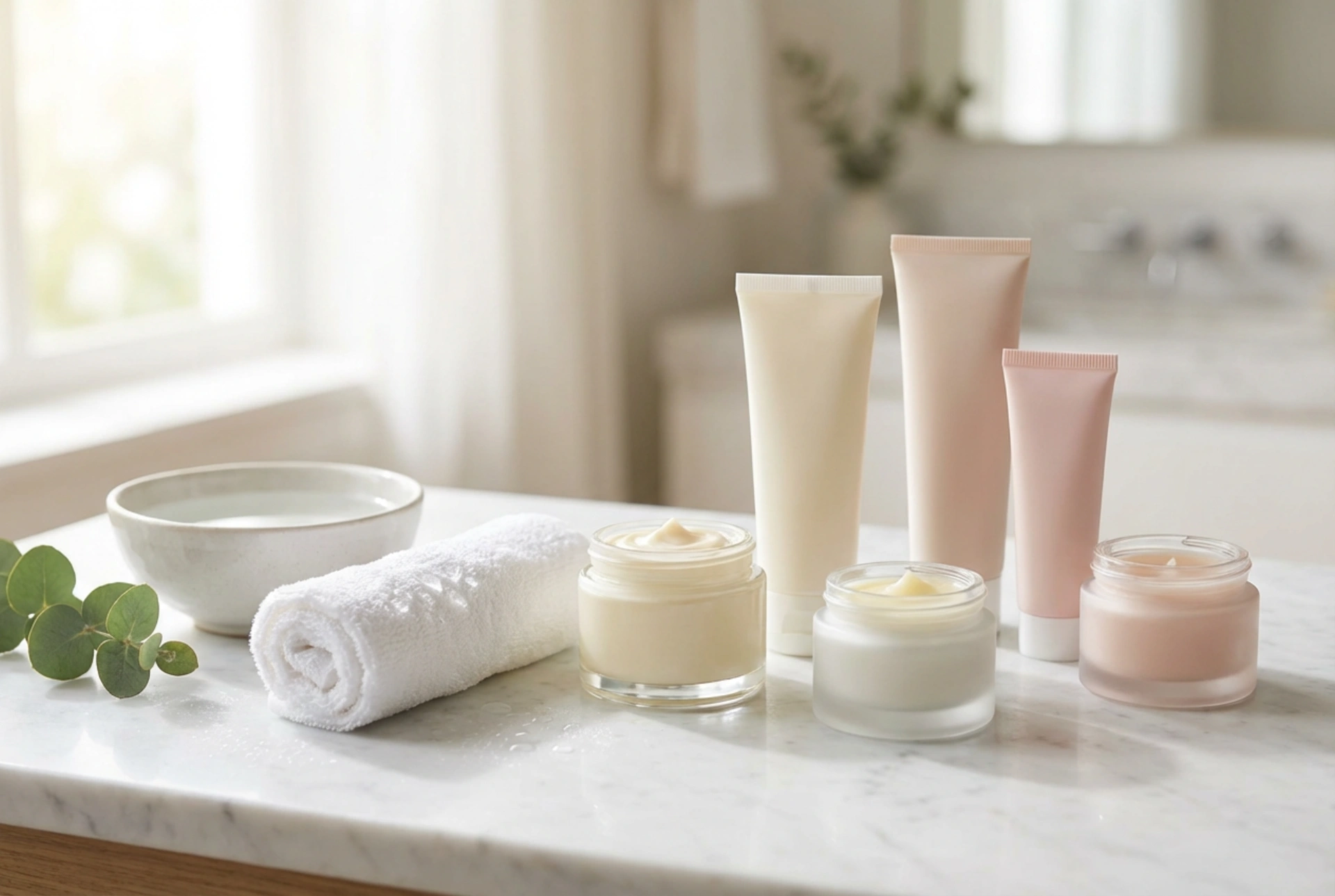
To achieve the best results, it is important to select an overnight mask that complements your specific skin needs. For dry and dehydrated skin, look for rich, creamy textures infused with natural oils and ceramides to restore comfort and elasticity. If you have oily or combination skin, a lightweight gel-based mask is ideal, providing intense hydration without adding excess heaviness. For sensitive skin types, simple, soothing formulations with chamomile or green tea extracts help calm redness and maintain a balanced, resilient complexion.