

Effective facial cleansing is the cornerstone of any successful skincare routine. With a myriad of formulations available, from light foams to rich balms, selecting the right product can feel overwhelming. Understanding the different textures and their intended purposes is the first step towards achieving a balanced and healthy complexion. This guide will help you navigate the world of facial cleansers and find the one that perfectly suits your skin's unique needs.
Why Proper Cleansing is Essential
Throughout the day, your skin accumulates a layer of dirt, pollutants, excess sebum, and makeup. If not removed properly, this build-up can lead to clogged pores, a dull appearance, and can prevent other skincare products from penetrating effectively. A good cleanser does more than just wash your face; it purifies the skin, maintains its natural moisture barrier, and prepares it to absorb the beneficial ingredients from serums and moisturisers. Cleansing twice a day—once in the morning to remove sweat and oils from the night, and once in the evening to wash away the day—is a fundamental practice for maintaining skin health.
Understanding Cleanser Formulations
Cleansers come in various forms, each designed with a specific skin type or concern in mind. Knowing the difference is key to making the right choice.
Foaming and Gel Cleansers
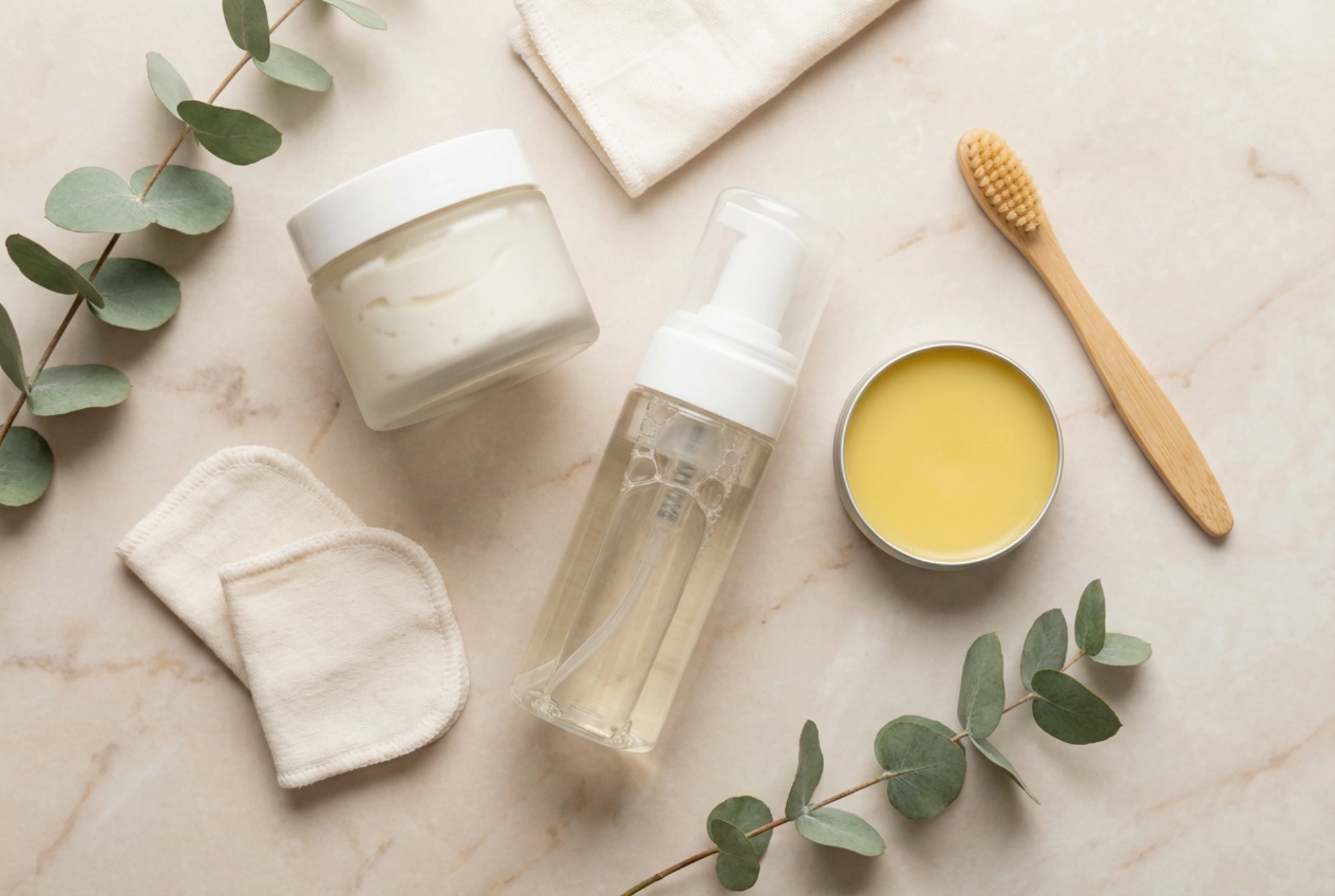
These are perhaps the most common types of cleansers. They typically have a gel-like or watery consistency that lathers into a foam when mixed with water. They provide a deep-cleaning sensation and are excellent at cutting through excess oil and removing surface-level impurities. They are often favoured by those who enjoy a feeling of being 'squeaky clean'. However, it's important to choose formulas that are free from harsh surfactants, which can strip the skin of its natural oils, leading to dryness and irritation.
Cream and Milk Cleansers
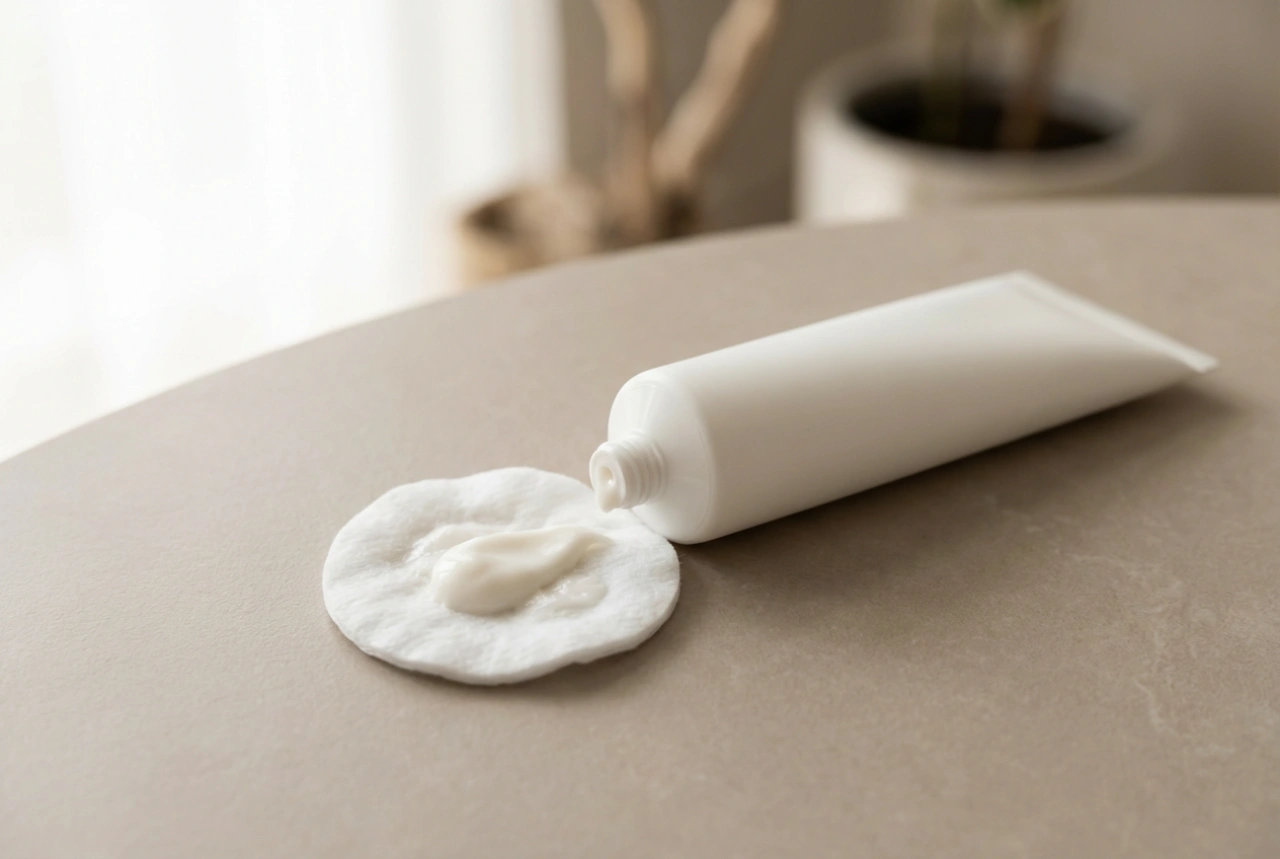
Cream and milk cleansers have a richer, more lotion-like texture. They are exceptionally gentle and work to cleanse the skin without stripping its natural lipid barrier. These formulations are often enriched with moisturising and soothing ingredients, making them ideal for skin that is prone to dryness or sensitivity. They effectively remove light makeup and impurities while leaving the skin feeling soft, hydrated, and comfortable, rather than tight.
Oil and Balm Cleansers
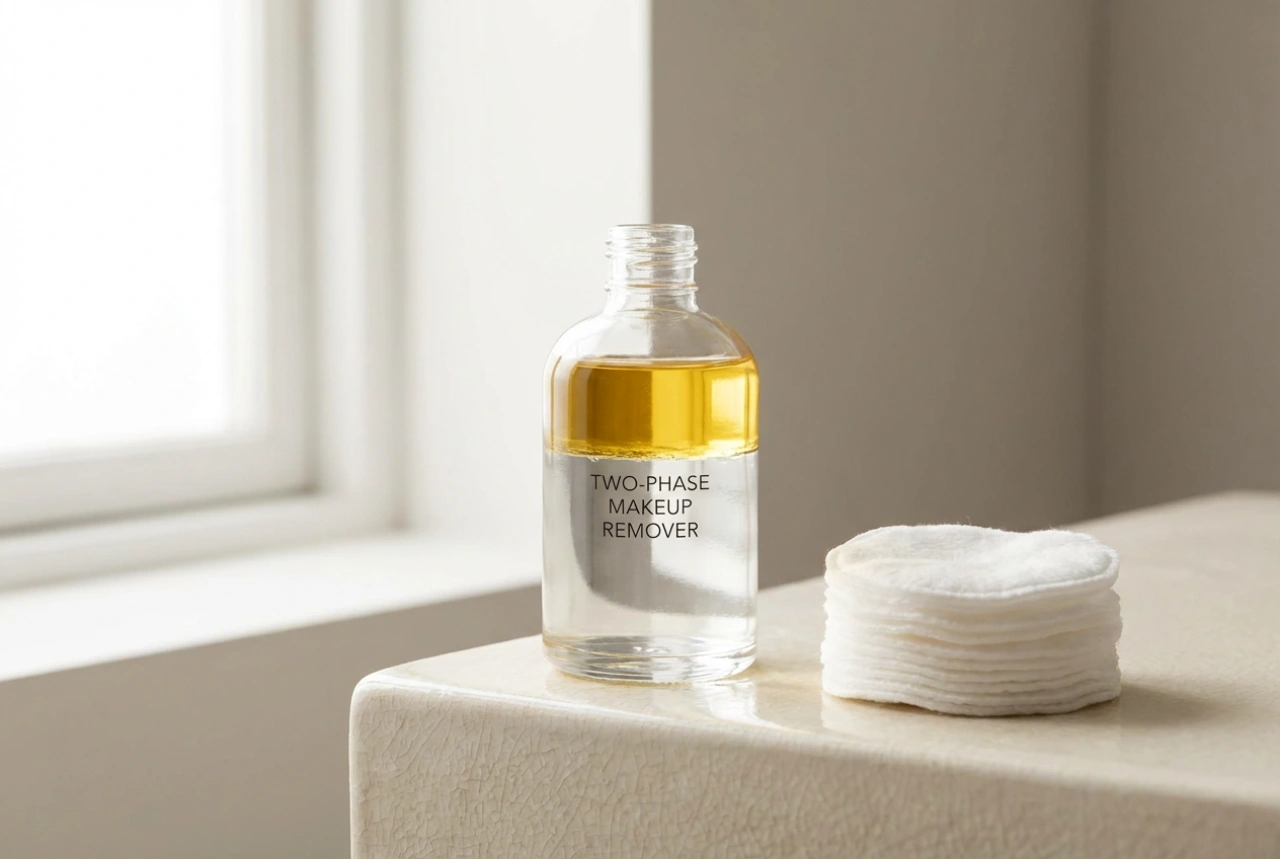
Based on the principle that 'like dissolves like', oil-based cleansers are masters at melting away stubborn, oil-based makeup, sunscreen, and excess sebum. They start as an oil or a solid balm that transforms into a milky emulsion upon contact with water, rinsing away cleanly without leaving a greasy residue. They are a cornerstone of the 'double cleansing' method and are surprisingly suitable for all skin types, including oily skin, as they help to balance sebum production.
Micellar Waters
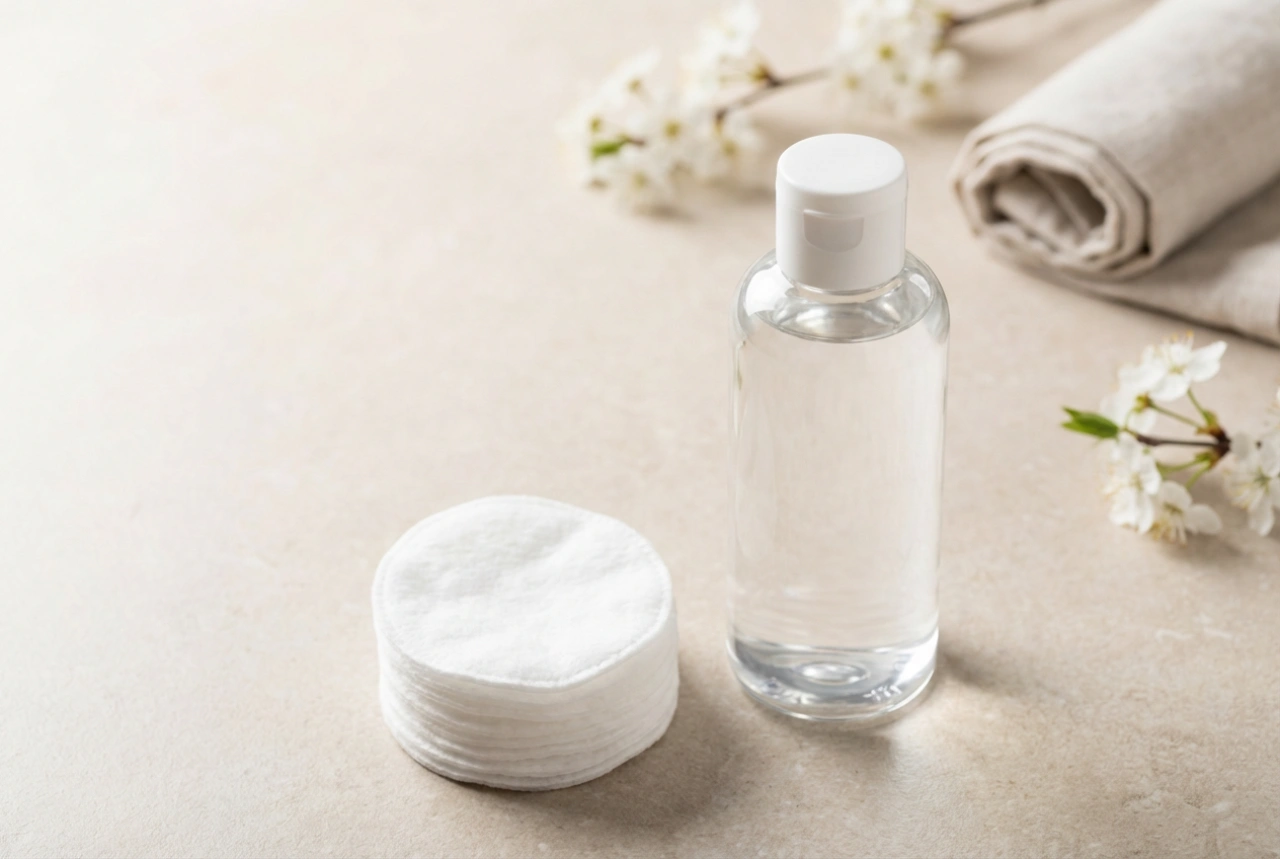
Micellar water looks and feels like regular water but contains tiny oil molecules called micelles suspended within it. These micelles act like magnets, attracting and lifting away dirt, oil, and makeup without the need for harsh rubbing or rinsing. It is an incredibly gentle and convenient option, perfect for a quick morning cleanse, a first-step makeup remover in the evening, or for refreshing the skin throughout the day.
How to Choose a Cleanser for Your Skin Type
Matching your cleanser to your skin type is crucial for maintaining a healthy skin barrier and achieving your desired results.
For Oily and Combination Skin
If your skin produces excess sebum, leading to a shiny appearance, especially in the T-zone, a gel or foaming cleanser is often the best choice. Look for formulations that provide a deep clean to help decongest pores but are still gentle enough not to strip the skin completely. A balanced formula will help regulate oil production without causing dehydration.
For Dry and Mature Skin
Dry or mature skin benefits from cleansers that provide hydration and nourishment. Cream, milk, or oil-based cleansers are excellent options. These richer formulas help to replenish moisture as they cleanse, protecting the delicate skin barrier and leaving the skin feeling supple and comfortable. Avoid foaming cleansers that can exacerbate dryness and tightness.
For Sensitive Skin
Sensitive skin requires the gentlest approach. Look for cleansers with minimal, soothing ingredients and a fragrance-free label. Milk cleansers, hydrating cream formulas, and some micellar waters are typically very well-tolerated. The goal is to cleanse effectively while minimising the risk of redness and irritation.
Best Practices for Facial Cleansing
How you wash your face is just as important as what you use. To get the most out of your cleanser, follow these simple tips:
- Always use lukewarm water. Water that is too hot can strip the skin's natural oils and cause irritation.
- Gently massage the cleanser onto your damp skin using your fingertips for about 60 seconds to allow it to break down impurities effectively.
- Consider double cleansing in the evening, especially if you wear makeup or sunscreen. Start with an oil-based cleanser to dissolve makeup, followed by a water-based cleanser (gel, foam, or cream) to wash everything away.
- After rinsing, gently pat your face dry with a clean, soft towel. Avoid rubbing, as this can stretch and irritate the skin.
- Apply the next steps of your skincare routine, such as toner or serum, while your skin is still slightly damp to enhance absorption.