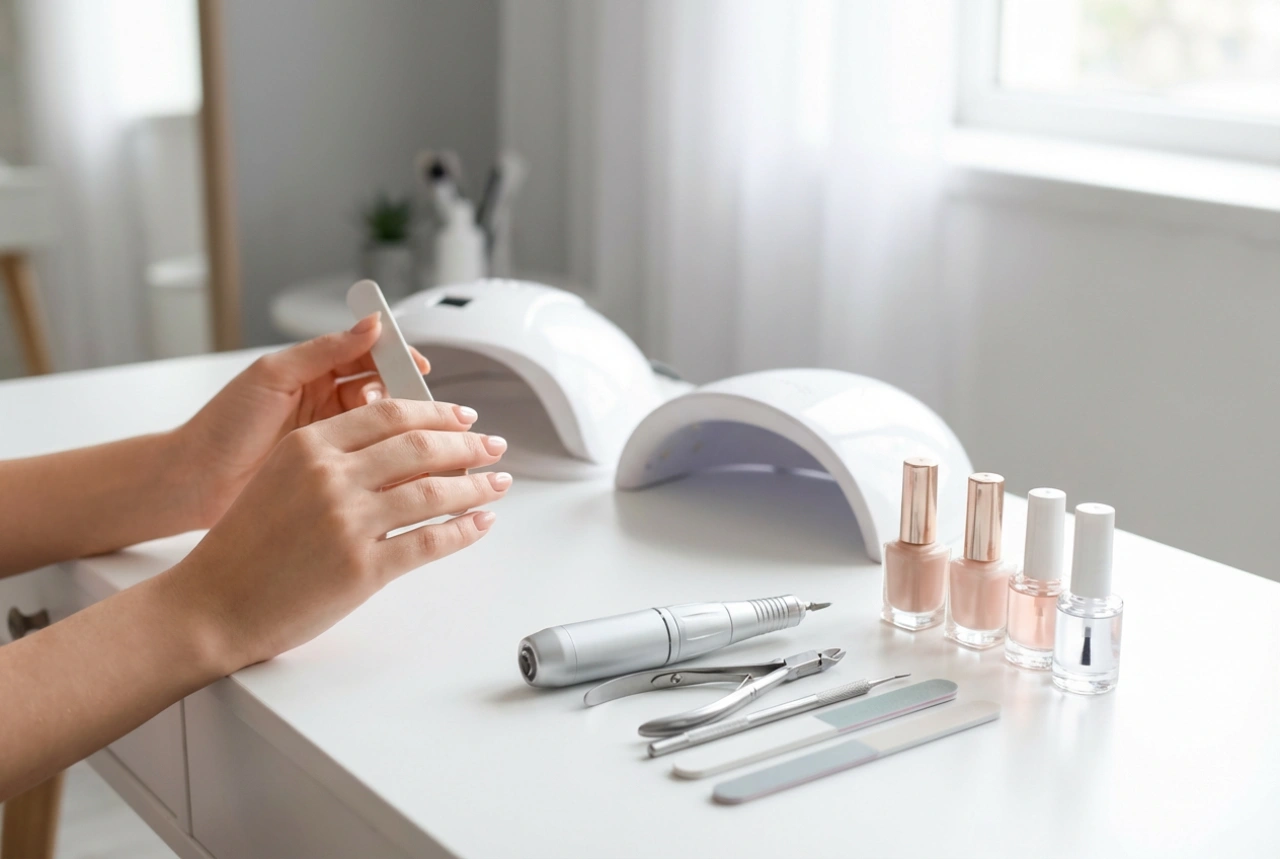


An electric nail file can transform your at-home manicure, offering a level of precision and smoothness that is hard to achieve with manual tools. This modern device, often seen in professional settings, is becoming increasingly popular for personal use, allowing you to shape, buff, and care for your nails with ease. However, to achieve beautiful results and ensure the longevity of your tool, it is essential to understand how to use it correctly and maintain it properly. This guide will walk you through everything you need to know.
How to Use an Electric Nail File Safely?
Safety is paramount when using any powered tool. An electric nail file is effective, but improper use can damage your nails or the surrounding skin. By following a few key principles, you can enjoy a safe and pleasant experience.
Preparing Your Nails
Before you even turn the device on, proper preparation is crucial. Start with clean, dry hands and nails. Ensure any old nail polish has been completely removed. If your nails are very long, it's a good idea to trim them to a more manageable length with nail clippers first. This will reduce the amount of filing required and give you more control over the final shape.
Choosing the Right Attachment
Electric nail files come with a variety of interchangeable heads, often called 'bits' or attachments. Each one serves a different purpose. It's important to select the right one for the job:
- Shaping Bits: These are typically made from materials like sapphire or diamond and are used for shortening and shaping the nail edge. They come in various grits; start with a coarser grit for shortening and a finer grit for refining the shape.
- Buffing Bits: These are softer and are designed to smooth the surface of the nail plate, removing ridges and creating a natural shine.
- Cuticle Bits: These are often smaller and have a pointed or rounded tip. They are used to gently push back cuticles and remove non-living tissue from the nail plate. Always use these on the lowest speed setting and with extreme care.
The Correct Filing Technique
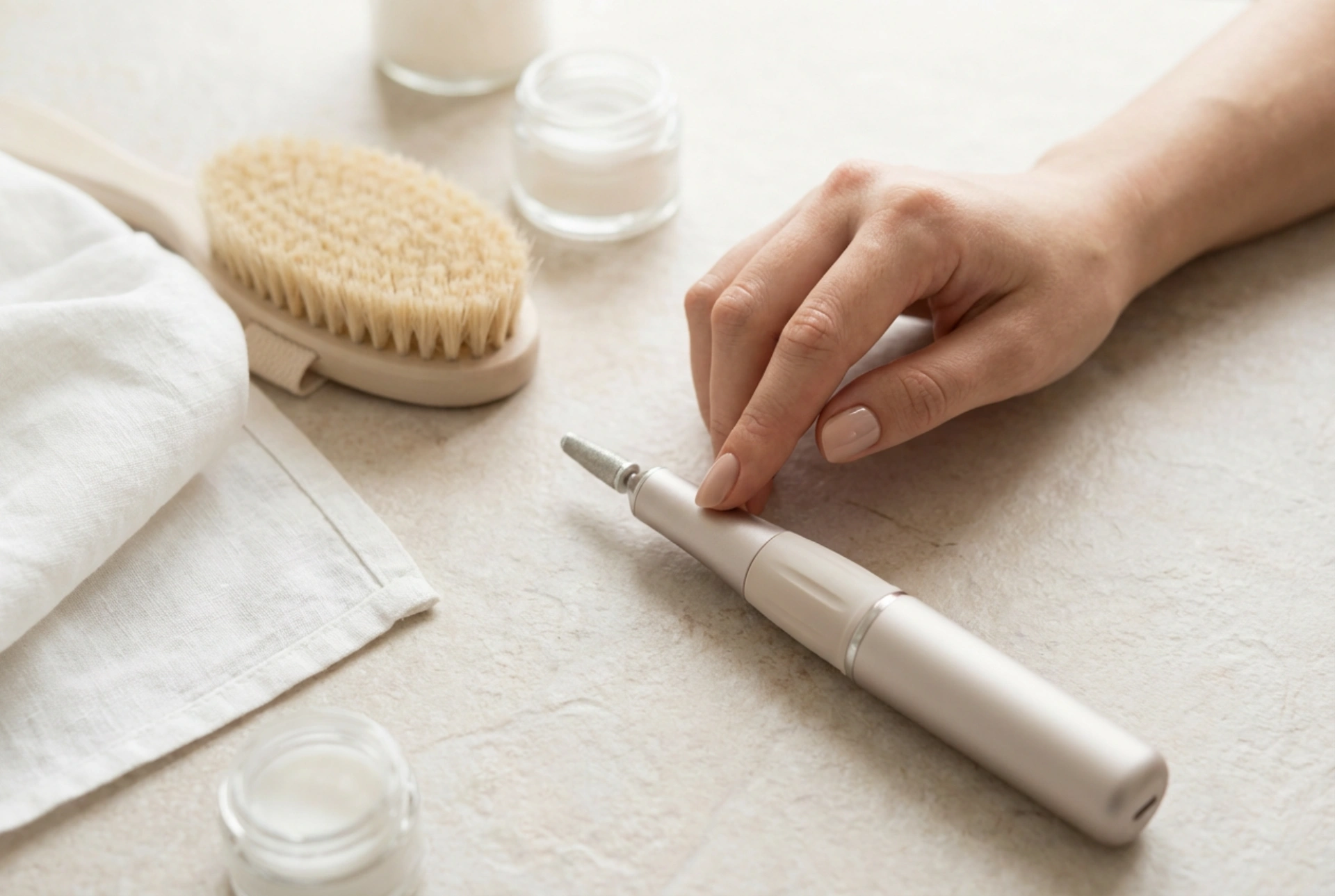
Mastering the technique is key to avoiding damage. Always start on the lowest speed setting and only increase it as you become more comfortable. Hold the handpiece like a pen for maximum control. Never press down hard; let the rotation of the bit do the work. Use gentle, even strokes and keep the file constantly moving. Holding it in one spot for too long can create heat from friction, which can be uncomfortable and damaging to the nail.
A Step-by-Step Guide to Shaping and Buffing
Once you are comfortable with the basic operation, you can move on to shaping your nails. Whether you prefer a square, oval, or almond shape, the principle is the same.
Shaping the Nail Edge
Using a suitable shaping bit, start from the side of the nail and gently move towards the centre. Repeat on the other side, working towards the centre again. This prevents weakening the nail. Use light, sweeping motions to refine the tip and create your desired shape. Check your progress frequently to ensure both hands are symmetrical.
Smoothing the Nail Surface
If you have ridges or unevenness on your nail plate, a buffing attachment can help. Gently glide the buffing bit over the entire surface of the nail. Keep the bit flat against the nail and avoid concentrating on one area. The goal is to create a smooth canvas, not to thin the nail. Follow up with a polishing bit to create a beautiful, healthy-looking shine.
Gentle Cuticle Care
Using an electric file for cuticles requires a very light touch. Select a fine-tipped cuticle bit and use the lowest speed setting. Gently trace the bit around the cuticle line to lift and remove any dry, non-living tissue that has grown onto the nail plate. Never use it on the living tissue of the eponychium (the cuticle line), as this can cause injury and irritation. The aim is to tidy the area, not to remove the cuticle entirely, as it serves as a protective barrier.
Cleaning and Maintaining Your Device
Proper cleaning is not just about hygiene; it’s about ensuring your electric nail file performs well and lasts a long time. Debris and nail dust can clog the attachments and strain the motor.
Cleaning the Attachments
After every use, you should clean the bits. Use a small, stiff brush (like a dedicated nail brush) to remove all visible dust and debris. For a deeper clean, you can wash metal or ceramic bits in warm, soapy water and then allow them to air dry completely. You can also use a specialised cleaning solution designed for cosmetic tools. Never store them while they are damp.
Wiping Down the Handpiece
The main body of the file should also be cleaned. Unplug the device and wipe down the handpiece with a soft, slightly damp cloth to remove any dust. Avoid getting any moisture into the motor or charging port. A dry, soft brush can be used to clean out any dust from vents or crevices.
Proper Storage
Store your electric nail file and its attachments in a clean, dry place, preferably in the case it came with. This protects it from dust, moisture, and accidental damage. Storing it correctly ensures it's always ready for your next perfect manicure.