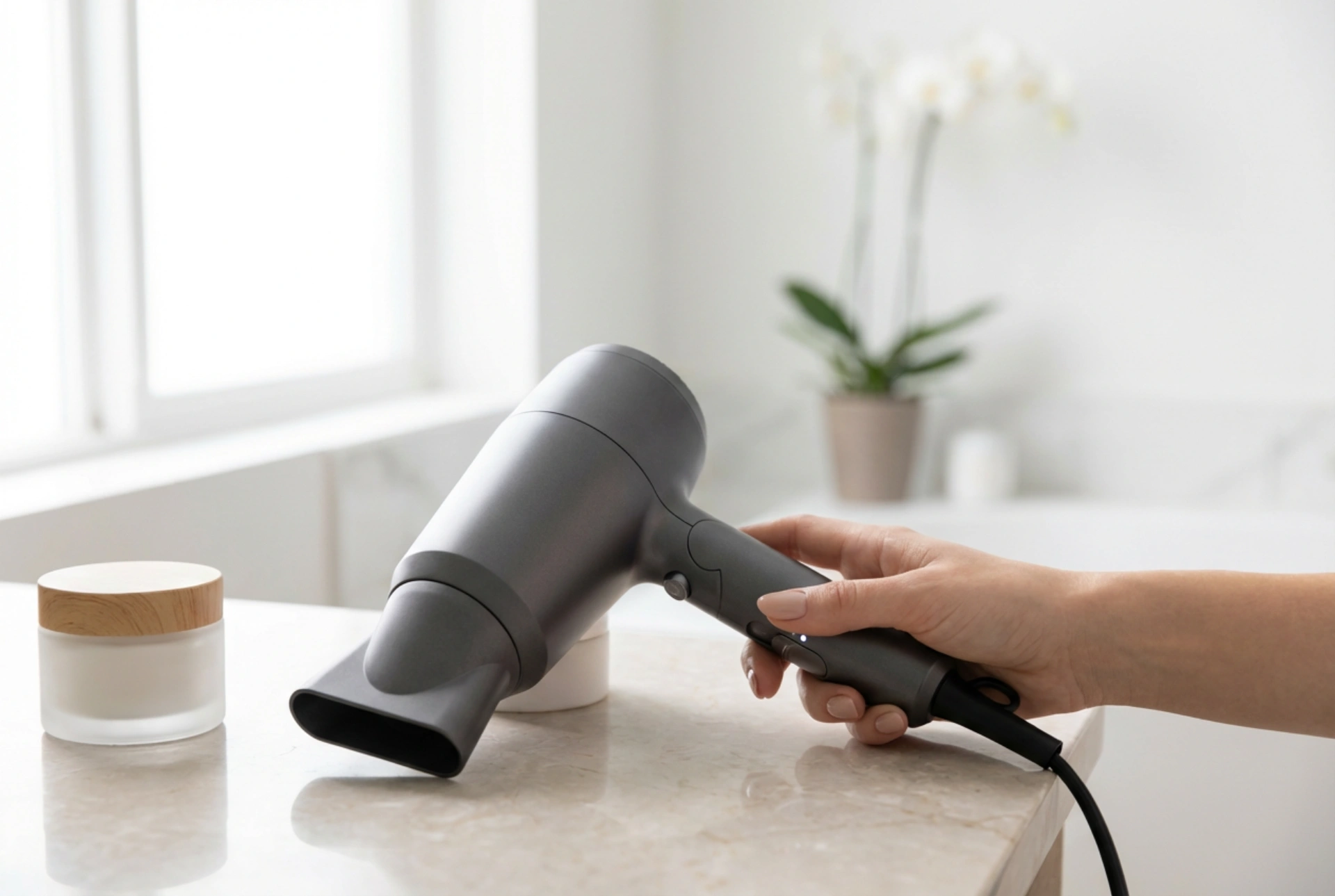


A hairdryer is an essential tool in many of our beauty routines, but wielding it correctly is the key to maintaining healthy, lustrous hair. Just as the image of a hand carefully adjusting the controls suggests, mindful styling starts with understanding your tool's settings. The temperature you choose can make the difference between a sleek, polished finish and dry, damaged strands. Let's explore how to use your hairdryer's temperature settings safely and effectively.
Why the Right Temperature is Crucial for Hair Health
Our hair is primarily made of a protein called keratin, which has a specific structure that gives it strength and elasticity. Exposing hair to excessive heat can damage this delicate structure permanently. High temperatures strip away the natural moisture from within the hair shaft and can cause the protective outer layer, the cuticle, to crack and lift. This leads to common hair concerns such as frizz, dullness, brittleness, and split ends. By selecting a temperature appropriate for your hair type and condition, you can minimise this risk and dry your hair without compromising its integrity.
Decoding Your Hairdryer's Controls
Most modern hairdryers come with multiple heat and speed settings, plus a 'cool shot' button. Understanding what each one does is the first step towards safer styling.
Heat Settings: Low, Medium, and High
Each heat level is designed for a different purpose and hair type. Using them strategically is essential.
- Low Heat: This gentle setting is ideal for fine, thin, or previously damaged hair. It provides enough warmth to dry the hair without causing stress. It's also perfect for styling bangs or for the final few minutes of drying to smooth the hair down.
- Medium Heat: This is the go-to setting for most people with normal, healthy hair. It offers a good balance, providing enough power to dry hair efficiently without being overly aggressive.
- High Heat: Reserved for very thick, coarse, or particularly dense hair. This setting should be used with caution and for short periods, primarily to remove significant moisture at the beginning of the drying process. Avoid using high heat directly on the roots or for prolonged periods on any single section of hair.
The Cool Shot Button
This button is often overlooked, but it's a stylist's secret weapon for a professional finish. After you've dried and shaped a section of hair with warm air, a blast of cool air rapidly cools the hair down, 'setting' the style in place. This also helps to close the hair cuticle, which locks in moisture and reflects more light, resulting in a smoother, shinier appearance and reduced frizz.
Matching the Temperature to Your Hair Type
Not all hair is the same, so your drying technique shouldn't be either. Adjust your hairdryer's settings based on your hair's unique characteristics.
For Fine or Thin Hair
Fine hair is the most susceptible to heat damage. Always stick to the low heat and low speed setting. This prevents the delicate strands from being scorched and helps to avoid static and flyaways, giving you more control and a smoother result.
For Normal or Wavy Hair
If your hair is of average thickness and generally healthy, you can start with medium heat and a high speed to remove about 80% of the water. Then, switch to a lower speed and continue with medium heat for styling. This method is efficient and minimises the risk of damage.
For Thick, Coarse, or Curly Hair
Thick hair can withstand more heat, but it's still important to be careful. You can use high heat initially to get rid of excess dampness, but always keep the dryer moving. For the actual styling process, it's best to drop down to a medium heat setting. Using a nozzle attachment will help concentrate the airflow and dry the hair more effectively.
For Colour-Treated or Damaged Hair
Chemically processed hair is more porous and vulnerable. High temperatures can cause colour to fade faster and exacerbate existing damage. For this hair type, it is crucial to use only low or medium heat settings. Always be generous with a heat protectant product before you begin.
Essential Tips for Safe Blow-Drying
Beyond temperature, a few key habits can protect your hair.
- Towel-dry first: Gently squeeze or pat your hair with a soft towel to remove as much excess water as possible before reaching for the hairdryer.
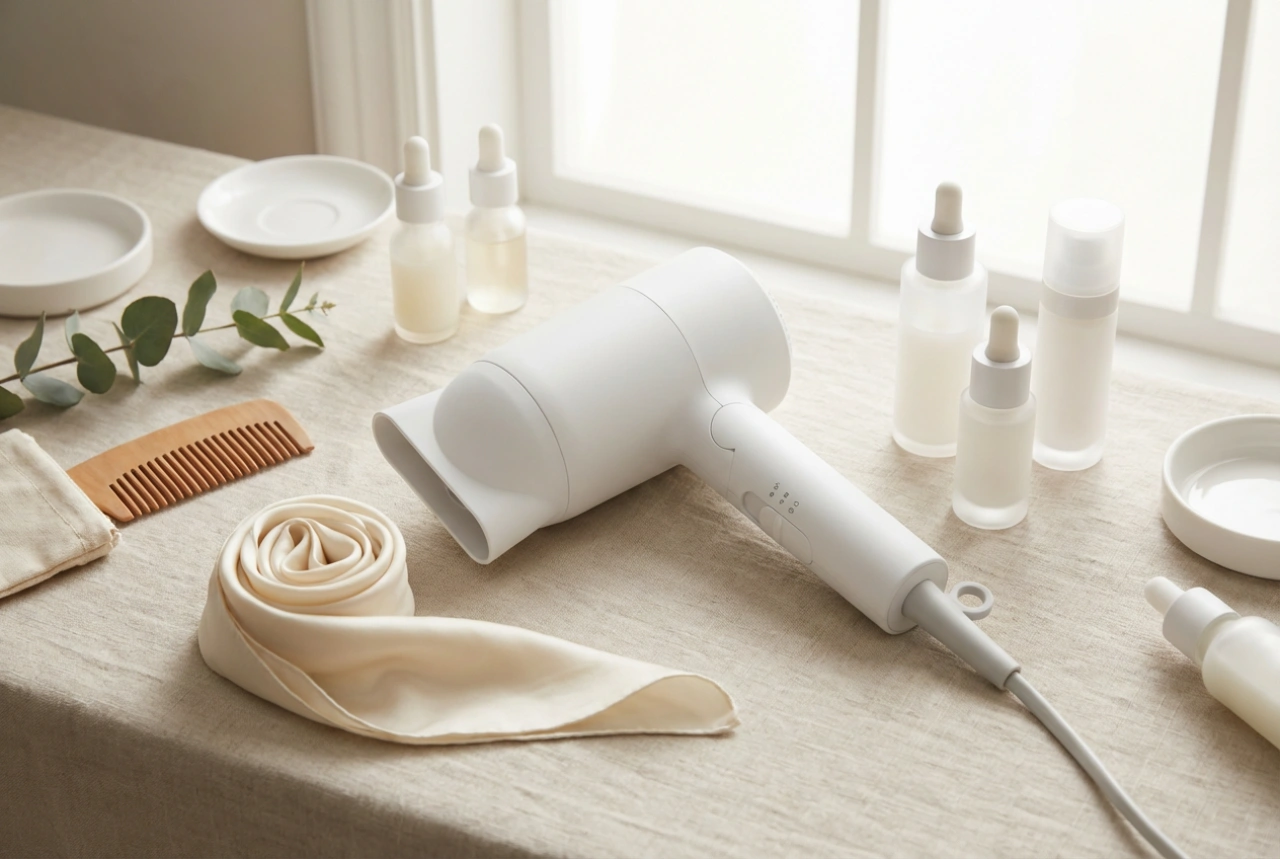
- Always use a heat protectant: Apply a heat protectant spray or serum evenly throughout your damp hair. It creates a barrier that reduces moisture loss and shields your hair from damage.
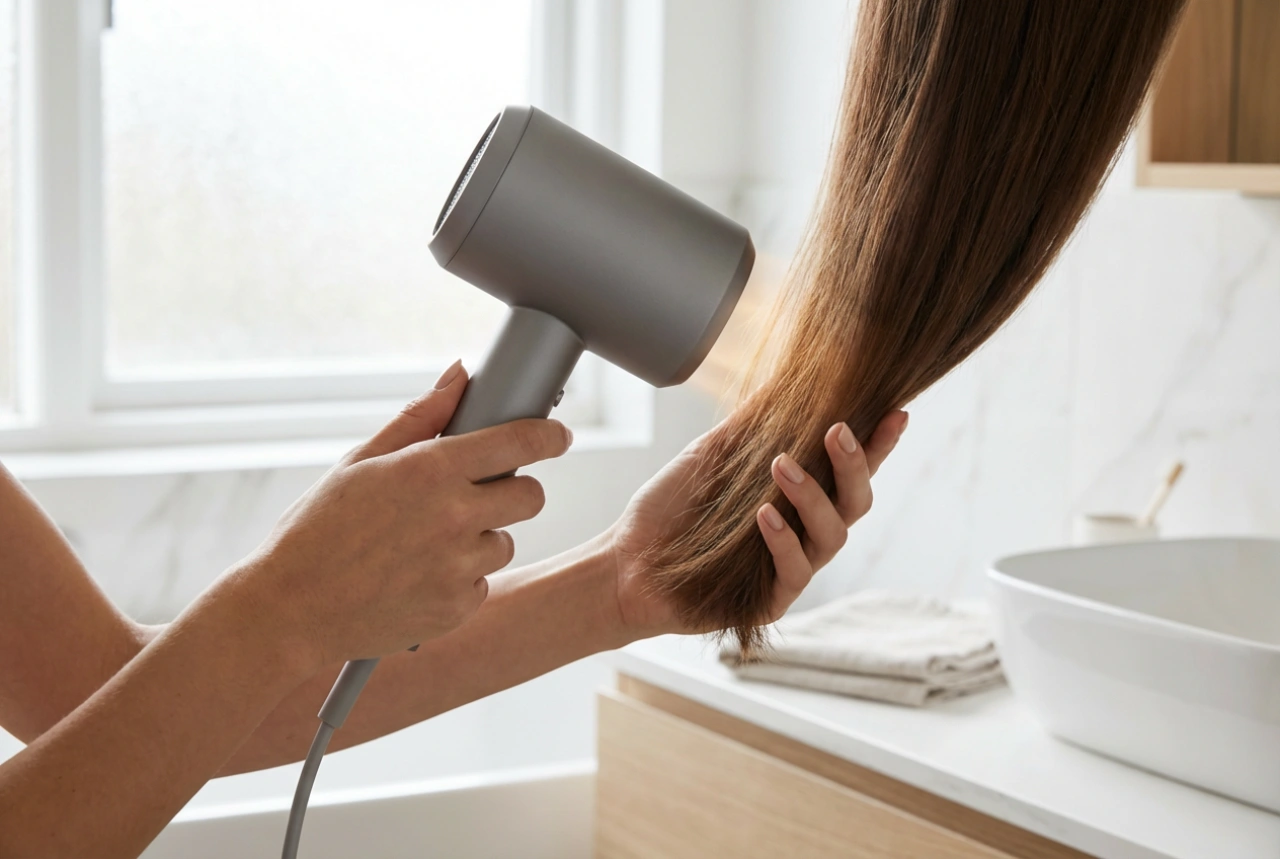
- Keep it moving: Never focus the heat on one spot for too long. Keep the hairdryer in constant motion to distribute the heat evenly.
- Maintain your distance: Hold the hairdryer at least 15-20 centimetres away from your hair to prevent overheating and burning.
- Finish with a cool shot: As mentioned, use the cool shot on each section once it's dry to set your style and boost shine.