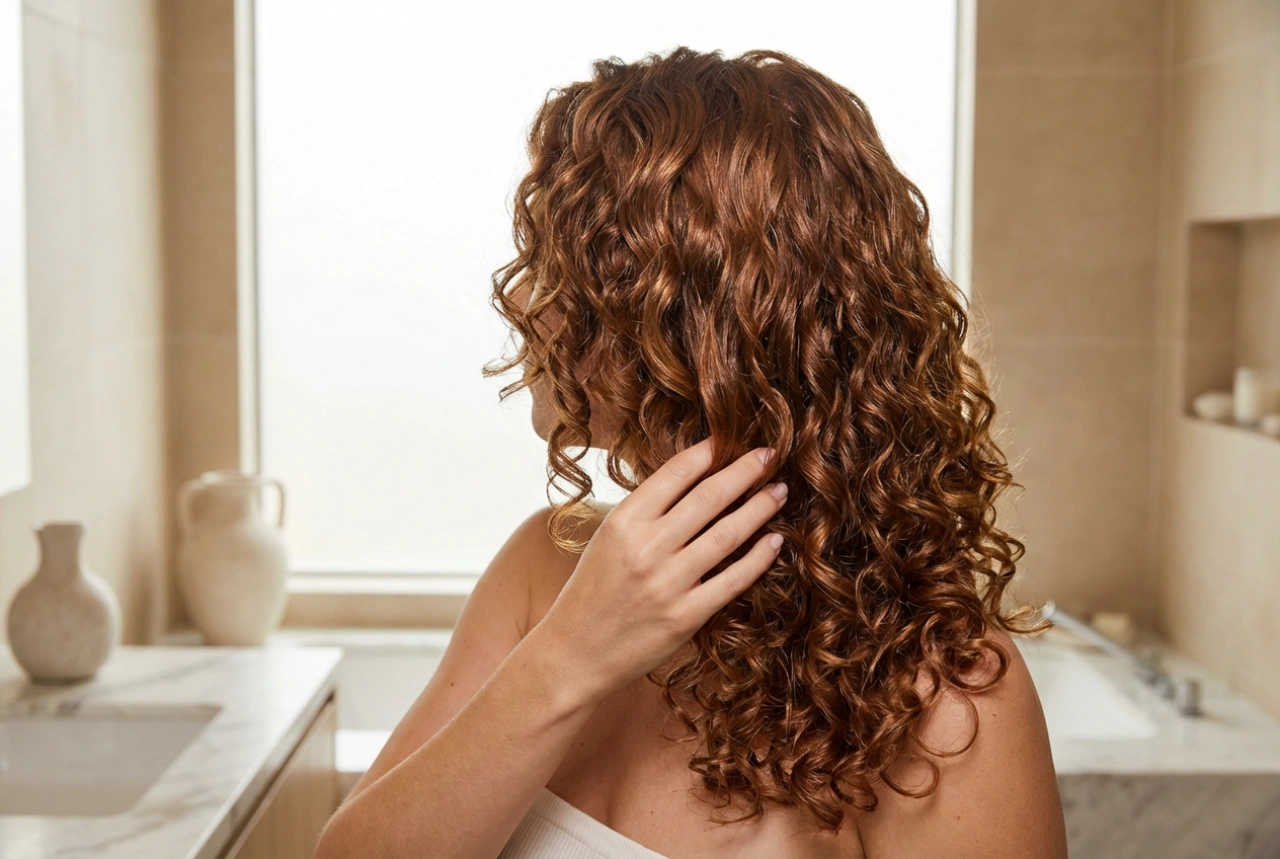


Achieving soft, manageable, and radiant hair is a common beauty goal. A key element in any effective hair care routine is proper hydration, which starts with the very first step: cleansing. A hydrating shampoo is more than just a simple cleanser; it's a foundational product designed to replenish moisture and restore vitality to thirsty strands. Understanding when and how to use this type of formula can transform your hair from dull and dry to healthy and lustrous.
What is a Hydrating Shampoo?
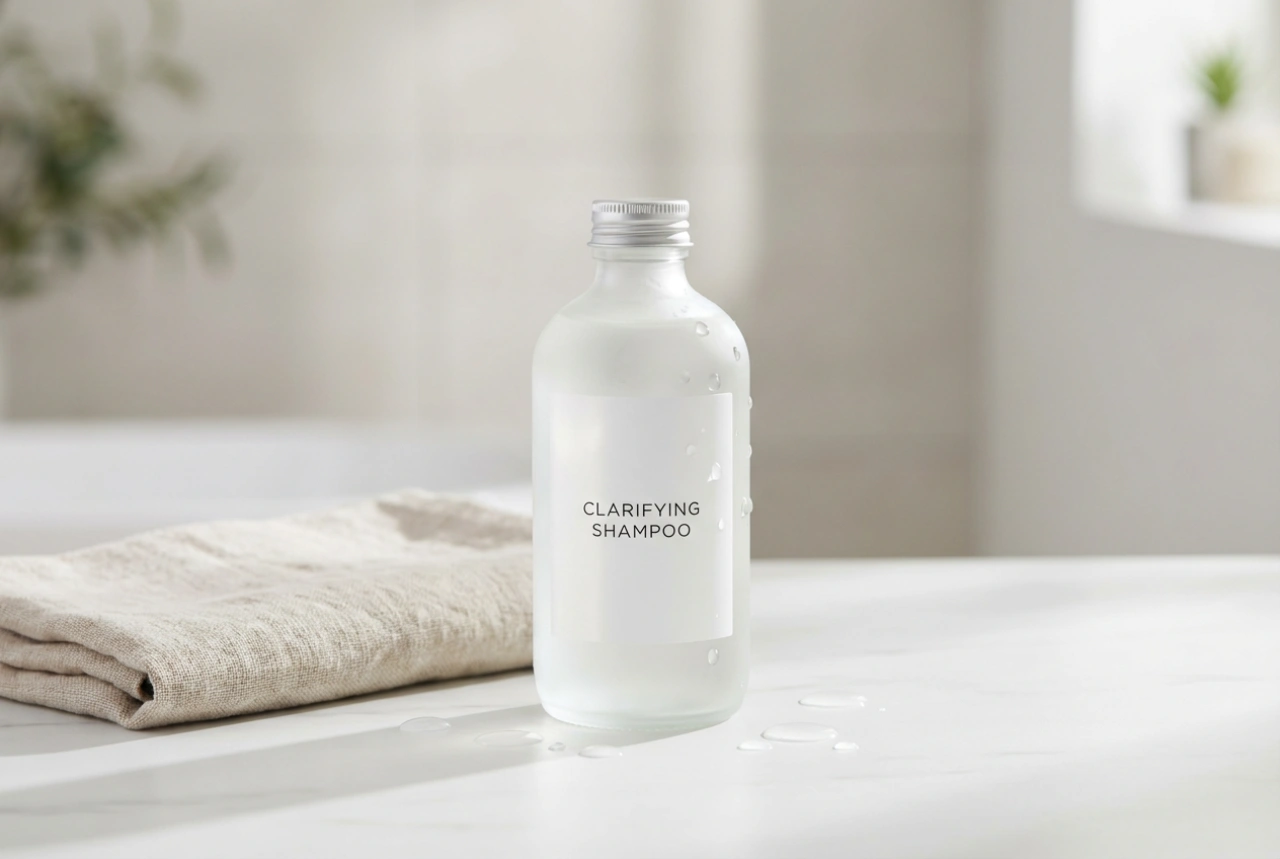
A hydrating, or moisturising, shampoo is specifically formulated to cleanse the hair and scalp while infusing them with much-needed moisture. Unlike clarifying shampoos that focus on deep-cleaning and removing build-up, or volumising shampoos that aim to lift the roots, a hydrating shampoo's primary goal is to combat dryness. It works by using gentle cleansing agents combined with ingredients that attract and seal in water.
Key Ingredient Types
While specific formulations vary, moisturising shampoos often contain a blend of humectants and emollients. Humectants are ingredients that attract water from the air into the hair shaft. Common examples include glycerine and hyaluronic acid. Emollients, on the other hand, form a protective barrier on the hair's surface to lock that moisture in, leading to a smoother, softer feel. Look for ingredients like shea butter, coconut oil, or argan oil, which provide this sealing effect and add nourishment.
Signs Your Hair Needs a Hydrating Formula
Not every hair type requires intense moisture, so how do you know if a hydrating shampoo is right for you? Your hair will often give you clear signals that it's feeling dehydrated. Here are some key indicators:
- Dullness: Hair that lacks moisture doesn't reflect light well, appearing lacklustre and flat.
- Frizz and Flyaways: Dry hair cuticles are rough and raised, which allows moisture from the air to enter, causing the hair shaft to swell and create frizz.
- Brittleness and Breakage: Dehydrated hair loses its elasticity, making it more prone to snapping and developing split ends.
- Rough Texture: Healthy, hydrated hair feels smooth and soft to the touch. If your hair feels coarse or straw-like, it's a sign it needs more moisture.
- Tangled Strands: Dryness can make hair more susceptible to tangling and knotting, making it difficult to comb through.
Hair types that are naturally more prone to dryness, such as curly, coily, or wavy hair, often benefit the most from a consistent moisturising routine. Additionally, hair that has been colour-treated, bleached, or frequently styled with heat tools will also require the extra care a hydrating shampoo provides.
How to Maximise the Benefits of Your Hydrating Shampoo
Using a moisturising shampoo correctly is just as important as choosing the right one. Following a proper technique ensures you get all the hydrating benefits without weighing your hair down.
Step 1: Application
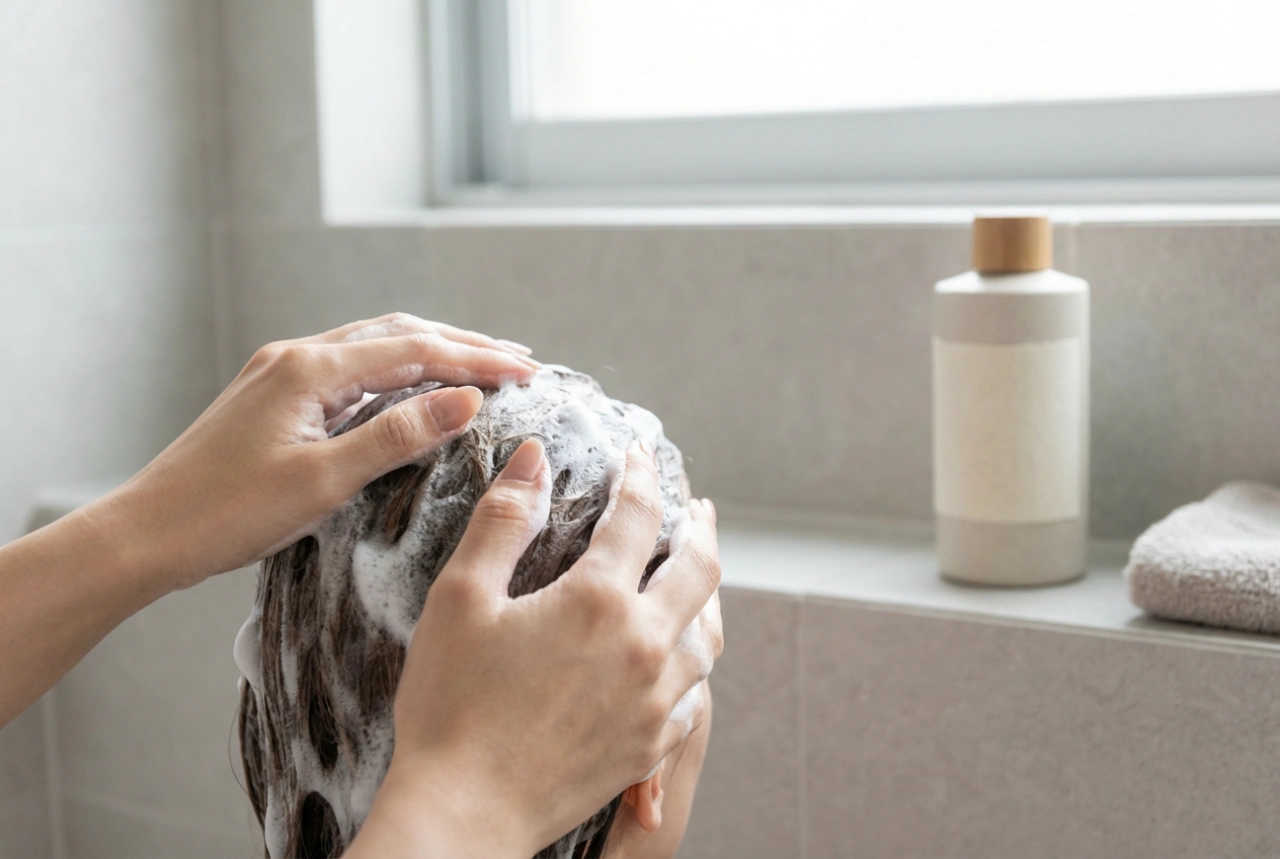
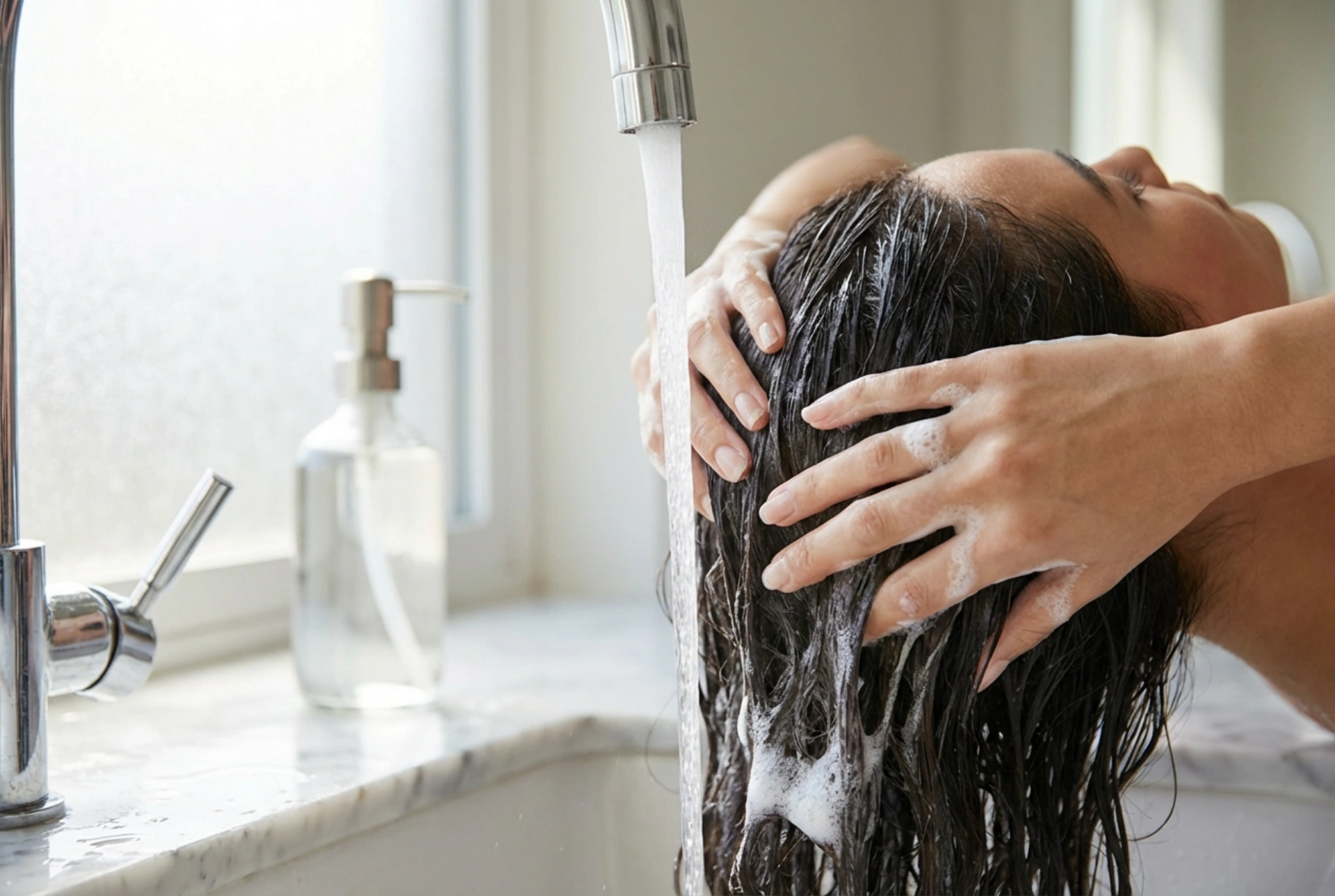
Begin by thoroughly wetting your hair with lukewarm water. Hot water can strip the hair of its natural oils, counteracting the shampoo's purpose. Squeeze a small, coin-sized amount of shampoo into your palm and lather it between your hands. Focus the application on your scalp, using your fingertips (not your nails) to gently massage the product in circular motions. This stimulates blood flow and effectively cleanses the area where oil and build-up are most concentrated.
Step 2: Cleansing the Lengths and Rinsing
You don't need to apply shampoo directly to the lengths and ends of your hair. As you rinse the shampoo from your scalp, the suds will run down the hair shaft, providing a gentle cleanse without causing unnecessary friction or dryness. Rinse your hair thoroughly until the water runs clear. Any leftover product can lead to build-up, which can make hair feel heavy and look dull.
Step 3: Always Follow with Conditioner
Shampooing opens the hair's cuticle to clean it. A conditioner's job is to seal the cuticle back down, locking in the moisture and nutrients. After rinsing out your shampoo, gently squeeze the excess water from your hair and apply a hydrating conditioner, concentrating it on the mid-lengths and ends, which are the oldest and typically driest parts of your hair. Leave it on for a few minutes before rinsing, preferably with cool water to further help seal the cuticle and enhance shine.
Common Mistakes to Avoid
To get the most out of your hydrating hair care, steer clear of a few common pitfalls. Avoid over-washing, as even a gentle shampoo can be stripping if used too frequently. Pay attention to your hair's needs—you may only need to wash it two or three times a week. Another mistake is using too much product; a small amount is sufficient for an effective cleanse. Finally, never skip conditioner. It is an essential partner to your hydrating shampoo, completing the moisturising process and protecting your hair from damage.