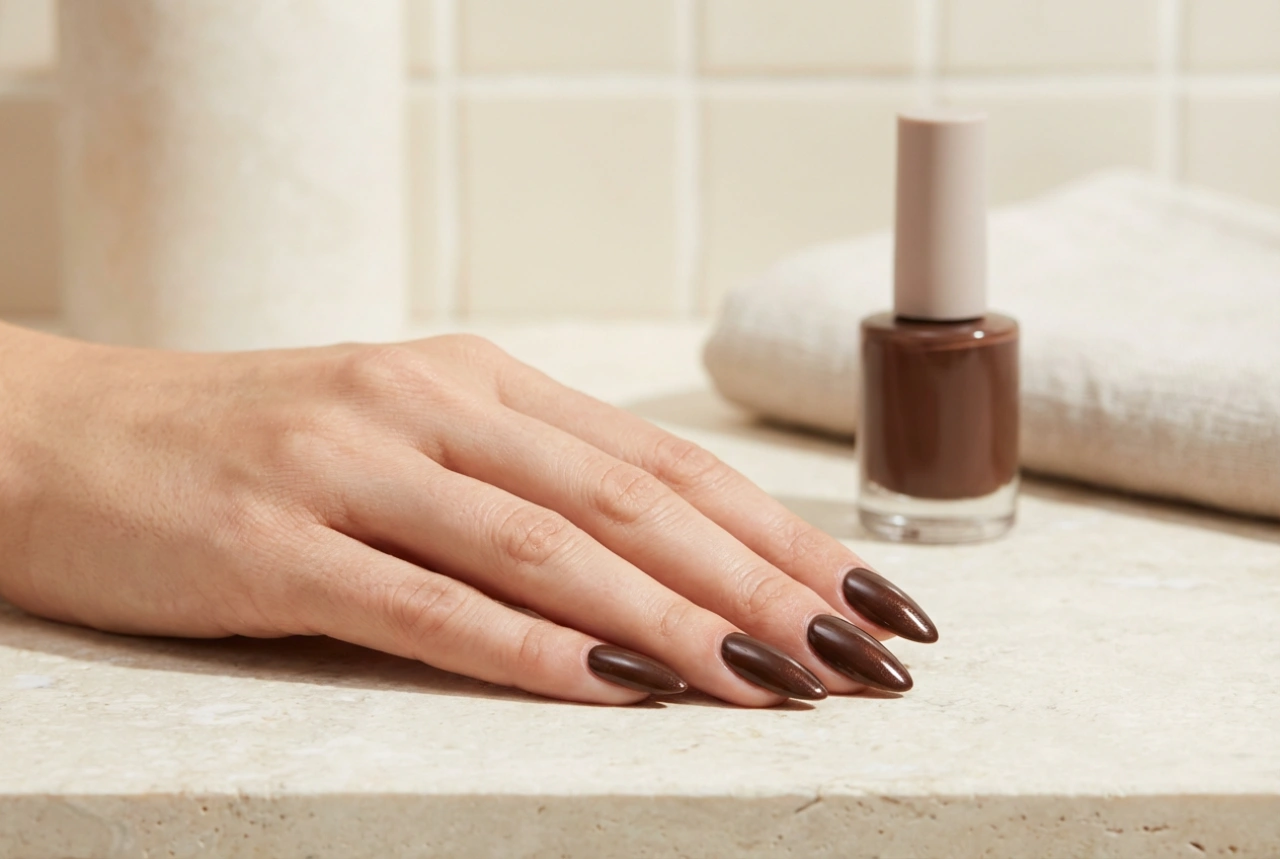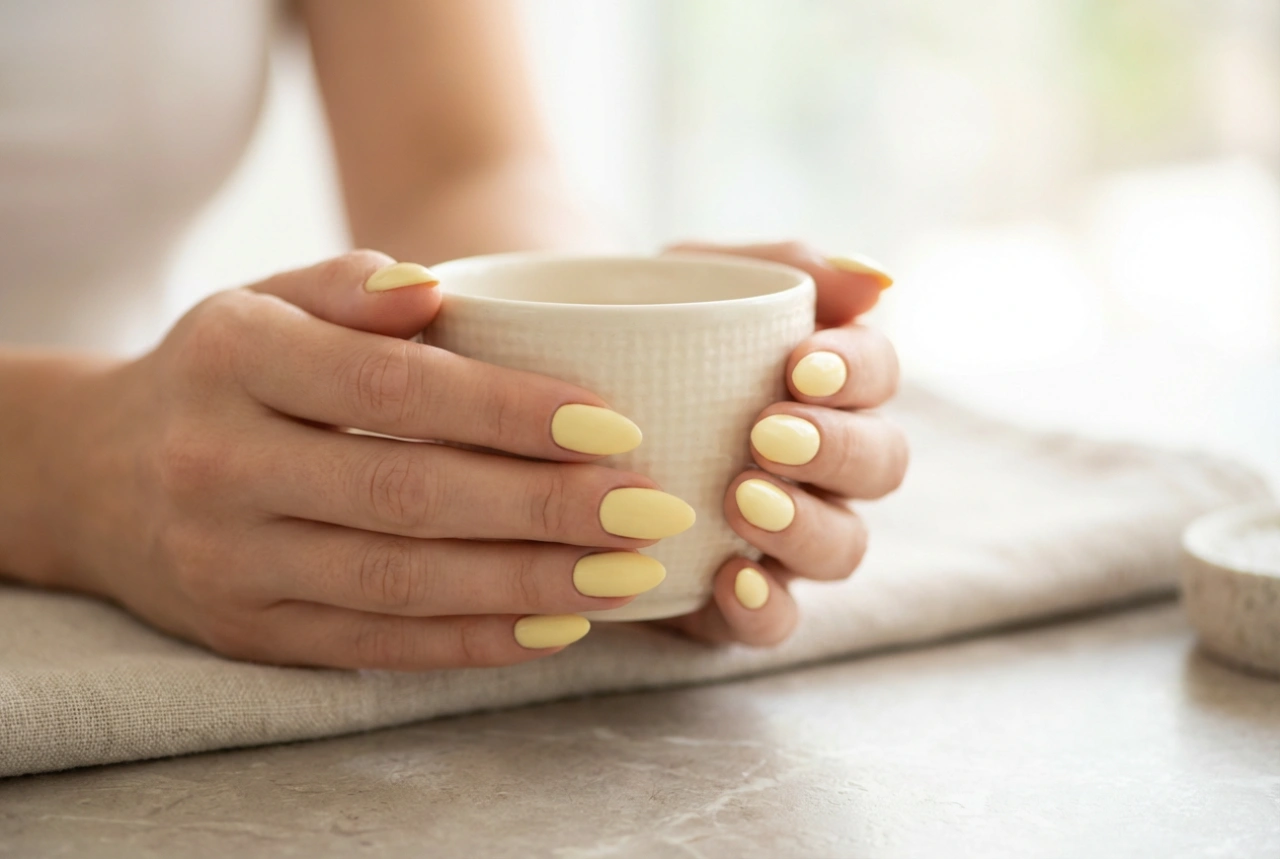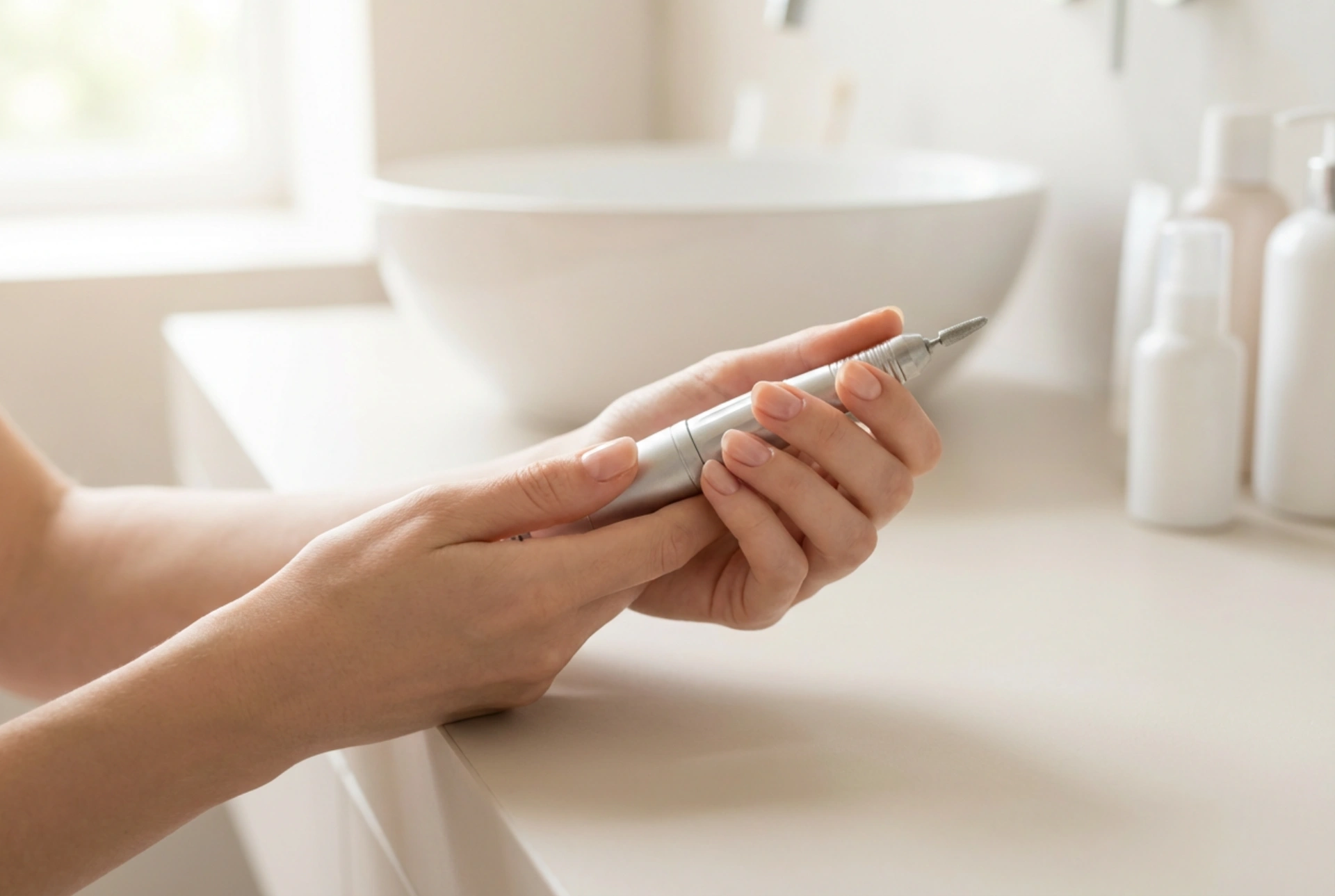


Achieving a salon-quality manicure at home has become easier than ever, thanks to modern beauty tools. Among these, the electric nail file stands out as a device that offers precision, speed, and versatility. While it might seem intimidating at first, understanding how to select the right one and use it correctly can elevate your nail care routine, helping you maintain beautifully shaped and smooth nails with minimal effort. This guide will walk you through everything you need to know to use an electric nail file safely and effectively.
What to Look for When Choosing an Electric Nail File
Not all electric nail files are created equal, especially when it comes to home use. Commercial-grade models are often too powerful for beginners and can cause damage if used improperly. When selecting a device for personal use, consider the following features to ensure it is both effective and safe.
Speed and Rotational Direction
The most crucial feature is adjustable speed control. Beginners should always start at the lowest possible setting to get a feel for the tool and prevent accidental damage to the nail plate or surrounding skin. A speed range of up to 15,000-20,000 RPM is more than sufficient for natural nails. The ability to change the direction of rotation is also beneficial, as it allows you to comfortably file in different directions on both your left and right hands, making the process more ergonomic and efficient.
Power Source: Corded vs. Cordless
Electric nail files are available in both corded and cordless models. Cordless, rechargeable devices offer maximum portability and freedom of movement, with no cable to get in the way. However, you need to ensure they are charged before use. Corded models provide consistent power and never run out of battery mid-manicure, but your movement is limited by the length of the cord. Your choice will depend on your personal preference for convenience versus uninterrupted power.
Attachments and Bits
An electric nail file is only as good as its attachments, often called 'bits'. A good starter kit should include a variety of bits for different tasks. Common attachments include:
- Shaping and Shortening Bits: Often cylindrical or cone-shaped, these are used to file down the length and shape the free edge of the nail.
- Cuticle Care Bits: Small, fine-grit bits are designed to gently push back and remove non-living tissue around the cuticle area. Extreme care must be taken here.
- Buffing and Shining Bits: Softer, fabric-like or chamois attachments are used to smooth the nail surface and create a natural-looking shine.
- Callus Removal Bits (for feet): Larger, coarser attachments can be used to smooth rough skin on the feet, but should never be used on fingernails.
A Guide to Using Your Electric Nail File Safely
Safety is paramount when using a powerful tool on your nails. Following the correct technique will protect your nails from heat, friction, and over-filing, which can weaken them. Always read the manufacturer's instructions for your specific device before you begin.
The Golden Rules of Safe Filing
Before you even turn the device on, memorise these essential rules. First, always start on the lowest speed setting and only increase it slightly if necessary. Second, never apply pressure. Let the speed of the bit do the work for you; the file should glide over the nail surface. Third, keep the file moving at all times. Resting it in one spot for even a second or two can generate heat and cause a burning sensation or damage the nail plate. Work methodically, nail by nail, and take breaks if you feel any discomfort.
Step-by-Step Usage Guide
Follow these steps for a safe and effective manicure:
- Prepare Your Nails: Ensure your nails are completely clean and dry. Filing wet nails can lead to splitting and damage.
- Select the Right Bit: Choose the appropriate attachment for the task. For general shaping, a fine-grit shaping bit is a good starting point.
- Shape the Nail: Turn the device on to its lowest setting. Gently move the bit from the side of the nail towards the centre, working on one side and then the other. Avoid a 'sawing' back-and-forth motion.
- Refine the Surface (Optional): If you have ridges, you can use a fine buffing bit to gently smooth the nail surface. Keep the bit flat against the nail and move it constantly across the entire surface. Do not over-buff, as this can thin the nail.
- Care for Cuticles: Use a specialised, fine-tipped cuticle bit to very gently clean up any dry, non-living tissue on the nail plate around the cuticle area. Do not touch the living cuticle tissue (the eponychium).
- Clean Up: Once you are finished, wash your hands and apply a nourishing cuticle oil and hand cream to rehydrate the skin and nails.
Maintaining Your Electric Nail File
Proper care will extend the life of your device and ensure it remains hygienic. After each use, disconnect the device from its power source. Remove the bit and clean it according to the manufacturer's instructions. Most bits can be cleaned with a small brush and soapy water, then disinfected with an appropriate solution and allowed to air dry completely. Wipe down the handpiece with a dry or slightly damp cloth to remove any dust. Store the file and its attachments in their case in a dry place to protect them from dust and damage. Regular maintenance ensures your tool is always ready for your next perfect home manicure.