

Achieving silky, smooth, and resilient hair is a common beauty goal. One of the key components for healthy hair is keratin, a structural protein that forms the very foundation of each strand. When hair becomes damaged through styling, environmental factors, or chemical processes, it loses this vital protein, leading to frizz, brittleness, and a dull appearance. Keratin masks are designed to replenish this loss, helping to restore your hair's natural strength and shine. Understanding how to choose the right one for your hair type and how to use it correctly is essential for unlocking its full potential.
What is Keratin and Why is it Important for Hair?
Hair is composed of approximately 95% keratin. This fibrous protein creates a protective shield around the hair shaft, known as the cuticle, which keeps it smooth and hydrated. Factors like heat from styling tools, sun exposure, colouring, and even harsh brushing can lift and damage these protective cuticle layers, creating gaps in the protein structure. This damage leaves the inner core of the hair vulnerable, resulting in strands that are weak, porous, and prone to breakage. A keratin-based treatment works by temporarily filling in these gaps. The keratin molecules in the mask bond to the hair shaft, smoothing down the cuticle, reducing frizz, and adding a layer of strength and elasticity.
How to Choose a Keratin Mask for Your Hair Type
Not all keratin masks are created equal, and choosing one that suits your specific hair type is crucial for achieving the best results without weighing your hair down or causing unwanted effects.
For Fine or Thin Hair
If you have fine hair, your primary concern is likely a lack of volume. Heavy, rich masks can easily weigh your strands down, making them look flat and limp. Opt for lightweight formulas specifically designed for fine hair. Look for products containing hydrolysed keratin, as its smaller molecules can penetrate the hair shaft without creating a heavy coating. These lighter masks will provide strength and repair without sacrificing body and movement.
For Thick or Coarse Hair
Thick, coarse, or unruly hair can handle and often requires more intensive conditioning. This hair type is typically more porous and can benefit from richer, creamier masks. Look for formulas that combine keratin with deeply moisturising ingredients like natural butters and oils. These masks will provide the necessary protein to smooth the cuticle while delivering a powerful dose of hydration to soften coarse strands and improve manageability.
For Damaged or Chemically Treated Hair
Hair that has been frequently coloured, bleached, or chemically straightened is the prime candidate for keratin treatments. This type of hair has significant gaps in its protein structure and requires intensive repair. Choose a concentrated, reparative mask formulated for damaged hair. These products deliver a high dose of keratin to rebuild and fortify the hair from within, helping to mend split ends, reduce breakage, and restore a healthier appearance.
For Curly or Wavy Hair
Curly and wavy hair types need a careful balance of protein and moisture to maintain their pattern and avoid frizz. Keratin can be beneficial for defining curls and taming flyaways, but it's important to ensure the mask is also hydrating. An imbalance towards too much protein can sometimes cause curls to feel stiff or lose their bounce. Select a keratin mask that is also rich in moisturising ingredients like glycerine, aloe vera, or plant oils to ensure your curls remain soft, defined, and hydrated.
A Guide to Applying Your Keratin Mask
To get the most out of your treatment, proper application is key. Follow these steps for an effective at-home keratin mask session:
- Start with Clean Hair: Wash your hair with a gentle shampoo to remove any product build-up and impurities. This allows the mask to penetrate the hair shaft more effectively. Skip the conditioner for now.
- Towel-Dry Gently: After washing, gently squeeze out excess water with a towel. The hair should be damp, not dripping wet, as too much water can dilute the mask.
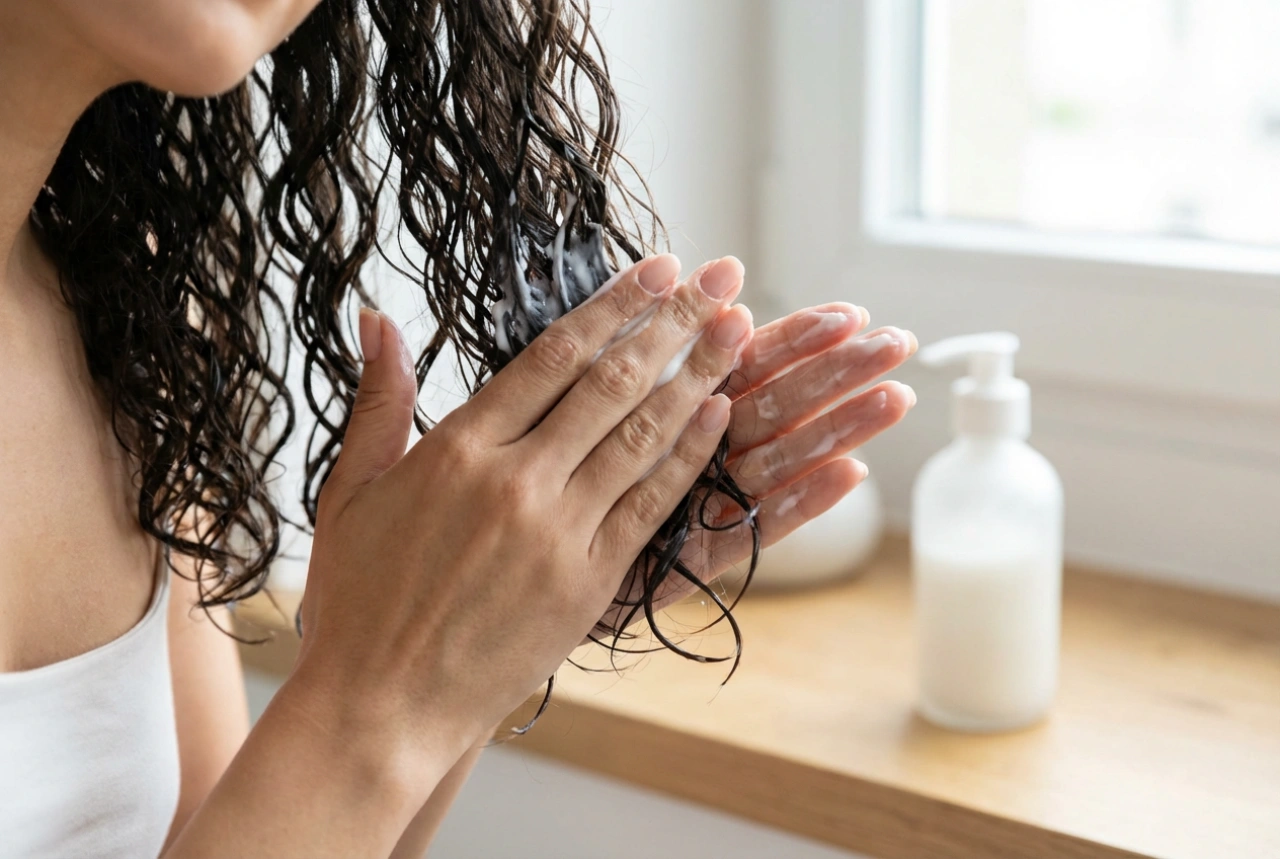
- Apply the Mask Strategically: Scoop a generous amount of the mask and begin applying it from the mid-lengths to the ends, as this is where hair is typically the most damaged. Avoid applying it directly to the scalp and roots, as this can weigh hair down and may lead to build-up.
- Distribute Evenly: Use your fingers or a wide-tooth comb to gently work the product through your hair, ensuring every strand is coated.
- Let it Penetrate: Leave the mask on for the duration recommended on the product's packaging, which is typically between 5 and 20 minutes. For a more intensive treatment, you can wrap your hair in a warm towel to help open the cuticle and enhance absorption.
- Rinse Thoroughly: Rinse the mask out completely with lukewarm water. Using water that is too hot can strip away the benefits. Ensure no residue is left behind.
How Often Should You Use a Keratin Mask?
While keratin is beneficial, it is possible to have too much of a good thing. Overloading your hair with protein can lead to a condition known as 'protein overload,' where the hair becomes stiff, brittle, and prone to snapping. Finding the right frequency is about listening to your hair.
- For Severely Damaged Hair: Start by using a keratin mask once a week to help rebuild strength quickly.
- For Moderately Damaged or Normal Hair: Using a mask once every two weeks or even once a month may be sufficient to maintain hair health.
- Pay Attention to Your Hair's Texture: If your hair starts to feel rigid, dry, or straw-like, it's a sign of protein overload. Reduce the frequency of your keratin treatments and focus on purely moisturising masks to restore balance.
Ultimately, the goal is to create a balanced routine that alternates between protein-based treatments and moisture-based treatments. This approach ensures your hair remains both strong and flexible. By choosing the right mask for your hair type, applying it correctly, and finding the perfect frequency, you can effectively repair damage and maintain beautiful, resilient, and healthy-looking hair.