

The dream of perfectly smooth, shiny hair often begins with the very first step of our care routine: washing. While many factors contribute to hair's appearance, the way we cleanse it plays a fundamental role in managing frizz and unruliness. Understanding how to use a smoothing shampoo effectively can transform your hair, laying the foundation for a sleek finish before you even step out of the shower. It's about turning a daily ritual into a targeted treatment for beautifully controlled hair.
Why Does Hair Become Frizzy?
Frizz is essentially a sign that the outer layer of your hair, known as the cuticle, is raised instead of lying flat. When the cuticles are raised, moisture from the air can penetrate the hair shaft, causing it to swell and appear poufy or frizzy. Several factors can contribute to this condition. Dryness is a primary culprit; hair that lacks moisture is more susceptible to absorbing humidity from the environment. Furthermore, damage from heat styling, chemical treatments, or even harsh handling can lift the cuticles, leading to a perpetually frizzy texture. Even your hair's natural type can make it more prone to frizz, particularly with wavy or curly textures where the cuticle layer is naturally less uniform.
The Role of a Smoothing Shampoo
A smoothing shampoo is specifically formulated to combat the main causes of frizz. Its primary goal is to cleanse the hair and scalp gently without stripping away natural oils, which are essential for keeping hair moisturised. These shampoos work in several ways:
Moisture Infusion
They are typically enriched with hydrating ingredients that help to replenish moisture levels within the hair strand. Look for formulations containing substances like glycerin, panthenol, or various natural extracts that attract and lock in water. Well-hydrated hair is less likely to absorb external humidity, which is a key step in controlling frizz.
Cuticle Sealing
To achieve a smooth surface, the hair cuticles must lie flat. Smoothing shampoos often contain ingredients that coat the hair shaft, helping to seal the cuticles. This creates a barrier against humidity and reduces friction between individual strands. The result is hair that not only looks sleeker but also feels softer to the touch and is less prone to tangling.
The Correct Washing Technique for Smoother Hair
Using the right product is only half the battle; technique is equally important. Following a few simple steps can significantly enhance the smoothing effects of your shampoo.
- Use Lukewarm Water: Hot water can strip the hair of its natural oils and cause the cuticles to swell, inviting frizz. Opt for lukewarm water to cleanse your hair and finish with a cool rinse to help seal the cuticles shut.
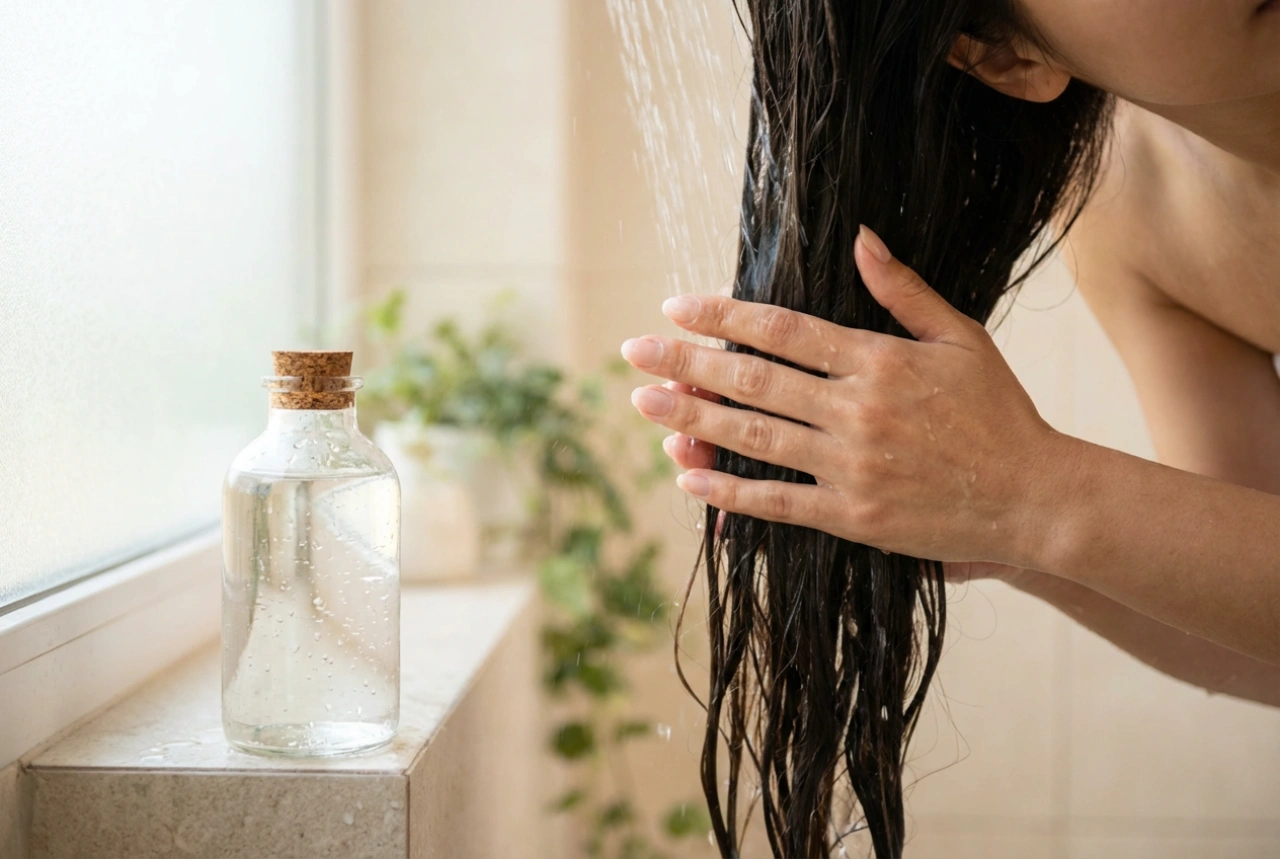
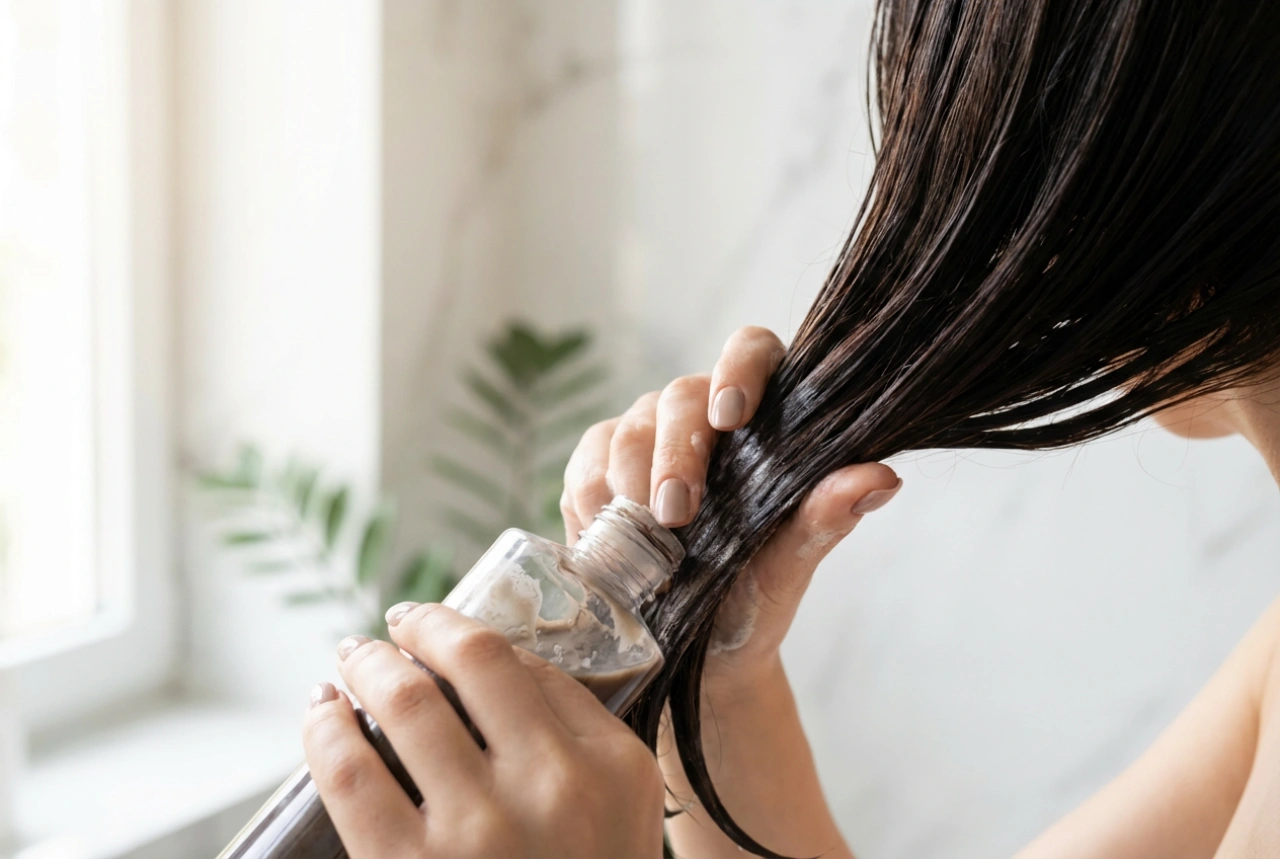
- Focus on the Scalp: Concentrate the shampoo on your scalp, where most of the oil and build-up accumulate. Gently massage it in with your fingertips, not your nails. There is no need to vigorously scrub the lengths of your hair; the lather that rinses down is sufficient to cleanse them without causing unnecessary friction or damage.
- Be Gentle: Treat your hair with care when it's wet, as this is when it's most fragile. Avoid rough rubbing or bunching your hair on top of your head. A gentle, methodical approach will prevent the cuticles from being unnecessarily roughened up.
- Always Follow with Conditioner: A shampoo's job is to cleanse, while a conditioner's job is to seal, moisturise, and protect. After rinsing out your shampoo, apply a smoothing conditioner, focusing on the mid-lengths and ends. This is a crucial step to lock in moisture and ensure the cuticles are fully sealed for a smooth finish.
Beyond Washing: Extra Tips for Frizz Control
Your anti-frizz routine doesn't end with washing. To maintain smooth results, consider incorporating a few additional habits. After washing, gently squeeze out excess water with a microfibre towel or an old cotton t-shirt instead of a rough terrycloth towel, which can create friction. Use a wide-tooth comb to detangle wet hair, starting from the ends and working your way up to the roots. Finally, applying a leave-in smoothing cream or serum to damp hair can provide an extra layer of protection against humidity throughout the day.