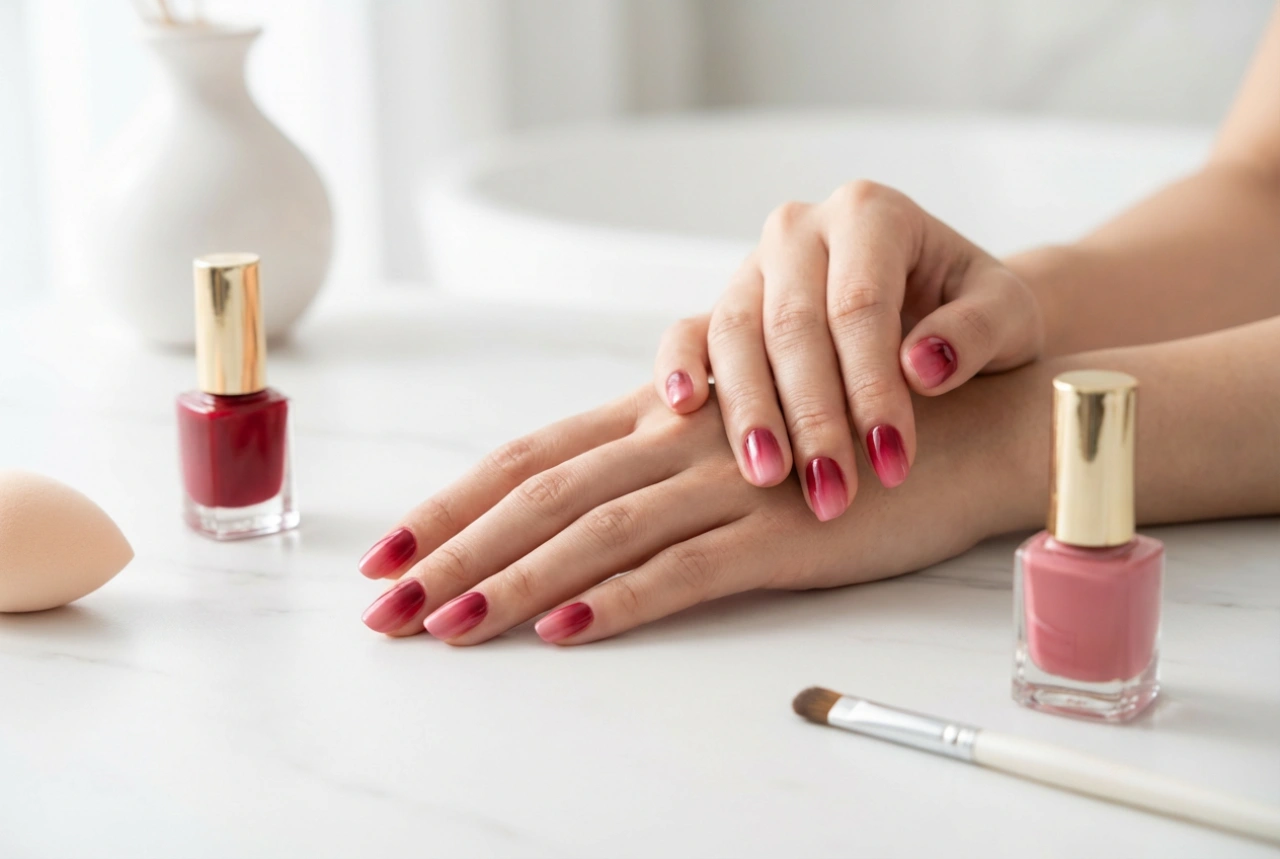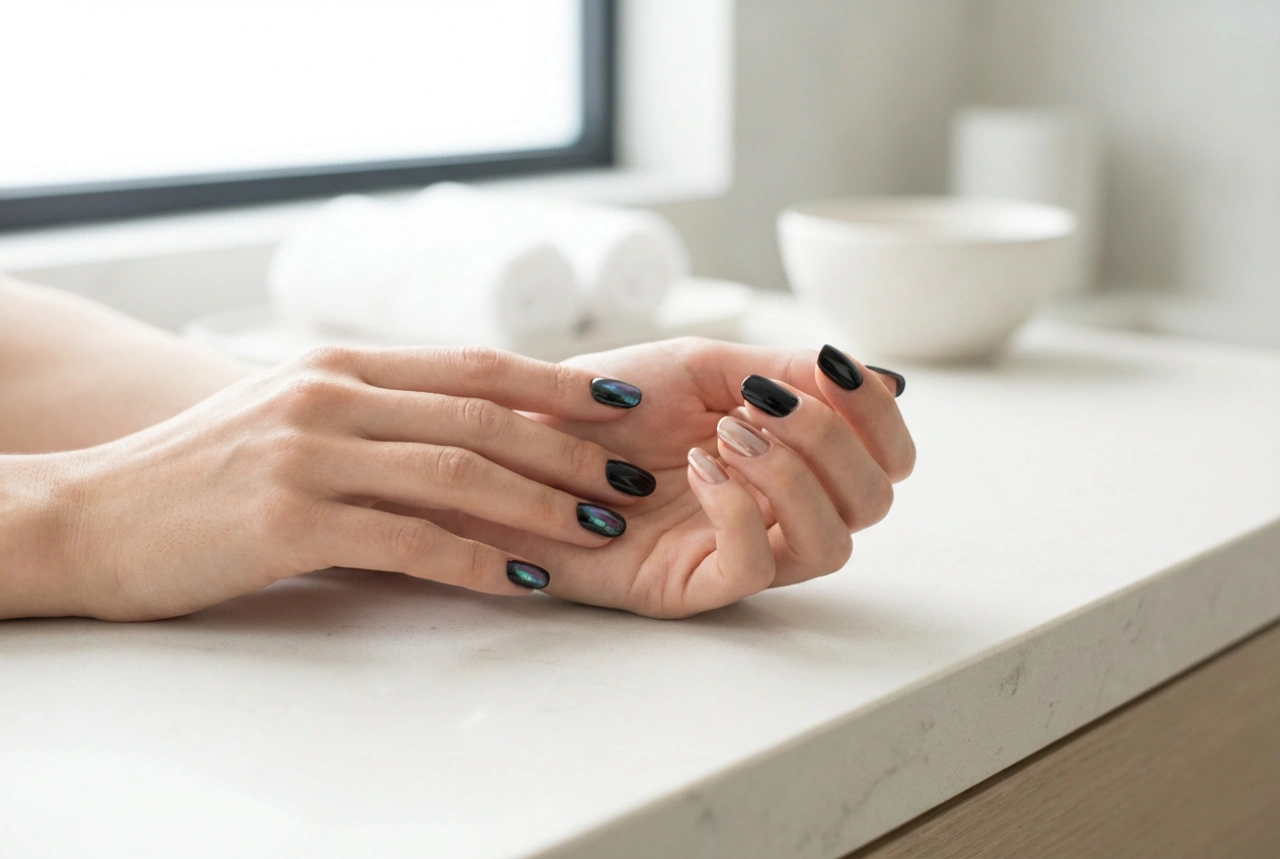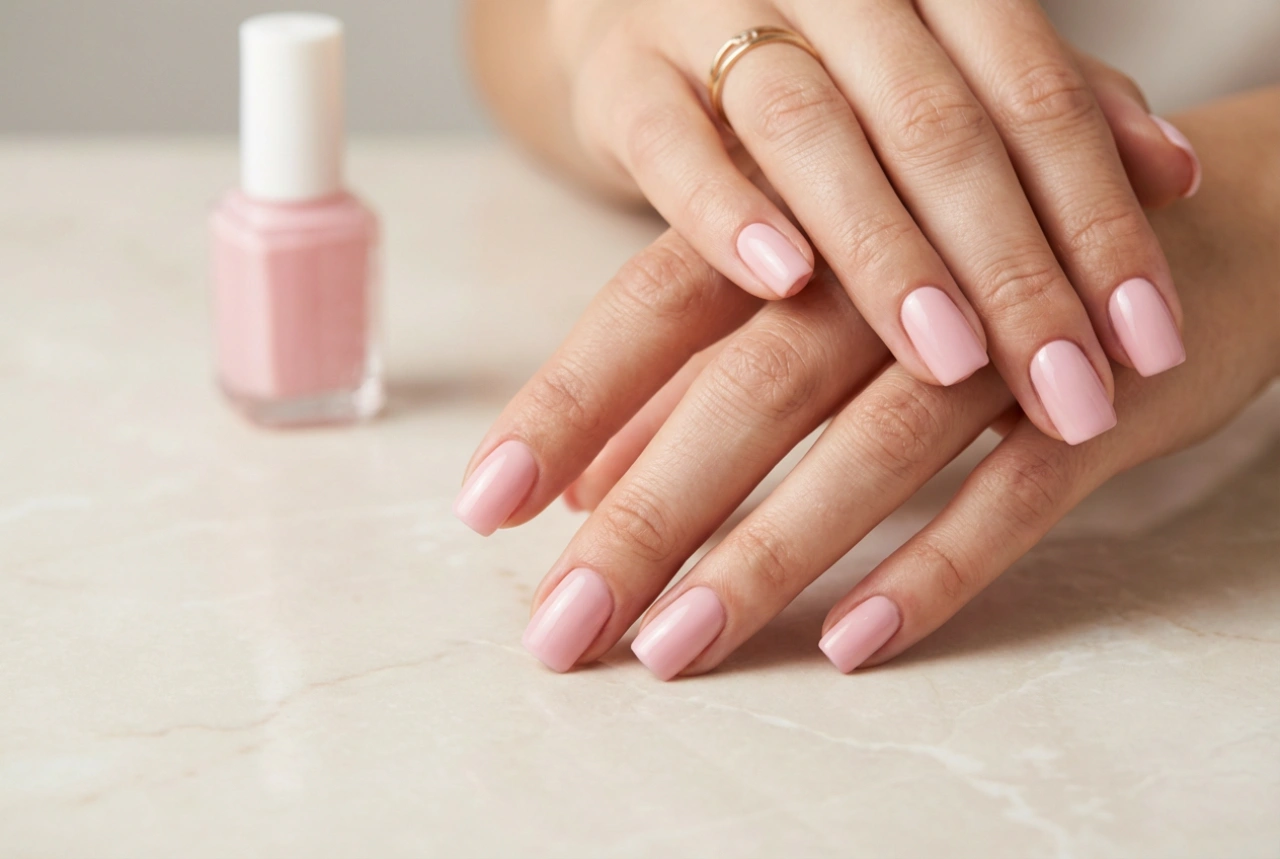


Achieving a flawless, salon-quality manicure at home begins with meticulous nail preparation. A key, yet often overlooked, step is managing the cuticles. While sharp tools can be intimidating and risk damage, a cuticle keratolytic offers a gentle and effective alternative. This solution helps to achieve clean, well-defined nail beds, creating the perfect canvas for your favourite nail polish, as seen in the sophisticated ritual of at-home nail care.
What is a Cuticle Keratolytic?
A cuticle keratolytic is a cosmetic preparation designed to soften and dissolve the excess, non-living tissue of the cuticle (the eponychium). Unlike physical removal methods like cutting, which can lead to irritation or uneven regrowth, a keratolytic works through chemical exfoliation. It typically contains alkaline agents or mild exfoliating ingredients that break down the protein bonds in the dead skin cells, making them easy to push back and remove. This process results in a cleaner nail plate and a neater appearance without the risks associated with trimming.
A Step-by-Step Guide to Application
Using a cuticle keratolytic correctly is essential for achieving the best results safely. Follow these steps for a professional-looking outcome that enhances the natural beauty of your hands.
Preparation is Key
Begin with clean, dry hands and nails. Ensure there is no old nail polish, oil, or cream on the nail plate or surrounding skin. This allows the product to work directly on the targeted cuticle area without any barriers, ensuring maximum effectiveness.
Precise Application
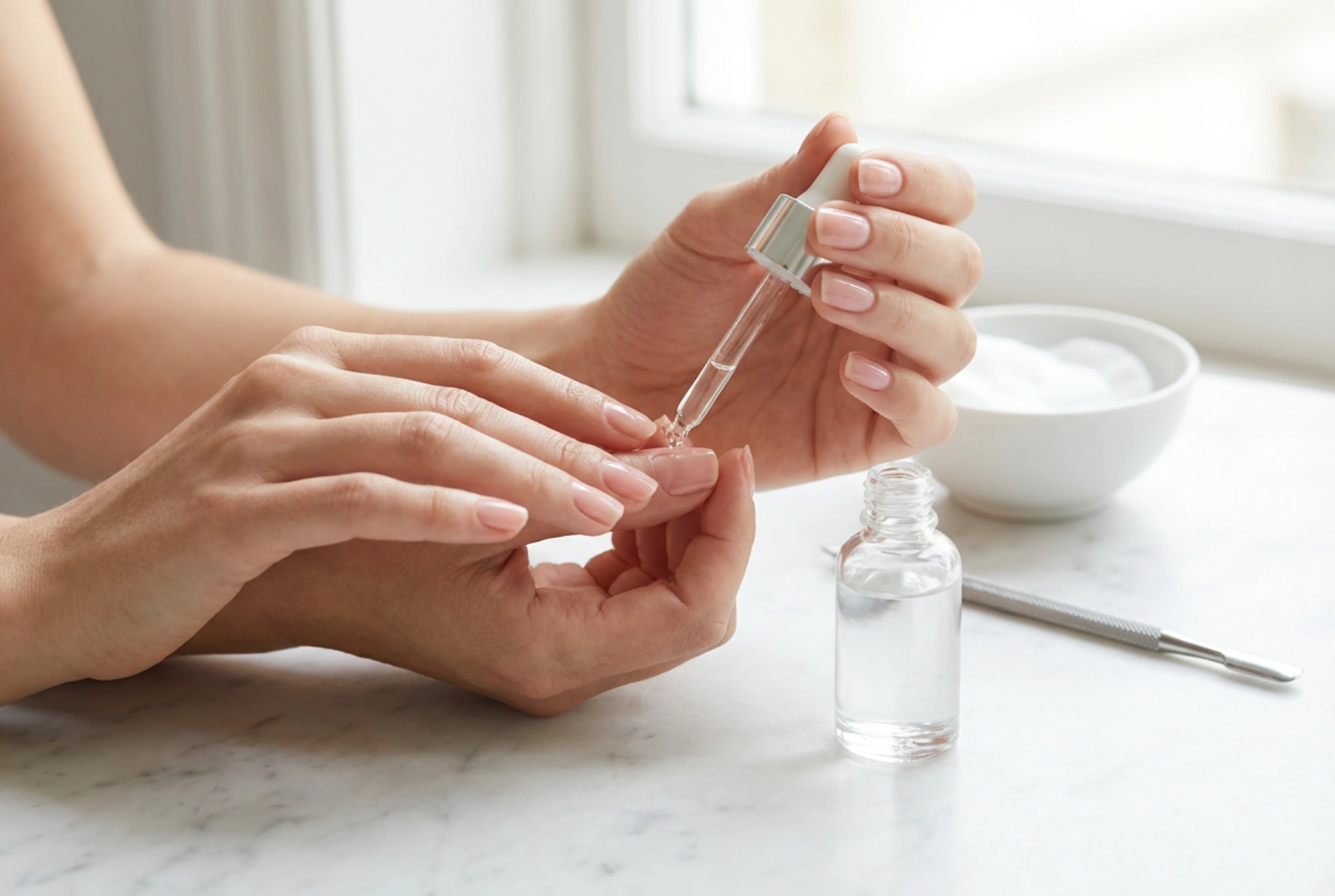
Using the applicator brush provided or a cotton bud, apply a thin, even layer of the keratolytic solution directly onto the cuticles. Be careful to apply it only to the cuticle line and avoid getting it on the main nail plate or the surrounding skin of the finger, as the formula is specifically designed for the dense cuticle tissue and can be drying on other areas.
Respect the Action Time
This is perhaps the most critical step. Keratolytics are fast-acting. Always refer to the manufacturer's instructions for the recommended duration, which is typically very short—often between 30 seconds and two minutes. Never leave the product on for longer than advised, as this can cause irritation or over-soften the skin. You might feel a slight tingling sensation, which is normal, but if you experience any discomfort or a burning feeling, you should remove it immediately.
Removal and Neutralisation
Once the product has had time to work, the next phase is to remove the softened skin and, most importantly, to stop the chemical process to protect your skin's health.
Gentle Cuticle Removal
Using a wooden manicure stick or a gentle cuticle pusher with a rubber tip, carefully push back the softened cuticles from the nail plate. The dissolved dead tissue will come away easily. Work gently and methodically around the base of each nail, moving from one side to the centre, and then from the other side. Avoid using excessive force or sharp metal tools, which could scratch the nail plate or damage the delicate skin of the nail fold.
The Importance of Neutralisation
After removing the excess cuticle, you must neutralise the keratolytic to stop its chemical action. Failing to do so can lead to continued exfoliation and potential skin irritation. The simplest and most effective way to neutralise the product is to wash your hands thoroughly with soap and warm water. The soap helps to restore the skin's natural pH balance. After washing, pat your hands and nails completely dry with a soft towel.
Aftercare and Best Practices
Proper aftercare will keep your cuticles healthy and your manicure looking its best for longer. This final step is crucial for maintaining the condition of your nails and skin.
Moisturise and Nourish
Immediately after the treatment, your cuticles and the surrounding skin will benefit from deep hydration. Apply a nourishing cuticle oil or a rich hand cream, massaging it into the base of each nail. This replenishes moisture lost during the process, soothes the skin, and promotes healthy, flexible nail growth.
Frequency of Use
Cuticle keratolytic treatments should not be performed daily. For most people, using it once every one to two weeks is sufficient to maintain neat cuticles. Overuse can lead to dryness and sensitivity, so it's important to listen to your skin's needs.
A Note on Sensitivity
If you have sensitive skin, it is always a good idea to perform a patch test before using a new keratolytic product for the first time. Apply a small amount to a discreet area of skin, such as the inside of your wrist, and wait 24 hours to check for any adverse reactions before proceeding with a full application on your cuticles.
Incorporating a cuticle keratolytic into your nail care routine is a simple way to maintain tidy, elegant-looking hands. By following these steps for application, timing, and neutralisation, you can safely achieve professional results at home, ensuring your nails always look their best.