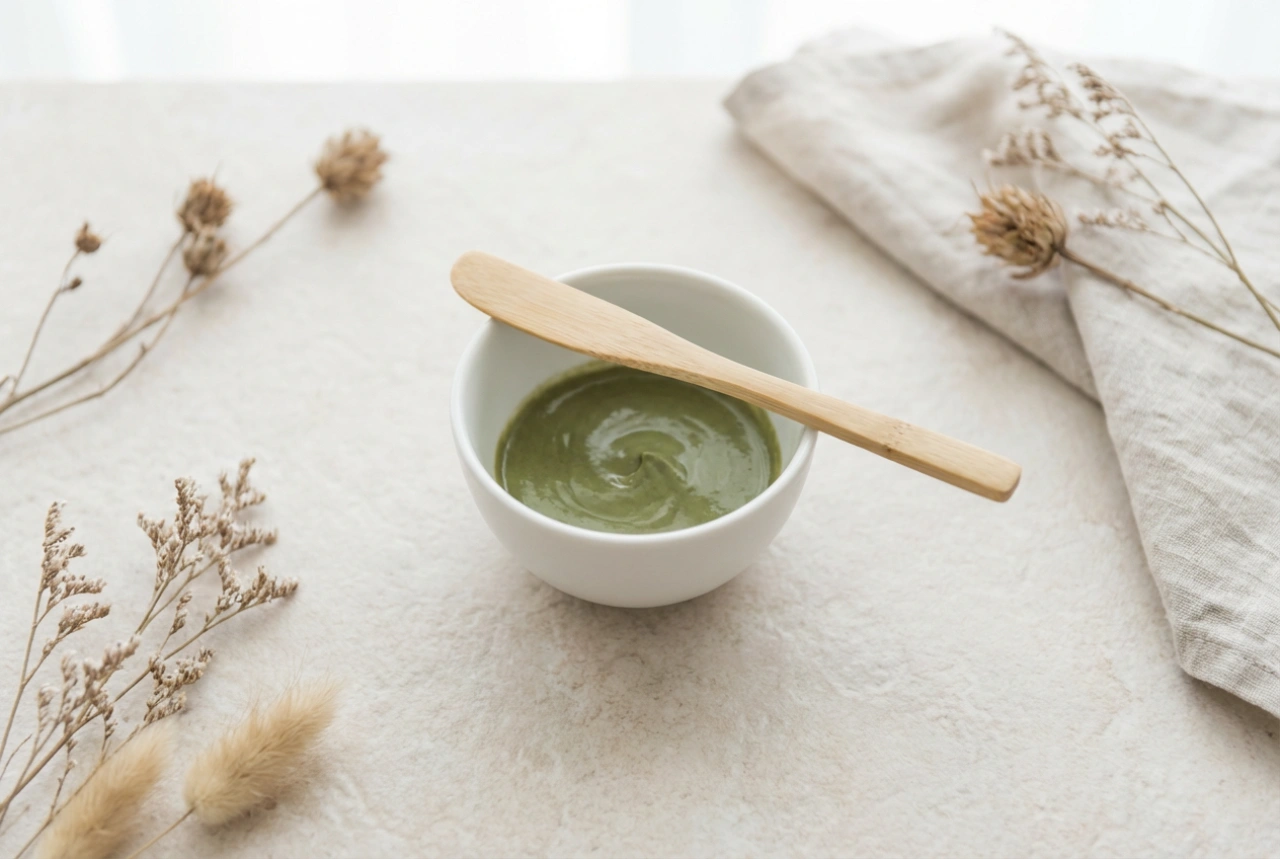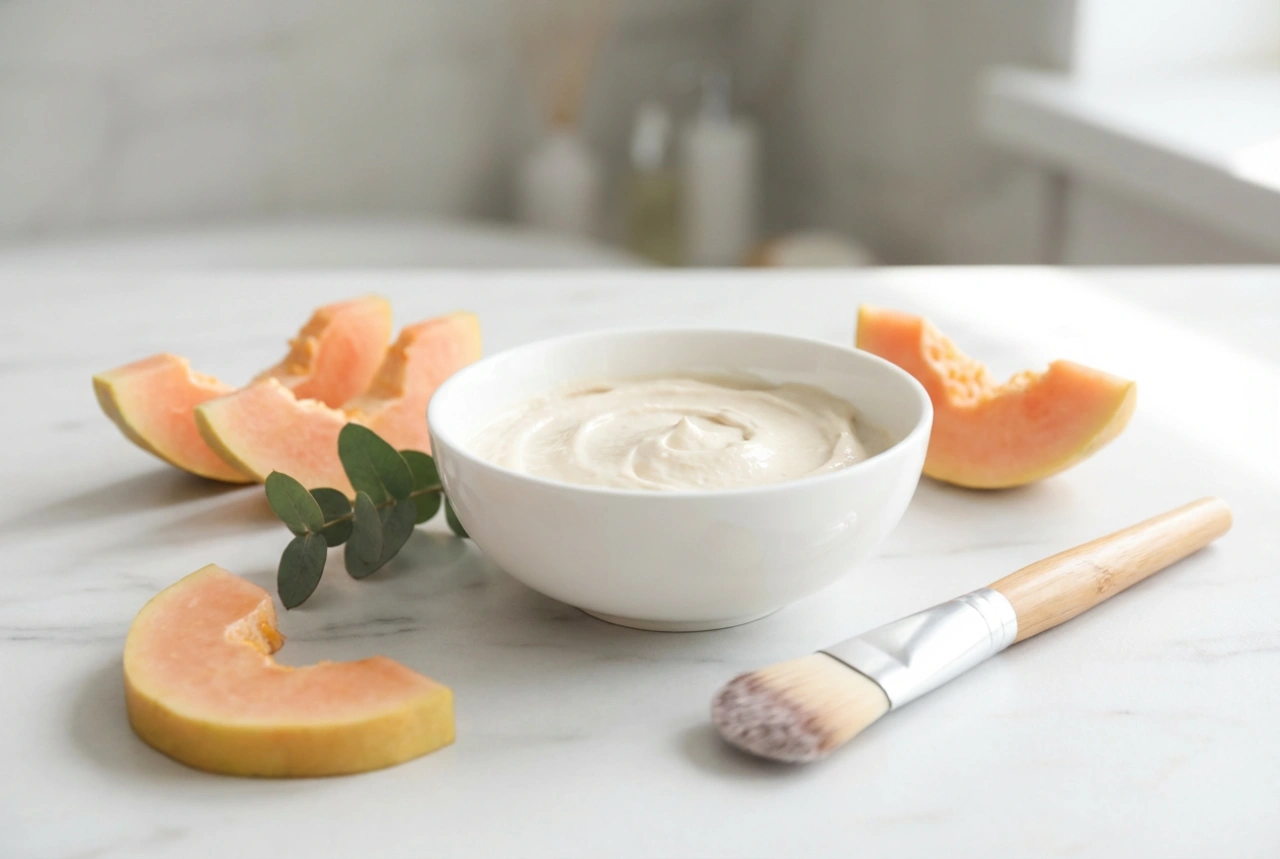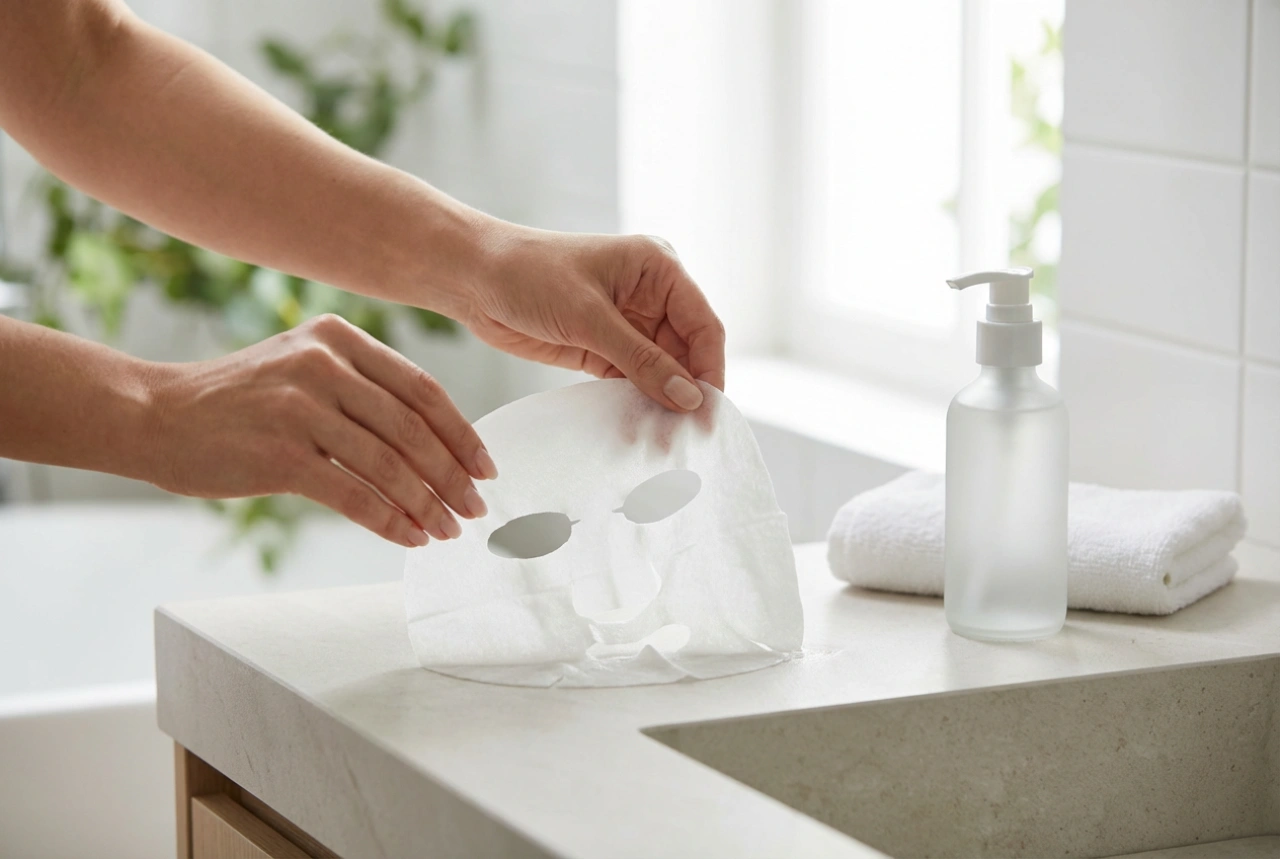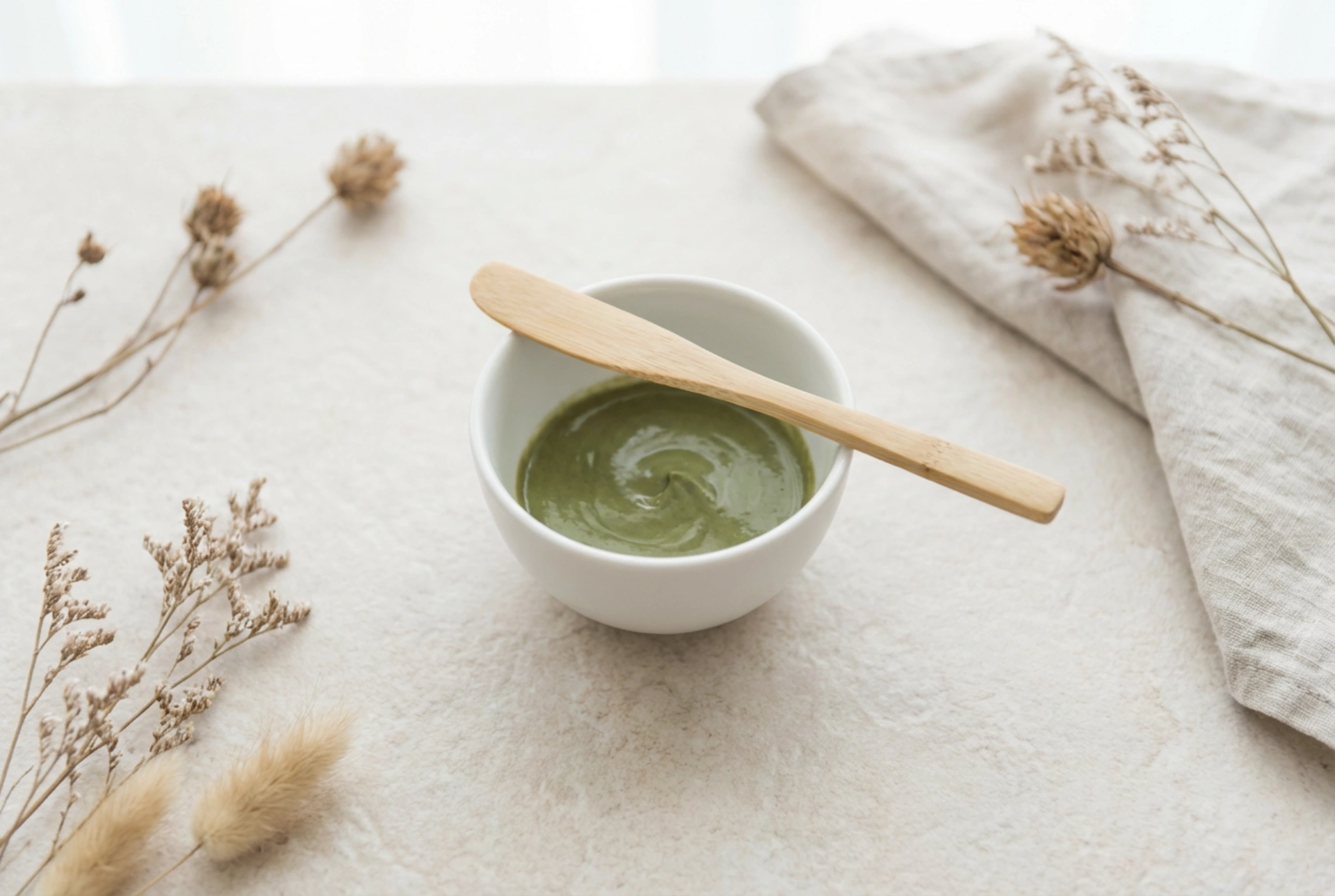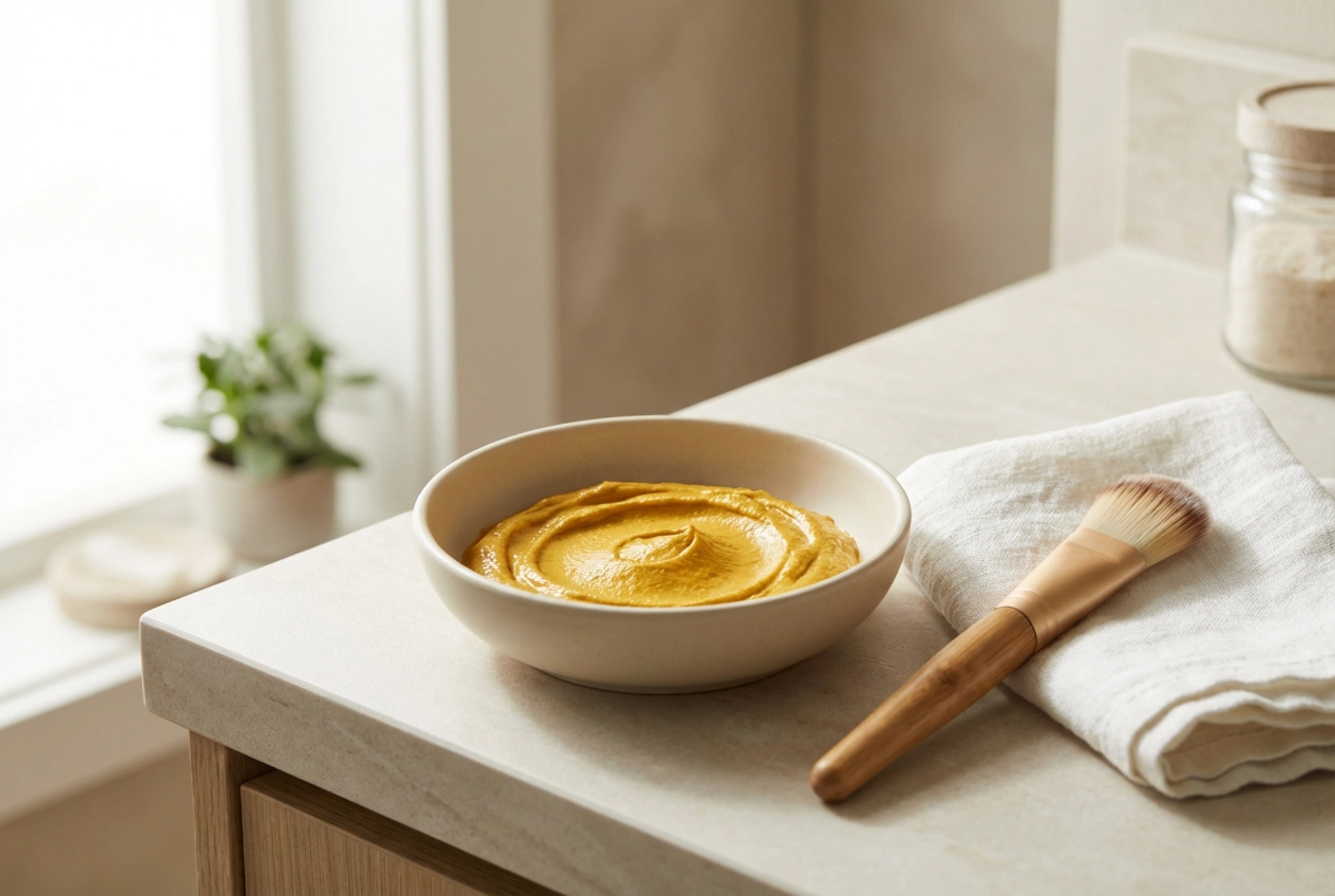


Using natural ingredients found in the kitchen for beauty purposes is a tradition that continues to be cherished. Among the myriad of spices and herbs, turmeric stands out with its vibrant golden hue, often seen in homemade preparations like the one in a pristine bowl, ready for a mindful skincare ritual. This popular spice is not just for culinary use; it has found its way into skincare routines for those seeking a natural approach to complexion care. However, its strong pigment can be a concern. This guide will walk you through how to harness the potential of a turmeric mask while cleverly avoiding any unwanted yellow stains on your skin.
The Golden Spice in Your Beauty Routine
Turmeric has long been valued in various cultural traditions, and its inclusion in skincare is no surprise. The primary compound in turmeric, curcumin, is known for its antioxidant properties. Antioxidants help to combat free radicals, which are environmental stressors that can affect the skin's appearance. Incorporating turmeric into a face mask can help to revitalise the skin, promoting a brighter and more even-looking skin tone. When used correctly, it can be a wonderful addition to your regimen for achieving a naturally radiant and healthy-looking glow. It’s a simple way to give your skin a boost using an ingredient that is easily accessible.
How to Prepare a Basic Turmeric Face Mask
Creating your own turmeric mask is simple. The key is to use a small amount of turmeric and combine it with other beneficial ingredients that also help to mitigate staining. This recipe is designed to be gentle and effective for most skin types, but a patch test is always recommended.
Ingredients You Will Need
- 1/4 teaspoon of high-quality, organic turmeric powder
- 2 tablespoons of plain, full-fat yoghurt (or a plant-based alternative)
- 1 teaspoon of raw honey
Yoghurt contains lactic acid, which provides gentle exfoliation, and its creamy texture helps prevent the turmeric from drying directly on the skin and staining. Honey is a natural humectant, meaning it draws moisture to the skin, and its thick consistency also acts as a buffer against the turmeric's pigment.
Step-by-Step Preparation
- In a small, clean, non-metallic bowl, combine the turmeric powder, yoghurt, and honey.
- Mix the ingredients thoroughly with a non-metallic spoon or a brush until you achieve a smooth, consistent paste.
- Ensure there are no lumps of turmeric powder, as this can lead to uneven application and patches of colour.
- The final mixture should be a pale, creamy yellow, not a bright, intense orange. If it's too vibrant, you may have added too much turmeric.
Application and Removal: The Key to a Stain-Free Glow
The application and removal process is just as important as the recipe itself when it comes to preventing stains. A little preparation goes a long way in ensuring a mess-free experience.
Before You Apply
- Always perform a patch test. Apply a small amount of the mask to a discreet area of skin, like behind your ear or on your inner arm, and leave it for 10-15 minutes to check for any sensitivity.
- Thoroughly cleanse your face to remove any makeup, dirt, or oils. Pat your skin dry with a soft towel.
- Wear an old t-shirt and use a headband to keep your hair away from your face. Turmeric can stain fabric and hair permanently.
- You may want to apply a thin layer of a simple moisturiser or oil to your eyebrows and hairline as a barrier.
Applying the Mask
- Using a clean brush or your fingertips, apply a thin, even layer of the mask to your face.
- Avoid the delicate area directly around your eyes, as well as your lips.
- A thin layer is sufficient; applying a thick coat will not increase the benefits and will significantly increase the risk of staining.
- Relax and leave the mask on for about 10-15 minutes. Do not let it dry completely on your skin.
How to Remove It
- To remove the mask, gently splash your face with lukewarm water to soften it first.
- Using your fingertips or a soft, dark-coloured washcloth, gently massage your skin in circular motions to loosen the mask.
- Rinse thoroughly with lukewarm water until all traces of the mask are gone.
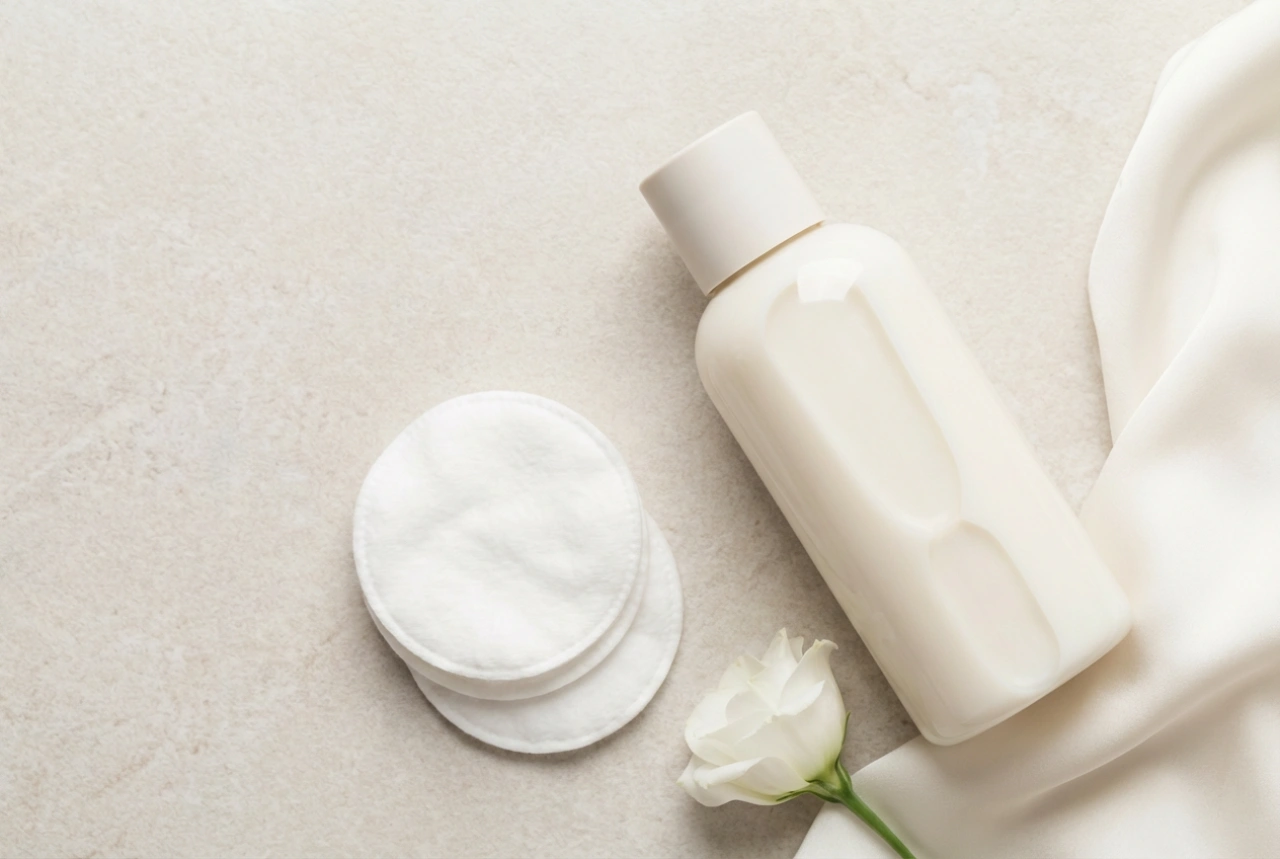
- If you notice a slight yellow tint, don't panic. You can gently wipe your face with a cotton pad soaked in milk or a mild, milky cleanser. The fats and proteins in the milk help to lift the pigment from the skin. Follow up with your regular gentle face wash if needed.
Important Tips to Remember
To ensure you have the best experience with your homemade turmeric mask, keep these final points in mind.
- The quality of your turmeric matters. Use a pure, preferably organic, turmeric powder. Some commercial powders contain artificial dyes that are more likely to stain.
- Less is more. A tiny amount of turmeric is all you need to reap the benefits without the side effect of a yellow hue.
- Protect your surroundings. Lay down an old towel to protect your sink and countertops from drips, as turmeric can stain surfaces.
- Consider timing. It's often best to use a turmeric mask in the evening. This way, if there is any faint residual colour, it has time to fade overnight.
- Always follow up with your favourite serum and moisturiser to lock in hydration and soothe the skin after masking.