

In the world of modern skincare, certain ingredients stand out for their targeted effectiveness. Salicylic acid is one such powerhouse, frequently found in formulations designed to promote a clear and balanced complexion. A face gel containing this ingredient can be a transformative addition to a skincare routine, particularly for those dealing with specific skin concerns. Understanding what salicylic acid does and how to use it correctly is key to unlocking its benefits without causing irritation, leading to smoother and healthier-looking skin.
What is Salicylic Acid and How Does It Work?
Salicylic acid is a Beta Hydroxy Acid (BHA). What makes it unique and so effective for certain skin types is its chemical structure. Unlike Alpha Hydroxy Acids (AHAs), which are water-soluble and work primarily on the skin's surface, salicylic acid is oil-soluble. This property allows it to penetrate deeper into the pores, past the oil and lipids on the skin's surface. Once inside the pores, it works to dissolve the mixture of sebum (the skin's natural oil) and dead skin cells that can lead to blockages. This exfoliating action helps to keep pores clear, reducing the appearance of blackheads and other imperfections. Furthermore, it encourages the shedding of dead cells from the skin's surface, promoting a brighter, more even-toned appearance.
Who Can Benefit from a Salicylic Acid Gel?
A face gel with salicylic acid is not a one-size-fits-all solution, but it is particularly beneficial for certain skin types. Its properties make it an excellent choice for:
- Oily Skin: Because salicylic acid can cut through oil, it is highly effective at cleansing pores and helping to manage the excess sebum production characteristic of oily skin. Regular use can help reduce shine and prevent the formation of blemishes.
- Combination Skin: For those who experience oiliness in the T-zone (forehead, nose, and chin) but have drier cheeks, a salicylic acid gel can be applied strategically to the oilier areas to balance the complexion.
- Skin Prone to Imperfections and Clogged Pores: By exfoliating from within the pore lining, salicylic acid is one of the most effective ingredients for tackling blackheads, whiteheads, and general congestion. It helps to keep pores clear, making them appear smaller and reducing the likelihood of future blemishes.
Individuals with very dry or sensitive skin should approach salicylic acid with caution. It can be drying, so it's important to start slowly and monitor the skin's reaction. A patch test is always recommended.
How to Incorporate a Salicylic Acid Gel into Your Routine
Introducing any new active ingredient requires a thoughtful approach to prevent overwhelming the skin. Follow these steps for best results:
1. Start Slowly
Begin by using the salicylic acid gel just two or three times a week in the evening. This allows your skin to acclimatise to the ingredient. If your skin tolerates it well after a few weeks, you can consider increasing the frequency, but daily use is often not necessary for many people.
2. Apply to Cleansed, Dry Skin
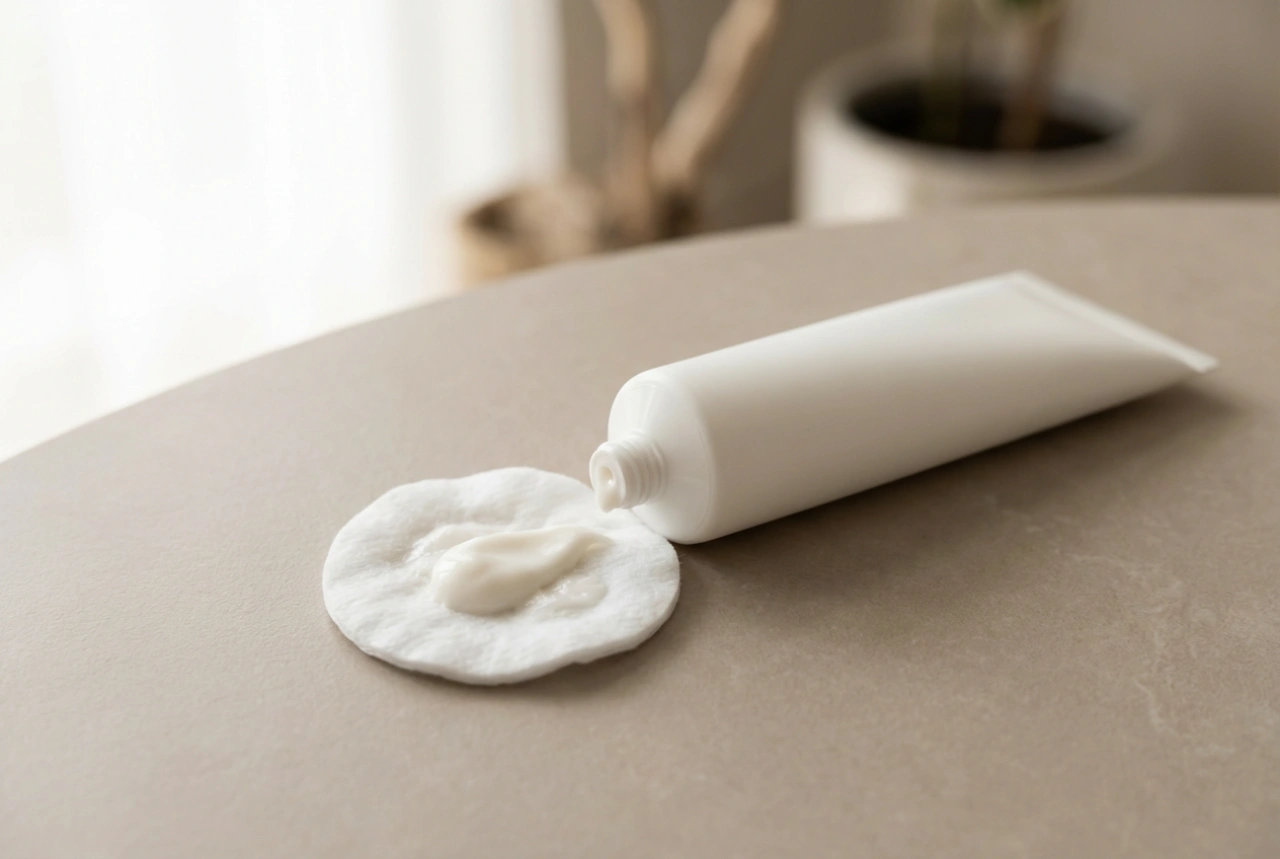
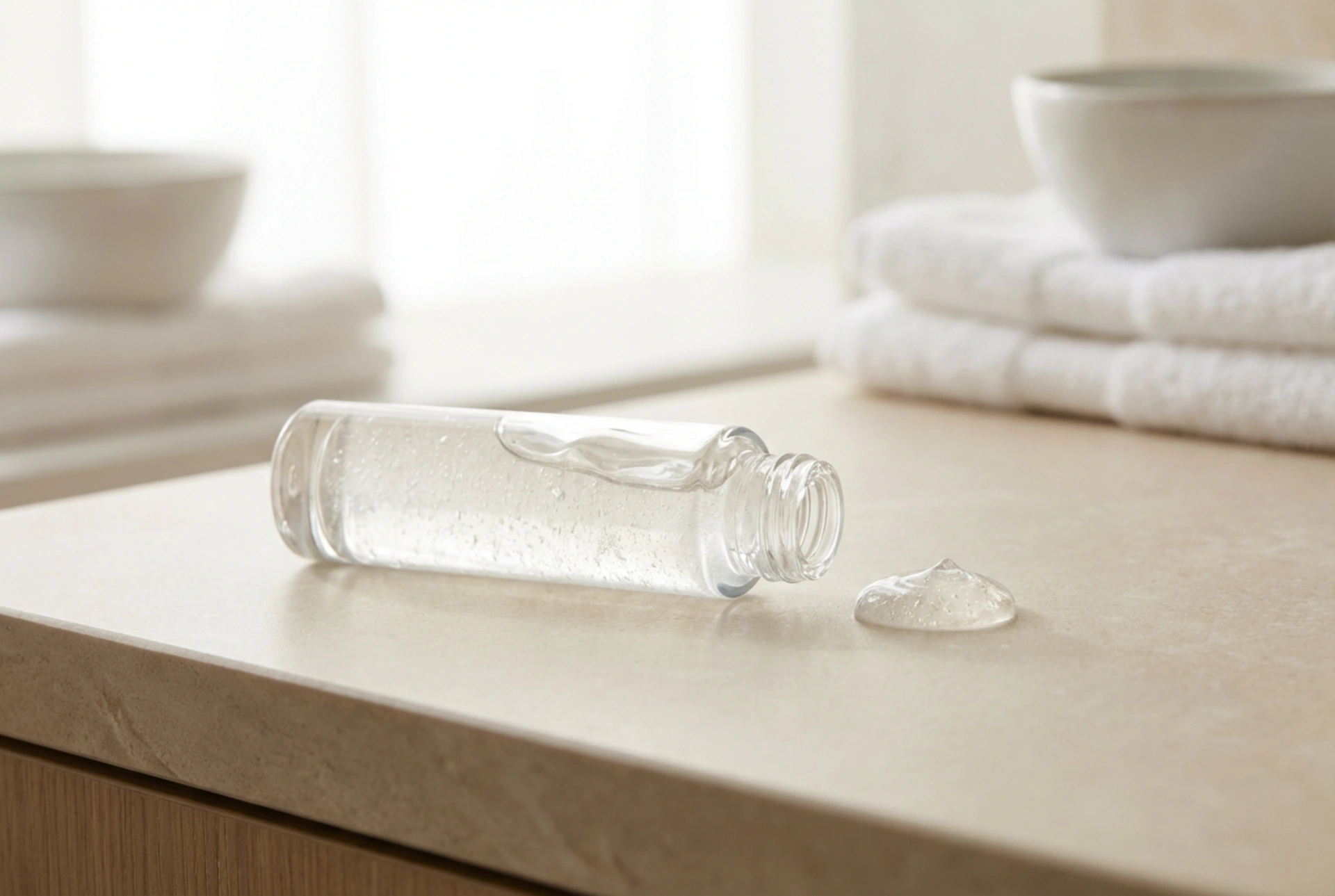
After cleansing your face, pat it completely dry. Applying salicylic acid to damp skin can increase its penetration and potentially lead to irritation. Use a small, pea-sized amount and spread a thin layer over the target areas or your entire face, avoiding the delicate eye area.
3. Always Follow with a Moisturiser
Salicylic acid has exfoliating properties that can be drying. It is crucial to follow up with a hydrating, non-comedogenic moisturiser to replenish the skin's moisture barrier. This helps to counteract potential dryness and keeps the skin balanced and comfortable.
4. Use Sunscreen Diligently
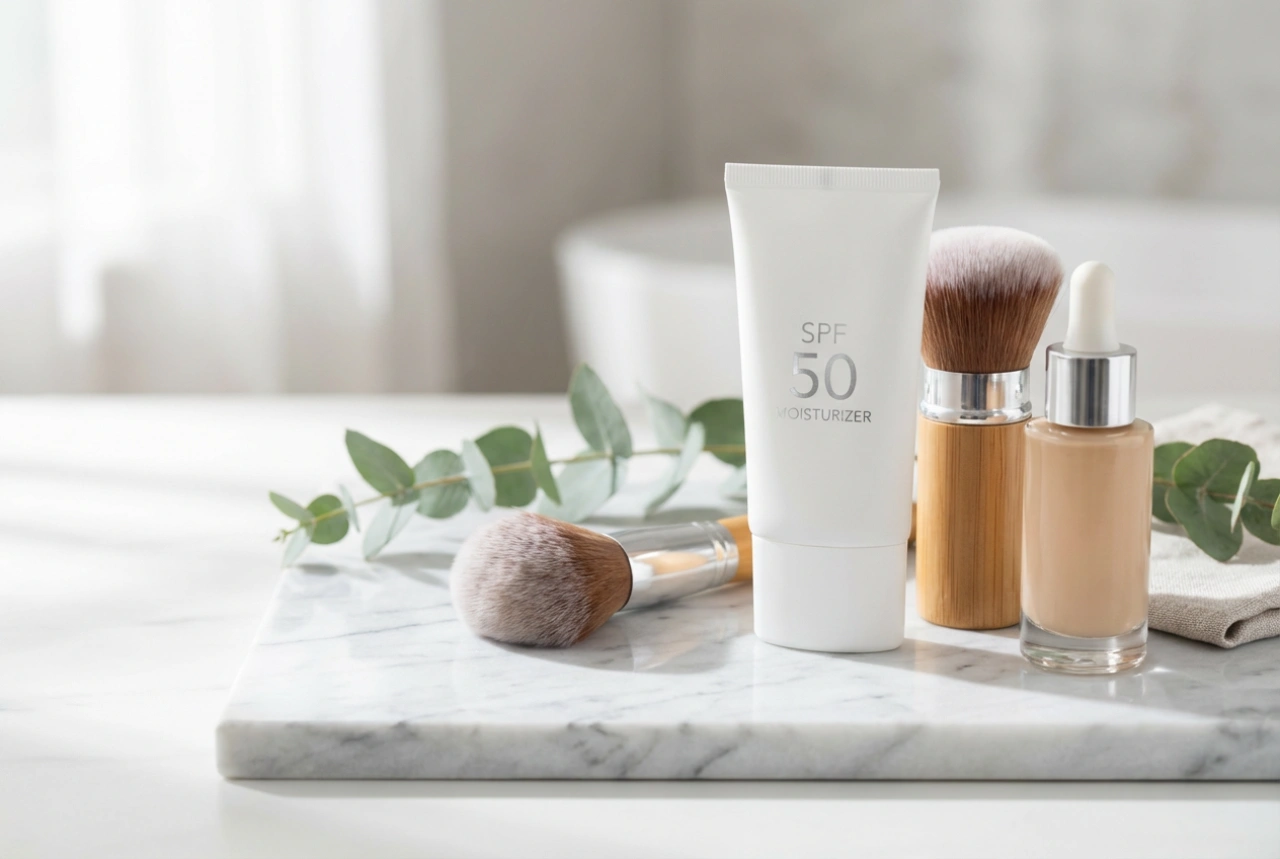
This is non-negotiable. BHAs like salicylic acid can make your skin more sensitive to the sun, increasing the risk of sun damage. Every morning, apply a broad-spectrum sunscreen with an SPF of 30 or higher, even on cloudy days. This protects your skin and preserves the results of your skincare efforts.
Common Mistakes to Avoid
To get the most out of your salicylic acid gel, be mindful of common pitfalls. Avoid over-exfoliating by using the product too frequently or combining it with too many other strong actives (like other acids or high-concentration retinoids) at the same time, especially when you're just starting. Neglecting to moisturise can compromise your skin barrier, leading to redness and irritation. Finally, skipping sunscreen will undo all your hard work and leave your skin vulnerable. By using salicylic acid thoughtfully and consistently, you can effectively address concerns like excess oil and clogged pores for a clearer, more refined complexion.