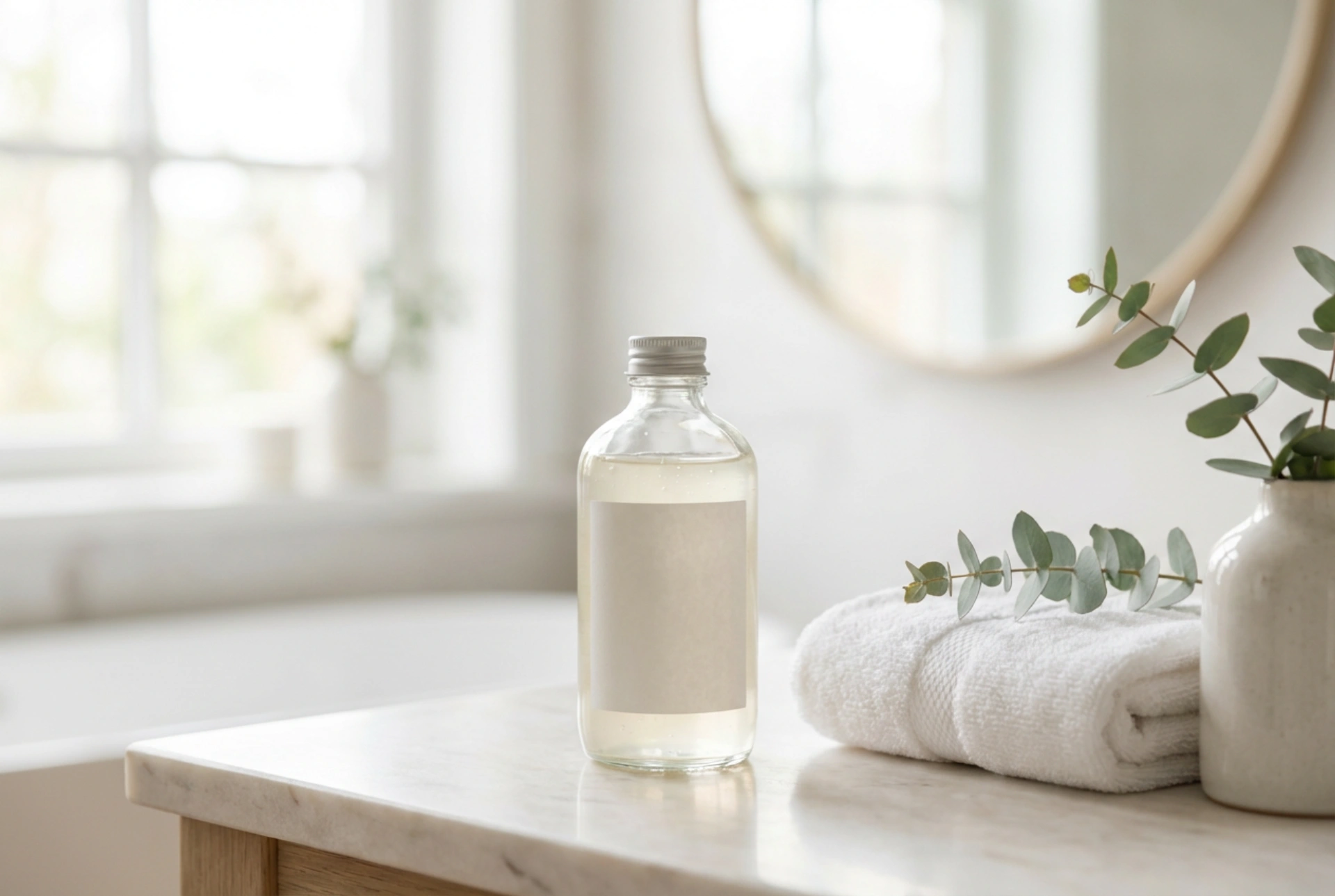


A proper facial cleanse is the cornerstone of any effective skincare routine, setting the stage for all the products that follow. The image of a simple, elegant cleansing gel evokes a sense of calm and purity, but achieving that truly clean yet comfortable feeling depends entirely on using the right product in the right way. Many people experience tightness or dryness after washing their face, often due to a cleanser that is too harsh for their skin. Understanding how to select a suitable cleansing gel and apply it correctly is key to maintaining a healthy, hydrated, and balanced complexion.
Understanding Your Skin's Needs
The first step towards choosing the perfect cleansing gel is to identify your skin type. A product that works wonders for oily skin might be stripping for someone with a dry complexion. Knowing your skin's unique characteristics will help you narrow down your options significantly.
The Main Skin Types
- Dry Skin: Tends to feel tight, rough, and may look flaky. It produces less sebum than normal skin, so it requires gentle, hydrating cleansers that won't strip away its natural oils.
- Oily Skin: Looks shiny and may feel greasy, particularly in the T-zone (forehead, nose, and chin). It is more prone to enlarged pores and blemishes. A gel cleanser that can effectively remove excess oil without being overly harsh is ideal.
- Combination Skin: Features a mix of oily areas (usually the T-zone) and dry or normal areas (often the cheeks). The goal is to find a balanced cleanser that can manage oil without drying out other parts of the face.
- Sensitive Skin: Can be easily irritated, leading to redness, itching, or a stinging sensation. This skin type requires the mildest cleansers, free from common irritants like fragrances and harsh detergents.
Decoding the Ingredient List
Once you know your skin type, the next step is to look at the ingredients. A good cleansing gel should effectively clean the skin without disrupting its natural moisture barrier. Here’s what to look for and what to avoid.
Beneficial Ingredients to Seek Out
To prevent over-drying, look for cleansers formulated with hydrating and soothing agents. These ingredients help to replenish moisture as you cleanse.
- Glycerin: A humectant that draws moisture from the air into your skin, keeping it hydrated.
- Hyaluronic Acid: Capable of holding a significant amount of water, it helps to hydrate and plump the skin.
- Ceramides: These are lipids that help form the skin's barrier and retain moisture. A cleanser with ceramides can help protect and repair this vital barrier.
- Aloe Vera and Chamomile: Natural extracts known for their soothing and anti-inflammatory properties, making them excellent for sensitive or irritated skin.
Ingredients to Approach with Caution
Certain ingredients are known for being too aggressive, stripping the skin of its natural oils and leading to dryness and irritation.
- Sulphates (like SLS and SLES): These are strong detergents that create a rich lather but can be very stripping and irritating for many skin types, especially dry and sensitive ones.
- Alcohol (in high concentrations): Often found in products for oily skin, certain types of alcohol can be extremely drying and disruptive to the skin barrier over time.
- Artificial Fragrances: A common cause of sensitivity and allergic reactions. If your skin is reactive, opt for fragrance-free formulas.
The Correct Way to Cleanse Your Face
Even the most perfect gel cleanser can cause problems if used incorrectly. Following a gentle technique ensures you get the maximum benefit without any of the drawbacks.
- Start with Clean Hands: Always wash your hands before touching your face to avoid transferring dirt and bacteria.
- Use Lukewarm Water: Hot water can strip the skin of its natural oils, while very cold water isn't as effective at dissolving impurities. Lukewarm water is the perfect balance.
- Less is More: You only need a small, pea-sized amount of gel. Lather it between your wet palms before applying it to your face.
- Massage Gently: Using your fingertips, massage the cleanser onto your damp skin in slow, circular motions for about 30 to 60 seconds. Pay attention to the T-zone but avoid scrubbing harshly.
- Rinse Thoroughly: Ensure all traces of the cleanser are removed by rinsing with lukewarm water. Residue left on the skin can lead to dryness and clogged pores.
- Pat, Don't Rub: Gently pat your face dry with a clean, soft towel. Rubbing can cause friction and irritation.
- Moisturise Immediately: Apply your serum and moisturiser while your skin is still slightly damp to lock in hydration.
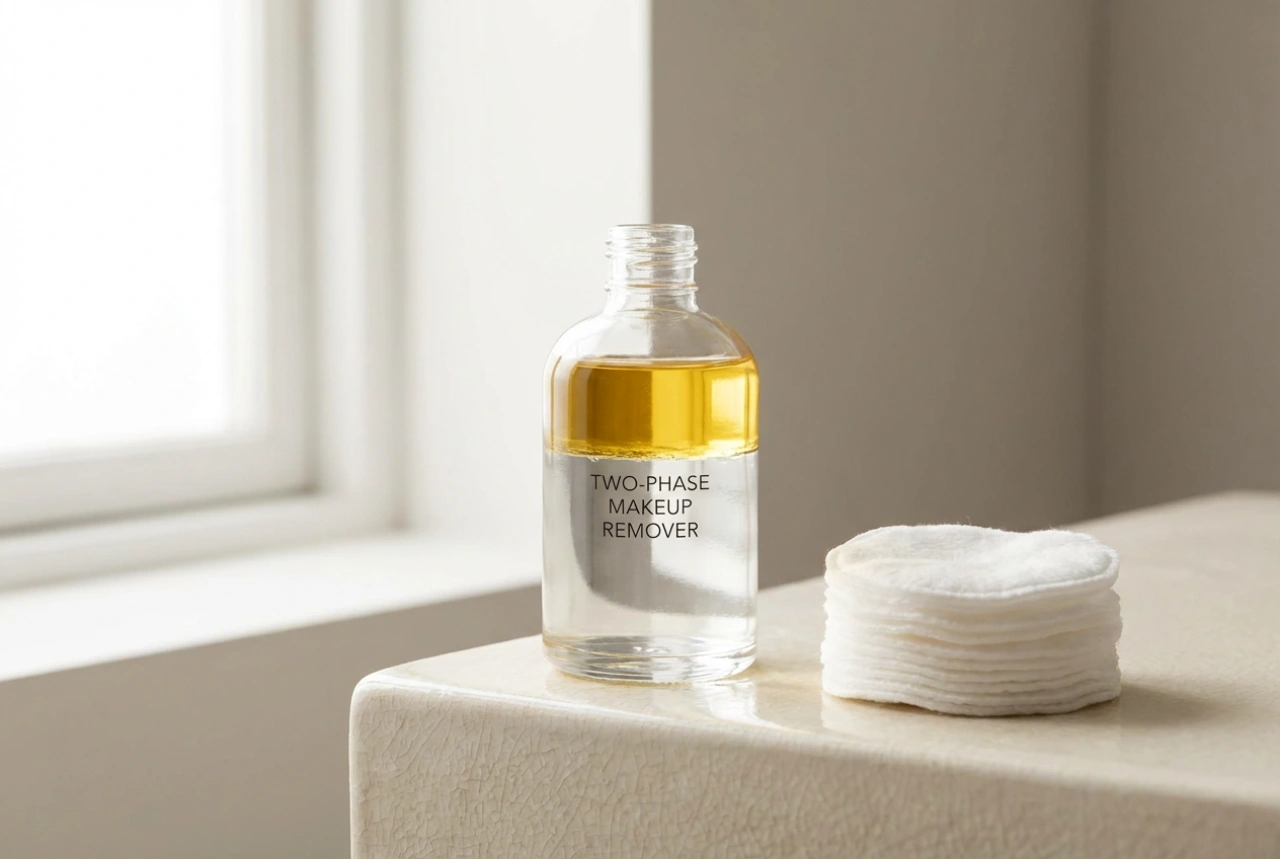
For those who wear makeup or heavy sunscreen, consider double cleansing in the evening. Start with an oil-based cleanser to break down products, and follow up with your gentle gel cleanser to wash everything away.