

A fundamental step in any effective skincare routine is daily cleansing. It removes impurities, excess oil, and makeup, preparing the skin for subsequent products. Among the vast array of cleansers available, gel formulas are a popular choice for their refreshing feel and efficacy. Understanding how to choose the right one and use it correctly can significantly impact your skin's health and appearance, helping you achieve a clean, balanced, and radiant complexion.
Why Choose a Gel Cleanser?
Gel cleansers are water-based formulas with a lightweight, gelatinous consistency. They are known for their ability to provide a deep clean without feeling heavy on the skin. Their primary function is to decongest pores by dissolving excess sebum, dirt, and environmental pollutants. Many formulations are also effective at removing light makeup. Because of their oil-absorbing properties, they are often associated with combination and oily skin types. However, modern formulations have evolved, and there are now gentle, hydrating gel cleansers suitable for normal, dry, and even sensitive skin. Their refreshing texture often provides an invigorating start or a soothing end to the day.
Types of Face Cleansing Gels
Not all gel cleansers are created equal. They can be categorised based on their formulation and intended purpose, allowing you to find a perfect match for your skin's unique needs.
Foaming Gels
These are perhaps the most traditional type of gel cleanser. When mixed with water, they create a rich lather or foam. This action helps to lift dirt and oil from the skin's surface effectively. They provide a satisfying, squeaky-clean feeling, which is often preferred by individuals with oily or blemish-prone skin. It's important to choose one with gentle surfactants to avoid stripping the skin of its natural, protective oils.
Low-Foaming or Non-Foaming Gels
For those with normal, dry, or sensitive skin, a low-foaming or non-foaming gel is an excellent alternative. These cleansers are formulated with milder cleansing agents and often enriched with hydrating and soothing ingredients like glycerin or plant extracts. They cleanse the skin effectively without disrupting its delicate moisture barrier, leaving it feeling soft and comfortable rather than tight or dry.
Gels with Exfoliating Properties
Some gel cleansers contain ingredients that offer gentle exfoliation. This can be achieved through two methods. Physical exfoliation involves tiny, smooth particles that manually buff away dead skin cells. Chemical exfoliation uses mild acids (such as those from the AHA or BHA families) to dissolve the bonds holding dead skin cells together. These cleansers are great for improving skin texture and brightness but should be used with care, typically not every day, to prevent over-exfoliation.
Best Practices for Using a Face Cleansing Gel
To get the most out of your cleanser, follow a simple yet effective technique. Correct application ensures a thorough cleanse without causing unnecessary irritation.
- Start with Lukewarm Water: Begin by splashing your face with lukewarm water. Water that is too hot can strip the skin and cause redness, while cold water may not be as effective at dissolving sebum.
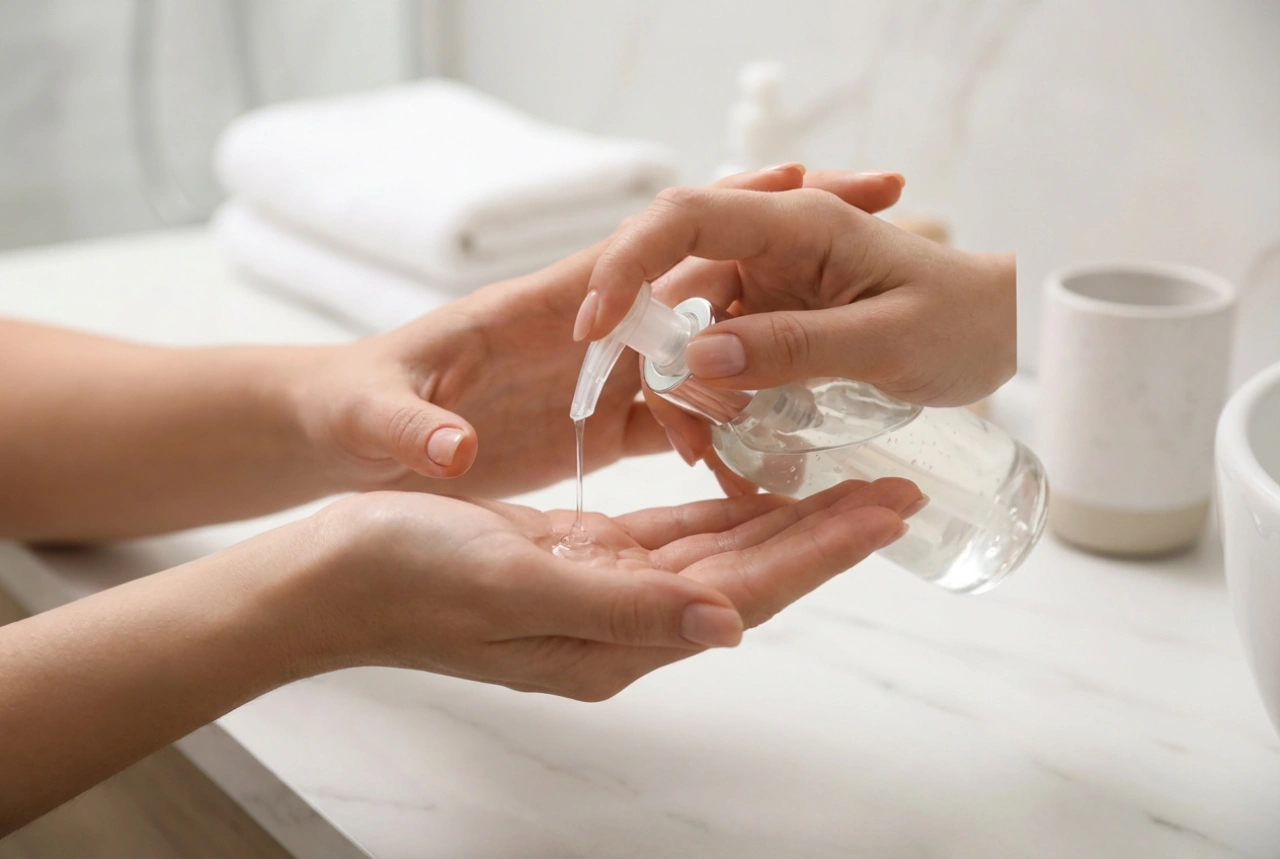
- Use a Small Amount: Dispense a pea-sized or coin-sized amount of gel into your clean palms. A little goes a long way, and using too much is wasteful and can be harder to rinse off.
- Gently Massage: Rub your hands together to work the gel into a slight lather (if it's a foaming type). Then, apply it to your face and massage gently in upward, circular motions for about 60 seconds. This helps to dislodge impurities and boosts circulation. Avoid the delicate skin around the eyes.
- Rinse Thoroughly: After massaging, rinse your face completely with lukewarm water. Make sure no residue is left behind, paying special attention to your hairline, jawline, and around the nose.
- Pat, Don't Rub: Use a clean, soft towel to gently pat your skin dry. Rubbing the skin with a towel can cause friction and irritation.
- Follow Up Immediately: To lock in hydration and complete your routine, apply your toner, serum, and moisturiser while your skin is still slightly damp.
Common Mistakes to Avoid
Sometimes, the way we cleanse can do more harm than good. Being mindful of these common errors can help protect your skin's barrier and improve its overall health.
- Over-Cleansing: Washing your face more than twice a day (morning and evening) can strip the skin of its natural oils, leading to dryness, irritation, or even an overproduction of oil as the skin tries to compensate.
- Using the Wrong Formula: A cleanser that is too harsh for your skin type can cause tightness and discomfort. Conversely, one that is too mild may not effectively cleanse oily skin, potentially leading to clogged pores.
- Scrubbing Too Vigorously: Your facial skin is delicate. Aggressive scrubbing can cause micro-tears and damage the skin's protective barrier, leading to sensitivity and redness. Let the product do the work.
- Skipping the Evening Cleanse: Failing to wash your face before bed leaves a day's worth of makeup, sunscreen, pollutants, and sebum on your skin, which can contribute to clogged pores and a dull complexion.
- Applying to a Dry Face: Most gel cleansers are designed to be used on damp skin. Applying them to a dry face can be too abrasive and prevent the product from distributing evenly.