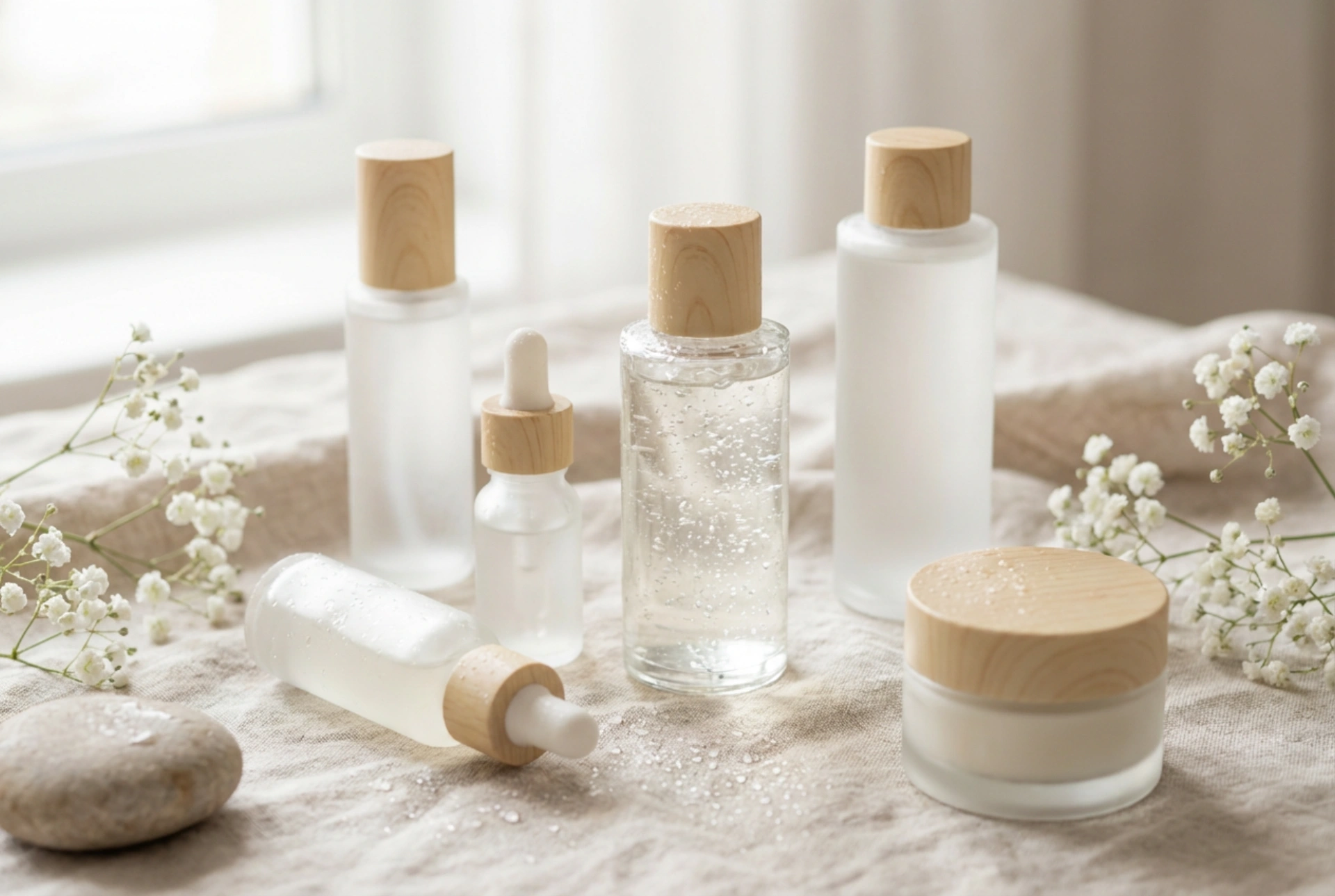


A calm, comfortable complexion begins with the very first step of your skincare routine: cleansing. For those with sensitive skin that is prone to redness and irritation, choosing the right product and using the correct technique is paramount. A gentle cleansing gel, like the one suggested by the fresh and serene aesthetic of minimalist skincare, can be the foundation for maintaining a healthy and balanced skin barrier. This guide will explore how to cleanse your face effectively yet gently, ensuring your skin feels soothed and refreshed, not stripped and tight.
Understanding Sensitive and Redness-Prone Skin
Sensitive skin is not a one-size-fits-all category, but it generally refers to skin that is more reactive than average. It may present as a feeling of tightness, stinging, or burning after using certain products. For those with redness-prone skin, these sensations are often accompanied by visible flushing or persistent pinkness. This reactivity is often linked to a compromised skin barrier, which is the outermost layer of your skin responsible for locking in moisture and keeping out irritants. When this barrier is weakened, triggers like harsh ingredients, extreme temperatures, or even friction can lead to an exaggerated response, resulting in discomfort and redness.
Why Gentle Cleansing is Crucial
The goal of cleansing is to remove impurities, excess oil, and makeup without disrupting the skin's delicate balance. Over-cleansing or using aggressive products can strip away the natural lipids that hold the skin barrier together, exacerbating sensitivity and leading to a cycle of dryness and irritation. A gentle approach helps to preserve this vital barrier, ensuring the skin remains resilient, hydrated, and calm.
Choosing the Right Cleanser
The formulation of your cleanser is the most important factor. Reading the ingredient list can help you distinguish a gentle, supportive product from a potentially irritating one. Look for cleansers specifically formulated for sensitive skin, which are typically free from common agitators.
Ingredients to Look For
- Glycerin: A humectant that draws moisture from the air into your skin, providing hydration during the cleansing process.
- Ceramides: These are lipids that are naturally found in the skin barrier. Including them in a cleanser helps to replenish and fortify the skin's surface.
- Hyaluronic Acid: Another powerful humectant that can hold many times its weight in water, helping to keep skin plump and hydrated.
- Niacinamide (Vitamin B3): Known for its soothing properties, niacinamide can help calm the skin and support the barrier function.
- Panthenol (Pro-Vitamin B5): An ingredient that both hydrates and soothes, helping to reduce feelings of discomfort.
- Soothing Botanicals: Extracts like aloe vera, chamomile, and green tea can offer calming and antioxidant benefits.
Ingredients to Avoid
- Sulphates (SLS/SLES): These are strong detergents that create a rich lather but can be very stripping and irritating for sensitive skin.
- Alcohol Denat.: Often found in products for oily skin, this type of alcohol can be extremely drying and disruptive to the skin barrier.
- Synthetic Fragrance: Fragrance is one of the most common causes of skin reactions. Opt for fragrance-free products whenever possible.
- Harsh Exfoliants: Physical scrubs with rough particles like nut shells or large crystals can cause micro-tears in the skin, leading to inflammation.
- Certain Essential Oils: While natural, some essential oils like peppermint, citrus oils, or lavender can be potent and may cause irritation in sensitive individuals.
The Gentle Cleansing Technique
How you wash your face is just as important as what you use. An aggressive technique can undermine the benefits of even the mildest cleanser. Follow these steps for a gentle and effective cleanse.
- Use Lukewarm Water: Hot water can strip the skin of its natural oils and trigger redness, while very cold water may not be as effective at cleansing. Tepid water is the ideal temperature.
- Apply to Damp Skin: Dampen your face and hands first. Dispense a small, coin-sized amount of cleansing gel into your palm.
- Massage Gently: Rub your hands together to lightly work up the product. Using your fingertips, apply the cleanser to your face and massage in slow, gentle circular motions for about 30 to 60 seconds. Avoid applying excessive pressure.
- Rinse Thoroughly: Splash your face with lukewarm water until all traces of the cleanser are gone. Make sure to rinse the hairline and jawline.
- Pat, Don't Rub: Use a soft, clean towel to gently pat your skin dry. Rubbing can cause unnecessary friction and irritation.
Beyond Cleansing: Supporting a Calm Complexion
Gentle cleansing is a vital part of managing sensitive, redness-prone skin, but it works best as part of a holistic approach. After cleansing, immediately apply a hydrating serum or moisturiser to your damp skin to lock in moisture and support the skin barrier. During the day, consistent use of a broad-spectrum sunscreen is non-negotiable, as sun exposure is a significant trigger for redness and sensitivity. By adopting a gentle mindset for your entire routine, you can help your skin achieve a state of lasting calm and comfort.